Caleuche
From Mapudungun caleutun (to transform) and che (people), or calül (body) and che (people)
A luminous ghost ship of Chilote mythology that sails the canals and seas of southern Chile.
The Caleuche is a legendary vessel from the mythology of Chiloé in southern Chile. It appears as an illuminated ship at night, crewed by witches, demons, or drowned sailors, and is said to trade with humans or abduct them for its eternal voyage.
- It is a luminous ghost ship from Chilote mythology in southern Chile.
- The name may derive from Mapudungun words for transformation and people.
- The crew includes witches, demons, and drowned sailors.
- It is commanded by the sea deity Millalobo to track marine life.
- Sightings are explained scientifically as phosphorescence or bioluminescence.
What it is
The Caleuche is a spectral vessel central to Chilote mythology in southern Chile. It is described as a magical or ghost ship that travels through the waterways of the Chiloé archipelago. The ship is intensely illuminated, often appearing as floating lights or a pillar of flame without a visible hull. It is believed to be crewed by witches, demons, or the spirits of drowned sailors. The vessel is associated with music, parties, and supernatural commerce, serving as a mobile realm where the boundary between the living and the dead blurs.
Where it comes from
Scholars and locals have proposed several origins for the legend. One theory links the name to Mapudungun words meaning transformation or people. Another suggests the story evolved from the European legend of the Flying Dutchman. Some accounts point to the disappearance of the Dutch ship Kalache in the early seventeenth century as a historical seed. Others argue the myth was invented to explain contraband trade in the region. Scientific explanations attribute sightings to phosphorescence, bioluminescence, or electrical phenomena on the water.
How it is done
The Caleuche is witnessed as a luminous object moving across the water or canals, sometimes passing through other vessels. It is said to emit sounds of chains, flutes, horns, and drums. To avoid capture or detection, observers are advised to cover their mouths, as the crew can smell breath. Hiding behind specific trees like the maqui or tique is also recommended. The ship may transform into a tree trunk or rock to hide, or its crew may shift into seals and birds.
Tools and materials
The ship uses alluring orchestral music to attract victims or mark its presence. It is associated with specific natural elements: fog makes it visible, while certain trees offer protection. The crew utilizes a mythical creature called the caballo marino (sea-horse) for transport. In some versions, the ship itself acts as a tool for transporting merchandise or souls, navigating rivers and seas with supernatural speed.
Caleuche, drawn and placed
- Living
- Revived
- Fading
- Historical
- Legendary
- Performed
- Lineage
- Chilote mythology
- Timing
- at night, during fog
What it is for
The Caleuche serves multiple roles in local belief. It is a place of eternal happiness for drowned sailors recruited by the sea deity Millalobo's daughter, Pincoya. It is also a hub for sorcerers who party and trade goods with merchants on land. The ship enforces moral codes regarding marine life, punishing those who harm sea creatures. For humans, it represents a mysterious force that can bring wealth through secret pacts or cause madness and abduction.
Who does it
The primary practitioners of this lore are the people of Chiloé, who integrate the Caleuche into their understanding of the natural and spiritual world. Scholars study the myth as part of Chilote and Mapuche cultural heritage. Local informants recount variations of the legend, distinguishing between the ship as a haunted vessel of the dead and as a merchant ship of witches. The knowledge is held collectively within the community rather than by a single initiated group.
Peoples and places
The Caleuche is specific to the Chilote people of the Chiloé archipelago in Chile. It draws on broader Mapuche linguistic roots, reflecting the cultural interactions in southern South America. The legend varies slightly across different parts of the archipelago, such as Valdivia or Puerto Varas, but remains a core element of Chilote identity. It is distinct from other Latin American ghost ships, maintaining unique features like the transformation into trees and the specific crew composition.
At a glance: who, where and when
What people believe
The worldview behind the Caleuche involves a spirit world that overlaps with the physical one. Sea deities like Millalobo command the ship to monitor marine life. The crew includes the invunche, a deformed figure with a leg attached to the spine, symbolizing the cost of serving the ship. The myth reflects beliefs about the afterlife, where death at sea leads to recruitment into an eternal crew. It also embodies fears of the unknown ocean and the power of witchcraft in daily life.
When it is done
The Caleuche is most active at night, particularly during foggy conditions when its lights become discernible. It is not tied to specific festivals but appears during crises, such as after earthquakes, when unexplained prosperity or untouched houses are attributed to its secret deliveries. The ship's voyages are continuous, but its appearances are linked to weather patterns and the lunar cycle of the sea.
How scholars and sceptics see it
Anthropologists view the Caleuche as a reflection of Chilote history, including colonial encounters and maritime trade. Historians note the influence of European ghost ship legends on the local narrative. Scientists propose natural explanations for sightings, such as bioluminescent organisms or atmospheric electricity. Skeptics dismiss the myth as folklore, while believers maintain it as a real spiritual phenomenon. The legend is studied as a key component of Chilean cultural heritage.
Cautions and what is closed
The Caleuche is feared for its role in abducting young women and sailors. Those who witness it or interact with its crew risk madness, with descriptions of faces turning backward. The ship punishes those who harm marine life, leading to loss of family members or volcanic eruptions. Merchants suspected of trading with the ship face social suspicion. The lore serves as a warning against greed and disrespect for nature.
Compare and confuse
The Caleuche is often compared to the European Flying Dutchman due to similarities in the ghost ship motif. It shares traits with other Latin American maritime legends but is distinct in its focus on witchcraft and transformation. Unlike purely malevolent ghosts, the Caleuche offers a form of eternal life to its crew. It is also related to the invunche myth, sharing themes of bodily deformation and servitude to supernatural forces.
Questions people ask about Caleuche
What is the Caleuche?
The Caleuche is a legendary illuminated ship from Chilote mythology in southern Chile, crewed by witches and spirits.
Where does the name come from?
It likely comes from Mapudungun words meaning transformation and people, though a Dutch ship origin is also suggested.
Who is on board the Caleuche?
The crew consists of witches, demons, and drowned sailors recruited by the sea deity Millalobo's daughter.
How do you avoid being captured?
Locals advise covering your mouth to hide your breath and hiding behind specific trees like the maqui or tique.
Is the Caleuche real?
Believers hold it as a real spiritual vessel, while scientists attribute sightings to natural light phenomena like bioluminescence.
Good reading and sources
The facts on this page come from the Wikipedia article "Caleuche", written by its contributors and used under the CC BY-SA 4.0 licence, and from its Wikidata record (CC0). EveryJaadu rewrote the text in its own words, with AI assistance, and compares every page with the article to make sure no passage is copied. It may be reused under the same CC BY-SA 4.0 licence with a link back.
It may contain mistakes. Names and customs differ from one community to the next, and some knowledge is closed to outsiders and left out here. This page describes belief and practice. It does not say that any of it works, it is not a how-to, and it is not medical advice. If something is wrong, tell us. Last refreshed 2026-10-06.
More from Chile
All the entries from Chile 🇨🇱 Chile and 1 moreMachi
Mapuche spiritual authorities and healers who bridge herbal knowledge and spirit realmsTradition · Healing · Speaking with spirits and the dead Living
🇨🇱 Chile and 1 moreMachi
Mapuche spiritual authorities and healers who bridge herbal knowledge and spirit realmsTradition · Healing · Speaking with spirits and the dead Living
 🇺🇸 United States and 5 moreFlorida Water
A citrus perfume used in spiritual cleansing and folk healing across the Americas.Substance · Protection · Cleansing and purification Living
🇺🇸 United States and 5 moreFlorida Water
A citrus perfume used in spiritual cleansing and folk healing across the Americas.Substance · Protection · Cleansing and purification Living
 🇵🇷 Puerto Rico and 5 moreChupacabrachupacabras
A legendary creature said to drain livestock of blood, emerging from Puerto Rico in the mid-1990sBeing · Cursing and harm Legendary
🇵🇷 Puerto Rico and 5 moreChupacabrachupacabras
A legendary creature said to drain livestock of blood, emerging from Puerto Rico in the mid-1990sBeing · Cursing and harm Legendary
 🇲🇽 Mexico and 5 moreObsidian
Volcanic glass used for sharp tools, mirrors, and ritual divinationSubstance · Cursing and harm · Seeing and foretelling Historical
🇲🇽 Mexico and 5 moreObsidian
Volcanic glass used for sharp tools, mirrors, and ritual divinationSubstance · Cursing and harm · Seeing and foretelling Historical
Related elsewhere
All figure 🇬🇧 United Kingdom and 2 moreKing ArthurBrenin Arthur
A legendary British king and folk hero of medieval literature and Welsh mythologyFigure · Power and authority · Wonder and entertainment Legendary
🇬🇧 United Kingdom and 2 moreKing ArthurBrenin Arthur
A legendary British king and folk hero of medieval literature and Welsh mythologyFigure · Power and authority · Wonder and entertainment Legendary
 🇪🇬 Egypt and 1 moreSphinx
A mythical hybrid with a human head and lion body, serving as guardian or riddler in Egyptian and Greek traditions.Being · Protection · Wonder and entertainment Legendary
🇪🇬 Egypt and 1 moreSphinx
A mythical hybrid with a human head and lion body, serving as guardian or riddler in Egyptian and Greek traditions.Being · Protection · Wonder and entertainment Legendary
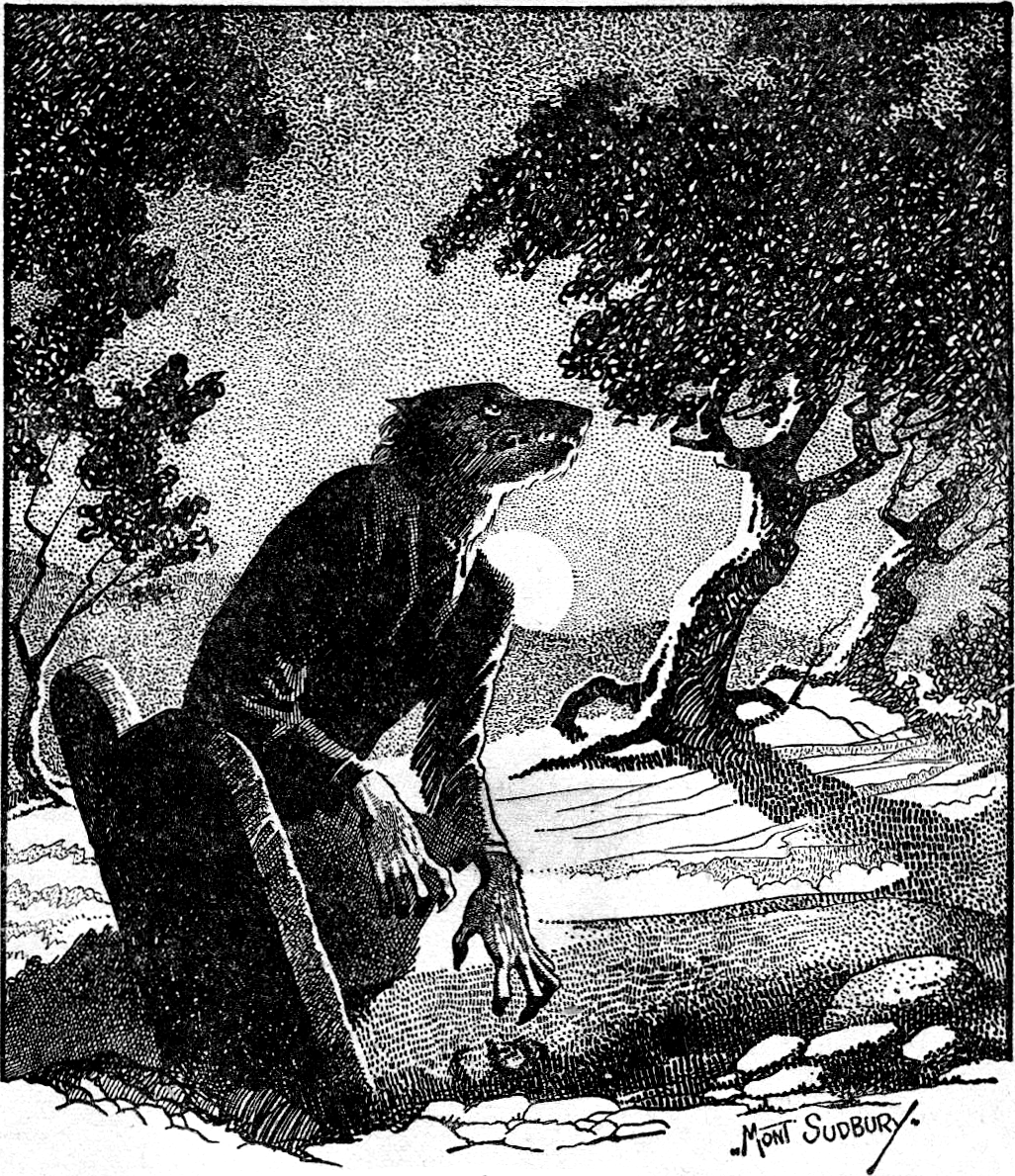 🇫🇷 France and 5 moreWerewolf
A mythical shapeshifter that turns into a wolf, central to European witch-hunts and Gothic horror.Being · Cursing and harm · Wonder and entertainment Legendary
🇫🇷 France and 5 moreWerewolf
A mythical shapeshifter that turns into a wolf, central to European witch-hunts and Gothic horror.Being · Cursing and harm · Wonder and entertainment Legendary
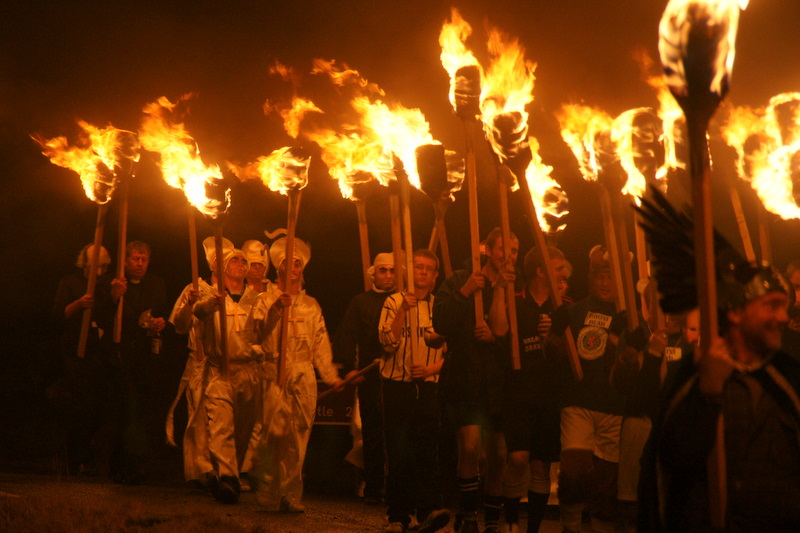 🇬🇧 United KingdomUp Helly Aa
A Shetland fire festival marking the end of Yule with a torchlit procession and burning of a Viking galleyRite · Wonder and entertainment Living
🇬🇧 United KingdomUp Helly Aa
A Shetland fire festival marking the end of Yule with a torchlit procession and burning of a Viking galleyRite · Wonder and entertainment Living