Yowie
from an uncertain source, possibly linked to the word 'Yahoo' or European wild man myths
A hairy, bipedal creature of Australian folklore and cryptozoology
The Yowie is a legendary entity from Aboriginal oral history, reputed to inhabit the Australian Outback. It is described as a large, ape-like being that remains hidden in remote regions.
- Named 'Yō-wī' by Gamilaraay people in 1875
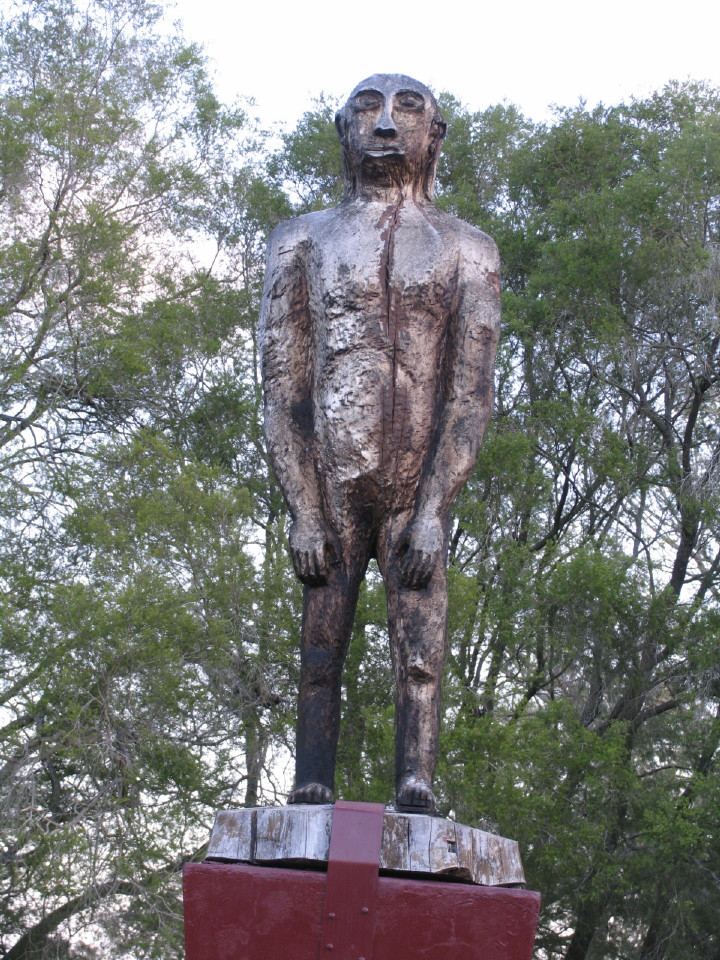
- Statue stands in Kilcoy, Queensland
- Known as Quinkin in parts of Queensland
- Rex Gilroy collected over 3,000 reports
- Described as 2.1 to 3.6 meters tall
What it is
The Yowie is a figure in Australian folklore, often called a hairy man or indigenous ape. It is said to live in the bush and the Outback. The creature is described as tall, upright, and covered in hair. Some reports say it is shy, while others claim it can be aggressive. People have told stories about seeing it for over a century. Today, it is a popular subject for those who study unknown animals.
Where it comes from
The name comes from Aboriginal languages, though its exact start is unclear. A priest recorded the word in 1875 as a spirit name. Some think it links to the word Yahoo or European tales of wild men. Aboriginal elders also spoke of ancient races called Yahoos that lived in the Dreamtime. These beings were said to be fast runners but were usually beaten by Aboriginal people in old conflicts.
How it is done
There are no rituals for the Yowie. It is a creature people claim to see. Reports describe encounters in the bush. Witnesses say they heard noises or saw a large shape. Some claim to find big footprints or collect fur. These sightings happen in forests and remote areas. There is no known way to summon or communicate with the creature.
Tools and materials
Investigators use cameras and recorders to capture evidence. Footprints are measured and photographed. Fur samples are sometimes collected. Statues and parks mark places where sightings were common. One town built a statue to welcome tourists. No specific magical tools are used in connection with the legend.
Yowie, drawn and placed
- Living
- Revived
- Fading
- Historical
- Legendary
- Performed
- Lineage
- Australian Aboriginal mythology
What it is for
The Yowie serves as a mystery of the Australian landscape. It represents the unknown parts of the bush. For some, it is a warning about dangerous places. For others, it is a fun story to tell. It does not have a religious purpose. It is mainly a subject of curiosity and local legend.
Who does it
No one practices magic with the Yowie. Researchers and enthusiasts look for it. Rex Gilroy was a famous collector of reports. He spent decades gathering stories. Modern investigators film in the woods. They are not priests or shamans. They are hobbyists and writers interested in cryptozoology.
Peoples and places
The legend belongs to Australia. It starts with Aboriginal oral history. Different tribes had their own names for similar creatures. In Queensland, it is called Quinkin. In New South Wales, names include Ghindaring and Jurrawarra. Stories appear in eastern states. The myth has spread through books and media across the country.
At a glance: who, where and when


What people believe
Believers hold that the Yowie is a real animal. They think it is a surviving ape or early human species. Skeptics say it is a mix of myths and mistakes. Historians note that the modern idea grew from older 'yahoo' stories. The belief relies on personal accounts and unverified photos. There is no scientific proof of its existence.
When it is done
Sightings happen at any time. Most reports come from daytime walks or night noises. There are no set festivals for the Yowie. It is not tied to seasons or holidays. People report seeing it when hiking or camping. The legend is always present in the bush culture.
How scholars and sceptics see it
Historians like Graham Joyner study the 'hairy man' reports. They link them to nineteenth-century newspaper stories. Psychologists see it as a projection of fear or wonder. Cryptozoologists treat it as a potential undiscovered species. Skeptics point out inconsistencies in footprint casts. Scholars view it as a cultural phenomenon rather than a biological fact.
Cautions and what is closed
People searching for the Yowie risk getting lost. The Australian bush is dangerous. Fraudsters sometimes sell fake footprints or photos. There are no health risks from the creature itself. Legal issues arise if researchers trespass. The legend is safe to discuss but dangerous to chase blindly.
Compare and confuse
The Yowie is like the Yeti of the Himalayas. It is also similar to Bigfoot in North America. Aboriginal stories mention other beings like the Yara-ma-yha-who. These are all large, hairy, humanoid figures. The Yowie is distinct because of its Australian setting and local names.
Law and persecution
There are no laws against believing in the Yowie. It is not a protected species because it is not proven to exist. Some towns use the name for tourism. Businesses have faced legal trouble over the name. Tim the Yowie Man won a case against a chocolate company. The legend is free to use in art and stories.
Questions people ask about Yowie
What is a Yowie?
It is a legendary hairy, bipedal creature from Australian folklore. It is said to live in the Outback and forests. Aboriginal oral history provides its earliest roots.
Where does the name come from?
The term was recorded in 1875 among the Gamilaraay people. It may relate to the word 'Yahoo' or European wild man myths. Its exact origin remains uncertain.
Is it a real animal?
Believers think it is a surviving ape or early human. Scientists and historians see it as a myth. No physical evidence proves it exists.
What are other names for it?
In Queensland, it is called Quinkin. In New South Wales, names include Ghindaring and Jurrawarra. Many local tribes had their own terms.
Who studies the Yowie?
Cryptozoologists and enthusiasts like Rex Gilroy study it. They collect reports and search for tracks. Historians analyze old newspaper accounts.
Good reading and sources
- Yowie on WikipediaEncyclopedia
- More photos on Wikimedia CommonsPhotos and video
- Wikidata recordOpen data
The facts on this page come from the Wikipedia article "Yowie", written by its contributors and used under the CC BY-SA 4.0 licence, and from its Wikidata record (CC0). EveryJaadu rewrote the text in its own words, with AI assistance, and compares every page with the article to make sure no passage is copied. It may be reused under the same CC BY-SA 4.0 licence with a link back.
It may contain mistakes. Names and customs differ from one community to the next, and some knowledge is closed to outsiders and left out here. This page describes belief and practice. It does not say that any of it works, it is not a how-to, and it is not medical advice. If something is wrong, tell us. Last refreshed 2026-10-05.
More from Australia
All the entries from Australia 🇦🇺 Australia and 1 moreTattoo
A permanent mark made by placing pigment under the skin to form a design.Tradition · Protection · Power and authority Living
🇦🇺 Australia and 1 moreTattoo
A permanent mark made by placing pigment under the skin to form a design.Tradition · Protection · Power and authority Living
 🇦🇺 AustraliaRainbow Serpent
A creator spirit of water and land in Aboriginal Australian mythologyBeing · Healing · Cursing and harm Living
🇦🇺 AustraliaMokoi
An evil spirit in Yolngu mythology that kills sorcerers and kidnaps childrenBeing · Cursing and harm Legendary
🇦🇺 AustraliaRainbow Serpent
A creator spirit of water and land in Aboriginal Australian mythologyBeing · Healing · Cursing and harm Living
🇦🇺 AustraliaMokoi
An evil spirit in Yolngu mythology that kills sorcerers and kidnaps childrenBeing · Cursing and harm Legendary
 🇦🇺 AustraliaWelcome to Country
A ceremony performed by Aboriginal elders to welcome visitors to their landRite · Speaking with spirits and the dead Living
🇦🇺 AustraliaWelcome to Country
A ceremony performed by Aboriginal elders to welcome visitors to their landRite · Speaking with spirits and the dead Living
Related elsewhere
All figure 🇬🇧 United Kingdom and 2 moreKing ArthurBrenin Arthur
A legendary British king and folk hero of medieval literature and Welsh mythologyFigure · Power and authority · Wonder and entertainment Legendary
🇬🇧 United Kingdom and 2 moreKing ArthurBrenin Arthur
A legendary British king and folk hero of medieval literature and Welsh mythologyFigure · Power and authority · Wonder and entertainment Legendary
 🇪🇬 Egypt and 1 moreSphinx
A mythical hybrid with a human head and lion body, serving as guardian or riddler in Egyptian and Greek traditions.Being · Protection · Wonder and entertainment Legendary
🇪🇬 Egypt and 1 moreSphinx
A mythical hybrid with a human head and lion body, serving as guardian or riddler in Egyptian and Greek traditions.Being · Protection · Wonder and entertainment Legendary
 🇫🇷 France and 5 moreWerewolf
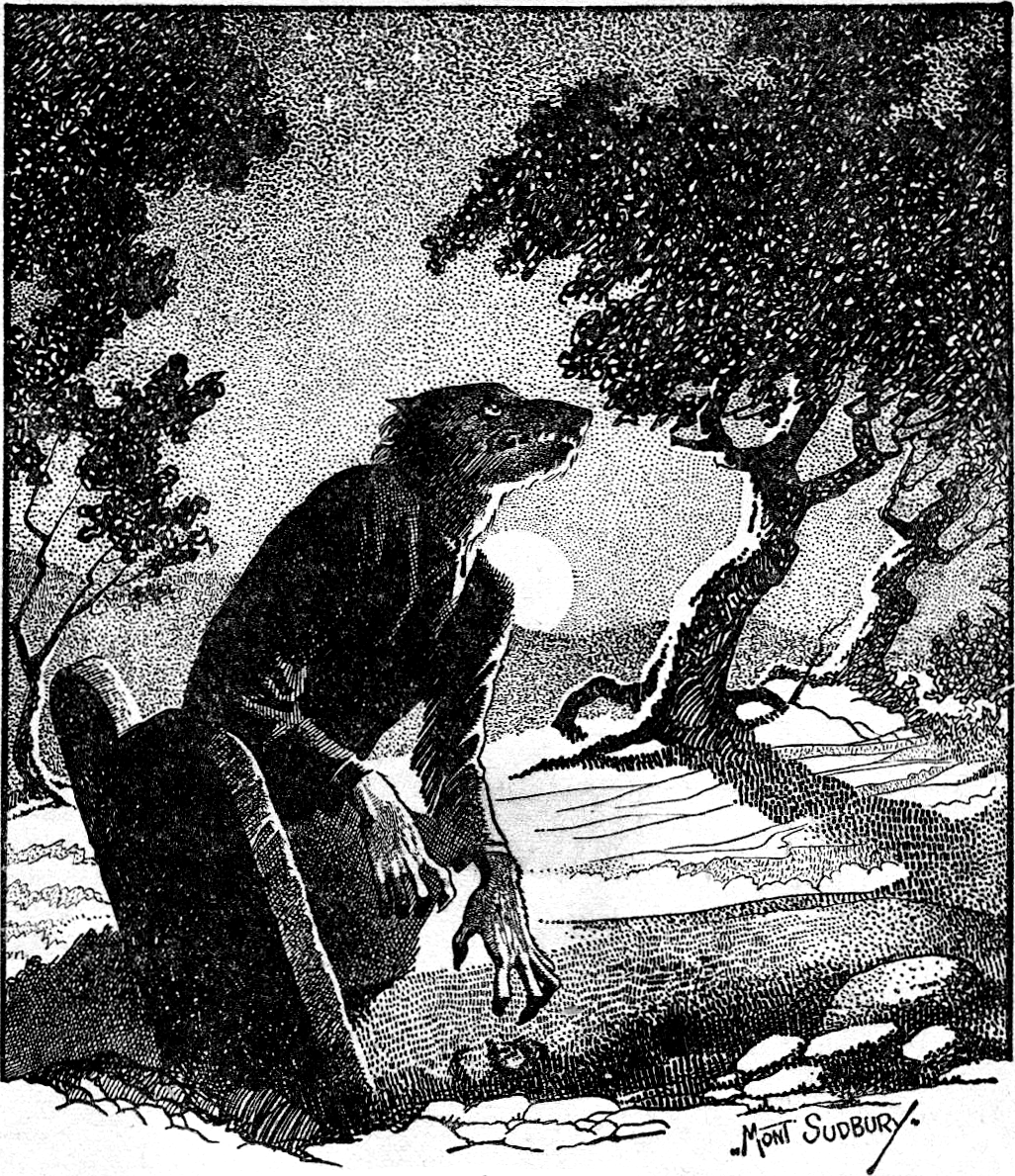
A mythical shapeshifter that turns into a wolf, central to European witch-hunts and Gothic horror.Being · Cursing and harm · Wonder and entertainment Legendary
🇫🇷 France and 5 moreWerewolf
A mythical shapeshifter that turns into a wolf, central to European witch-hunts and Gothic horror.Being · Cursing and harm · Wonder and entertainment Legendary
 🇬🇧 United Kingdom and 1 moreBlue men of the Minchna fir ghorma
Mythical blue-skinned spirits of the Scottish strait who challenge sailors to poetry contestsBeing · Cursing and harm · Wonder and entertainment Legendary
🇬🇧 United Kingdom and 1 moreBlue men of the Minchna fir ghorma
Mythical blue-skinned spirits of the Scottish strait who challenge sailors to poetry contestsBeing · Cursing and harm · Wonder and entertainment Legendary