
Bigfoot
from Halq'emeylem sasq'ets meaning hairy man; Bigfoot from 1958 tracks
A large, hairy humanoid creature of North American folklore and cryptozoology
Bigfoot is a mythical humanoid said to live in the forests of North America, especially the Pacific Northwest. It appears in both American and Canadian folklore as a cultural icon.
- Sasquatch comes from Halq'emeylem sasq'ets meaning hairy man
- Bigfoot name started in 1958 after fake wooden footprints were found
- Hoaxer Rant Mullens carved wooden feet to scare huckleberry pickers
- Yokuts petroglyphs at Painted Rock depict Hairy Man family
- Scientists dismiss evidence as misidentification and deliberate hoaxes
What it is
Bigfoot is a legendary humanoid described as large, muscular, and covered in dark hair. It is said to walk on two legs and inhabit dense forests across North America. The creature stands between six and nine feet tall, though some reports claim much greater heights. Enthusiasts in the field of cryptozoology study these claims as if they were real animals. Scientists dismiss Bigfoot as a myth based on folklore, mistaken identities, and deliberate hoaxes. The figure has become a major part of popular culture since the mid-twentieth century.
Where it comes from
Folklorists link Bigfoot to the European wild man tradition and indigenous stories of hairy humanoids. Indigenous peoples in the Pacific Northwest have long told tales of forest spirits. In 1929, J.W. Burns published stories from the Sts'ailes Nation using the term Sasquatch. The name Bigfoot emerged in 1958 after logging workers in California found massive footprints. These tracks were later revealed to be carved wooden props made by hoaxers like Rant Mullens and Ray Wallace to scare off thieves.
Tools and materials
Believers cite footprints, hair samples, and audio recordings as evidence. Footprint casts are common artifacts in this pursuit. Some casts show claw marks that skeptics attribute to bears. The tools used by investigators include cameras, casting materials for tracks, and recording devices. Hoaxers have historically used carved wooden feet to create fake tracks in mud.
Bigfoot, drawn and placed
- Living
- Revived
- Fading
- Historical
- Legendary
- Performed
- Lineage
- North American folklore
What it is for
The creature serves as a subject of fascination and debate. For believers, it represents an unknown animal hiding in remote areas. For skeptics, it illustrates how people misinterpret nature or create myths. Indigenous stories often warn children about the creature or describe it as a protector of the forest. The figure satisfies a cultural desire for mysterious, larger-than-life beings in the wilderness.
Who does it
Cryptozoologists and amateur enthusiasts investigate claims of Bigfoot's existence. They collect anecdotal reports and analyze physical evidence like tracks. Anthropologists and folklorists study the stories as cultural artifacts rather than biological facts. Indigenous communities maintain oral traditions about similar creatures without necessarily believing in a single species called Bigfoot. Scientists generally reject the existence of the creature based on lack of credible evidence.
Peoples and places
The legend spans the United States and Canada. In Canada, the name Sasquatch is widely used alongside Bigfoot. Indigenous groups like the Yokuts and Cherokee have their own versions of hairy humanoids. The Cherokee tell of Tsul 'Kalu, giant slant-eyed beings in the Appalachians. The Lummi people also share tales of forest spirits. Regional names vary, including Wood Ape and Bushman. The modern concept blends European wild man myths with local indigenous stories.
At a glance: who, where and when
Belief worlds


What people believe
Indigenous traditions speak of hairy humanoids that live in the mountains or caves. Some stories describe them as dangerous ogres who steal food or children. Others view them as beneficial beings that eat harmful animals. European folklore features wild men covered in hair, living apart from society. These figures range from hermits to monsters. The modern Bigfoot combines these elements into a single cryptid narrative focused on survival in the wild.
How scholars and sceptics see it
Anthropologists note that legends of hairy humanoids exist globally. David Daegling argues these stories predate modern Bigfoot claims. Folklorists trace the phenomenon to European wild man tales and indigenous accounts. Psychologists suggest wishful thinking and environmental concerns fuel belief in the creature. Skeptics point out that most evidence consists of hoaxes or misidentified bears. Eyeshine in photos is often attributed to raccoons or owls, not apes.
Compare and confuse
Bigfoot is similar to the Yeti of Asia and the Yowie of Australia. The skunk ape of the southeastern US shares many traits. European wild men and Asian Yeren are also comparable figures. All are large, hairy, bipedal humanoids. The names differ by region, but the core description remains consistent across cultures.
Today
Bigfoot remains a cultural icon in North America. It appears in movies, books, and television shows. A distinct subculture supports the creature through museums and gatherings. The Bigfoot Discovery Museum showcases claimed evidence. Despite scientific dismissal, the legend persists in popular media. Diaspora communities and global fans keep the story alive through digital forums and conventions.
Questions people ask about Bigfoot
What is Bigfoot?
Bigfoot is a legendary humanoid creature said to live in North American forests. It is described as large, muscular, and covered in dark hair. The figure appears in American and Canadian folklore as a cryptid.
Where does the name come from?
Sasquatch derives from the Halq'emeylem word sasq'ets, meaning hairy man. Bigfoot originated in 1958 when logging workers found large tracks in California. The name stuck after newspaper coverage spread the story.
Is there proof Bigfoot exists?
No credible scientific proof exists. Evidence includes footprints, hair, and photos, but all are considered hoaxes or misidentifications. Carved wooden feet created fake tracks. Bears standing upright explain many sightings.
Who first told stories about Bigfoot?
Indigenous peoples in the Pacific Northwest told tales of hairy humanoids long before 1958. European wild man myths also influenced the legend. J.W. Burns recorded early stories in 1929 using the term Sasquatch.
Good reading and sources
- Encyclopaedia BritannicaArticle
- Watch: Tough Bear Powers Through Injury by Walking UprightNational Geographic, Article
- Scientists challenge 'Abominable Snowman DNA' resultsBBC, Article
- Bigfoot on WikipediaEncyclopedia
- More photos on Wikimedia CommonsPhotos and video
- Wikidata recordOpen data
The facts on this page come from the Wikipedia article "Bigfoot", written by its contributors and used under the CC BY-SA 4.0 licence, and from its Wikidata record (CC0). EveryJaadu rewrote the text in its own words, with AI assistance, and compares every page with the article to make sure no passage is copied. It may be reused under the same CC BY-SA 4.0 licence with a link back.
It may contain mistakes. Names and customs differ from one community to the next, and some knowledge is closed to outsiders and left out here. This page describes belief and practice. It does not say that any of it works, it is not a how-to, and it is not medical advice. If something is wrong, tell us. Last refreshed 2026-10-06.
More from the United States
All the entries from the United States 🇺🇸 United StatesCotton Mather
A Puritan minister and writer known for his role in the Salem witch trials and promotion of smallpox inoculationFigure Historical
🇺🇸 United StatesCotton Mather
A Puritan minister and writer known for his role in the Salem witch trials and promotion of smallpox inoculationFigure Historical
 🇺🇸 United States and 1 moreMarie Laveau
A New Orleans priestess and herbalist who led Louisiana Voodoo in the nineteenth centuryTradition · Healing · Protection Historical
🇺🇸 United StatesRed Ghost
A legendary red camel with a skeleton rider from Arizona frontier folkloreFigure · Wonder and entertainment Legendary
🇺🇸 United States and 1 moreMarie Laveau
A New Orleans priestess and herbalist who led Louisiana Voodoo in the nineteenth centuryTradition · Healing · Protection Historical
🇺🇸 United StatesRed Ghost
A legendary red camel with a skeleton rider from Arizona frontier folkloreFigure · Wonder and entertainment Legendary
 🇺🇸 United States and 4 moreTooth fairy
A childhood figure who exchanges lost baby teeth for gifts or coins.Figure · Luck and prosperity Living
🇺🇸 United States and 4 moreTooth fairy
A childhood figure who exchanges lost baby teeth for gifts or coins.Figure · Luck and prosperity Living
Related elsewhere
All figure 🇬🇧 United Kingdom and 2 moreKing ArthurBrenin Arthur
A legendary British king and folk hero of medieval literature and Welsh mythologyFigure · Power and authority · Wonder and entertainment Legendary
🇬🇧 United Kingdom and 2 moreKing ArthurBrenin Arthur
A legendary British king and folk hero of medieval literature and Welsh mythologyFigure · Power and authority · Wonder and entertainment Legendary
 🇪🇬 Egypt and 1 moreSphinx
A mythical hybrid with a human head and lion body, serving as guardian or riddler in Egyptian and Greek traditions.Being · Protection · Wonder and entertainment Legendary
🇪🇬 Egypt and 1 moreSphinx
A mythical hybrid with a human head and lion body, serving as guardian or riddler in Egyptian and Greek traditions.Being · Protection · Wonder and entertainment Legendary
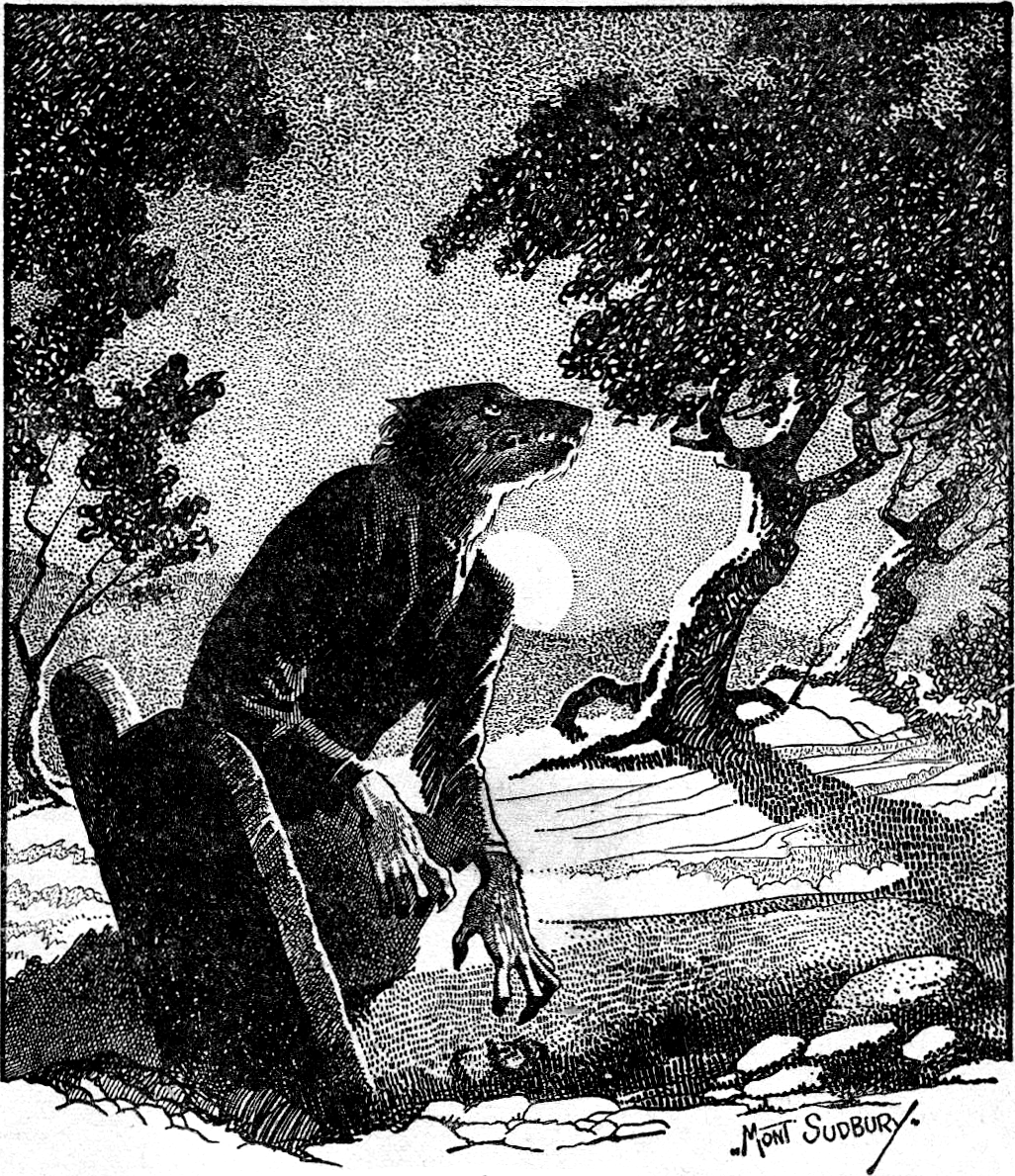 🇫🇷 France and 5 moreWerewolf
A mythical shapeshifter that turns into a wolf, central to European witch-hunts and Gothic horror.Being · Cursing and harm · Wonder and entertainment Legendary
🇫🇷 France and 5 moreWerewolf
A mythical shapeshifter that turns into a wolf, central to European witch-hunts and Gothic horror.Being · Cursing and harm · Wonder and entertainment Legendary
 🇬🇧 United KingdomBeltane Fire Festival
A modern Edinburgh performance celebrating the start of summer with fire and danceRite · Wonder and entertainment · Power and authority Living
🇬🇧 United KingdomBeltane Fire Festival
A modern Edinburgh performance celebrating the start of summer with fire and danceRite · Wonder and entertainment · Power and authority Living