
Menehune
from the Hawaiian word manahune, meaning low social status
A legendary race of tiny builders in Hawaiian folklore
The Menehune are mythical dwarf-like figures from Hawaiian tradition. They are said to be master craftsmen who built ancient structures across the islands.
- Mythical dwarf-like people in Hawaiian tradition
- Master craftsmen who built temples and fishponds
- Work only at night and vanish by dawn
- Word manahune means low social status
- Census records list dozens in the 1800s
What it is
The Menehune form a group of small people in Hawaiian stories. They live deep in forests and hidden valleys away from human towns. These beings are known for their skill in making things. They create temples, fishponds, roads, canoes, and houses. Many old stone works in Hawaii are still linked to them today. The stories say they arrived before later Polynesian settlers. They prefer eating bananas and fish. They only build at night. If they cannot finish a project by dawn, they leave it unfinished. Only their own children or humans with special ties can see them.
Where it comes from
Scholars have offered different ideas about where these legends come from. Some early researchers thought there were two waves of settlers. They believed Tahitians oppressed common people called manahune. These people fled to mountains and became the Menehune. Census records from Kauai in eighteen twenty list sixty-five such individuals. Another record from Wainiha Valley around fifteen hundred also lists sixty-five. Folklorist Katharine Luomala suggests a different view. She thinks the stories changed after European contact. The word manahune meant low status then. It might have mixed with European tales of brownies. No one has proven that the name was absent in older oral traditions.
How it is done
The Menehune work only after dark. They gather materials and construct buildings quickly. Their creations include heiau temples and fishpond walls. Some structures remain visible on islands like Kauai and Oahu. Examples include the Alekoko fishpond and Kikiaola ditch. Builders often complete tasks overnight. This speed is a key part of their legend. They vanish when morning comes. Humans rarely witness their labor directly. Those who do see them are usually related to the group or chosen by them.
Tools and materials
They use local materials found in nature. Stone forms the base of many walls. Wood builds canoes and houses. Coral helps make fishpond barriers. The focus remains on the finished structure. The craftsmanship appears superior to ordinary methods. This quality leads people to attribute the work to supernatural hands.
Menehune, drawn and placed
- Living
- Revived
- Fading
- Historical
- Legendary
- Performed
- Lineage
- Hawaiian mythology
- Timing
- at night
What it is for
These beings exist to create and maintain order. They build essential infrastructure for survival. Fishponds provide food security. Temples support spiritual life. Roads connect communities. Canoes enable travel. Houses offer shelter. Their work supports the environment and society. People respect their contributions. The legends explain how certain impressive sites appeared so suddenly. They serve as cultural markers of past ingenuity.
Who does it
No living practitioners perform rituals for the Menehune. Scholars study the texts and oral histories. Martha Warren Beckwith recorded details in her book. She noted other forest races like the Ilene Irenes. These were larger hunters descended from Lua-nu'u. The Menehune lived in caves and ate forest plants. They moved valleys to avoid mixing with humans. Modern readers encounter them through books and media.
Peoples and places
The stories belong to Hawaiian culture. They appear in collections by Beckwith and Luomala. Similar small people exist elsewhere. Iceland has Huldufólk. Ireland has Leprechauns. The Philippines has Anito. Madagascar has Vazimba. Ainu folklore mentions Korpokkur. Marianas stories tell of Taotao Mona. Orkney and Shetland know Trow. Nenets myths feature Sihirtia. Maori tradition includes Patupaiarehe. Each culture has its own version of tiny builders.
At a glance: who, where and when
Peoples

What people believe
The Menehune represent hidden knowledge and skill. They embody the idea that great works require unseen effort. Their nocturnal nature adds mystery. The inability to see them easily reinforces their otherworldly status. They are not gods but powerful spirits. Their connection to land and construction shows respect for nature. The belief system values craftsmanship and secrecy.
When it is done
Work happens at night. No specific festivals are tied to them. Life events do not trigger their appearance. The timing is constant. Darkness allows their activities. Dawn ends their presence. This cycle repeats regardless of seasons.
How scholars and sceptics see it
Researchers analyze the term manahune. It originally meant low social rank. Later interpretations added physical size. Census data provides historical anchors. Luomala argues for post-contact adaptation. She links the change to European brownie stories. Other scholars point to pre-contact roots. The debate continues without final proof. Oral tradition makes verification difficult.
Cautions and what is closed
Some modern uses appropriate the name. Schools adopt it as a mascot. Airlines used it in advertising. Fiction writers include them in plots. These uses sometimes strip cultural context. Collectors trade figurines from past campaigns. Such commercialization may disrespect the original meaning. Outsiders should approach the topic with care.
Compare and confuse
The Menehune resemble other little people myths. Huldufólk in Iceland share traits. Leprechauns in Ireland are similar. Anito in the Philippines overlap in function. All involve small, skilled beings. Differences lie in origin stories and roles. Hawaiian versions emphasize construction. Others focus on mischief or luck.
Questions people ask about Menehune
What are the Menehune?
They are mythical dwarf-like people in Hawaiian folklore. Stories describe them as master builders who created temples, roads, and fishponds. They live in hidden valleys and forests.
Where do the Menehune come from?
Legends say they lived in Hawaii before Polynesian settlers arrived. Some scholars believe the name comes from manahune, meaning low status. Others link it to European brownie tales.
When do they work?
They build only at night. If they cannot finish a project by sunrise, they leave it incomplete. This rule protects their secret identity from most humans.
Can anyone see them?
Only their children or humans connected to them can see the Menehune. Most people never witness their work directly. Sightings are rare and special.
Good reading and sources
- Menehune on WikipediaEncyclopedia
- More photos on Wikimedia CommonsPhotos and video
- Wikidata recordOpen data
The facts on this page come from the Wikipedia article "Menehune", written by its contributors and used under the CC BY-SA 4.0 licence, and from its Wikidata record (CC0). EveryJaadu rewrote the text in its own words, with AI assistance, and compares every page with the article to make sure no passage is copied. It may be reused under the same CC BY-SA 4.0 licence with a link back.
It may contain mistakes. Names and customs differ from one community to the next, and some knowledge is closed to outsiders and left out here. This page describes belief and practice. It does not say that any of it works, it is not a how-to, and it is not medical advice. If something is wrong, tell us. Last refreshed 2026-10-05.
More from the United States
All the entries from the United States 🇺🇸 United StatesKahuna
A Hawaiian expert or priest, keeper of hidden knowledge in craft and spiritTradition · Healing · Seeing and foretelling Living
🇺🇸 United StatesKahuna
A Hawaiian expert or priest, keeper of hidden knowledge in craft and spiritTradition · Healing · Seeing and foretelling Living
 🇺🇸 United StatesCotton Mather
A Puritan minister and writer known for his role in the Salem witch trials and promotion of smallpox inoculationFigure Historical
🇺🇸 United StatesCotton Mather
A Puritan minister and writer known for his role in the Salem witch trials and promotion of smallpox inoculationFigure Historical
 🇲🇽 Mexico and 5 moreLa Llorona
A vengeful ghost in Hispanic American folklore who mourns drowned children near water.Figure · Cursing and harm Living
🇫🇷 France and 5 moreCount of St. GermainComte de Saint Germain
An 18th-century European adventurer known for alchemy, music, and claims of immortality.Figure · Power and authority · Wonder and entertainment Historical
🇲🇽 Mexico and 5 moreLa Llorona
A vengeful ghost in Hispanic American folklore who mourns drowned children near water.Figure · Cursing and harm Living
🇫🇷 France and 5 moreCount of St. GermainComte de Saint Germain
An 18th-century European adventurer known for alchemy, music, and claims of immortality.Figure · Power and authority · Wonder and entertainment Historical
Related elsewhere
All figure 🇬🇧 United Kingdom and 2 moreKing ArthurBrenin Arthur
A legendary British king and folk hero of medieval literature and Welsh mythologyFigure · Power and authority · Wonder and entertainment Legendary
🇬🇧 United Kingdom and 2 moreKing ArthurBrenin Arthur
A legendary British king and folk hero of medieval literature and Welsh mythologyFigure · Power and authority · Wonder and entertainment Legendary
 🇪🇬 Egypt and 1 moreSphinx
A mythical hybrid with a human head and lion body, serving as guardian or riddler in Egyptian and Greek traditions.Being · Protection · Wonder and entertainment Legendary
🇪🇬 Egypt and 1 moreSphinx
A mythical hybrid with a human head and lion body, serving as guardian or riddler in Egyptian and Greek traditions.Being · Protection · Wonder and entertainment Legendary
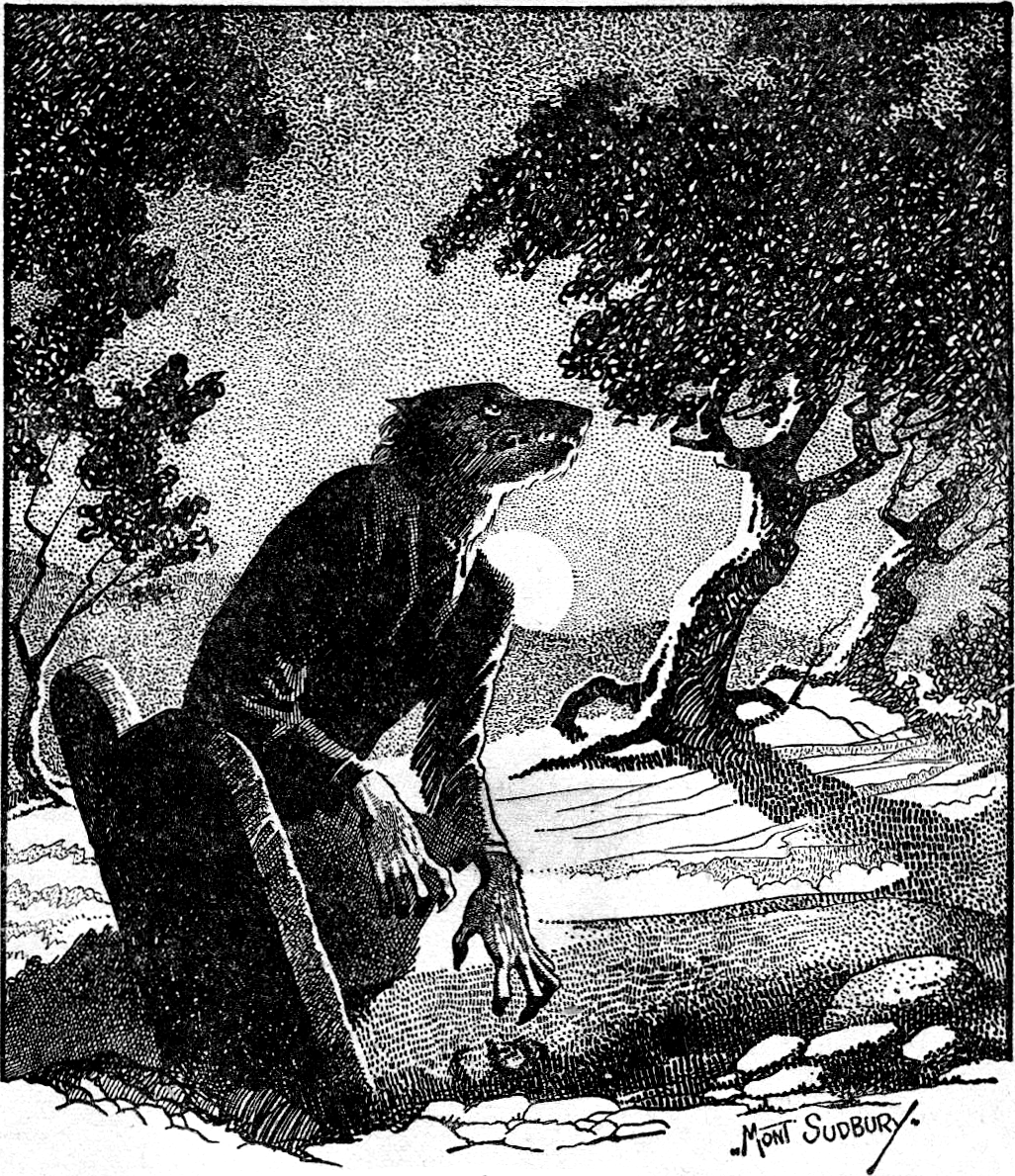 🇫🇷 France and 5 moreWerewolf
A mythical shapeshifter that turns into a wolf, central to European witch-hunts and Gothic horror.Being · Cursing and harm · Wonder and entertainment Legendary
🇬🇧 United KingdomGreen Children of Woolpit
A medieval English legend about two green-skinned siblings who appeared in a Suffolk village.Figure · Wonder and entertainment Legendary
🇫🇷 France and 5 moreWerewolf
A mythical shapeshifter that turns into a wolf, central to European witch-hunts and Gothic horror.Being · Cursing and harm · Wonder and entertainment Legendary
🇬🇧 United KingdomGreen Children of Woolpit
A medieval English legend about two green-skinned siblings who appeared in a Suffolk village.Figure · Wonder and entertainment Legendary