
Loveland frog
A legendary humanoid creature sighted in Ohio, often linked to urban folklore and local tourism.
The Loveland frog is a mythical being from American folklore reported in Loveland, Ohio. It is described as a small, bipedal creature with leathery skin that was allegedly seen by drivers and police officers starting in the mid-twentieth century.
- Sightings began in 1955 with a driver near Branch Hill.
- A police officer shot a creature in 1972 that was an iguana.
- The frog became the official city mascot in 2023.
- It is also known as the Loveland frogman or lizard.
- Featured in novels, musicals, and documentary films.
What it is
The Loveland frog is a legendary figure in American folklore, often categorized as a cryptid or mythical creature. Residents and visitors of Loveland, Ohio, know it as a strange, humanoid animal that stands on two legs. The creature is typically described as being between three and four feet tall with rough, leathery skin and a face resembling that of a frog. Some accounts add that it carries a wand that emits sparks. While not part of any organized religion, it serves as a prominent piece of local myth and cultural identity.
Where it comes from
The legend began with an alleged sighting in 1955. A businessman or traveling salesman driving late at night reportedly saw three of these figures standing by the road near the Branch Hill neighborhood. The story gained significant traction in 1972 when a local police officer claimed to encounter the animal. Another sighting occurred in 2016, which prompted a revisit of the original 1972 incident where a second officer had shot and killed a creature he believed to be the frogman.
How it is done
Encounters are usually described as accidental meetings on roads at night. In the most famous account, a police officer driving near the Little Miami River saw an animal scurry across his path. The creature crouched like a frog before standing upright to climb over a guardrail. In another version, a driver spotted the beings beneath a poorly lit bridge. These sightings are treated as spontaneous events rather than rituals performed by practitioners.
Loveland frog, drawn and placed
- Living
- Revived
- Fading
- Historical
- Legendary
- Performed
- Lineage
- American folklore
What it is for
The creature does not serve a functional purpose in magic or healing. Instead, it exists as a subject of curiosity and entertainment. Over time, the legend has been used for commercial and artistic purposes. In 2023, the city adopted the frog as its official mascot, dressing it as a 'frog prince' for local festivals. It also appears in fiction, including novels, musicals, and films, serving as a source of wonder rather than spiritual guidance.
Who does it
No specific group practices rituals involving the Loveland frog. The primary figures associated with the legend are the witnesses who reported seeing it, such as the 1955 driver and the 1972 police officers. Scholars and skeptics analyze the stories as examples of urban legends. The police officers involved later clarified that the creature they found was likely a pet iguana that had lost its tail, suggesting the sightings were misidentifications of ordinary animals.
Peoples and places
The legend is specific to the United States, particularly the town of Loveland in Ohio. It is a staple of American urban folklore, similar to tales of Bigfoot. The story has spread beyond the local area through media coverage and pop culture references. While it originated as a local mystery, it has become a broader cultural touchstone for those interested in cryptids and strange phenomena, though it remains firmly rooted in its Ohio origins.
At a glance: who, where and when
Peoples

What people believe
Belief in the Loveland frog varies widely. Some people accept the eyewitness accounts as evidence of a real, unknown species. Others view the stories as hoaxes or misunderstandings. The police officer who shot the animal identified it as an iguana, casting doubt on the supernatural claims. Despite this, the legend persists as a beloved local myth, with many residents embracing it as part of their community's unique history without necessarily believing in its literal existence.
When it is done
There are no specific religious holidays or seasonal times tied to the Loveland frog. Sightings have been reported throughout the year, with notable incidents occurring in May 1955 and March 1972. The creature is now featured annually during the city's Hearts Afire Weekend celebration, where it appears as a costumed mascot. This modern commemoration transforms the legend into a festive event rather than a seasonal ritual.
How scholars and sceptics see it
Anthropologists and folklorists study the Loveland frog as a case of modern mythology. They examine how the story evolved from a single sighting to a complex narrative involving multiple witnesses and police reports. Skeptics point to the iguana explanation as a rational alternative to the supernatural interpretation. The legend is often compared to other cryptid stories like Bigfoot, highlighting common patterns in how communities create and share mysterious tales.
Cautions and what is closed
The legend itself poses no physical danger, but it has occasionally led to confusion or unnecessary harm. In 1972, an iguana was killed because it was mistaken for the frogman, illustrating the potential for misunderstanding. There are no known health risks or legal issues associated with the legend. However, the story has been used in fictional horror contexts, which may cause unease for some viewers. The city has embraced the frog positively, turning a potentially scary tale into a friendly symbol.
Compare and confuse
The Loveland frog is often compared to other American cryptids like Bigfoot or the Mothman. Like these creatures, it is a humanoid figure reported in specific locations. Unlike traditional spirits, it lacks a deep religious or historical background. It is distinct from the Loveland Lizard, which is sometimes used interchangeably but refers to the same entity. The legend shares similarities with European frog-kings but is grounded in modern American roadside encounters.
Questions people ask about Loveland frog
What is the Loveland frog?
It is a legendary humanoid creature from American folklore, said to stand about four feet tall with leathery skin. It is primarily associated with the city of Loveland, Ohio, and is considered a cryptid or urban legend.
Where did the legend originate?
The legend started in 1955 when a traveler reported seeing three frog-like figures by a road. It gained fame in 1972 after a police officer encountered a similar animal, though it was later identified as a tailless iguana.
Is the Loveland frog real?
Most experts believe it is a myth or a misidentification of animals like iguanas. The creature is celebrated as a local mascot and cultural icon rather than a biological reality.
How is the Loveland frog used today?
Since 2023, it serves as the official mascot of Loveland, appearing at city events like Hearts Afire Weekend. It also features in various works of fiction and local arts.
Good reading and sources
- Loveland frog on WikipediaEncyclopedia
- More photos on Wikimedia CommonsPhotos and video
- Wikidata recordOpen data
The facts on this page come from the Wikipedia article "Loveland frog", written by its contributors and used under the CC BY-SA 4.0 licence, and from its Wikidata record (CC0). EveryJaadu rewrote the text in its own words, with AI assistance, and compares every page with the article to make sure no passage is copied. It may be reused under the same CC BY-SA 4.0 licence with a link back.
It may contain mistakes. Names and customs differ from one community to the next, and some knowledge is closed to outsiders and left out here. This page describes belief and practice. It does not say that any of it works, it is not a how-to, and it is not medical advice. If something is wrong, tell us. Last refreshed 2026-10-06.
More from the United States
All the entries from the United States 🇺🇸 United States and 1 moreMarie Laveau
A New Orleans priestess and herbalist who led Louisiana Voodoo in the nineteenth centuryTradition · Healing · Protection Historical
🇺🇸 United States and 1 moreMarie Laveau
A New Orleans priestess and herbalist who led Louisiana Voodoo in the nineteenth centuryTradition · Healing · Protection Historical
 🇺🇸 United StatesCotton Mather
A Puritan minister and writer known for his role in the Salem witch trials and promotion of smallpox inoculationFigure Historical
🇺🇸 United StatesRed Ghost
A legendary red camel with a skeleton rider from Arizona frontier folkloreFigure · Wonder and entertainment Legendary
🇺🇸 United StatesCotton Mather
A Puritan minister and writer known for his role in the Salem witch trials and promotion of smallpox inoculationFigure Historical
🇺🇸 United StatesRed Ghost
A legendary red camel with a skeleton rider from Arizona frontier folkloreFigure · Wonder and entertainment Legendary
 🇺🇸 United States and 1 moreBigfoot
A large, hairy humanoid creature of North American folklore and cryptozoologyFigure · Wonder and entertainment Legendary
🇺🇸 United States and 1 moreBigfoot
A large, hairy humanoid creature of North American folklore and cryptozoologyFigure · Wonder and entertainment Legendary
Related elsewhere
All figure 🇬🇧 United Kingdom and 2 moreKing ArthurBrenin Arthur
A legendary British king and folk hero of medieval literature and Welsh mythologyFigure · Power and authority · Wonder and entertainment Legendary
🇬🇧 United Kingdom and 2 moreKing ArthurBrenin Arthur
A legendary British king and folk hero of medieval literature and Welsh mythologyFigure · Power and authority · Wonder and entertainment Legendary
 🇪🇬 Egypt and 1 moreSphinx
A mythical hybrid with a human head and lion body, serving as guardian or riddler in Egyptian and Greek traditions.Being · Protection · Wonder and entertainment Legendary
🇪🇬 Egypt and 1 moreSphinx
A mythical hybrid with a human head and lion body, serving as guardian or riddler in Egyptian and Greek traditions.Being · Protection · Wonder and entertainment Legendary
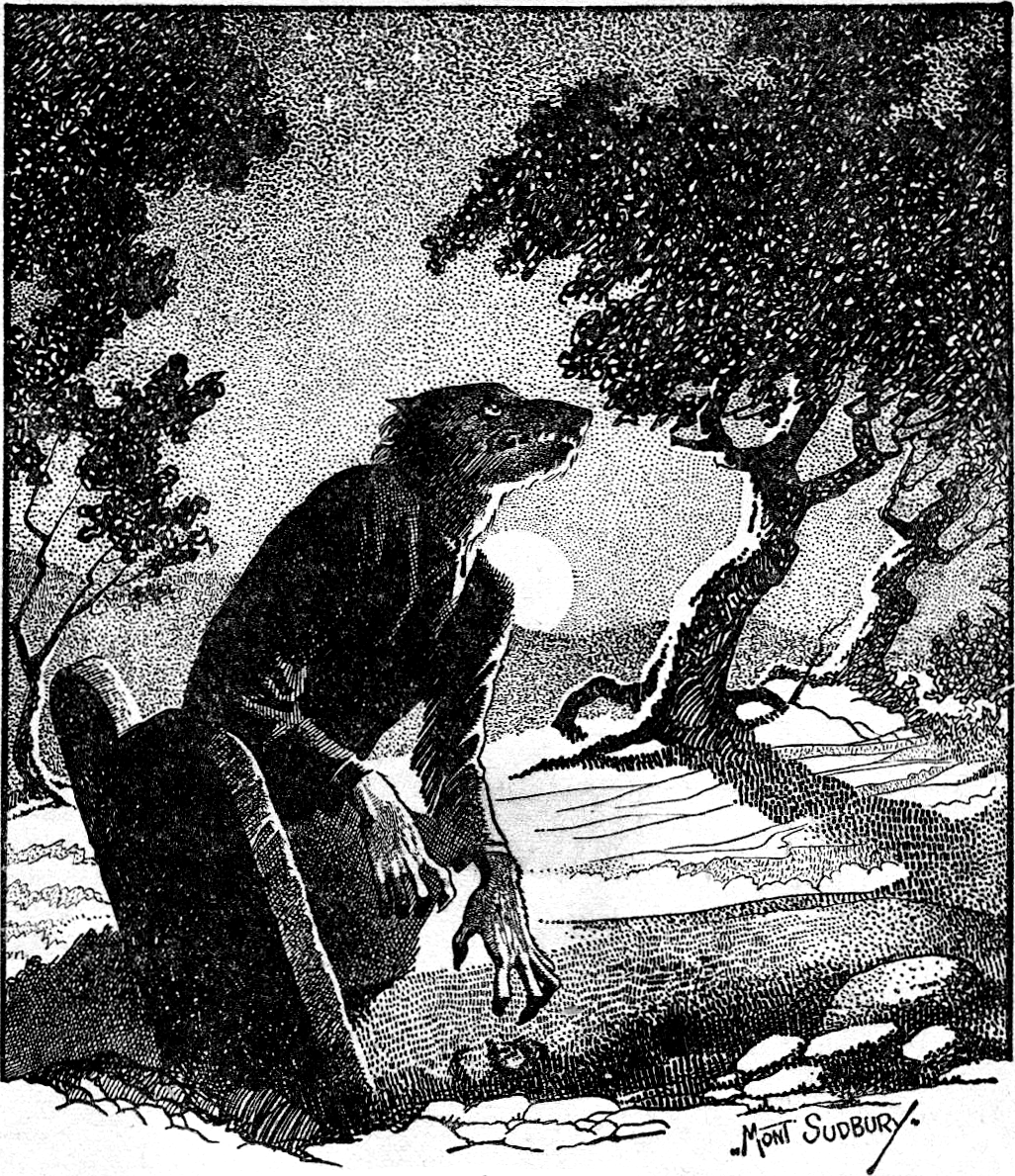 🇫🇷 France and 5 moreWerewolf
A mythical shapeshifter that turns into a wolf, central to European witch-hunts and Gothic horror.Being · Cursing and harm · Wonder and entertainment Legendary
🇫🇷 France and 5 moreWerewolf
A mythical shapeshifter that turns into a wolf, central to European witch-hunts and Gothic horror.Being · Cursing and harm · Wonder and entertainment Legendary
 🇬🇧 United KingdomBeltane Fire Festival
A modern Edinburgh performance celebrating the start of summer with fire and danceRite · Wonder and entertainment · Power and authority Living
🇬🇧 United KingdomBeltane Fire Festival
A modern Edinburgh performance celebrating the start of summer with fire and danceRite · Wonder and entertainment · Power and authority Living