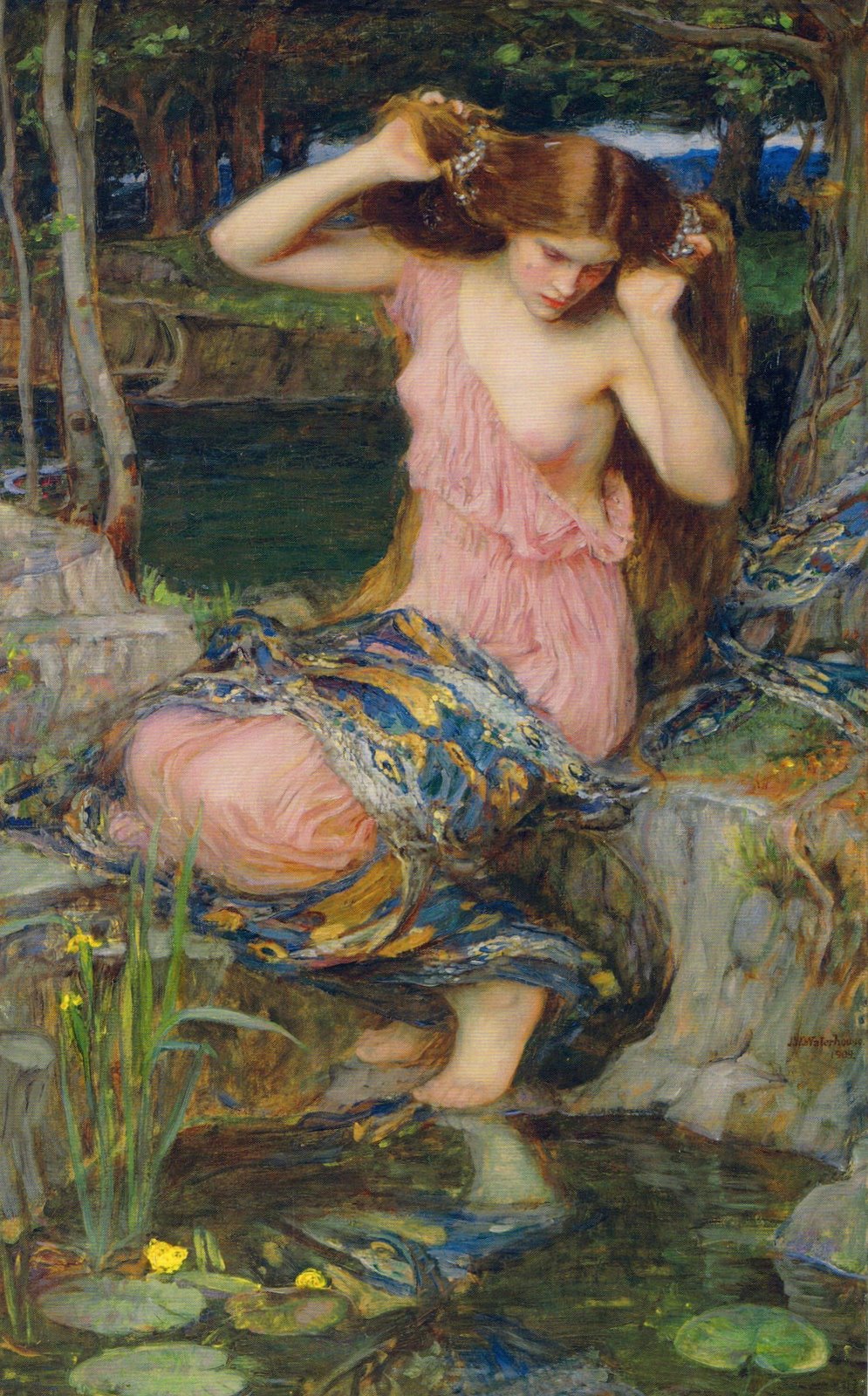
Anjana
In its own language: anˈhana / an.xa.nɜ
from jana, a medieval term for witches
Cantabrian fairies who protect forests and bring gifts to children.
The Anjana are benevolent fairy figures from Cantabrian folklore. They are described as small, winged women who guard the woods, heal nature, and leave presents for kind people. Some traditions view them as divine messengers, while others see them as tree spirits.
- Name derives from medieval word for witches.
- Small, winged women with changing colored sticks.
- Dance on spring equinox scattering magical roses.
- Bring gifts to children on January 5 night.
- Oppose the cruel giant Ojáncanu.
What it is
The Anjana are well-known female fairies in the folklore of Cantabria. These creatures are generally portrayed as generous and protective. They stand in opposition to the cruel giant Ojáncanu. Their appearance is often compared to other regional spirits like the Asturian xanas or Basque lamias. They are small, delicate beings with wings and bright eyes. Stories describe them as helpers to humans and nature alike.
Where it comes from
The name comes from jana, an old word for witches used in the Middle Ages. Oral traditions offer different views on their origin. Some believe they are heavenly beings sent by God to perform good deeds before returning to heaven after four hundred years. Others consider them to be spirits of trees that watch over the forests. There is no single agreed-upon origin story.
How it is done
They are said to walk through forest trails and rest near springs. They can communicate with flowing water. They assist injured animals, damaged trees, lost travelers, and the poor. When visiting villages, they place gifts at the doors of kind people. If summoned by someone with a pure heart, they accept the request. Wicked individuals face punishment instead.
Tools and materials
They carry a stick made of wicker or hawthorn that changes color each day of the week. They wear long black or golden braids decorated with colorful silk bows. A crown of wild flowers sits on their head. Their clothing includes a blue cape over a white tunic. Their wings are nearly transparent.
Anjana, drawn and placed
- Living
- Revived
- Fading
- Historical
- Legendary
- Performed
- Lineage
- Cantabrian mythology
- Timing
- night of January 5, spring equinox
What it is for
They exist to protect the vulnerable and maintain balance in nature. They help those who suffer or lose their way. They reward kindness with gifts. They also serve as a moral check by punishing evil deeds. Their presence brings luck and happiness, especially during specific seasonal events.
Who does it
No specific group performs rituals for them today. Scholars study these figures as part of Cantabrian cultural heritage. The stories are passed down through oral tradition. Researchers examine how these myths reflect local values and environmental connections.
Peoples and places
These fairies belong to the mythology of Cantabria in northern Spain. Similar figures exist in neighboring regions like Asturias and the Basque Country. Each region has its own variations, such as the Hechiceras del Ebro or Mozas del Agua. The Cantabrian versions are distinct in their gentle nature and specific physical descriptions.
At a glance: who, where and when
Who does it
Peoples
Belief worlds
Occasions
What people believe
Beliefs vary between divine origin and natural spirithood. Some hold they are messengers of God. Others see them as ancient tree guardians. The stories emphasize their connection to the land and water. They represent a force for good in a world that also contains dangerous entities like Ojáncanu.
When it is done
They appear on the night of January 5 to bring toys to children, especially in poor families. This happens every four years in some areas. During the spring equinox, they gather on fells to dance until dawn. They scatter special roses during this celebration. Finding one of these colored roses promises lifelong happiness.
How scholars and sceptics see it
Anthropologists view the Anjana as part of a broader European fairy tradition. Historians note the linguistic link to medieval witch terminology. Psychologists might interpret them as symbols of nurturing and protection. Sceptics regard them as fictional characters created to explain natural phenomena or enforce social morals.
Cautions and what is closed
The texts do not mention specific harms or frauds associated with these figures. However, summoning them requires a good heart. Evil intentions lead to punishment rather than aid. The stories serve as moral lessons about kindness and respect for nature.
Compare and confuse
They are similar to the xanas of Asturias and lamias of the Basque Country. Unlike some zoomorphic spirits, Cantabrian Anjana lack animal features. They share traits with other benevolent European fairies but have unique local customs regarding gift-giving and seasonal dances.
Days linked to Anjana
Questions people ask about Anjana
What are Anjana?
They are benevolent fairies from Cantabrian mythology. They are small, winged women who protect forests and help kind people. They oppose evil forces like the giant Ojáncanu.
Where do they come from?
They originate from the folklore of Cantabria in northern Spain. Their name links to an old word for witches. Traditions say they are either tree spirits or heavenly beings.
What do they give people?
They leave gifts at the doors of helpful people. On January 5, they bring toys to children. During spring equinox, they scatter roses that promise happiness to anyone who finds one.
How are they described?
They are tiny, with white skin and bright eyes. They wear blue capes and flower crowns. Their hair is in long braids with ribbons. They carry a magic stick that changes color daily.
Good reading and sources
The facts on this page come from the Wikipedia article "Anjana (Cantabrian mythology)", written by its contributors and used under the CC BY-SA 4.0 licence, and from its Wikidata record (CC0). EveryJaadu rewrote the text in its own words, with AI assistance, and compares every page with the article to make sure no passage is copied. It may be reused under the same CC BY-SA 4.0 licence with a link back.
It may contain mistakes. Names and customs differ from one community to the next, and some knowledge is closed to outsiders and left out here. This page describes belief and practice. It does not say that any of it works, it is not a how-to, and it is not medical advice. If something is wrong, tell us. Last refreshed 2026-10-06.
More from Spain
All the entries from Spain 🇪🇸 Spain and 5 moreDuende
A humanoid spirit of Iberian and Latin American folklore, ranging from household pranksters to forest guardians.Being · Protection · Cursing and harm Living
🇪🇸 Spain and 5 moreDuende
A humanoid spirit of Iberian and Latin American folklore, ranging from household pranksters to forest guardians.Being · Protection · Cursing and harm Living
 🇮🇹 Italy and 1 moreCupidCupīdō
A Roman deity of desire and erotic love, often depicted with a bow and arrow.Being · Love and attraction · Cursing and harm Legendary
🇮🇹 Italy and 1 moreCupidCupīdō
A Roman deity of desire and erotic love, often depicted with a bow and arrow.Being · Love and attraction · Cursing and harm Legendary
 🇯🇵 Japan and 4 moreHousehold deity
A spirit or minor god believed to guard a home and its family members.Being · Protection · Speaking with spirits and the dead Historical
🇯🇵 Japan and 4 moreHousehold deity
A spirit or minor god believed to guard a home and its family members.Being · Protection · Speaking with spirits and the dead Historical
 🇪🇸 SpainBasajaun
A hairy forest lord of Basque myth who protects livestock and teaches human skillsBeing · Protection · Power and authority Legendary
🇪🇸 SpainBasajaun
A hairy forest lord of Basque myth who protects livestock and teaches human skillsBeing · Protection · Power and authority Legendary
Related elsewhere
All being 🇪🇬 Egypt and 1 moreSphinx
A mythical hybrid with a human head and lion body, serving as guardian or riddler in Egyptian and Greek traditions.Being · Protection · Wonder and entertainment Legendary
🇪🇬 Egypt and 1 moreSphinx
A mythical hybrid with a human head and lion body, serving as guardian or riddler in Egyptian and Greek traditions.Being · Protection · Wonder and entertainment Legendary
 🇪🇬 Egypt and 3 moreAmulet
A portable object worn or carried to ward off harm and invite fortuneCharm · Protection · Luck and prosperity Living
🇪🇬 Egypt and 3 moreAmulet
A portable object worn or carried to ward off harm and invite fortuneCharm · Protection · Luck and prosperity Living
 🇨🇳 China and 3 moreChinese dragon龍
A legendary water deity and imperial symbol in East Asian cultureBeing · Protection · Luck and prosperity Historical
🇨🇳 China and 4 moreKitchen God灶君
The Chinese hearth deity who reports domestic conduct to the Jade EmperorBeing · Protection · Luck and prosperity Living
🇨🇳 China and 3 moreChinese dragon龍
A legendary water deity and imperial symbol in East Asian cultureBeing · Protection · Luck and prosperity Historical
🇨🇳 China and 4 moreKitchen God灶君
The Chinese hearth deity who reports domestic conduct to the Jade EmperorBeing · Protection · Luck and prosperity Living