
Noppera-bō
In its own language: のっぺらぼう
from nopperi meaning flat-faced
A faceless spirit from Japanese folklore that mimics human appearance
The noppera-bō is a yōkai in Japan known for appearing as a person with a blank, featureless face. It frightens victims by vanishing its features after initial contact. The creature is often linked to shapeshifting animals like the tanuki or kitsune.
- The noppera-bō has a blank, featureless face.
- It is a yōkai from Japanese folklore.
- Lafcadio Hearn wrote a famous story about it.
- The spirit is often blamed on shapeshifters.
- Victims flee and tell others who also lose faces.
What it is
The noppera-bō is a supernatural entity in Japanese folklore classified as a yōkai. It appears as an ordinary human being but possesses no facial features. When observed closely, its eyes, nose, and mouth vanish, leaving a smooth, blank surface. This phenomenon causes intense fear in witnesses. The creature is generally harmless beyond this psychological terror. It does not attack physically but relies on visual shock to unsettle people.
Where it comes from
Stories about these beings appear in various historical texts. An eighteenth-century work uses the variant name nupperibō. Older records may not explicitly name the entity. Lafcadio Hearn popularized the motif in his 1904 story Mujina. His narrative set in Edo features a faceless woman and a noodle vendor. Scholars debate whether Hearn invented elements or adapted existing tales. Some regional stories predate his publication.
How it is done
The encounter typically begins with the spirit looking normal. It might impersonate someone familiar to the victim. After interaction, the face disappears. Witnesses often flee to tell others. The listener then reveals their own blank face. This pattern is called saido no kai or recurrent spooking. The double scare amplifies the horror. The spirit remains passive during the reveal.
Tools and materials
No specific tools are used. The entity relies on its natural form. Sometimes it is described as having hair attached to clothing of victims. This suggests a furry beast disguise. The blank face is compared to an egg or a white gourd. These comparisons highlight the smooth texture.
Noppera-bō, drawn and placed
- Living
- Revived
- Fading
- Historical
- Legendary
- Performed
- Lineage
- Japanese yōkai tradition
What it is for
The primary goal is to frighten humans. It serves as a cautionary figure in folktales. People blame the spirit for sudden fear or confusion. It is sometimes viewed as a trick played by animals. Shapeshifters like the mujina or foxes use this form. The spirit tests the courage of travelers.
Who does it
There are no dedicated practitioners. The entity is encountered by random individuals. Travelers, merchants, and locals have reported sightings. Victims are usually ordinary people. They react with flight or shock. No training is required to encounter it.
Peoples and places
The legend is widespread across Japan. Stories originate from Kyoto, Edo, and Osaka. Regional variations exist in Aomori and Kumamoto. In Aomori, the spirit is called zunberabō. In Kumamoto, it appears as Jūbakobaba. Different areas assign different animal culprits. Some blame tanuki, others blame kitsune.
At a glance: who, where and when
Peoples
Belief worlds


What people believe
The belief system links the spirit to shapeshifting beasts. Animals like the badger or raccoon dog can mimic humans. The blank face represents a failed transformation. Some scholars suggest the tale was influenced by Chinese literature. Classical texts contain similar faceless figures. The motif reflects fears of identity loss.
When it is done
Encounters happen at any time. Many stories occur at night. Travelers on roads report sightings. Specific locations like bridges or hills are mentioned. The spirit does not follow a seasonal calendar. It appears when conditions allow for isolation.
How scholars and sceptics see it
Researchers analyze the recurrent spooking motif. Masaru Tōda argues Hearn improvised the double scare. He notes earlier tales used the motif with ogres. Minakata Kumagusu saw similarities to older texts. Chinese classical literature provides parallels. Scholars distinguish the noppera-bō from the nuppeppō. The latter has a face on its torso.
Cautions and what is closed
The spirit causes mental distress. Witnesses may suffer from panic. There is no physical danger reported. However, the fear can be overwhelming. Some tales involve fatal outcomes due to shock. The legend warns of deceptive appearances.
Compare and confuse
The noppera-bō is similar to other faceless spirits. The nuppeppō has a face on its body. The shirobōzu is a bald priest subtype. The kuroobozu has only a mouth. Chinese tales feature white-faced ghosts. These entities share the theme of missing features.
Questions people ask about Noppera-bō
What is a noppera-bō?
It is a faceless yōkai from Japanese folklore. It looks human but lacks eyes, nose, and mouth. Witnesses see a smooth, blank face.
Where does the legend come from?
The legend originates in Japan. Stories appear in historical texts from Kyoto and Edo. Lafcadio Hearn popularized it in the nineteenth century.
Is it dangerous?
It is usually harmless physically. Its purpose is to frighten people. The terror comes from the sudden loss of facial features.
Who creates the noppera-bō?
Folklore blames shapeshifting animals. Tanuki, kitsune, or mujina are often cited. They use the faceless form to trick humans.
Good reading and sources
The facts on this page come from the Wikipedia article "Noppera-bō", written by its contributors and used under the CC BY-SA 4.0 licence, and from its Wikidata record (CC0). EveryJaadu rewrote the text in its own words, with AI assistance, and compares every page with the article to make sure no passage is copied. It may be reused under the same CC BY-SA 4.0 licence with a link back.
It may contain mistakes. Names and customs differ from one community to the next, and some knowledge is closed to outsiders and left out here. This page describes belief and practice. It does not say that any of it works, it is not a how-to, and it is not medical advice. If something is wrong, tell us. Last refreshed 2026-10-05.
More from Japan
All the entries from Japan 🇨🇳 China and 3 moreChinese dragon龍
A legendary water deity and imperial symbol in East Asian cultureBeing · Protection · Luck and prosperity Historical
🇨🇳 China and 3 moreChinese dragon龍
A legendary water deity and imperial symbol in East Asian cultureBeing · Protection · Luck and prosperity Historical
 🇯🇵 JapanOni鬼(おに)
A horned demon of Japanese folklore known for strength and evil deedsBeing · Cursing and harm · Luck and prosperity Legendary
🇯🇵 JapanOni鬼(おに)
A horned demon of Japanese folklore known for strength and evil deedsBeing · Cursing and harm · Luck and prosperity Legendary
 🇯🇵 JapanBaku獏
A Japanese spirit said to eat bad dreams and protect sleepersBeing · Protection Living
🇯🇵 JapanKuda-gitsune管狐 (kuda-gitsune)
A small spirit kept in a tube or sleeve to aid fortune-telling and cursing in Japanese folklore.Being · Seeing and foretelling · Cursing and harm Legendary
🇯🇵 JapanBaku獏
A Japanese spirit said to eat bad dreams and protect sleepersBeing · Protection Living
🇯🇵 JapanKuda-gitsune管狐 (kuda-gitsune)
A small spirit kept in a tube or sleeve to aid fortune-telling and cursing in Japanese folklore.Being · Seeing and foretelling · Cursing and harm Legendary
Related elsewhere
All being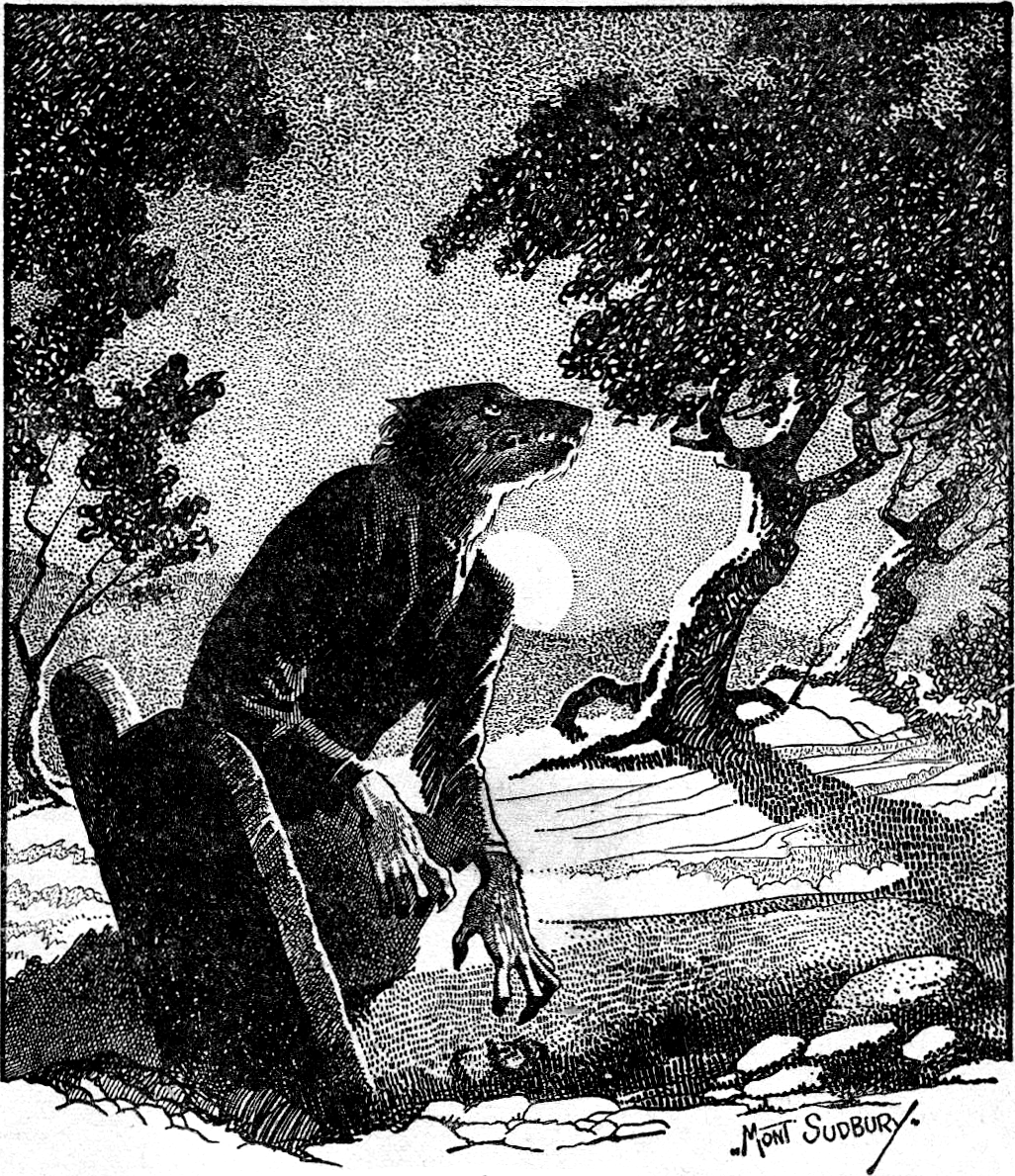 🇫🇷 France and 5 moreWerewolf
A mythical shapeshifter that turns into a wolf, central to European witch-hunts and Gothic horror.Being · Cursing and harm · Wonder and entertainment Legendary
🇫🇷 France and 5 moreWerewolf
A mythical shapeshifter that turns into a wolf, central to European witch-hunts and Gothic horror.Being · Cursing and harm · Wonder and entertainment Legendary
 🇬🇧 United Kingdom and 1 moreBlue men of the Minchna fir ghorma
Mythical blue-skinned spirits of the Scottish strait who challenge sailors to poetry contestsBeing · Cursing and harm · Wonder and entertainment Legendary
🇬🇧 United Kingdom and 1 moreBlue men of the Minchna fir ghorma
Mythical blue-skinned spirits of the Scottish strait who challenge sailors to poetry contestsBeing · Cursing and harm · Wonder and entertainment Legendary
 🇩🇪 Germany and 5 moreStraw bearStrohbär
A carnival figure wrapped in straw that visits homes for gifts and marks the turning of seasons.Tradition · Luck and prosperity · Cursing and harm Living
🇩🇪 Germany and 5 moreStraw bearStrohbär
A carnival figure wrapped in straw that visits homes for gifts and marks the turning of seasons.Tradition · Luck and prosperity · Cursing and harm Living
 🇮🇩 IndonesiaRangdaᬭᬗ᭄ᬤ
A Balinese demon queen who leads witches in an eternal battle against good.Figure · Cursing and harm · Wonder and entertainment Legendary
🇮🇩 IndonesiaRangdaᬭᬗ᭄ᬤ
A Balinese demon queen who leads witches in an eternal battle against good.Figure · Cursing and harm · Wonder and entertainment Legendary