
Mokele-mbembe
In its own language: mokèlé-mbèmbé
A water-dwelling legend from Central Africa, often linked to sauropods or rhinos.
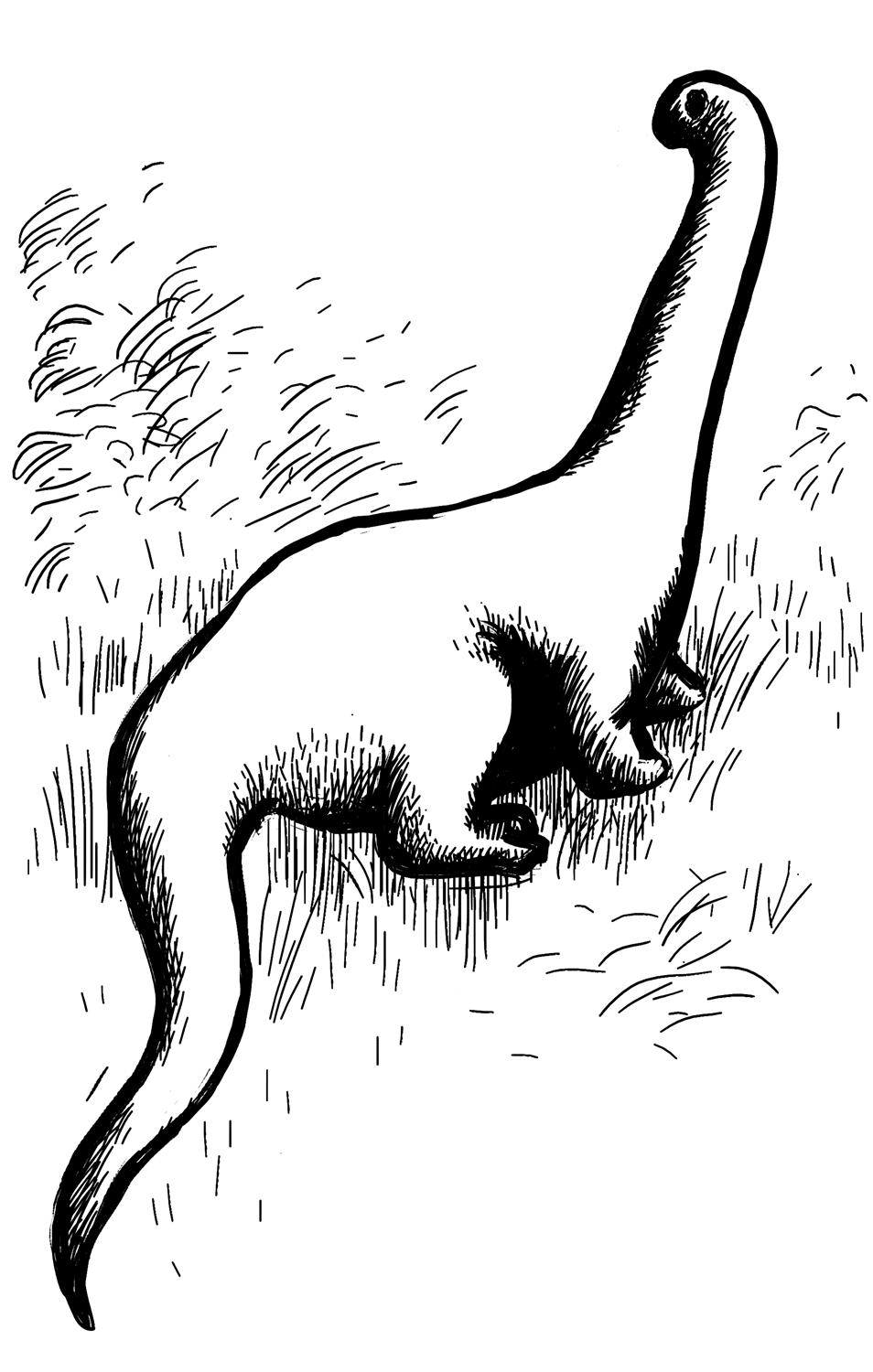
Mokele-mbembe is a cryptid from Bantu mythology said to inhabit the Congo River Basin. It is described as a large reptilian creature, sometimes compared to a sauropod dinosaur or a black rhinoceros. The legend has attracted cryptozoologists and creationists seeking evidence against evolutionary theory.
- First reported by German officer Ludwig von Stein in 1913.
- Often described as a sauropod-like dinosaur.
- Roy Mackal led major expeditions in the 1980s.
- Experts attribute the legend to black rhinoceros memories.
- Used by young Earth creationists to challenge evolution.
What it is
Mokele-mbembe is a mythical creature from Bantu traditions. People in the Congo Basin believe it lives in the water. Descriptions vary widely. Some say it is a spirit. Others call it a reptile. Many compare it to extinct sauropod dinosaurs. Reports mention a large body, long neck, and tail. The creature is often seen as herbivorous. It is not considered a real animal by most scientists. The legend persists through oral stories and modern expeditions.
Where it comes from
The first written report appeared in 1913. German officer Ludwig von Stein recorded local tales. He noted the creature attacked canoes but did not eat crews. Earlier accounts exist too. Paul Gratz wrote about a similar beast called nsanga in 1911. Alfred Smith mentioned jago-nini in Gabon decades earlier. These stories likely influenced later interpretations. Western interest grew after Carl Hagenbeck published ideas in 1909. He suggested sauropods might still exist. This sparked media attention in Europe and America.
How it is done
No ritual method exists for this being. It is an object of search rather than practice. Expeditions have visited the Congo Basin since the early twentieth century. Researchers interview locals for sightings. They look for tracks or physical signs. Most searches yield no proof. Eyewitness accounts describe reddish-brown skin and three-clawed feet. Some reports mention a frill on the neck. No physical evidence like bones or skins has been confirmed.
Tools and materials
Searchers rely on interviews and observation. Cameras and recording devices are used. DNA sampling was attempted in recent years. Local guides provide knowledge of the terrain. Tools include boats for river travel. Researchers examine plant remains near suspected paths. No specific magical tools are associated with the creature itself.
Mokele-mbembe, drawn and placed
- Living
- Revived
- Fading
- Historical
- Legendary
- Performed
- Lineage
- Bantu mythology
What it is for
The legend serves as a subject of curiosity. Cryptozoologists seek it to challenge scientific consensus. Young Earth creationists use it to dispute evolution. For locals, it may explain unidentifiable animals. The black rhinoceros once lived in the region. Experts think the myth stems from memories of rhinos. The creature represents a gap in known wildlife.
Who does it
Scholars and explorers study the legend. Roy Mackal led major expeditions in the 1980s. He was a microbiologist, not a zoologist. His work popularized the modern view. Critics note he accepted eyewitness claims uncritically. Creationist ministers also fund searches. Wildlife biologists generally ignore the quest. Local communities hold the traditional knowledge.
Peoples and places
The legend belongs to Bantu cultures. It is central to Congolese folklore. Pygmy groups like the Biaka and Aka share stories. They identify the creature as a rhino in some contexts. Similar beasts appear in Cameroon and Gabon. The emela-ntouka of the Congo shares traits. Stories spread through oral tradition. Western media amplified the legend significantly.
At a glance: who, where and when
What people believe
Believers hold that a large amphibious dragon survives. Some see it as a half-elephant, half-dragon hybrid. The creature is thought to be gentle but dangerous to boats. It eats plants found along riverbanks. Skeptics argue the story mixes rhino memories with dinosaur fantasies. Historians link it to pseudohistorical claims about Great Zimbabwe. The reptilian conspiracy theory later borrowed elements from it.
When it is done
No specific festivals mark the creature. Sightings occur randomly. Expeditions happen when funding allows. The legend is part of daily life in remote areas. It explains unexplained events or sounds. No seasonal cycle governs its appearance.
How scholars and sceptics see it
Paleontologist Donald Prothero criticizes the search. He says it supports creationist agendas. He notes no wildlife biologist pursues it. Ben Radford traces the myth to Hagenbeck's book. He calls it a distillation of varied stories. Scientists doubt the existence due to lack of evidence. Satellite surveys show no large sauropods. The black rhino explanation is widely accepted.
Cautions and what is closed
Expeditions face risks in dense jungle. Fraudulent photos and films have been reported. One film did not develop properly. Another claimed photo showed a log. Creators may exaggerate for attention or money. Denial of knowledge by locals is sometimes dismissed unfairly. The legend has no inherent danger beyond exploration hazards.
Compare and confuse
Mokele-mbembe is confused with other cryptids. The emela-ntouka shares many features. The nsanga of Lake Bangweulu is similar. Western media often labels such beasts as dinosaurs. The reptilian conspiracy theory draws from this myth. It differs from sea monsters like the Loch Ness Monster.
Questions people ask about Mokele-mbembe
What is Mokele-mbembe?
It is a legendary water-dwelling creature from Bantu mythology. People in the Congo Basin believe it exists. It is often described as a large reptile or dinosaur-like animal.
Where does the legend come from?
The legend originates in Central Africa. First written records date to 1913 in Cameroon. Similar stories exist in Gabon and the Republic of the Congo among local communities.
Is it a real animal?
Most scientists believe it is not real. The legend likely stems from memories of black rhinoceroses. No physical evidence like bones or skins has been found despite many searches.
Why do people search for it?
Cryptozoologists and young Earth creationists search for it. They hope to find evidence that challenges evolutionary theory. Some explorers seek fame or adventure in the jungle.
Good reading and sources
- Mokele-mbembe on WikipediaEncyclopedia
- More photos on Wikimedia CommonsPhotos and video
- Wikidata recordOpen data
The facts on this page come from the Wikipedia article "Mokele-mbembe", written by its contributors and used under the CC BY-SA 4.0 licence, and from its Wikidata record (CC0). EveryJaadu rewrote the text in its own words, with AI assistance, and compares every page with the article to make sure no passage is copied. It may be reused under the same CC BY-SA 4.0 licence with a link back.
It may contain mistakes. Names and customs differ from one community to the next, and some knowledge is closed to outsiders and left out here. This page describes belief and practice. It does not say that any of it works, it is not a how-to, and it is not medical advice. If something is wrong, tell us. Last refreshed 2026-10-05.
More from the Republic of the Congo
All the entries from the Republic of the Congo 🇨🇬 Republic of the CongoNkisi
Spirit containers and power figures from the Congo Basin used for justice and healingCharm · Protection · Healing Living
🇦🇴 Angola and 2 moreKongo religionBukongo
The animistic beliefs and ancestor veneration of the Bakongo people in Central AfricaTradition · Speaking with spirits and the dead · Protection Living
🇨🇬 Republic of the CongoNkisi
Spirit containers and power figures from the Congo Basin used for justice and healingCharm · Protection · Healing Living
🇦🇴 Angola and 2 moreKongo religionBukongo
The animistic beliefs and ancestor veneration of the Bakongo people in Central AfricaTradition · Speaking with spirits and the dead · Protection Living
 🇺🇸 United States and 5 moreMojo bag
A cloth pouch holding charms for protection, luck, or love in the Hoodoo tradition.Charm · Protection · Healing Living
🇺🇸 United States and 5 moreMojo bag
A cloth pouch holding charms for protection, luck, or love in the Hoodoo tradition.Charm · Protection · Healing Living
Related elsewhere
All being 🇬🇧 United Kingdom and 2 moreKing ArthurBrenin Arthur
A legendary British king and folk hero of medieval literature and Welsh mythologyFigure · Power and authority · Wonder and entertainment Legendary
🇬🇧 United Kingdom and 2 moreKing ArthurBrenin Arthur
A legendary British king and folk hero of medieval literature and Welsh mythologyFigure · Power and authority · Wonder and entertainment Legendary
 🇪🇬 Egypt and 1 moreSphinx
A mythical hybrid with a human head and lion body, serving as guardian or riddler in Egyptian and Greek traditions.Being · Protection · Wonder and entertainment Legendary
🇪🇬 Egypt and 1 moreSphinx
A mythical hybrid with a human head and lion body, serving as guardian or riddler in Egyptian and Greek traditions.Being · Protection · Wonder and entertainment Legendary
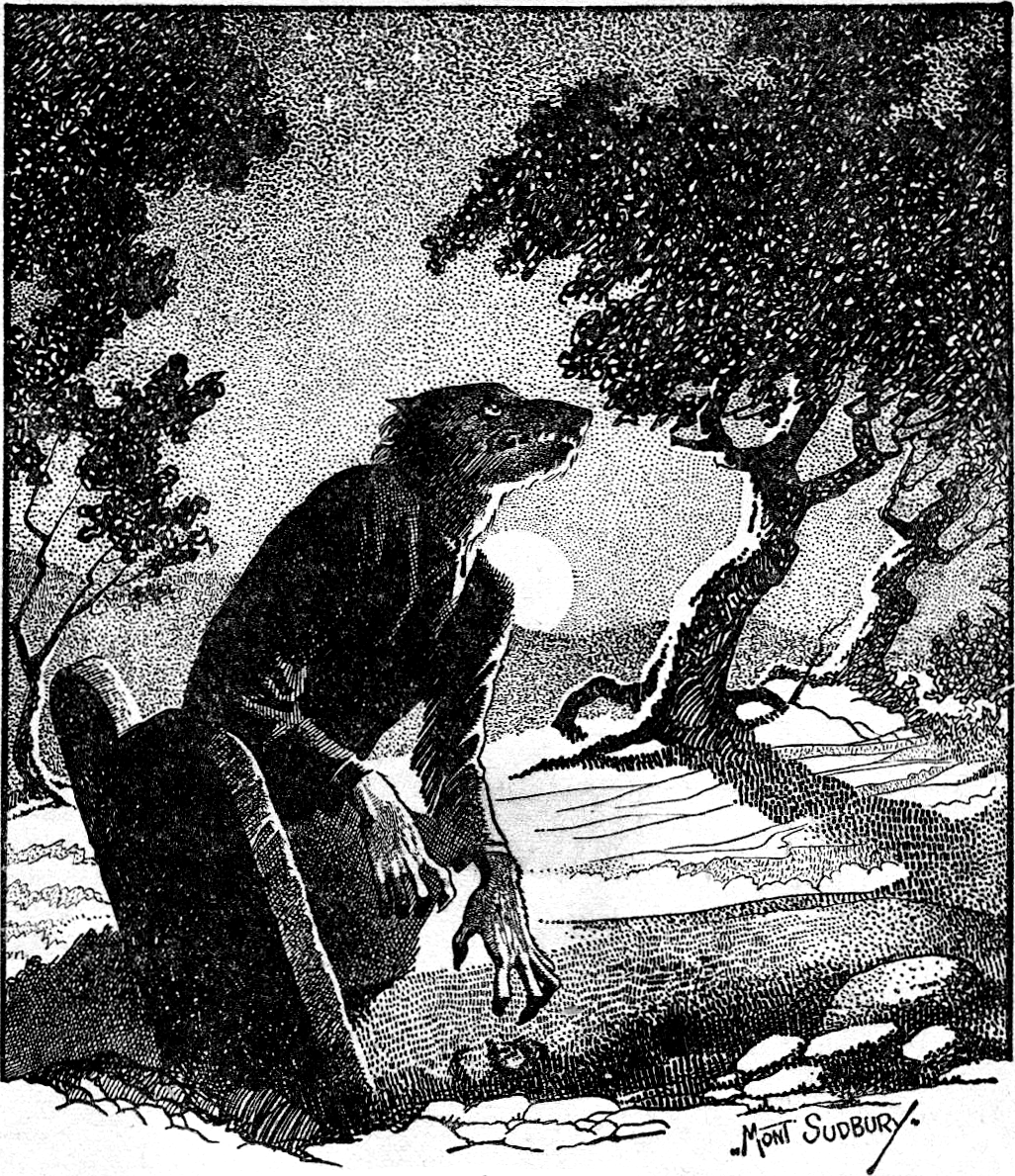 🇫🇷 France and 5 moreWerewolf
A mythical shapeshifter that turns into a wolf, central to European witch-hunts and Gothic horror.Being · Cursing and harm · Wonder and entertainment Legendary
🇫🇷 France and 5 moreWerewolf
A mythical shapeshifter that turns into a wolf, central to European witch-hunts and Gothic horror.Being · Cursing and harm · Wonder and entertainment Legendary
 🇬🇧 United KingdomBeltane Fire Festival
A modern Edinburgh performance celebrating the start of summer with fire and danceRite · Wonder and entertainment · Power and authority Living
🇬🇧 United KingdomBeltane Fire Festival
A modern Edinburgh performance celebrating the start of summer with fire and danceRite · Wonder and entertainment · Power and authority Living