
Paracelsus introduced these four types of nature spirits in the sixteenth century. They are invisible humanoids tied to specific natural forces and lack immortal souls.
- Paracelsus defined four elemental types in the 1500s.
- Gnomes, undines, sylphs, and salamanders link to earth, water, air, fire.
- Rosicrucians used sunlight and medicine to see them.
- Marriage with a human grants an elemental a soul.
- Chinese Buddhism and Jainism offer similar spiritual concepts.
What it is
An elemental is a supernatural creature from European occult texts. Paracelsus defined four kinds linked to classical elements. Gnomes live in earth. Undines dwell in water. Sylphs move through air. Salamanders reside in fire. These beings have physical bodies but remain hidden from humans. They eat and sleep like people. They lack an immortal soul. This concept expanded older folklore traditions into a new philosophical system.
Where it comes from
Paracelsus developed this theory in the sixteenth century. He did not use the word elemental itself. His ideas drew on ancient Greek myths and medieval philosophy. He built upon existing names for nature spirits. The homunculus shares similar roots in alchemy and folklore. Later writers popularized his specific classifications.
How it is done
Practitioners study these beings through texts. Rosicrucians used special preparations to see them. They cleaned their eyes with universal medicine. They exposed glass globes containing elements to sunlight. Initiated members claimed to see countless spirits afterward. Wiccans and nature religion followers may invoke them today.
Tools and materials
The four classical elements serve as the foundation. Earth represents gnomes. Water stands for undines. Air connects to sylphs. Fire defines salamanders. Glass vessels hold these materials during visions. Universal medicine aids spiritual sight. No physical charms are required for basic identification.
Elemental, drawn and placed
- Living
- Revived
- Fading
- Historical
- Legendary
- Performed
- Lineage
- Renaissance occultism
What it is for
These beings illustrate natural philosophy. They explain invisible forces in nature. Marriage between humans and elementals grants souls. This union creates immortal offspring. Rosicrucians vowed chastity to marry such spirits. The concept explores the boundary between matter and spirit.
Who does it
Scholars analyze historical occult manuscripts. Paracelsus wrote extensively about them. Heinrich Cornelius Agrippa listed similar spirits. Rosicrucian initiates sought direct vision. Modern practitioners include Wiccans. Training involves studying ancient texts or undergoing purification rituals.
Peoples and places
The concept originated in Europe. It spread through literary works. Chinese Buddhism associates directions with spirits. Jainism describes one-sensed beings. These Asian traditions share superficial similarities. Different cultures interpret nature spirits uniquely.
At a glance: who, where and when

What people believe
Elementals exist between creatures and spirits. They inhabit their specific chaos. A gnome survives in rock but drowns in water. Sylphs burn in fire and drown in liquid. They possess humanoid forms. They lack divine souls unless they marry humans. Their lifespan exceeds mortal limits.
When it is done
No specific festivals govern these beings. They appear in literature year-round. Romantic authors featured them frequently. Dryden and Pope referenced their lore. Nineteenth-century novels highlighted undines. Modern games adapt their elemental powers.
How scholars and sceptics see it
Anthropologists view them as mythic constructs. Historians trace their evolution from antiquity. Psychologists see them as symbolic representations. Skeptics regard them as fictional inventions. Researchers note parallels in Eastern cosmologies. The concept reflects Renaissance intellectual trends.
Cautions and what is closed
No physical dangers are associated with them. They are fictional entities. Misinterpretations may lead to confusion with other mythologies. Colonial labels sometimes misapplied indigenous beliefs. No legal restrictions exist regarding these concepts.
Compare and confuse
Buddhist heavenly kings rule over directional spirits. Gandharvas, kumbhandas, nagas, and yakshas correspond to elements. Jain ekendriya jivas are soulful objects. Elementals are soulless humanoids. Agrippa listed spirits without naming classes. Gabalis focused on elemental marriage.
Questions people ask about Elemental
What are the four types of elementals?
Paracelsus identified gnomes for earth, undines for water, sylphs for air, and salamanders for fire. Each type inhabits its corresponding natural element and possesses a distinct physical form resembling humans.
Where did the concept originate?
It emerged in sixteenth-century Europe through Paracelsus. He combined ancient Greek mythology with medieval natural philosophy. His work expanded existing folklore into a structured occult system.
Do elementals have souls?
They lack immortal souls by default. However, Paracelsus taught that marrying a human allows an elemental and its offspring to gain a soul. This union transforms their spiritual status permanently.
How were they seen historically?
Rosicrucians claimed visibility after eye purification. They used universal medicine and sunlight-exposed glass globes. Initiated members reported seeing countless spirits immediately following these rituals.
Good reading and sources
- Elemental on WikipediaEncyclopedia
- More photos on Wikimedia CommonsPhotos and video
- Wikidata recordOpen data
The facts on this page come from the Wikipedia article "Elemental", written by its contributors and used under the CC BY-SA 4.0 licence, and from its Wikidata record (CC0). EveryJaadu rewrote the text in its own words, with AI assistance, and compares every page with the article to make sure no passage is copied. It may be reused under the same CC BY-SA 4.0 licence with a link back.
It may contain mistakes. Names and customs differ from one community to the next, and some knowledge is closed to outsiders and left out here. This page describes belief and practice. It does not say that any of it works, it is not a how-to, and it is not medical advice. If something is wrong, tell us. Last refreshed 2026-10-06.
More from China
All the entries from China 🇨🇳 China and 3 moreChinese dragon龍
A legendary water deity and imperial symbol in East Asian cultureBeing · Protection · Luck and prosperity Historical
🇨🇳 China and 3 moreChinese dragon龍
A legendary water deity and imperial symbol in East Asian cultureBeing · Protection · Luck and prosperity Historical
 🇨🇳 ChinaLan Caihe藍采和
An ambiguous Taoist immortal known for a flower basket and wandering songsBeing · Wonder and entertainment Legendary
🇨🇳 ChinaLan Caihe藍采和
An ambiguous Taoist immortal known for a flower basket and wandering songsBeing · Wonder and entertainment Legendary
 🇨🇳 China and 2 moreXiezhi獬豸
A one-horned beast from East Asia that separates the guilty from the innocentBeing · Cursing and harm · Protection Legendary
🇨🇳 China and 2 moreXiezhi獬豸
A one-horned beast from East Asia that separates the guilty from the innocentBeing · Cursing and harm · Protection Legendary
 🇨🇳 China and 2 moreEight Immortals八仙
Eight legendary Taoist figures of China, each with a power and a vesselFigure · Protection · Healing Living
🇨🇳 China and 2 moreEight Immortals八仙
Eight legendary Taoist figures of China, each with a power and a vesselFigure · Protection · Healing Living
Related elsewhere
All being 🇬🇧 United Kingdom and 2 moreKing ArthurBrenin Arthur
A legendary British king and folk hero of medieval literature and Welsh mythologyFigure · Power and authority · Wonder and entertainment Legendary
🇬🇧 United Kingdom and 2 moreKing ArthurBrenin Arthur
A legendary British king and folk hero of medieval literature and Welsh mythologyFigure · Power and authority · Wonder and entertainment Legendary
 🇪🇬 Egypt and 1 moreSphinx
A mythical hybrid with a human head and lion body, serving as guardian or riddler in Egyptian and Greek traditions.Being · Protection · Wonder and entertainment Legendary
🇪🇬 Egypt and 1 moreSphinx
A mythical hybrid with a human head and lion body, serving as guardian or riddler in Egyptian and Greek traditions.Being · Protection · Wonder and entertainment Legendary
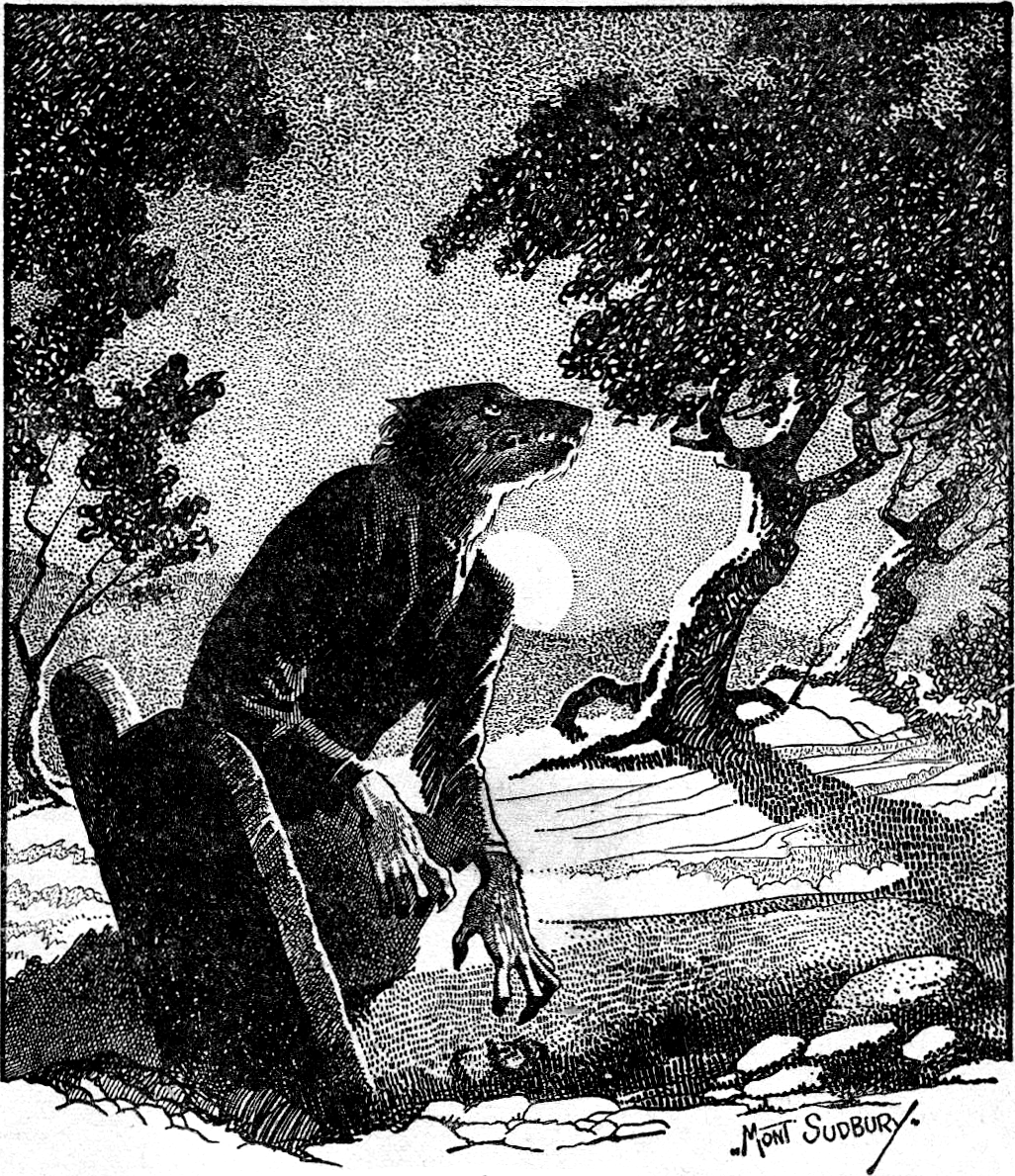 🇫🇷 France and 5 moreWerewolf
A mythical shapeshifter that turns into a wolf, central to European witch-hunts and Gothic horror.Being · Cursing and harm · Wonder and entertainment Legendary
🇫🇷 France and 5 moreWerewolf
A mythical shapeshifter that turns into a wolf, central to European witch-hunts and Gothic horror.Being · Cursing and harm · Wonder and entertainment Legendary
 🇬🇧 United KingdomBeltane Fire Festival
A modern Edinburgh performance celebrating the start of summer with fire and danceRite · Wonder and entertainment · Power and authority Living
🇬🇧 United KingdomBeltane Fire Festival
A modern Edinburgh performance celebrating the start of summer with fire and danceRite · Wonder and entertainment · Power and authority Living