Wonder and entertainment
Illusion, sleight of hand and the pleasure of being fooled.
Wonder and entertainment is the aim of the stage magician: to astonish an audience who knows it is being fooled. Conjuring, illusion, mentalism and street magic belong here, from the cups and balls of ancient Rome to Robert-Houdin, Houdini, Harry Kellar, P. C. Sorcar of India, Siegfried and Roy, and David Copperfield. This page covers the art, its history and its ethics, and does not reveal how any trick is done.
The art of the honest lie
A magician promises a trick and delivers astonishment. The pleasure comes from the gap between what is seen and what is known. Performers speak of misdirection, timing, patter and showmanship. Magicians also keep an informal rule not to expose methods, so that audiences can keep the pleasure and the craft keeps its livelihood. This is the most open part of the subject, in which no one is asked to believe.
Where it is performed
Magic has always had a street and a stage. In India, P. C. Sorcar Sr. (1913 to 1971) toured the world and became a national name. In China and Japan, conjuring was part of variety theatre and a distinct craft. In the Arab world and the Ottoman empire, performers worked in coffee houses and fairs. In the West, the music hall, the television special and the Las Vegas show carried the art into mass entertainment.
Who is welcome
For much of its history, the profession was dominated by men, with women as assistants, though performers such as Adelaide Herrmann broke the pattern. Racial stereotypes shaped acts: Western performers played Chinese or Indian magicians in costume, and Chung Ling Soo's disguise was a famous case. Today, magicians from many countries and women performers are widely visible. Magicians from Egypt, Lebanon, Iran and Nigeria now work on global stages and in festivals, and a few have become well known beyond their borders.
Entertainers against fraud
Houdini and James Randi spent years exposing mediums and faith healers who claimed real powers, arguing that honest conjurers protect the public. Scholars of the mind use magic to study attention, memory and belief. The boundary matters: claiming genuine supernatural power for a trick and charging for it is fraud, not entertainment. As the code puts it, the trick can be admired and enjoyed without the secret being known, and children and adults alike keep that pleasure.
Wonder and entertainment on EveryJaadu
The entries written up so far, best known first.
 🇭🇺 Hungary and 1 moreSárkány
A winged reptilian beast from Hungarian folklore, linked to weather and literary heroes.Being · Cursing and harm · Wonder and entertainment Historical
🇰🇷 South Korea and 1 moreDokkaebi도깨비
A one-legged supernatural being from Korean folklore, often linked to household objects and magical items.Being · Wonder and entertainment · Luck and prosperity Legendary
🇬🇧 United KingdomPearlin Jean
A Scottish ghost said to haunt the ruins of Allanbank estate in BerwickshireBeing · Wonder and entertainment Historical
 🇲🇲 MyanmarMythical creatures in Burmese folklore
A collection of spirits, beasts and hybrids from Myanmar's stories and playsBeing · Wonder and entertainment Living
🇯🇵 JapanOshiroibabā白粉ばばあ
A yōkai old woman from Nara folklore linked to white powder and mirrors.Being · Wonder and entertainment Historical
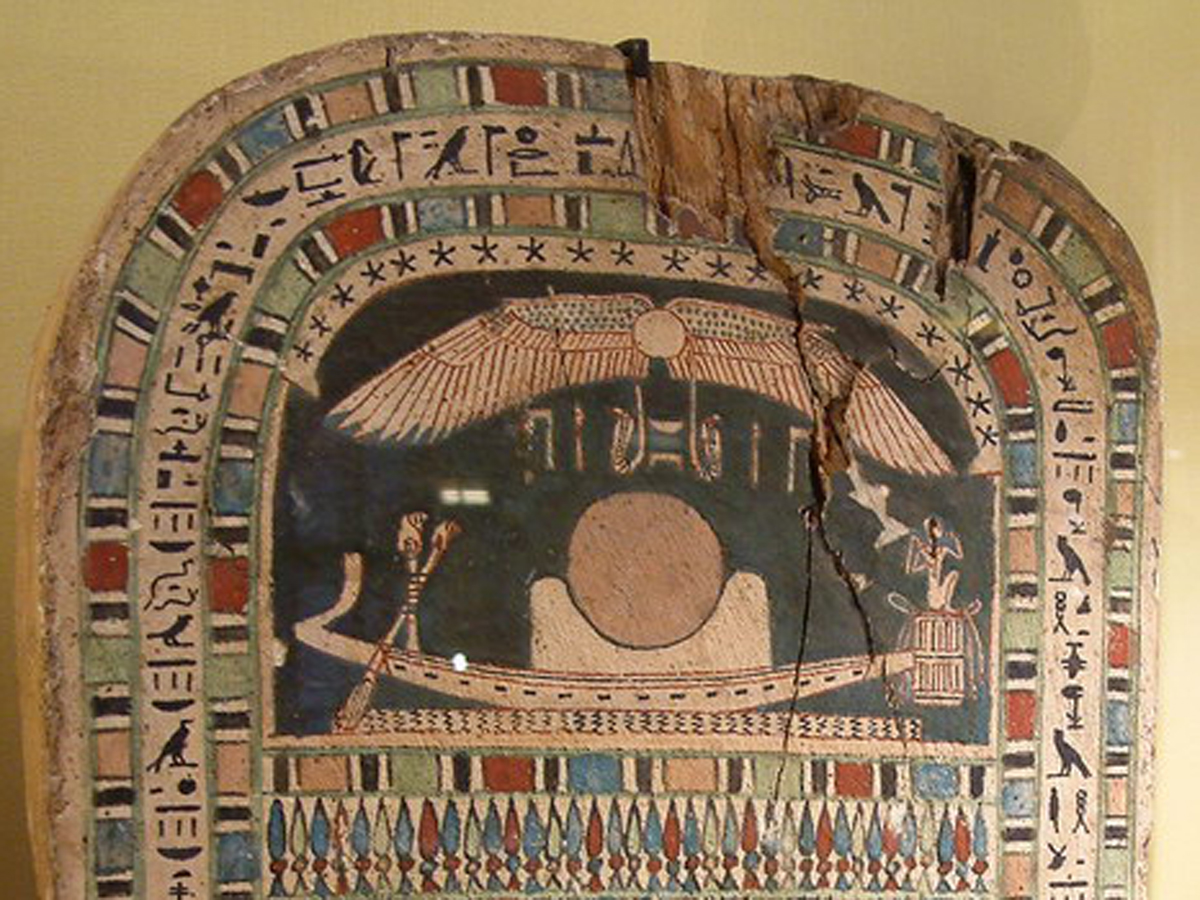 🇪🇬 EgyptSolar barque
The mythological vessels used by the sun god Ra to travel across the sky and through the underworld in ancient Egypt.Being · Wonder and entertainment Historical
🇺🇸 United StatesTeakettler
A shy lumber-camp creature said to whistle like a boiling kettle and walk backwardsBeing · Wonder and entertainment Legendary
 🇬🇷 GreeceSatyrσάτυρος
A male nature spirit from Greek myth, known for bestial features and wild behavior.Being · Wonder and entertainment Legendary
🇮🇳 IndiaPandi
A legendary race of giant-eared people from ancient geographic textsBeing · Wonder and entertainment Legendary
 🇮🇩 IndonesiaGajamina
An elephant-headed fish creature used in Balinese sarcophagi and star namesBeing · Wonder and entertainment Legendary
 🇸🇪 Sweden and 2 moreSea monk
A sixteenth-century sea creature said to look like a human monk in robesBeing · Wonder and entertainment Legendary
🇯🇵 JapanTaka-Onna高女
A Japanese yokai of a tall woman said to spy on brothels from above.Being · Wonder and entertainment Historical
🇹🇼 TaiwanLui-kong-tsiau雷公鳥
A Taiwanese thunder-creature said to summon storms from treetopsBeing · Wonder and entertainment Legendary
🇯🇵 JapanTōfu-kozō豆腐小僧
A Japanese yōkai depicted as a child carrying a tray of tofu, popular in Edo period literature.Being · Wonder and entertainment Historical
🇯🇵 JapanKotobuki寿
A Japanese chimera combining features of all twelve Chinese zodiac animalsBeing · Wonder and entertainment Legendary
🇮🇱 IsraelAdne Sadehאַדְנֵי הַשָּׂדֶה
A wild humanoid from Jewish folklore tethered to the earth by its navelBeing · Wonder and entertainment Legendary
🇯🇵 JapanIkuchiゐくち
A legendary sea serpent from Japanese folklore that leaves oil on shipsBeing · Wonder and entertainment Legendary
🇬🇧 United KingdomDunnie
A border spirit that mimics horses and sings of lost treasureBeing · Cursing and harm · Wonder and entertainment Historical
 🇫🇷 France and 2 moreTarasqueTarasca
A mythical beast from Provence tamed by Saint Martha and paraded in festivalsBeing · Wonder and entertainment Living
 🇯🇵 Japan and 1 moreBake-danuki化け狸
A shape-shifting raccoon dog spirit from Japanese folklore known for pranks and illusions.Being · Cursing and harm · Luck and prosperity Legendary
 🇬🇷 GreeceNymphνύμφη
A nature spirit from Greek myth, tied to specific places like springs or trees, often seen as a maiden.Being · Healing · Seeing and foretelling Historical
🇬🇧 United Kingdom and 1 moreBogle
A Northumbrian and Scots household spirit or ghost known for perplexing people.Being · Cursing and harm · Wonder and entertainment Historical
 🇸🇪 Sweden and 1 moreStalloStállu
A large, clumsy creature from Sámi folklore that eats people and is often outwitted by humans.Being · Cursing and harm · Wonder and entertainment Historical
 🇯🇵 JapanYamabiko山彦
A mountain spirit believed to be the voice behind echoes in Japanese folklore.Being · Wonder and entertainment Legendary
🇮🇳 IndiaBaakবাক
A shapeshifting water spirit from Assamese folklore that mimics humans and fears torn nets.Being · Cursing and harm · Wonder and entertainment Living
 🇩🇪 Germany and 3 moreKlabautermann
A North Sea ship kobold that aids sailors and signals a vessel's doom.Being · Protection · Wonder and entertainment Historical
🇯🇵 JapanBetobeto-sanべとべとさん
A Japanese yōkai that follows walkers on dark roads and makes footsteps sounds.Being · Wonder and entertainment Legendary
🇺🇸 United StatesJogahJigáhęh
Invisible little people of Haudenosaunee lore who guard the land and play tricks.Being · Protection · Speaking with spirits and the dead Living
 🇬🇷 GreeceCentaurideΚενταυρίδε (Kentauride)
A female centaur from Greek mythology, depicted in art and literature as a hybrid of woman and horse.Being · Wonder and entertainment Legendary
 🇬🇷 GreeceHarpyἅρπυια (hárpyia)
Half-human, half-bird creatures from Greek and Roman myth, often seen as storm winds or snatchers of food.Being · Cursing and harm · Wonder and entertainment Legendary
 🇨🇳 ChinaLuduan甪端
A mythical Chinese creature said to speak every language and travel vast distances in a single dayBeing · Wonder and entertainment Legendary
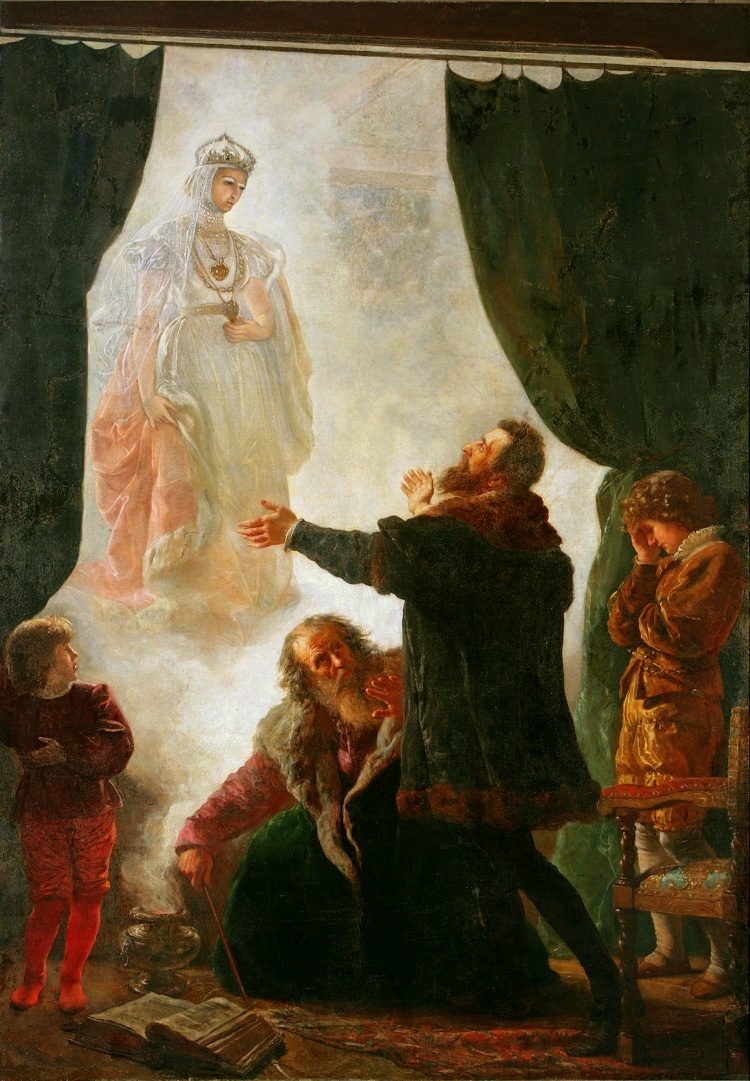 🇩🇪 Germany and 4 moreWeiße Frauen
Elven spirits of sunlight and water in Germanic folkloreBeing · Wonder and entertainment Historical
 🇮🇩 IndonesiaOrang Pendek
A bipedal primate said to live in the forests of SumatraBeing · Wonder and entertainment Legendary
 🇨🇭 Switzerland and 1 moreSylphsylphes
An air spirit from Paracelsian alchemy and later literatureBeing · Wonder and entertainment Legendary
🇯🇵 JapanTsuchinokoツチノコ
A snake-like cryptid from Japanese folklore said to roll like a wheelBeing · Wonder and entertainment Legendary
 🇬🇧 United Kingdom and 1 moreGiants (esotericism)
Spiritual beings linked to lost continents and root races in occult literatureBeing · Wonder and entertainment Historical
🇸🇪 SwedenVardøger
A spirit double that precedes a person in time and spaceBeing · Wonder and entertainment Legendary
🇸🇪 SwedenBysen
A cursed forest spirit of Gotland that misleads travelers and tends the woods.Being · Cursing and harm · Wonder and entertainment Legendary
🇫🇮 FinlandFirefoxtulikettu
A mythical Finnish fox whose tail sparks the northern lightsBeing · Wonder and entertainment Legendary
 🇯🇵 JapanShirime尻目
A faceless yokai that hides an eye in its rear to startle travelersBeing · Wonder and entertainment Legendary
🇯🇵 JapanTsurubebi釣瓶火
A hanging fire spirit from Japanese folklore, linked to trees and mountain paths.Being · Wonder and entertainment Historical
 🇨🇳 ChinaAo鰲
A colossal sea turtle of Chinese myth whose legs support the skyBeing · Protection · Wonder and entertainment Legendary
🇯🇵 Japan and 5 moreMythic humanoids
Creatures that blend human and animal traits across global folkloreBeing · Wonder and entertainment Legendary
 🇫🇮 Finland and 1 moreVäinämöinen
An ancient Finnish demigod and master singer from the Kalevala epicBeing · Wonder and entertainment Historical
 🇳🇴 NorwayTroll
A Nordic creature of folklore and myth, ranging from mountain dwellers to modern fantasy icons.Being · Wonder and entertainment Legendary
 🇸🇾 Syria and 1 moreHumbaba
A Mesopotamian giant who guarded the cedar forest and faced the hero GilgameshBeing · Wonder and entertainment Legendary
Photo credits on this page
The small pictures above come from Wikimedia Commons under free licences. Some are cropped to fit.
- Ao: David Jackson, CC BY-SA 2.0 uk, source
- Solar barque: Guillaume Blanchard , uploaded to Commons by User:Borislav, CC BY-SA 2.5, source
- Ancient Mesopotamian religion: editor Austen Henry Layard , drawing by L. Gruner, Public domain, source
- Satyr: Epiktetos (signed), Public domain, source
- Gajamina: Youla Azkarrula, CC BY 4.0, source
- Sea monk: Japetus Steenstrup, Public domain, source
- Tarasque: Olivier, CC BY-SA 4.0, source
- Bake-danuki: Poposhka at English Wikipedia, Public domain, source
- Nymph: Unknown author, Public domain, source
- Mythical creatures in Burmese folklore: Unknown author, CC BY 4.0, source
- Stallo: John Bauer, Public domain, source
- Yamabiko: Brigham Young University, CC BY-SA 4.0, source
- Klabautermann: Anton von Werner, Public domain, source
- Centauride: John La Farge, Public domain, source
- Harpy: Unknown, near the Tyrrhenian Group?, CC BY-SA 2.0, source
- Luduan: Gisling, CC BY 2.5, source
- Weiße Frauen: Wojciech Gerson, Public domain, source
- Orang Pendek: Tim Bertelink, CC BY-SA 4.0, source
- Sylph: Copyright by Rufus Watles & L.C. Sanger, lithograph by Sarony, Major &, Public domain, source
- Sárkány: Albrecht Dürer, Public domain, source
- Giants (esotericism): Athanasius Kircher, Public domain, source
- Väinämöinen: Akseli Gallen-Kallela, Public domain, source
- Troll: John Bauer, Public domain, source
- Shirime: Yosa Buson ( 与謝蕪村 , Japanese, *1716, †1784), Public domain, source