
Tarand
from Greek Tarandos, later Latinized as Tarandus and Parandrus
A legendary reindeer-like creature said to change its hair colour like a chameleon.
The tarand is a mythical beast described in classical texts as resembling a reindeer or moose with the ability to shift its coat colour to match its surroundings. Ancient writers placed it in Scythia and Aethiopia, where it was believed to use this camouflage to avoid capture by hunters.
- Described by Aristotle as Tarandos in Scythia.
- Pliny details its ox-like size and stag head.
- Solinus places the Parandrus in Aethiopia.
- Rabelais includes it in Pantagruel (1552).
- Cuvier later discussed its factual basis.
What it is
The tarand is a legendary animal described in ancient literature as a large beast similar to a reindeer or moose. It is most famous for its supposed ability to change the colour of its hair and skin to match the trees, plants, and ground around it. This trait made it difficult to catch. Writers compared it to the chameleon and other creatures that alter their appearance, but noted that the tarand's transformation extended to its fur, not just its skin. The creature was often depicted as having cloven hooves, branched horns, and a tough hide.
Where it comes from
The creature first appears in Aristotle's Corpus Aristotelicum under the name Tarandos. Later authors such as Pliny the Elder, Aelian, and Solinus expanded on these descriptions. While Aristotle and Pliny placed the animal in Scythia, Solinus located it in Aethiopia. The description persisted through the medieval period, appearing in works like The York Mystery Cycle and Francois Rabelais' Pantagruel. In the modern era, the zoologist Baron Cuvier discussed the veracity of the tarand, treating it as a subject of historical curiosity rather than biological fact.
Tools and materials
Ancient sources mention that the hide of the tarand was so tough and hard that it could be used to make breastplates or cover shields. This material property was cited as a reason why the animal was valued by the Scythians, who considered its skin a good defence against spears. No other tools are associated with the creature itself, as it is a wild beast in the accounts.
Tarand, drawn and placed
- Living
- Revived
- Fading
- Historical
- Legendary
- Performed
- Lineage
- Classical natural history and medieval bestiaries
What it is for
The tarand does not serve a ritual purpose in the way charms or rites do. It is primarily a figure of wonder and natural history. Its primary 'function' in the narratives is to demonstrate the marvels of nature, specifically the extreme adaptability of its coat. It is also used in literature as a symbol of elusive truth or shifting identity, particularly in Rabelais' work where it interacts with characters of different colours.
Who does it
The tarand is not practised by any living group. It is studied by scholars of classical literature and history. Ancient writers like Aristotle and Pliny recorded it as part of their surveys of the natural world. Medieval authors included it in mystery cycles and satirical novels. Modern scholars, including Cuvier, have analysed the text to understand how ancient people perceived animals and geography.
Peoples and places
The Geloni, a subgroup of the Scythians, are mentioned by Aristotle as the ones who knew of the beast. Solinus places it in Aethiopia (Ethiopia). The creature also appears in English literature through translations of these classical texts, linking it to European literary tradition.


What people believe
The belief surrounding the tarand rests on the authority of ancient naturalists. It is said to possess a magical or extraordinary biological trait: the ability to voluntarily change its hair colour based on fear or affection, or simply by proximity to coloured objects. This is presented as a physical reality within the texts, not a metaphor. The creature is believed to be real, though rare, and its existence was debated by later scientists.
How scholars and sceptics see it
Scholars view the tarand as a product of ancient natural history and possibly confusion with real animals. The description combines features of reindeer, moose, and chameleons. Some suggest it may be a misinterpretation of the behaviour of real species or a mythological construct. Cuvier and others treated it as a historical curiosity, analyzing the textual lineage from Aristotle to Rabelais to understand the evolution of zoological knowledge.
Compare and confuse
The tarand is often confused with or compared to the chameleon due to its colour-changing abilities. It is also linked to the Lycaon of India and the Thoes wolves, which were similarly noted for changing their appearance or habits. Unlike the chameleon, which changes skin, the tarand is unique in the texts for changing its hair. It differs from typical mythical beasts because it is grounded in a pseudo-scientific description rather than pure fantasy.
Today
The tarand survives today only in literature and academic study. It appears in dictionaries like the Oxford English Dictionary as an example of early English usage. It remains a topic of interest for those studying the history of science, mythology, and the transmission of classical texts through the Middle Ages and into the Renaissance.
Questions people ask about Tarand
What is a tarand?
It is a legendary animal described in ancient texts as resembling a reindeer or moose. It is best known for the claim that it can change the colour of its hair to match its surroundings, similar to a chameleon.
Where does the word come from?
The name comes from the Greek word Tarandos. It was later Latinized as Tarandus and Parandrus by Roman writers like Pliny and Solinus.
Did ancient people believe it was real?
Yes, writers like Aristotle and Pliny included it in their records of natural history. They treated it as a real, albeit rare, animal found in Scythia or Aethiopia.
What makes it different from a chameleon?
While both change colour, the tarand is described as changing its hair, not just its skin. This was considered a more remarkable feat by ancient observers.
Good reading and sources
- Tarand (animal) on WikipediaEncyclopedia
- More photos on Wikimedia CommonsPhotos and video
- Wikidata recordOpen data
The facts on this page come from the Wikipedia article "Tarand (animal)", written by its contributors and used under the CC BY-SA 4.0 licence, and from its Wikidata record (CC0). EveryJaadu rewrote the text in its own words, with AI assistance, and compares every page with the article to make sure no passage is copied. It may be reused under the same CC BY-SA 4.0 licence with a link back.
It may contain mistakes. Names and customs differ from one community to the next, and some knowledge is closed to outsiders and left out here. This page describes belief and practice. It does not say that any of it works, it is not a how-to, and it is not medical advice. If something is wrong, tell us. Last refreshed 2026-10-06.
More from India
All the entries from India 🇮🇳 India and 5 morePretaप्रेत
A suffering spirit of insatiable hunger found in Asian religious traditionsBeing · Speaking with spirits and the dead Living
🇮🇳 India and 5 morePretaप्रेत
A suffering spirit of insatiable hunger found in Asian religious traditionsBeing · Speaking with spirits and the dead Living
 🇮🇳 IndiaTaraतारा (Sanskrit), তারা (Bengali)
A fierce Hindu goddess of protection and wisdom, central to the Mahavidya tradition.Being · Protection · Power and authority Living
🇮🇳 IndiaTaraतारा (Sanskrit), তারা (Bengali)
A fierce Hindu goddess of protection and wisdom, central to the Mahavidya tradition.Being · Protection · Power and authority Living
 🇮🇳 India and 1 moreYoginiयोगिनी
A female master of yoga and tantra, or a fierce goddess aspect in Indian temples.Tradition · Power and authority · Protection Historical
🇮🇳 India and 1 moreYoginiयोगिनी
A female master of yoga and tantra, or a fierce goddess aspect in Indian temples.Tradition · Power and authority · Protection Historical
Related elsewhere
All being 🇬🇧 United Kingdom and 2 moreKing ArthurBrenin Arthur
A legendary British king and folk hero of medieval literature and Welsh mythologyFigure · Power and authority · Wonder and entertainment Legendary
🇬🇧 United Kingdom and 2 moreKing ArthurBrenin Arthur
A legendary British king and folk hero of medieval literature and Welsh mythologyFigure · Power and authority · Wonder and entertainment Legendary
 🇪🇬 Egypt and 1 moreSphinx
A mythical hybrid with a human head and lion body, serving as guardian or riddler in Egyptian and Greek traditions.Being · Protection · Wonder and entertainment Legendary
🇪🇬 Egypt and 1 moreSphinx
A mythical hybrid with a human head and lion body, serving as guardian or riddler in Egyptian and Greek traditions.Being · Protection · Wonder and entertainment Legendary
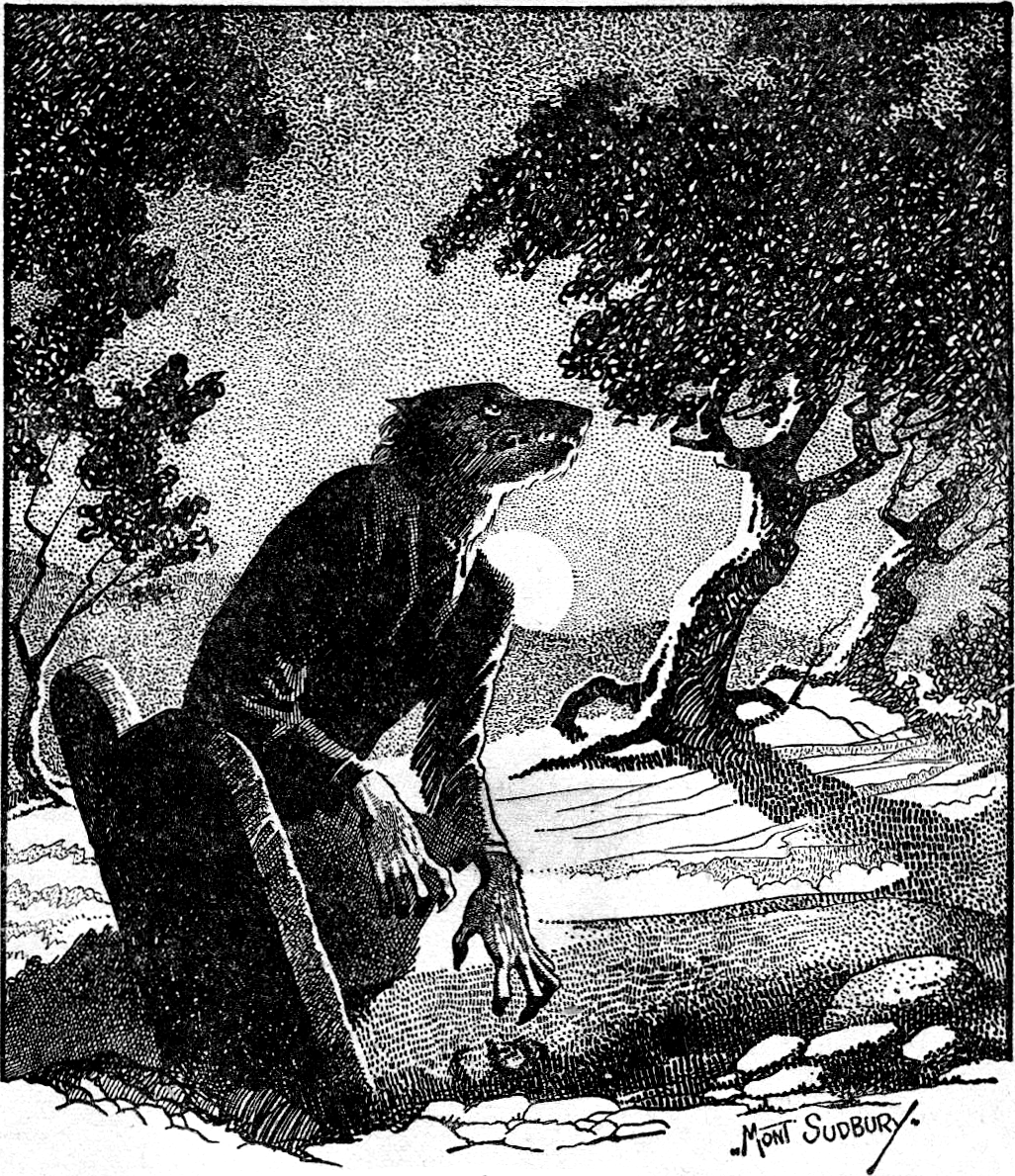 🇫🇷 France and 5 moreWerewolf
A mythical shapeshifter that turns into a wolf, central to European witch-hunts and Gothic horror.Being · Cursing and harm · Wonder and entertainment Legendary
🇫🇷 France and 5 moreWerewolf
A mythical shapeshifter that turns into a wolf, central to European witch-hunts and Gothic horror.Being · Cursing and harm · Wonder and entertainment Legendary
 🇬🇧 United KingdomBeltane Fire Festival
A modern Edinburgh performance celebrating the start of summer with fire and danceRite · Wonder and entertainment · Power and authority Living
🇬🇧 United KingdomBeltane Fire Festival
A modern Edinburgh performance celebrating the start of summer with fire and danceRite · Wonder and entertainment · Power and authority Living