![A shuihu 水虎 [1] , read suiko in Japanese, from Wakan sansai zue Book 40. The name is literally "water tiger", and it has knees like a tiger's clawed paws according to this interpretation.](https://upload.wikimedia.org/wikipedia/commons/3/30/Wakan-sansai-zue-bk040-v021-f17b-suiko.jpg)
Shuihu
In its own language: 水虎
from Chinese characters meaning 'water' and 'tiger'
A legendary water creature from Chinese folklore, later adopted into Japanese myth.
The shuihu is a mythical beast described in ancient Chinese texts as inhabiting the rivers of Hubei Province. It resembles a scaled child with a tiger's head and claws that remain submerged while it basks on riverbanks.
- Described as having a tiger's head and tough scales.
- Claws remain submerged while the beast basks on sandbars.
- Recorded in the eighth-century Records of Xiang Mian.
- Included in the Ming Dynasty Compendium of Materia Medica.
- Japanese artists depicted it with claw-like kneecaps.
What it is
The shuihu is a legendary creature recorded in historical Chinese literature. It is described as being roughly the size of a young human child. The beast possesses a head resembling a tiger and a body covered in tough scales capable of deflecting arrows. It typically rests on sandy riverbanks during autumn, keeping its sharp claws hidden beneath the water surface. Japanese sources later adopted the term suiko to describe similar aquatic beings.
Where it comes from
Descriptions of the shuihu appear in the eighth-century Records of Xiang Mian. These accounts were later compiled into the sixteenth-century Compendium of Materia Medica. The creature is said to inhabit the confluence of the Shu and Mian rivers in present-day Hubei Province. Japanese scholars began interpreting these texts during the Tokugawa period, creating distinct local variations of the legend.
Shuihu, drawn and placed
- Living
- Revived
- Fading
- Historical
- Legendary
- Performed
- Lineage
- East Asian mythology
Peoples and places
In China, the shuihu was documented in pharmacological and geographical texts. Japanese writers during the Edo period reinterpreted these descriptions. Some authors distinguished the suiko from the native kappa, while others used the terms interchangeably. Artists like Toriyama Sekien illustrated the creature with unique features, such as claw-like kneecaps, which became popular in Japanese folklore collections.
At a glance: who, where and when
How scholars and sceptics see it
Historical analysis shows divergent interpretations between Chinese and Japanese sources. Japanese physicians and encyclopedists read Chinese medical texts differently, sometimes altering anatomical descriptions. Scholars note that the suiko was often conflated with the kappa in Japan, despite earlier attempts to distinguish them as separate entities based on physical traits and regional origins.
Compare and confuse
The shuihu is frequently compared to the kappa, a well-known Japanese water spirit. While some texts treat them as identical, others emphasize differences in appearance and origin. The creature also shares traits with other aquatic myths, such as the underwater panther found in North American legends.
Questions people ask about Shuihu
What does the name shuihu mean?
The name translates directly to 'water tiger' in Chinese. It reflects the creature's feline head and aquatic habitat within river systems.
Where does the shuihu live?
According to ancient records, it inhabits the rivers of Hubei Province in China, specifically where the Shu and Mian rivers meet.
How is the shuihu different from a kappa?
Some historical texts distinguish them by anatomy and origin. However, Japanese folklore often used the terms interchangeably for water spirits.
What did people believe about its body parts?
Older texts mention specific body parts being used in traditional practices, though modern readers interpret these references as historical curiosities rather than active rituals.
Good reading and sources
- Shuihu on WikipediaEncyclopedia
- More photos on Wikimedia CommonsPhotos and video
- Wikidata recordOpen data
The facts on this page come from the Wikipedia article "Shuihu", written by its contributors and used under the CC BY-SA 4.0 licence, and from its Wikidata record (CC0). EveryJaadu rewrote the text in its own words, with AI assistance, and compares every page with the article to make sure no passage is copied. It may be reused under the same CC BY-SA 4.0 licence with a link back.
It may contain mistakes. Names and customs differ from one community to the next, and some knowledge is closed to outsiders and left out here. This page describes belief and practice. It does not say that any of it works, it is not a how-to, and it is not medical advice. If something is wrong, tell us. Last refreshed 2026-10-06.
More from China
All the entries from China 🇨🇳 China and 3 moreChinese dragon龍
A legendary water deity and imperial symbol in East Asian cultureBeing · Protection · Luck and prosperity Historical
🇨🇳 China and 3 moreChinese dragon龍
A legendary water deity and imperial symbol in East Asian cultureBeing · Protection · Luck and prosperity Historical
 🇨🇳 ChinaLan Caihe藍采和
An ambiguous Taoist immortal known for a flower basket and wandering songsBeing · Wonder and entertainment Legendary
🇨🇳 ChinaLan Caihe藍采和
An ambiguous Taoist immortal known for a flower basket and wandering songsBeing · Wonder and entertainment Legendary
 🇨🇳 China and 2 moreXiezhi獬豸
A one-horned beast from East Asia that separates the guilty from the innocentBeing · Cursing and harm · Protection Legendary
🇨🇳 China and 2 moreXiezhi獬豸
A one-horned beast from East Asia that separates the guilty from the innocentBeing · Cursing and harm · Protection Legendary
 🇨🇳 China and 2 moreEight Immortals八仙
Eight legendary Taoist figures of China, each with a power and a vesselFigure · Protection · Healing Living
🇨🇳 China and 2 moreEight Immortals八仙
Eight legendary Taoist figures of China, each with a power and a vesselFigure · Protection · Healing Living
Related elsewhere
All being 🇬🇧 United Kingdom and 2 moreKing ArthurBrenin Arthur
A legendary British king and folk hero of medieval literature and Welsh mythologyFigure · Power and authority · Wonder and entertainment Legendary
🇬🇧 United Kingdom and 2 moreKing ArthurBrenin Arthur
A legendary British king and folk hero of medieval literature and Welsh mythologyFigure · Power and authority · Wonder and entertainment Legendary
 🇪🇬 Egypt and 1 moreSphinx
A mythical hybrid with a human head and lion body, serving as guardian or riddler in Egyptian and Greek traditions.Being · Protection · Wonder and entertainment Legendary
🇪🇬 Egypt and 1 moreSphinx
A mythical hybrid with a human head and lion body, serving as guardian or riddler in Egyptian and Greek traditions.Being · Protection · Wonder and entertainment Legendary
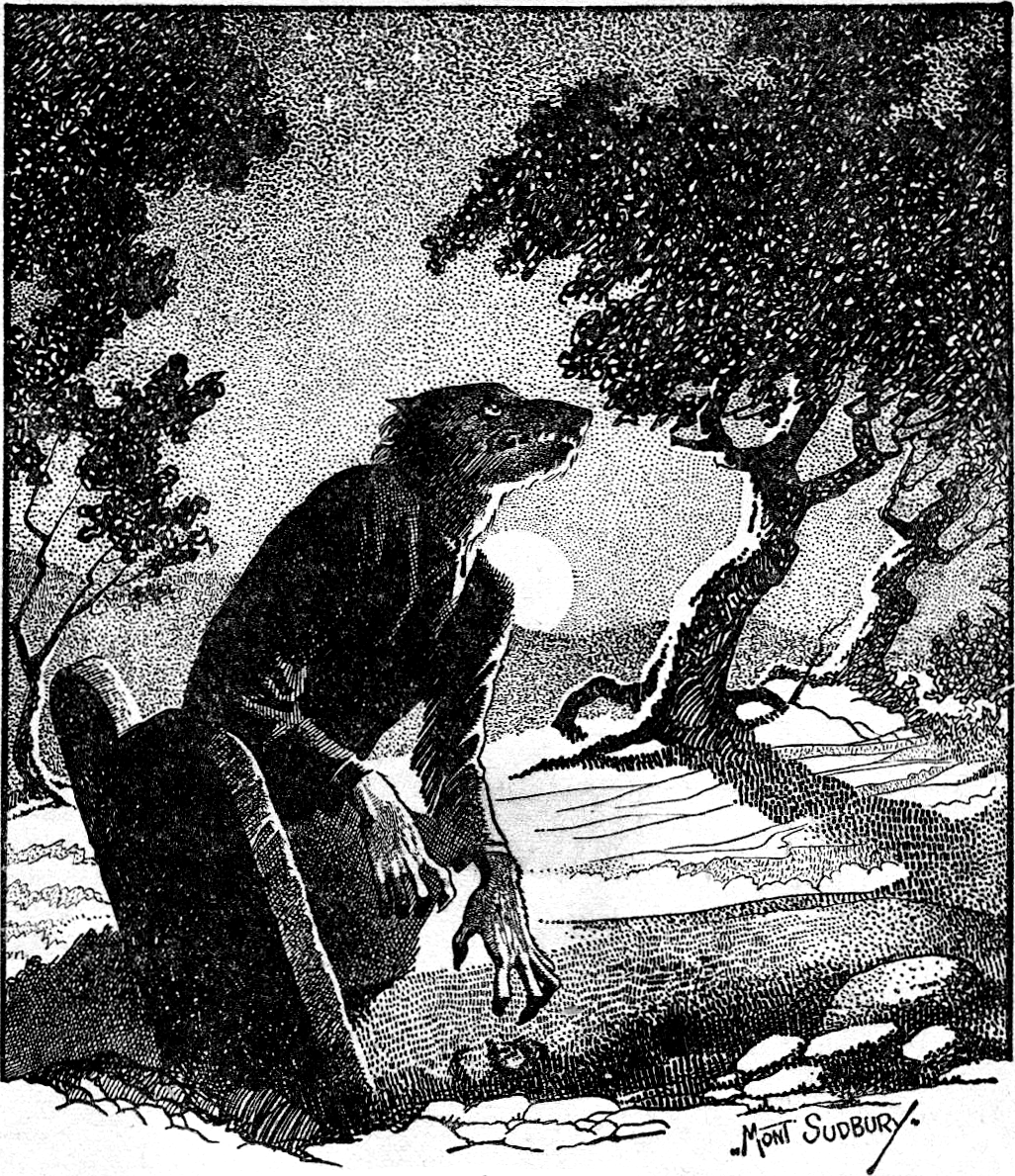 🇫🇷 France and 5 moreWerewolf
A mythical shapeshifter that turns into a wolf, central to European witch-hunts and Gothic horror.Being · Cursing and harm · Wonder and entertainment Legendary
🇫🇷 France and 5 moreWerewolf
A mythical shapeshifter that turns into a wolf, central to European witch-hunts and Gothic horror.Being · Cursing and harm · Wonder and entertainment Legendary
 🇬🇧 United KingdomBeltane Fire Festival
A modern Edinburgh performance celebrating the start of summer with fire and danceRite · Wonder and entertainment · Power and authority Living
🇬🇧 United KingdomBeltane Fire Festival
A modern Edinburgh performance celebrating the start of summer with fire and danceRite · Wonder and entertainment · Power and authority Living