
Jersey Devil
from the name of the Leeds family or Leeds Point in New Jersey
A legendary creature from South Jersey folklore said to inhabit the Pine Barrens.
The Jersey Devil is a cryptid from New Jersey folklore, often called the Leeds Devil. It is said to live in the Pine Barrens and is described as a winged biped with hooves and a strange head.
- Also known as the Leeds Devil
- Said to inhabit the Pine Barrens
- Described as a flying biped with hooves
- Legend linked to the Leeds family
- Name standardized after 1909 sightings
What it is
The Jersey Devil is a legendary creature in the folklore of South Jersey and Philadelphia. Also known as the Leeds Devil, it is a cryptid said to dwell in the forests of the New Jersey Pine Barrens. Descriptions vary, but it is commonly depicted as a flying biped with hooves. It may have a horse or goat head, leathery bat wings, horns, clawed hands, and a forked tail. The creature is reported to move quickly and emit a high-pitched scream.
Where it comes from
The legend is tied to the Leeds family or Leeds Point. One story claims Mother Leeds cursed her thirteenth child in 1735, who was born as a monster. Another tale involves Mrs. Leeds in 1855 wishing for a devil. Historian Brian Regal suggests the myth grew from colonial disputes. Daniel Leeds was ostracized by Quakers for occult writings. His son Titan competed with Benjamin Franklin, who joked he was a ghost. The Leeds family crest featured a wyvern, resembling the creature. These political and religious tensions likely created the Leeds Devil legend.
Tools and materials
The creature is described with specific physical traits: bat-like wings, cloven hooves, horns, small arms with claws, and a forked or barbed tail. Some accounts mention an elongated body and a thick tail. These features combine elements of kangaroos, wyverns, horses, goats, and bats into a single monstrous form.
Jersey Devil, drawn and placed
- Living
- Revived
- Fading
- Historical
- Legendary
- Performed
- Lineage
- American folklore
What it is for
The Jersey Devil serves as a bogeyman in local tales. Stories were used to frighten children. Residents of Burlington County knew the creature well. It was blamed for livestock killings in the 1840s. Reports included tracks and screams accompanying the attacks. The legend functioned as a warning or explanation for unexplained events in the Pine Barrens.
Peoples and places
The legend belongs to South Jersey and Philadelphia folklore. It is associated with the Pine Barrens region. Early references called it the Leeds Devil. The name Jersey Devil became standard in the early twentieth century. The 1909 sightings helped fix its modern image. Local populations maintained oral traditions about the monster wandering the pines.
At a glance: who, where and when
What people believe
Folklore holds that the creature was born from a curse or a wish for a devil. Some versions claim the father was the devil himself. Clergymen supposedly tried to exorcise it. Sightings include Commodore Stephen Decatur firing a cannon at it. Joseph Bonaparte reportedly saw it while hunting. These stories reflect beliefs in supernatural threats within the natural landscape.
How scholars and sceptics see it
Historian Brian Regal analyzes the legend's roots. He links it to colonial-era political intrigue. Religious disputes between Quakers and Daniel Leeds fueled gossip. Benjamin Franklin's satirical attacks on Titan Leeds added to the lore. The family's reputation as monsters evolved into a folk legend. The wyvern on their crest influenced descriptions. This theory explains the transition from historical figures to mythical beast.
Compare and confuse
The Leeds Devil is the earlier name for the Jersey Devil. Both refer to the same entity in South Jersey tales. The creature shares traits with other winged monsters. Wyverns and dragons appear in its description. The legend differs from European devils by its specific regional origin and animal features.
Questions people ask about Jersey Devil
What is the Jersey Devil?
It is a legendary creature from New Jersey folklore. It is also called the Leeds Devil. People say it lives in the Pine Barrens. It is often seen as a winged biped with hooves.
Where does the legend come from?
The story comes from South Jersey and Philadelphia. It is tied to the Leeds family or Leeds Point. Historical disputes and family reputations likely inspired the myth.
What does the creature look like?
It is usually a flying biped with hooves. It may have a horse or goat head. It has bat wings, horns, and a forked tail. Some say it has clawed hands.
When did the name become popular?
The name Jersey Devil became common in the early twentieth century. Major sightings in 1909 helped standardize its image. Earlier texts referred to it as the Leeds Devil.
Good reading and sources
- Jersey Devil on WikipediaEncyclopedia
- More photos on Wikimedia CommonsPhotos and video
- Wikidata recordOpen data
The facts on this page come from the Wikipedia article "Jersey Devil", written by its contributors and used under the CC BY-SA 4.0 licence, and from its Wikidata record (CC0). EveryJaadu rewrote the text in its own words, with AI assistance, and compares every page with the article to make sure no passage is copied. It may be reused under the same CC BY-SA 4.0 licence with a link back.
It may contain mistakes. Names and customs differ from one community to the next, and some knowledge is closed to outsiders and left out here. This page describes belief and practice. It does not say that any of it works, it is not a how-to, and it is not medical advice. If something is wrong, tell us. Last refreshed 2026-10-06.
More from the United States
All the entries from the United States 🇺🇸 United States and 5 moreNight hag
A supernatural being believed to sit on sleepers and cause paralysisBeing · Cursing and harm Legendary
🇺🇸 United States and 5 moreNight hag
A supernatural being believed to sit on sleepers and cause paralysisBeing · Cursing and harm Legendary
 🇺🇸 United States and 2 moreRougarou
A lycanthrope legend from French-speaking communities in North AmericaBeing · Cursing and harm Legendary
🇺🇸 United States and 2 moreRougarou
A lycanthrope legend from French-speaking communities in North AmericaBeing · Cursing and harm Legendary
 🇺🇸 United StatesThe Gray Man
A coastal ghost from South Carolina said to warn of hurricanesBeing · Protection Living
🇺🇸 United StatesThe Gray Man
A coastal ghost from South Carolina said to warn of hurricanesBeing · Protection Living
Related elsewhere
All being 🇬🇧 United Kingdom and 2 moreKing ArthurBrenin Arthur
A legendary British king and folk hero of medieval literature and Welsh mythologyFigure · Power and authority · Wonder and entertainment Legendary
🇬🇧 United Kingdom and 2 moreKing ArthurBrenin Arthur
A legendary British king and folk hero of medieval literature and Welsh mythologyFigure · Power and authority · Wonder and entertainment Legendary
 🇪🇬 Egypt and 1 moreSphinx
A mythical hybrid with a human head and lion body, serving as guardian or riddler in Egyptian and Greek traditions.Being · Protection · Wonder and entertainment Legendary
🇪🇬 Egypt and 1 moreSphinx
A mythical hybrid with a human head and lion body, serving as guardian or riddler in Egyptian and Greek traditions.Being · Protection · Wonder and entertainment Legendary
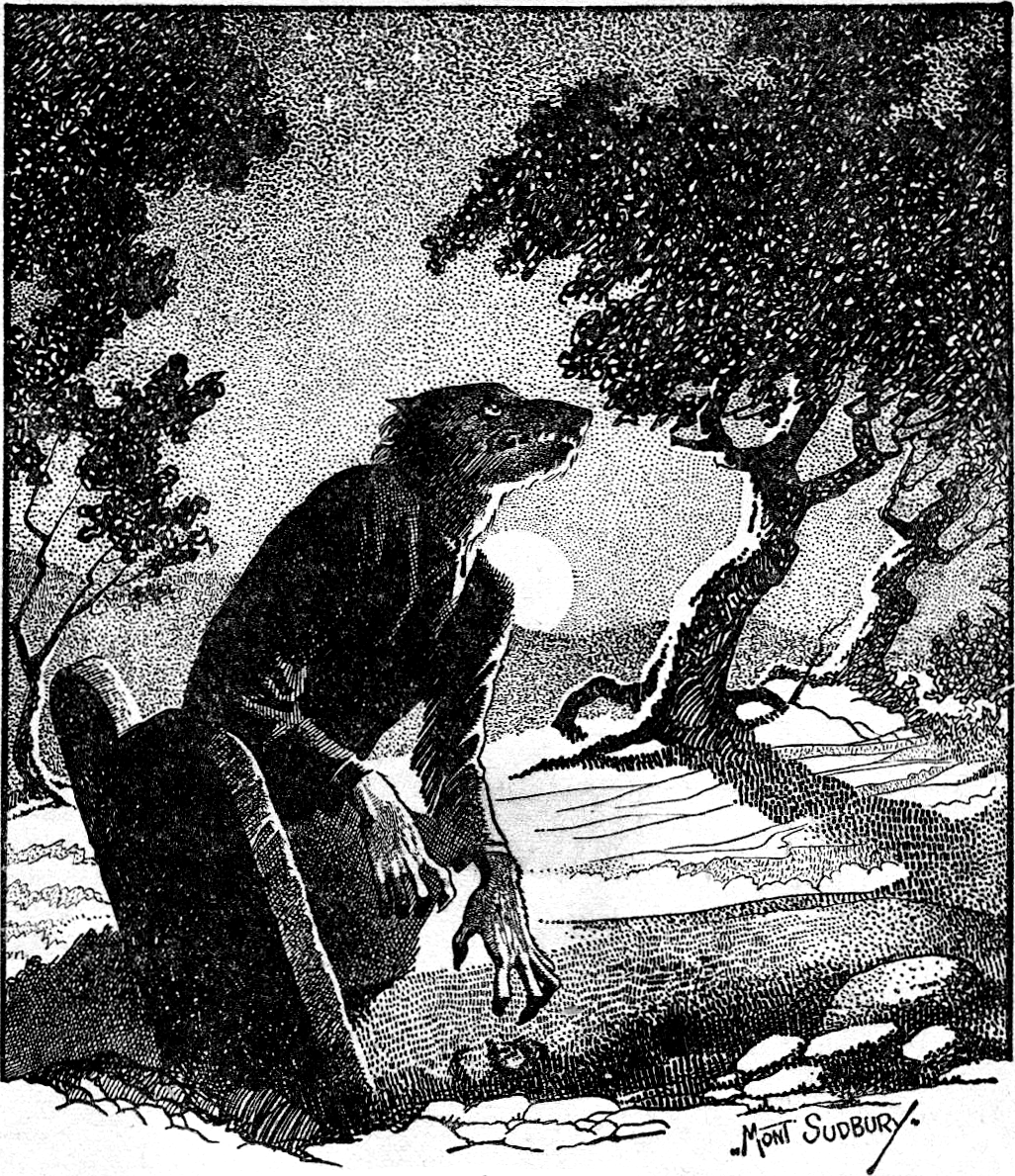 🇫🇷 France and 5 moreWerewolf
A mythical shapeshifter that turns into a wolf, central to European witch-hunts and Gothic horror.Being · Cursing and harm · Wonder and entertainment Legendary
🇫🇷 France and 5 moreWerewolf
A mythical shapeshifter that turns into a wolf, central to European witch-hunts and Gothic horror.Being · Cursing and harm · Wonder and entertainment Legendary
 🇬🇧 United KingdomBeltane Fire Festival
A modern Edinburgh performance celebrating the start of summer with fire and danceRite · Wonder and entertainment · Power and authority Living
🇬🇧 United KingdomBeltane Fire Festival
A modern Edinburgh performance celebrating the start of summer with fire and danceRite · Wonder and entertainment · Power and authority Living