Cursing and harm
Curses, hexes and sorcery as people describe and fear them, with the counter-magic against them.
Cursing and harm are the part of magic that societies fear most. This page describes curses and sorcery as beliefs, and the social role of fear and accusation, and does not give instructions. The evil eye, the curse tablets of the Greek and Roman world, Hebrew and Arabic writings on harmful magic, sorcery in Melanesia and Africa, and the European witch are all part of this subject. Most of the harm recorded is that done to people accused.
What is believed
Many cultures hold that envy, anger or hostile ritual can bring illness, loss or death to a victim. The beliefs differ: in the Mediterranean, the evil eye needs no intent. In Azande society, studied by Evans-Pritchard, witchcraft was an inherited substance that explained why misfortune struck one person and not another. Greek and Roman lead curse tablets, often addressed to gods of the underworld, show the belief was written down in antiquity.
Accusation as social force
Where harm is feared, accusation follows. Anthropologists have shown that charges of witchcraft often follow tension inside a family or village, such as inheritance, jealousy or a sudden death. Accusers are usually in conflict with the accused, who is more likely to be old, poor, widowed or marginal. The belief can enforce norms and also destroy people. People also fear being accused, since an accusation can arrive without warning and can follow a family for generations.
Persecution and its present
European and colonial American witch trials, from the fifteenth to the eighteenth century, put tens of thousands to death, including the Salem trials of 1692. The practice has not ended. Mobs and families still attack accused people in parts of Africa, India, Papua New Guinea and elsewhere, and Saudi Arabia has executed people for sorcery. Albino people have been killed for body parts in East Africa. Several states are drafting or enforcing laws against accusation itself.
Counter-magic and scholarship
Where harm is feared, so is protection: amulets, cleansing, and a specialist who can say who sent it. Scholars see curses as a language of grievance, and psychologists have documented the nocebo effect, in which belief in harm can bring on real distress. A person who is afraid should seek medical and social help, and talk to someone they trust. People who believe they have been cursed should be helped to find practical support, including from health services, and not left alone with fear.
Cursing and harm on EveryJaadu
The entries written up so far, best known first.
 🇺🇸 United States and 5 moreSatanism
A modern set of beliefs using the figure of Satan as a symbol or deity.Tradition · Power and authority · Cursing and harm Living
 🇪🇬 Egypt and 1 moreLilithלִילִית
A feminine figure from Mesopotamian and Jewish mythology, often depicted as a night demon or spirit.Being · Cursing and harm Legendary
 🇪🇬 EgyptCurse
A spoken wish for harm, often backed by ritual or divine authorityBelief · Cursing and harm · Protection Historical
 🇹🇷 Turkey and 5 moreEvil eye
A curse caused by an envious look and the charms used to block itBelief · Protection · Cursing and harm Living
 🇨🇳 ChinaTaotie饕餮
A zoomorphic mask on ancient Chinese bronzes and a mythological creature of gluttonyFigure · Protection · Cursing and harm Legendary
🇨🇳 ChinaGu蛊 / 蠱
A venom-based poison and black magic practice from south ChinaSubstance · Cursing and harm · Love and attraction Historical
 🇮🇱 Israel and 1 moreAzazelעזאזל
A desert place and fallen angel linked to the Yom Kippur scapegoat ritualFigure · Cursing and harm · Cleansing and purification Historical
🇿🇦 South Africa and 5 moreMurder for body parts
The killing of people to harvest body parts for traditional medicine or the illegal organ tradeBelief · Cursing and harm · Power and authority Living
 🇧🇷 Brazil and 5 moreWhite Lady
A female ghost in white clothing linked to tragedy and omens across many culturesFigure · Cursing and harm · Seeing and foretelling Legendary
🇬🇧 United KingdomBarghest
A mythical black dog from Northern England that foretells death and haunts the countryside.Being · Seeing and foretelling · Cursing and harm Legendary
 🇪🇬 EgyptLucifer
A Latin name for the planet Venus that became an epithet for the Devil in Christian traditionFigure · Cursing and harm Historical
 🇮🇹 Italy and 5 moreFig sign
A hand gesture used to ward off the evil eye or as an insult in many culturesBelief · Protection · Cursing and harm Living
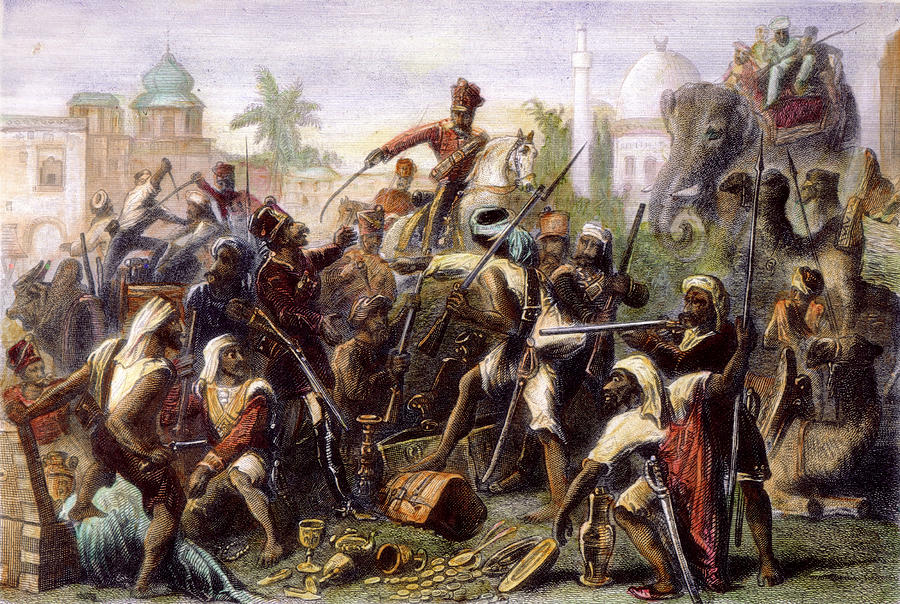 🇮🇳 IndiaWitch hunts in India
Violent persecution of people, mostly women, accused of witchcraft in rural India.Belief · Cursing and harm Living
 🇺🇸 United States and 5 moreFriday the 13th
A Western superstition that a specific calendar combination brings misfortuneBelief · Cursing and harm Living
 🇷🇴 Romania and 5 moreVampire folklore
Global legends of blood-drinking spirits and undead revenantsBelief · Cursing and harm · Protection Historical
🇭🇺 Hungary and 2 moreWitch trials in Hungary
A long-running series of legal persecutions for sorcery across Central Europe.Belief · Cursing and harm Historical
🇵🇱 Poland and 4 moreWitch trials in Poland
A historical record of sorcery prosecutions and executions in Poland from the 15th to the 19th century.Belief · Cursing and harm Historical
🇮🇹 ItalyWitch trials in Italy
Historic legal proceedings against alleged witches across Italian states from the 14th to 18th centuries.Belief · Cursing and harm Historical
 🇩🇪 GermanyTrier witch trials
A series of mass executions in the Holy Roman Empire between 1581 and 1593.Belief · Cursing and harm Historical
 🇮🇪 Ireland and 3 moreChangeling
A substitute left by supernatural beings in place of a stolen human child or adultBeing · Cursing and harm · Luck and prosperity Legendary
 🇺🇸 United States and 5 moreSatanic panic
A moral panic of unsubstantiated claims about occult child abuse that spread globally in the late twentieth centuryBelief · Cursing and harm Historical
🇮🇹 Italy and 1 moreAradia
A figure of Italian folklore and modern pagan witchcraft, seen as a teacher of magic and liberation.Figure · Cursing and harm · Power and authority Revived
🇫🇮 Finland and 1 moreWitch trials in Finland
A historical record of sorcery prosecutions in Finland under Swedish rule.Belief · Cursing and harm Historical
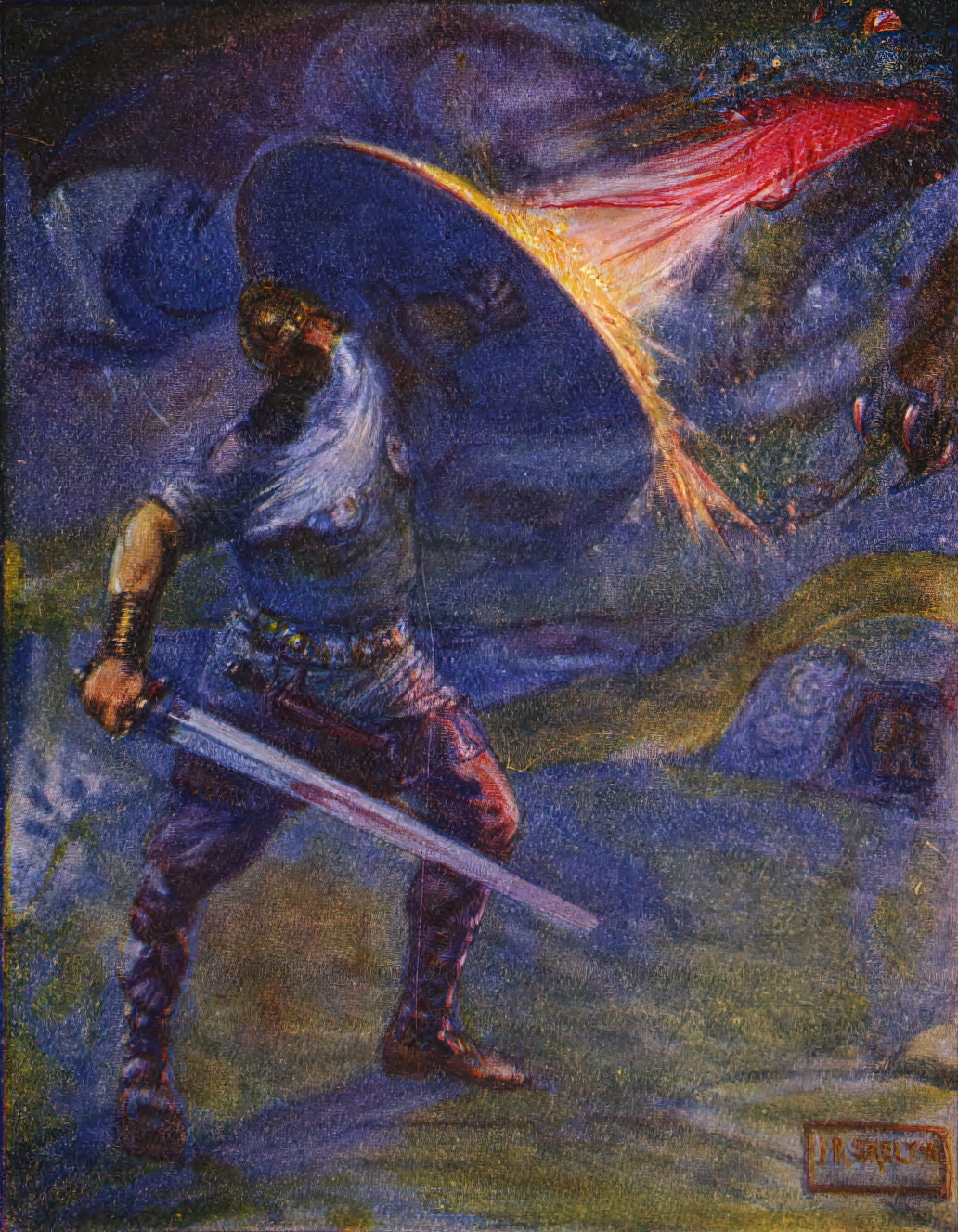 🇬🇧 United KingdomEnglish folklore
The myths, legends, and customs of England passed down through generations.Tradition · Protection · Cursing and harm Living
 🇬🇧 United KingdomWitch trials in England
Historical legal proceedings against alleged witches in England from the 15th to 18th centuries.Belief · Cursing and harm Historical
🇬🇧 United KingdomSt Mark's Eve
An English folk custom to witness omens of death and future marriage on the eve of a saint's feast dayRite · Seeing and foretelling · Cursing and harm Historical
 🇨🇱 ChileTrauco
A short forest man of Chiloé whom islanders blame for unclaimed pregnanciesBeing · Love and attraction · Cursing and harm Legendary
 🇨🇭 SwitzerlandValais witch trials
The first systematic European witch-hunt, beginning in the Valais region of Switzerland in 1428.Belief · Cursing and harm Historical
 🇸🇪 SwedenWitch trials in Denmark
A record of legal executions and local panics for sorcery in early modern DenmarkBelief · Cursing and harm Historical
 🇮🇳 IndiaLeft-Hand and Right-Hand Paths
Two distinct orientations in occult magic, dividing taboo-breaking from orthodoxy.Tradition · Change and initiation · Power and authority Living
 🇮🇱 Israel and 2 moreLeviathanלִוְיָתָן (Livyaṯān)
A primordial sea monster from ancient Near Eastern myth and biblical textBeing · Cursing and harm · Power and authority Historical
 🇯🇲 Jamaica and 5 moreObeah
A Caribbean tradition of ritual healing and spell-casting with African rootsTradition · Protection · Healing Living
 🇧🇯 Benin and 3 moreZangbeto
A masked night-guardian tradition among the Ogu people of West AfricaTradition · Protection · Cursing and harm Living
 🇸🇪 SwedenTorsåker witch trials
The largest recorded execution of accused witches in Sweden, carried out in a single day in 1675.Belief · Cursing and harm Historical
 🇪🇹 Ethiopia and 4 moreBudaቡዳ
An Ethiopian and Eritrean belief in the evil eye and hyena transformationBelief · Cursing and harm · Protection Living
 🇫🇷 FranceWitch trials in France
A fragmented history of judicial persecution across French regions from the fourteenth to the eighteenth centuryBelief · Cursing and harm Historical
 🇬🇷 Greece and 5 moreCrossroads (folklore)
A junction between worlds where spirits are met and deals are madeBelief · Speaking with spirits and the dead · Cursing and harm Living
 🇸🇪 Sweden and 3 moreSilver bullet
A projectile of silver said to pierce supernatural armor, and a metaphor for a simple fix.Charm · Cursing and harm · Luck and prosperity Historical
 🇸🇪 Sweden and 2 moreGermanic seeressvǫlva
Diviners and sorceresses of early Germanic and Norse societyTradition · Seeing and foretelling · Power and authority Revived
 🇪🇸 Spain and 6 moreBurning of Judas
An Easter rite where an effigy of the betrayer is destroyed by fire or other meansRite · Cursing and harm · Cleansing and purification Living
🇬🇧 United KingdomSpectral evidence
Court testimony based on visions of spirits during historical witch trialsBelief · Cursing and harm Historical
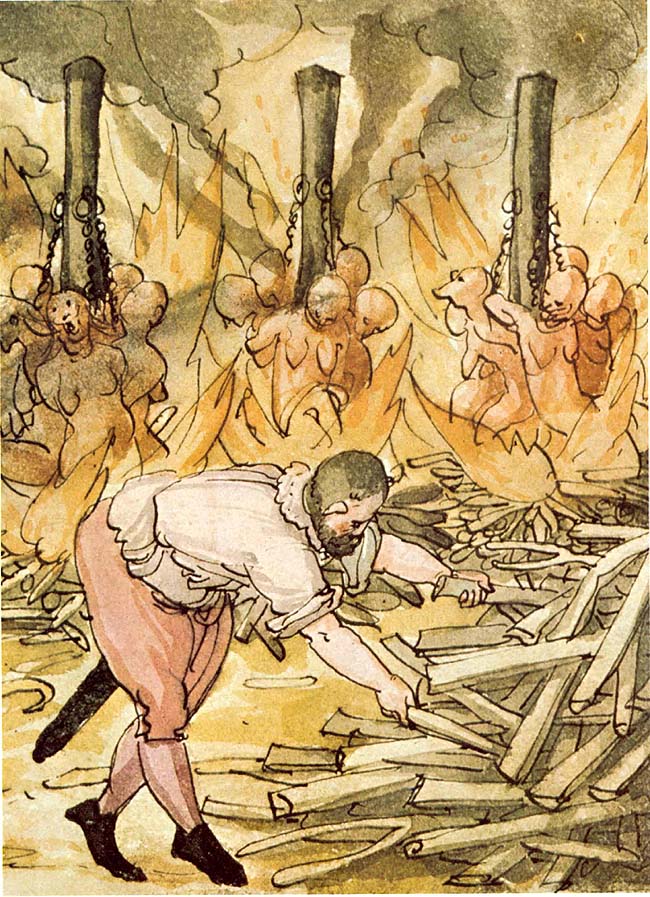 🇸🇦 Saudi Arabia and 5 moreWitch hunt
A campaign to find and punish people accused of using magic for harmBelief · Cursing and harm Historical
 🇸🇸 South Sudan and 2 moreAzande witchcraft
A hereditary power believed to cause harm through hatred and psychic force among the Azande people.Belief · Cursing and harm · Healing Living
🇼🇸 Samoa and 1 moreAitu
A Polynesian term for spirits, ghosts, or calamityBelief · Cursing and harm Historical
 🇩🇪 GermanyWürzburg witch trials
A mass execution of hundreds in a German Catholic principality during the Thirty Years WarBelief · Cursing and harm Historical
 🇮🇱 IsraelNumber of the beastἈριθμὸς τοῦ θηρίου
A biblical number linked to a prophetic figure and interpreted through ancient letter-value systems.Belief · Cursing and harm Historical
🇮🇳 IndiaPanchagavya
A fermented mixture of five cow products used in Hindu rituals and Ayurvedic traditions.Substance · Cleansing and purification · Cursing and harm Living
🇯🇵 JapanKuda-gitsune管狐 (kuda-gitsune)
A small spirit kept in a tube or sleeve, used by Japanese folk practitioners for divination and cursing.Being · Seeing and foretelling · Cursing and harm Legendary
Photo credits on this page
The small pictures above come from Wikimedia Commons under free licences. Some are cropped to fit.
- Lucifer: Gustave Doré, Public domain, source
- Obeah: Various, published by David Nutt, Public domain, source
- Burning of Judas: Unknown author, Public domain, source
- Witch trials in England: Totnesmartin, Public domain, source
- Vampire folklore: Dick Thomas Johnson, CC BY 2.0, source
- Silver bullet: Smithsonian Institution, CC0, source
- Germanic seeress: Emil Doepler, Public domain, source
- Changeling: Henry Fuseli, Public domain, source
- Würzburg witch trials: Sweet Chily, Public domain, source
- English folklore: J. R. Skelton, Public domain, source
- Witch hunts in India: Granger, Public domain, source
- Valais witch trials: Dagalia2, CC BY-SA 4.0, source
- Theistic Satanism: Alexandre Cabanel, Public domain, source
- Witch trials in Denmark: Rigsarkivet - Danish National Archives, CC BY-SA 2.0, source
- Leviathan: Gustave Doré, Public domain, source
- Trauco: Seo2 (Cristian), CC BY 2.0, source
- Zangbeto: Grete Howard, CC BY 3.0, source
- Torsåker witch trials: Y-näsmannen, CC0, source
- Buda: Aberdeen Bestiary, Public domain, source
- Crossroads (folklore): MiddleOfAfrica, CC BY-SA 4.0, source
- Witch hunt: Johann Jakob Wick, Public domain, source
- Azande witchcraft: Unknown author, CC BY 4.0, source
- Tengu: Katsushika Hokusai, Public domain, source
- Witch trials in France: Unknown author, CC BY 4.0, source
- Trier witch trials: Unknown author, Public domain, source
- Satanic panic: Hartmann Schedel (1440-1514), Public domain, source
- Baphomet: Eliphas Levi, Public domain, source
- Friday the 13th: Leonardo da Vinci, Public domain, source
- Fig sign: Harald the Bard, CC BY-SA 4.0, source
- Taotie: anonymous, CC0, source
- Lilith: Photographs by Ardon Bar Hama, author of original document is unknown., Public domain, source
- Number of the beast: William Blake, Public domain, source
- Azazel: Louis Le Breton, Public domain, source
- White Lady: engraved by Ames of Bristol (according to Fincham, Artists and engrave, Public domain, source
- Evil eye: FocalPoint, CC BY-SA 3.0, source