
Valais witch trials
The first systematic European witch-hunt, beginning in the Valais region of Switzerland in 1428.
These events mark the start of widespread European witch persecution. They began in the Valais region, then under Savoyard and ecclesiastical control, and spread through the Western Alps before fading after several years.
- Began in 1428 in the Valais region of Switzerland.
- First systematic European witch-hunt with hundreds of executions.
- Victims were predominantly male, unlike later trials.
- Spread from French-speaking to German-speaking valleys.
- Influenced theologians at the Council of Basel.
What it is
The Valais witch trials represent the initial phase of a massive wave of judicial killings across Europe. Beginning in 1428, this campaign targeted individuals accused of sorcery, heresy, and pacts with demonic forces. Unlike earlier sporadic executions, this movement involved organized legal procedures that resulted in hundreds of deaths. The persecutions originated in the French-speaking Lower Valais and expanded into the German-speaking Upper Valais, affecting entire valleys within the Western Alps. This event established a template for future hunts, shifting accusations from isolated acts to coordinated conspiracies involving sabbaths and supernatural harm.
Where it comes from
The trials emerged from a fragmented political landscape following local rebellions and weakening Savoyard authority. An active inquisition had been established in Lausanne due to earlier Waldensian persecutions, providing a mechanism for religious policing. Contemporary accounts, such as the report by Johannes Fründ written around 1430, describe the rapid escalation. Accusations spread from specific valleys like Anniviers and Hérens to the wider region by the summer of 1428. Local authorities formalized the process, allowing arrests based on neighbor slander and permitting torture under strict conditions regarding the number of accusers.
How it is done
Legal procedures were codified quickly, with Leuk issuing proclamations in August 1428 detailing arrest and imprisonment criteria. Authorities could detain suspects based on the testimony of three or four neighbors. Torture was authorized if five to ten qualified witnesses accused the individual, or if three previously convicted witches named them. Victims faced interrogation regarding their alleged pacts with the devil, who was described appearing as animals like bears or rams. Many confessed to causing physical ailments, ruining crops, and attending nocturnal gatherings. Some reports mention claims of flying via salves or transforming into wolves, though these were part of the confessions extracted during the proceedings.
Tools and materials
The primary tools were legal documents and testimonies rather than ritual objects. Proclamations defined the thresholds for arrest and torture. Witnesses served as the instruments of accusation, with their numbers determining the severity of judicial response. Confessions detailed imagined artifacts like invisibility potions or salves for flying chairs, but these were narrative elements of the accusations. The trial records themselves, preserved in libraries in Lucerne and Strasbourg, serve as the main historical evidence of the methods used to extract information and justify executions.
Valais witch trials, drawn and placed
- Living
- Revived
- Fading
- Historical
- Legendary
- Performed
- Lineage
- European witch trials
What it is for
The stated purpose was to eradicate heresy and protect the community from demonic influence. Accusations focused on preventing harm such as blindness, infertility, and livestock death. The trials aimed to dismantle networks believed to be worshipping the devil and disrupting Christian worship. By targeting those accused of making pacts with dark forces, authorities sought to restore spiritual and social order. The emphasis on public slander and neighbor testimony reflects a desire to police community behavior and identify internal threats to religious conformity.
Who does it
Judges and local magistrates conducted the trials, operating within a framework influenced by the inquisition. Accusers were typically neighbors or community members whose testimony triggered legal action. The accused included both nobility and commoners, indicating that status did not guarantee immunity. Historians note a distinct gender distribution compared to later periods, with men comprising approximately two-thirds of the victims. This contrasts with the predominantly female targets of subsequent centuries, suggesting different social dynamics or accusations in this early phase.
Peoples and places
The trials affected both Walche (French-speaking) and Tutsche (German-speaking) populations in the Valais. The phenomenon moved from the Lower Valais to the Upper Valais and neighboring regions like Vaud, Fribourg, and Neuchâtel. The linguistic and cultural divisions did not halt the spread of the persecutions. As the movement subsided in the Valais after six to eight years, it continued to influence surrounding areas for decades. The shared fear of sorcery transcended regional boundaries, creating a network of similar cases across the Western Alps and beyond.
At a glance: who, where and when


What people believe
Accused individuals were said to have made pacts with the devil, paying tribute to him in exchange for power. Beliefs included attending witches' sabbaths where anti-Christian sermons were delivered by figures like schoolmasters. Victims were thought to cause harm through curses, ruin crops, and prevent milk production. Some confessions included claims of shapeshifting into wolves or using potions for invisibility. The devil was often depicted as a black animal, such as a ram or bear. These narratives constructed a worldview where evil operated through secret alliances and supernatural interference in daily life.
When it is done
The trials began in 1428 and intensified through the summer of that year. A key procedural proclamation was issued on August 7, 1428. The main wave of persecution lasted until approximately 1434 or 1436, though some cases extended into the 1440s. The timing coincided with the Council of Basel (1431–1437), which may have amplified awareness of these events among theologians. The seasonal nature of the accusations is less clear, but the rapid spread suggests a sustained period of panic rather than isolated incidents tied to specific agricultural cycles.
How scholars and sceptics see it
Historians view the Valais trials as the starting point of systematic European witch-hunting. The account by Johannes Fründ provides critical insight into early accusations and legal procedures. Scholars note the influence of the Council of Basel in disseminating these cases to theologians like Johannes Nider. Research highlights the unique demographic profile of the victims, with a majority being male, unlike later trials. The fragmentation of political power and the presence of an inquisition are cited as key factors enabling the rapid escalation of persecutions in the region.
Cautions and what is closed
The trials resulted in the execution of hundreds of people, many tortured to death or burned. The legal standards allowed for arrests based on limited testimony, leading to widespread fear and suspicion within communities. The use of torture to extract confessions about imaginary crimes caused immense suffering. The campaigns targeted individuals regardless of noble status, demonstrating the indiscriminate nature of the violence. The legacy includes a history of injustice where neighbors turned against each other, fueled by religious anxiety and political instability.
Compare and confuse
The Valais trials differ from later European witch-hunts primarily in the gender of the victims, who were mostly men. While later periods focused heavily on women as witches, this early phase targeted a broader demographic. The legal procedures established here influenced subsequent hunts in regions like Fribourg and Neuchâtel. The narrative elements, such as sabbaths and pacts with the devil, became standard tropes in later trials. The Valais case serves as a precursor, showing how localized fears evolved into continent-wide persecutions over the following centuries.
Law and persecution
Local authorities enacted proclamations to regulate the trials, setting specific rules for accusations and torture. These laws allowed for the imprisonment of suspects based on neighbor slander. The legal framework permitted the use of torture under controlled conditions, requiring multiple qualified witnesses. Despite these regulations, the outcome was mass execution. The trials occurred within a context where the inquisition had established a presence, providing institutional support for the prosecutions. The legal processes ultimately facilitated the deaths of hundreds, reflecting the severe penalties assigned to sorcery at the time.
Questions people ask about Valais witch trials
What makes the Valais witch trials significant?
They mark the beginning of systematic witch-hunting in Europe, moving beyond sporadic executions to organized campaigns with legal frameworks that influenced later persecutions across the continent.
Who were the main victims of these trials?
Unlike later periods where women were the primary targets, historians estimate that two-thirds of the victims in the Valais trials were men, including both nobles and commoners.
How did the trials spread so quickly?
Starting in specific valleys, the accusations rapidly expanded through the Valais due to political fragmentation and the presence of an active inquisition, spreading to neighboring regions like Vaud and Fribourg.
What role did the Church play?
An inquisition seat in Lausanne provided institutional support, and theologians at the Council of Basel reviewed the cases, helping to spread the narrative of witchcraft to other parts of Europe.
When did the persecutions end?
The main wave subsided after six to eight years, around 1434 or 1436, though related cases continued in the region and neighboring areas for several more decades.
Good reading and sources
- Valais witch trials on WikipediaEncyclopedia
- More photos on Wikimedia CommonsPhotos and video
- Wikidata recordOpen data
The facts on this page come from the Wikipedia article "Valais witch trials", written by its contributors and used under the CC BY-SA 4.0 licence, and from its Wikidata record (CC0). EveryJaadu rewrote the text in its own words, with AI assistance, and compares every page with the article to make sure no passage is copied. It may be reused under the same CC BY-SA 4.0 licence with a link back.
It may contain mistakes. Names and customs differ from one community to the next, and some knowledge is closed to outsiders and left out here. This page describes belief and practice. It does not say that any of it works, it is not a how-to, and it is not medical advice. If something is wrong, tell us. Last refreshed 2026-10-05.
More from Switzerland
All the entries from Switzerland 🇮🇹 Italy and 5 moreTarottarocchi
A set of playing cards used for games and divinationTradition · Seeing and foretelling · Luck and prosperity Living
🇮🇹 Italy and 5 moreTarottarocchi
A set of playing cards used for games and divinationTradition · Seeing and foretelling · Luck and prosperity Living
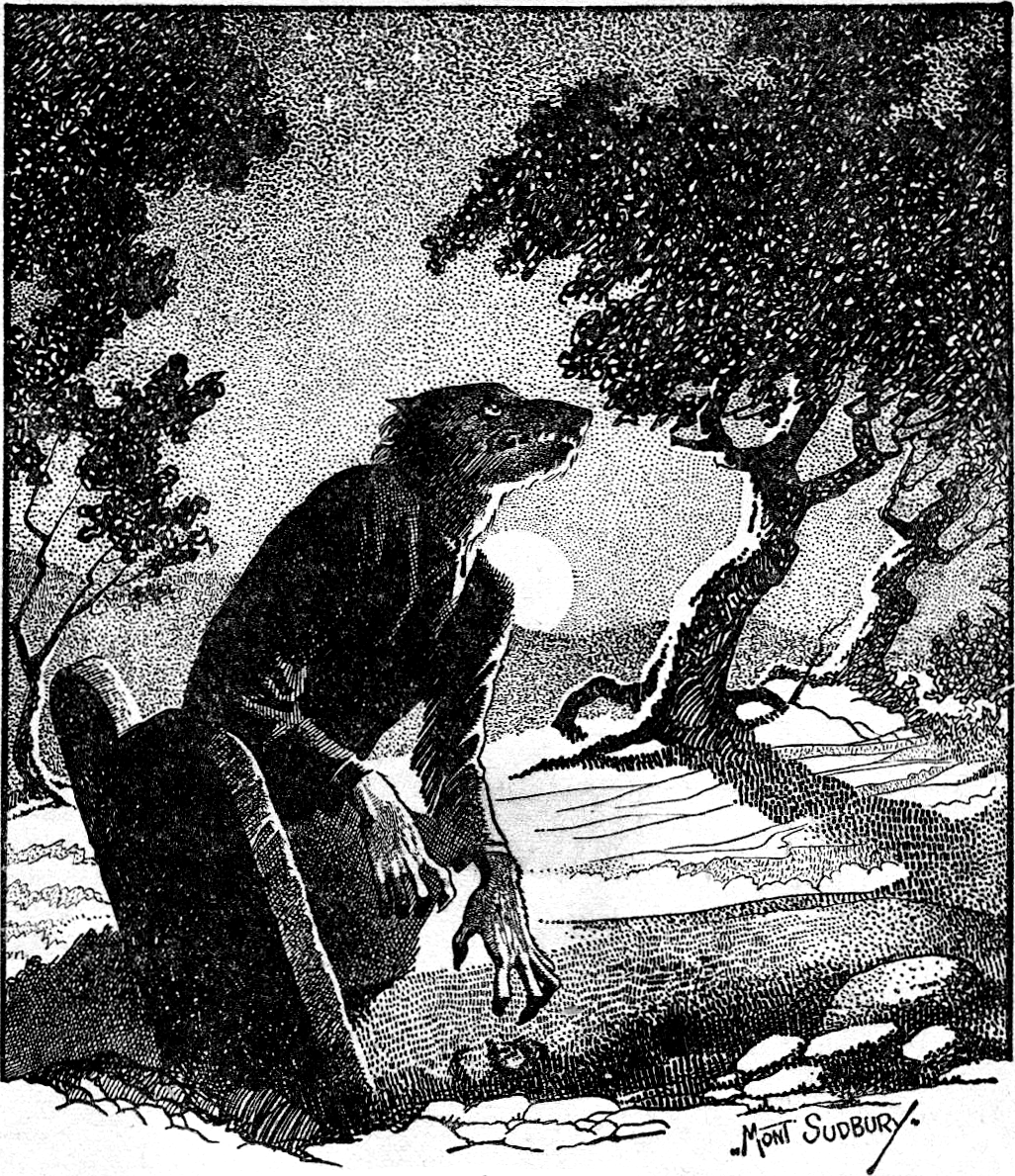 🇫🇷 France and 5 moreWerewolf
A mythical shapeshifter that turns into a wolf, central to European witch-hunts and Gothic horror.Being · Cursing and harm · Wonder and entertainment Legendary
🇫🇷 France and 5 moreWerewolf
A mythical shapeshifter that turns into a wolf, central to European witch-hunts and Gothic horror.Being · Cursing and harm · Wonder and entertainment Legendary
 🇩🇪 Germany and 5 moreWitch trials in the Holy Roman Empire
A wave of executions across Central Europe between the fifteenth and eighteenth centuries.Belief · Cursing and harm Historical
🇩🇪 Germany and 5 moreWitch trials in the Holy Roman Empire
A wave of executions across Central Europe between the fifteenth and eighteenth centuries.Belief · Cursing and harm Historical
Related elsewhere
All tradition 🇪🇬 Egypt and 1 moreLilithלִילִית
A feminine figure from Mesopotamian and Jewish mythology, often depicted as a night demon or spirit.Being · Cursing and harm Legendary
🇪🇬 Egypt and 1 moreLilithלִילִית
A feminine figure from Mesopotamian and Jewish mythology, often depicted as a night demon or spirit.Being · Cursing and harm Legendary
 🇪🇬 EgyptCurse
A spoken wish for misfortune to befall a person or placeBelief · Cursing and harm · Luck and prosperity Historical
🇪🇬 EgyptCurse
A spoken wish for misfortune to befall a person or placeBelief · Cursing and harm · Luck and prosperity Historical
 🇲🇽 Mexico and 5 moreLa Llorona
A vengeful ghost in Hispanic American folklore who mourns drowned children near water.Figure · Cursing and harm Living
🇯🇵 JapanKitsunetsuki狐憑き
A Japanese folk belief in which a fox spirit enters and controls a human host.Belief · Cursing and harm · Speaking with spirits and the dead Historical
🇲🇽 Mexico and 5 moreLa Llorona
A vengeful ghost in Hispanic American folklore who mourns drowned children near water.Figure · Cursing and harm Living
🇯🇵 JapanKitsunetsuki狐憑き
A Japanese folk belief in which a fox spirit enters and controls a human host.Belief · Cursing and harm · Speaking with spirits and the dead Historical