
Witch trials in England
A historical period of legal persecution for alleged sorcery in England from the 15th to the 18th century
England conducted formal legal proceedings against people accused of witchcraft from the Middle Ages until the early 1700s. These trials peaked during the mid-17th century civil wars and resulted in approximately five hundred executions.
- Approximately 500 people were executed for witchcraft in England.
- Ninety percent of those executed were women.
- Trials peaked during the English Civil War and Puritan era.
- The last confirmed execution occurred in Bideford in 1682.
- The Witchcraft Act of 1735 ended prosecutions for witchcraft.
What it is
The witch trials in England were a series of legal proceedings targeting individuals accused of practicing magic or sorcery. These events spanned several centuries, beginning in the Middle Ages and ending in the eighteenth century. The accusations typically involved claims that the accused had made pacts with evil spirits or used harmful magic against neighbors and livestock. While early cases often targeted elite figures for political reasons, later periods saw widespread suspicion across all social classes. The state eventually codified these beliefs into law, treating witchcraft as a serious criminal offense punishable by death.
Where it comes from
Early medieval trials were rare and usually focused on high-status individuals or those connected to the elite, often serving political purposes. Notable early examples include the 1441 cases involving Eleanor Cobham and Margery Jourdemayne. A significant shift occurred in the late sixteenth century when witch hunts became widespread. This escalation was influenced by international events, such as the Copenhagen and North Berwick trials, which inspired King James VI and I to strengthen English laws regarding sorcery upon his accession to the throne in 1603.
How it is done
Accusations frequently arose within close-knit rural communities where personal grudges could be settled through legal channels. Victims were often poor elderly women with reputations for begging or causing minor harm to property. Trials relied heavily on local testimony rather than evidence of supernatural sabbaths. Legal statutes evolved over time, initially making witchcraft a capital offense under Henry VIII before repealing it. Subsequent acts under Elizabeth I and James I classified witchcraft as a felony, allowing for harsher punishments including execution for those found guilty of causing death through sorcery.
Tools and materials
Legal documents and statutory acts formed the primary tools of prosecution. The Witchcraft Act of 1541, followed by the acts of 1563 and 1603, defined the crimes and penalties. Courts utilized structures known as cages for public humiliation and confinement during trials. These barred enclosures exposed prisoners to the elements and served to reinforce societal authority. Evidence often included claims of familiar spirits or injuries inflicted on livestock, reflecting the community's reliance on barter and mutual dependence.
Witch trials in England, drawn and placed
- Living
- Revived
- Fading
- Historical
- Legendary
- Performed
What it is for
Prosecutions aimed to eliminate perceived threats to social order and religious purity. Accusers sought redress for personal grievances, economic disputes, or unexplained misfortunes affecting their families or animals. The legal system provided a mechanism to punish those deemed dangerous or disruptive. Over time, the purpose shifted from active hunting to legal skepticism, culminating in the Witchcraft Act of 1735, which ended prosecutions by treating witchcraft claims as fraud rather than genuine magical harm.
Who does it
Historians and legal scholars analyze these trials to understand the social and political dynamics of early modern England. Key figures like Matthew Hopkins acted as witch hunters during the intense period of the Civil War. Judges such as Sir John Holt played crucial roles in reducing convictions through skeptical interpretations of the law. The victims were predominantly women, representing about ninety percent of those executed. Their status as poor, marginalized individuals made them vulnerable targets for community accusations.
Peoples and places
The phenomenon was distinct to England compared to other European nations, with fewer accusations of attending witches' sabbaths. Communities like St. Osyth exemplify how small villages utilized the legal system to resolve internal conflicts. The practice spread to English colonies in North America, including the Thirteen Colonies, where famous cases like Salem occurred. In Pennsylvania, some defendants were acquitted due to the influence of leaders like William Penn. The English approach differed from continental Europe in its focus on local grievances rather than demonic conspiracy.
At a glance: who, where and when
Who does it
Peoples

What people believe
Society broadly believed in the reality of witches throughout the sixteenth and seventeenth centuries. The legal framework assumed that individuals could make pacts with Satan and cause tangible harm through magic. This belief system justified severe punishments, including hanging for most convictions and burning for those accused of using witchcraft to commit murder. The transition toward skepticism among jurists gradually undermined these beliefs, leading to a reclassification of witchcraft as deception rather than supernatural power.
When it is done
Trials occurred continuously but intensified during specific periods of political and religious tension. The height of the witch hunt coincided with the English Civil War (1642–1651) and the subsequent Puritan era of the 1650s. Early cases appeared sporadically in the Middle Ages, while the peak activity happened after the succession of James I. The final confirmed execution took place in Bideford in 1682, marking the end of an era that had seen periodic surges in accusation and punishment over two centuries.
How scholars and sceptics see it
Modern historians examine the trials through lenses of political conflict and social history. Research suggests that post-Civil War tensions between Whigs and Anglican Tories influenced conviction rates. Scholars note that the legal evolution reflected changing attitudes toward evidence and supernatural claims. The work of jurists like Sir John Holt demonstrates how legal skepticism can reduce persecution. Studies also highlight the role of community dynamics, showing how economic hardship and social isolation contributed to the targeting of vulnerable individuals.
Cautions and what is closed
The trials resulted in the deaths of approximately five hundred people, mostly women. Many victims were falsely accused and forced to confess under pressure. The legal system allowed for severe punishments based on questionable evidence and community bias. Public humiliation through structures like cages added to the suffering of the accused. The legacy of these trials includes a recognition of judicial error and the dangers of allowing superstition to drive legal outcomes. Modern scholarship emphasizes the vulnerability of marginalized groups in such systems.
Questions people ask about Witch trials in England
What were witch trials in England?
They were legal proceedings from the fifteenth to the eighteenth century targeting people accused of sorcery. The state prosecuted these cases, resulting in hundreds of executions, primarily of women, based on beliefs in harmful magic and pacts with evil spirits.
When did the witch hunts in England begin and end?
Early cases appeared in the Middle Ages, but widespread hunts began in the late sixteenth century. The practice ended legally with the Witchcraft Act of 1735, though the last execution occurred in 1682. The intensity varied, peaking during the mid-seventeenth century civil wars.
Who were the typical victims of English witch trials?
Victims were often poor, elderly women with bad reputations who lived in close-knit communities. They were frequently accused by neighbors of harming livestock or causing personal grievances. Their marginal status made them vulnerable targets for legal action driven by social resentment.
How did English witch trials differ from those in Europe?
England saw fewer accusations of attending witches' sabbaths or making pacts with Satan compared to continental Europe. The focus was more on local grievances and practical harm caused by suspected magic. Colonial trials in America followed English legal patterns but developed their own distinct characteristics.
Good reading and sources
The facts on this page come from the Wikipedia article "Witch trials in England", written by its contributors and used under the CC BY-SA 4.0 licence, and from its Wikidata record (CC0). EveryJaadu rewrote the text in its own words, with AI assistance, and compares every page with the article to make sure no passage is copied. It may be reused under the same CC BY-SA 4.0 licence with a link back.
It may contain mistakes. Names and customs differ from one community to the next, and some knowledge is closed to outsiders and left out here. This page describes belief and practice. It does not say that any of it works, it is not a how-to, and it is not medical advice. If something is wrong, tell us. Last refreshed 2026-10-05.
More from the United Kingdom
All the entries from the United Kingdom 🇬🇧 United Kingdom and 2 moreKing ArthurBrenin Arthur
A legendary British king and folk hero of medieval literature and Welsh mythologyFigure · Power and authority · Wonder and entertainment Legendary
🇬🇧 United Kingdom and 2 moreKing ArthurBrenin Arthur
A legendary British king and folk hero of medieval literature and Welsh mythologyFigure · Power and authority · Wonder and entertainment Legendary
 🇬🇧 United KingdomSamlesbury witches
Three Lancashire women acquitted in a 1612 trial linked to anti-Catholic propagandaBelief · Cursing and harm Historical
🇬🇧 United KingdomSamlesbury witches
Three Lancashire women acquitted in a 1612 trial linked to anti-Catholic propagandaBelief · Cursing and harm Historical
 🇬🇧 United KingdomWitch trials in early modern Scotland
A period of judicial persecution where thousands were executed for alleged sorcery and diabolic pactsBelief · Cursing and harm Historical
🇬🇧 United KingdomWitch trials in early modern Scotland
A period of judicial persecution where thousands were executed for alleged sorcery and diabolic pactsBelief · Cursing and harm Historical
 🇬🇧 United KingdomBideford witch trial
The final English hangings for witchcraft in 1682.Belief · Cursing and harm Historical
🇬🇧 United KingdomBideford witch trial
The final English hangings for witchcraft in 1682.Belief · Cursing and harm Historical
Related elsewhere
All belief 🇪🇬 Egypt and 1 moreLilithלִילִית
A feminine figure from Mesopotamian and Jewish mythology, often depicted as a night demon or spirit.Being · Cursing and harm Legendary
🇪🇬 Egypt and 1 moreLilithלִילִית
A feminine figure from Mesopotamian and Jewish mythology, often depicted as a night demon or spirit.Being · Cursing and harm Legendary
 🇪🇬 EgyptCurse
A spoken wish for misfortune to befall a person or placeBelief · Cursing and harm · Luck and prosperity Historical
🇪🇬 EgyptCurse
A spoken wish for misfortune to befall a person or placeBelief · Cursing and harm · Luck and prosperity Historical
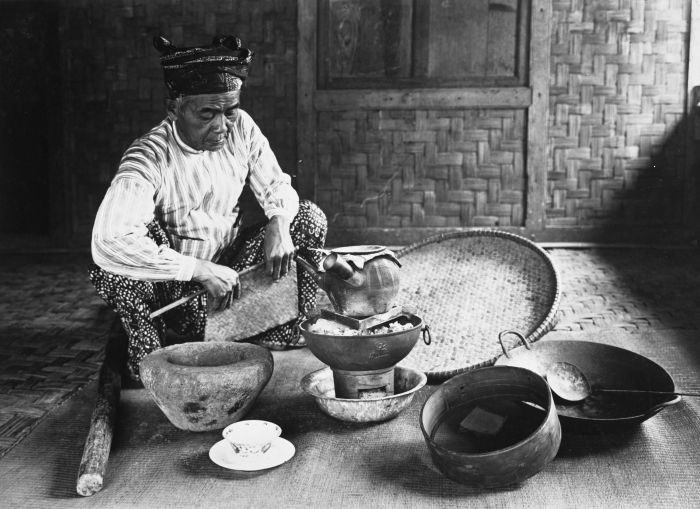 🇮🇩 Indonesia and 2 moreDukun
A traditional healer and spirit medium in Indonesian folk practiceTradition · Healing · Seeing and foretelling Living
🇮🇩 Indonesia and 2 moreDukun
A traditional healer and spirit medium in Indonesian folk practiceTradition · Healing · Seeing and foretelling Living
 🇮🇳 India and 5 moreHoliहोली
A Hindu spring festival marked by coloured powders and bonfires to celebrate love and virtue.Tradition · Love and attraction · Cursing and harm Living
🇮🇳 India and 5 moreHoliहोली
A Hindu spring festival marked by coloured powders and bonfires to celebrate love and virtue.Tradition · Love and attraction · Cursing and harm Living