Aitu
from Polynesian languages meaning ghost or spirit
A Polynesian term for spirits, ghosts, or calamity
The word aitu appears across many Polynesian languages to name ghosts, malevolent spirits, or sudden disaster. In Tongan lore these beings are lesser deities linked to villages, while in Māori tradition the same root signals illness or bad luck.
- Aitu means ghost or spirit in many Polynesian languages
- In Tonga, ʻaitu are lesser gods of villages and families
- Māori use aituā to mean misfortune or disaster
- Cook Islander tribes named Aitu came from the east
- Sacrifices of Aitu people occurred at te umu Aitu oven
What it is
Aitu is a word found throughout Polynesia that names spirits, ghosts, or disasters. In Tonga, the variant ʻaitu refers to minor gods who watch over families and villages. These figures often appear as plants or animals and act with cruelty. In Tahitian, the word can mean god or spirit. For Māori people, it stands for sickness or demons. The related form aituā describes misfortune or accident. Across many islands, the term marks something beyond human control.
Where it comes from
Tongan stories say these trouble-making gods came from Samoa. In the Cook Islands, ancient tribes named Aitu arrived from the east. Tradition holds that some settled on Aitutaki, Atiu, and Mangaia. On Aitutaki, they were driven away or destroyed. On Mangaia, they were killed to feed the gods. A large oven called te umu Aitu remains there as proof of those sacrifices.
Aitu, drawn and placed
- Living
- Revived
- Fading
- Historical
- Legendary
- Performed
- Lineage
- Polynesian mythology
What it is for
People use the word to describe forces that bring harm or illness. In Tonga, the tangi lauʻaitu phrase means to cry out in grief because of these spirits. The concept explains why disasters happen or why ancestors might cause trouble. It frames calamity as a spiritual presence rather than a random event.
Peoples and places
The term spans Western and Eastern Polynesia. Samoans use it for ghosts. Tongans see it as village patrons. Māori link it to disease. Cook Islanders remember it as tribal ancestors. Cognates exist in Micronesia and Southeast Asia, including aniti, hanitu, anito, hantu, and antu. Each culture shapes the meaning slightly differently based on local history and belief.
At a glance: who, where and when
Belief worlds
What people believe
The worldview places spirits between gods and humans. They demand respect but also fear. Sacrifices were made to them in Mangaia. Their origin from Samoa shows how myths travel. They represent the dangerous side of the spiritual world, unlike higher gods who offer protection.
Compare and confuse
It relates to atua in Tahitian, which means god. Kupua in Hawaiian myth also involves shape-shifting spirits. Taotao Mona in Chamorro refers to ancestral ghosts. The word shares roots with Malay hantu, showing a wide Austronesian connection to unseen beings.
Questions people ask about Aitu
What does aitu mean?
It is a Polynesian word for ghost, spirit, or calamity. In Tonga it names minor gods. In Māori it signals sickness or bad luck.
Where does the word come from?
It originates in Polynesian languages. Cognates appear in Micronesia and Southeast Asia, such as hantu in Malay and anito in Filipino.
Are aitu dangerous?
Yes. Tongan stories describe them as cruel. They caused disasters and required sacrifice in Mangaia to keep them appeased.
Good reading and sources
The facts on this page come from the Wikipedia article "Aitu", written by its contributors and used under the CC BY-SA 4.0 licence, and from its Wikidata record (CC0). EveryJaadu rewrote the text in its own words, with AI assistance, and compares every page with the article to make sure no passage is copied. It may be reused under the same CC BY-SA 4.0 licence with a link back.
It may contain mistakes. Names and customs differ from one community to the next, and some knowledge is closed to outsiders and left out here. This page describes belief and practice. It does not say that any of it works, it is not a how-to, and it is not medical advice. If something is wrong, tell us. Last refreshed 2026-10-05.
More from Samoa
All the entries from Samoa 🇻🇺 Vanuatu and 5 moreKava culture
A shared ritual across Oceania where a root brew marks ceremony, respect, and social gathering.Tradition · Speaking with spirits and the dead · Luck and prosperity Living
🇹🇴 Tonga and 2 moreTongan mythologytala-ē-fonua
The myths and legends of the Polynesian island nation of TongaTradition · Wonder and entertainment Historical
🇻🇺 Vanuatu and 5 moreKava culture
A shared ritual across Oceania where a root brew marks ceremony, respect, and social gathering.Tradition · Speaking with spirits and the dead · Luck and prosperity Living
🇹🇴 Tonga and 2 moreTongan mythologytala-ē-fonua
The myths and legends of the Polynesian island nation of TongaTradition · Wonder and entertainment Historical
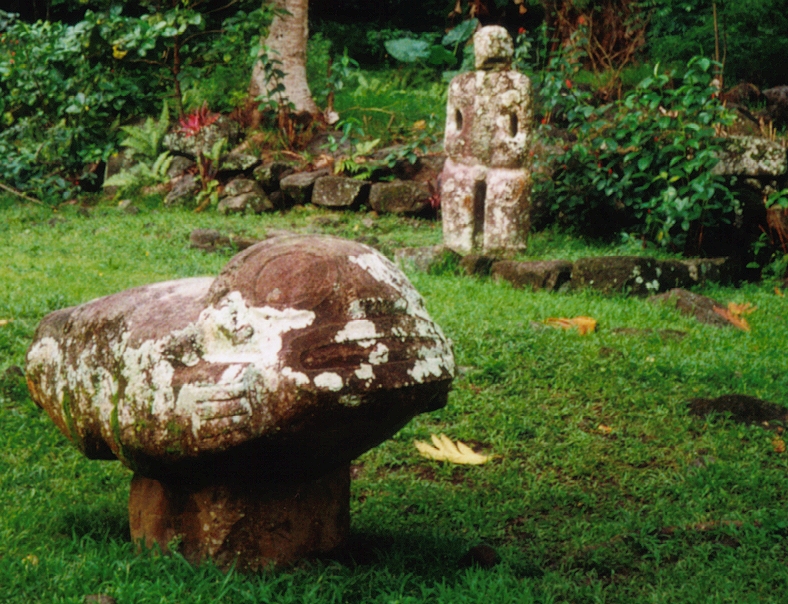 🇳🇿 New Zealand and 2 morePolynesian mythology
The oral traditions and legends of the Polynesian peoples across the PacificTradition · Speaking with spirits and the dead Living
🇳🇿 New Zealand and 2 morePolynesian mythology
The oral traditions and legends of the Polynesian peoples across the PacificTradition · Speaking with spirits and the dead Living
Related elsewhere
All belief 🇷🇸 Serbia and 5 moreVampire
An undead creature from folklore that feeds on the blood or life force of the livingBeing · Cursing and harm · Luck and prosperity Legendary
🇷🇸 Serbia and 5 moreVampire
An undead creature from folklore that feeds on the blood or life force of the livingBeing · Cursing and harm · Luck and prosperity Legendary
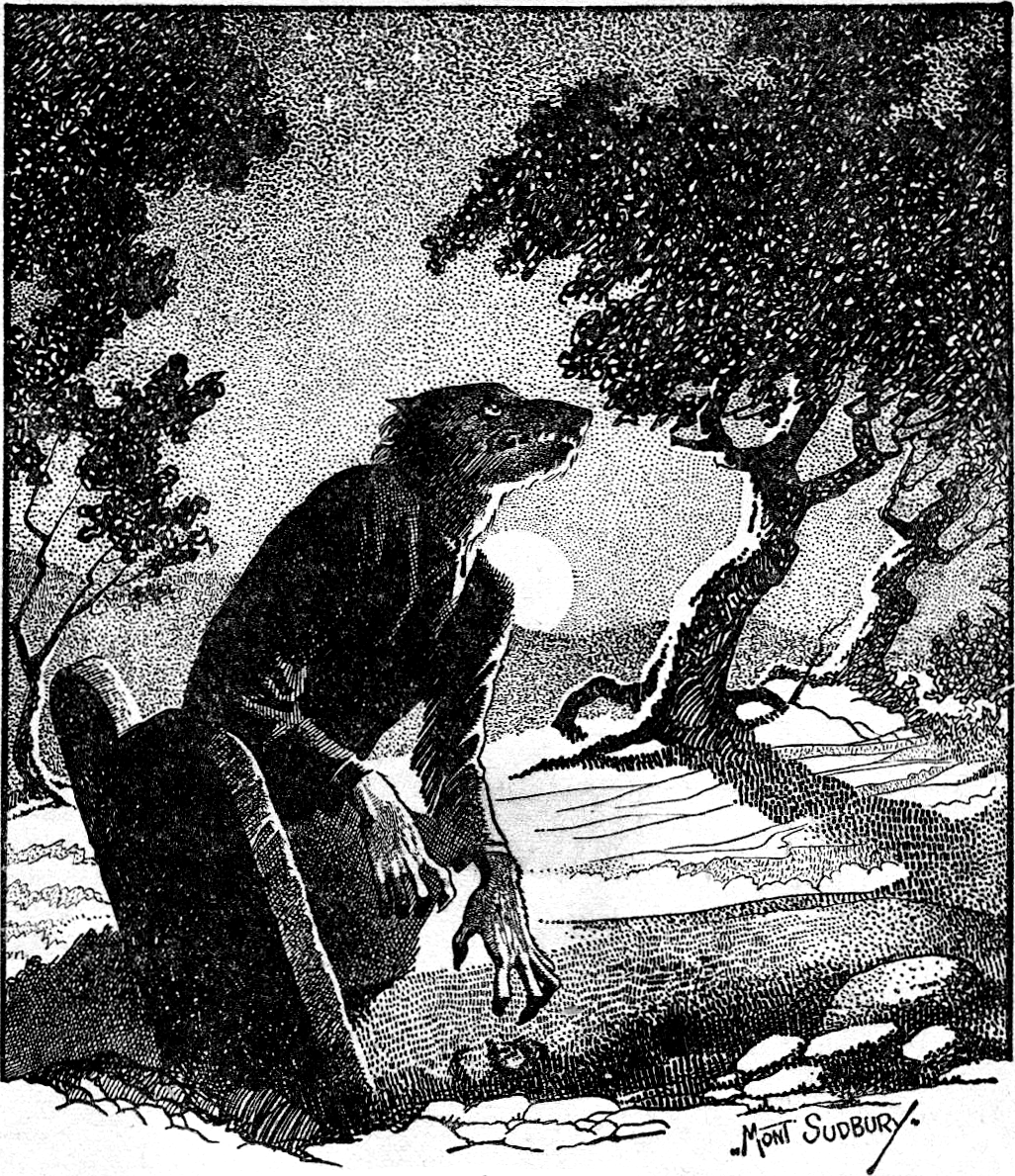 🇫🇷 France and 5 moreWerewolf
A mythical shapeshifter that turns into a wolf, central to European witch-hunts and Gothic horror.Being · Cursing and harm · Wonder and entertainment Legendary
🇫🇷 France and 5 moreWerewolf
A mythical shapeshifter that turns into a wolf, central to European witch-hunts and Gothic horror.Being · Cursing and harm · Wonder and entertainment Legendary
 🇪🇬 Egypt and 1 moreLilithלִילִית
A feminine figure from Mesopotamian and Jewish mythology, often depicted as a night demon or spirit.Being · Cursing and harm Legendary
🇪🇬 Egypt and 1 moreLilithלִילִית
A feminine figure from Mesopotamian and Jewish mythology, often depicted as a night demon or spirit.Being · Cursing and harm Legendary
 🇪🇬 EgyptCurse
A spoken wish for misfortune to befall a person or placeBelief · Cursing and harm · Luck and prosperity Historical
🇪🇬 EgyptCurse
A spoken wish for misfortune to befall a person or placeBelief · Cursing and harm · Luck and prosperity Historical