Speaking with spirits and the dead
Mediumship, ancestor rites, possession and the offerings made to the unseen.
Speaking with spirits and the dead is the aim of mediumship, ancestor rites, possession and necromancy. It runs from the spirit mediums of Korea and Brazil to Vodou possession, Chinese ancestor offerings, the Mexican Day of the Dead, Victorian spiritualism and the Witch of Endor of the Bible. It is a central practice in some living religions and a frequent target of fraud in others. This page covers who speaks to the dead and how they are judged.
Ways of contact
Methods differ. In possession, a spirit or deity is said to speak through the body of a medium, as in Vodou, Candomblé, Haitian and Brazilian rites, and in Korean gut. In trance or dream, a shaman travels to the spirit world. In offerings and festivals, families feed and talk to ancestors, as in the Hungry Ghost month in China and the ofrenda in Mexico. Spiritualism added the seance and the table-rapping of the 1840s.
Who may
In many societies, women lead: Korean mudang, Okinawan yuta, Brazilian mães de santo and the Western spiritualist mediums of the nineteenth century, who found in mediumship a public role denied elsewhere. Elsewhere, the role is for elders and ancestors' descendants. Some traditions require initiation, and some say contact with the dead is not for outsiders to attempt. Spirits and ancestors are not always friendly: mediums report angry, hungry or lost beings, and rites exist for settling them, such as offerings for neglected ancestors in China and Vietnam.
Authority and fear
Religions disagree. Christianity, Judaism and Islam each forbid certain contact with the dead while honouring prayer for them. Spiritist movements around Kardec in Brazil and France treat communication as a doctrine. Colonial authorities banned possession cults in many places, often labelling them devil worship, and some Pentecostal churches today condemn them in the same terms. The rites are widely found in Africa too, where ancestors are consulted at the family shrine and are held to watch over the living.
Fraud, grief and study
Grieving people are vulnerable. Fraudulent mediums, from the Fox sisters, who confessed in 1888, to modern cold readers, have taken money by exploiting loss. Researchers point to cold reading and to the ideomotor effect behind the Ouija board. Many bereaved people also report real comfort from rites that keep a bond with the dead, and counsellors acknowledge that continuing bonds are common. Doctors and psychologists note that a grief reaction can include hearing or sensing the dead, which is common and not in itself a sign of illness.
Speaking with spirits and the dead on EveryJaadu
The entries written up so far, best known first.
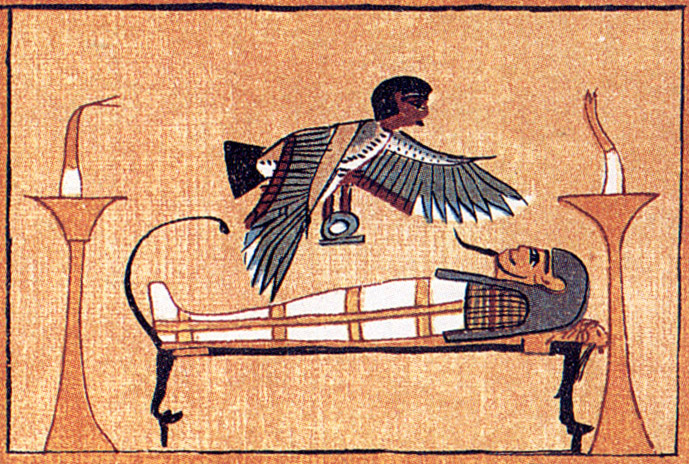 🇸🇪 Sweden and 1 moreSoul flight
A trance practice where the spirit leaves the body to visit other realmsRite · Healing · Seeing and foretelling Historical
🇸🇪 Sweden and 1 moreSoul flight
A trance practice where the spirit leaves the body to visit other realmsRite · Healing · Seeing and foretelling Historical
 🇷🇺 Russia and 2 moreDomovoyДомовой
A household spirit in Slavic folklore that guards the family and home.Being · Protection · Seeing and foretelling Historical
🇷🇺 Russia and 2 moreDomovoyДомовой
A household spirit in Slavic folklore that guards the family and home.Being · Protection · Seeing and foretelling Historical
 🇸🇪 Sweden and 1 moreNoaidi
A Sámi spiritual leader who mediated between the living and the spirit world using a drum.Being · Healing · Protection Historical
🇸🇪 Sweden and 1 moreNoaidi
A Sámi spiritual leader who mediated between the living and the spirit world using a drum.Being · Healing · Protection Historical
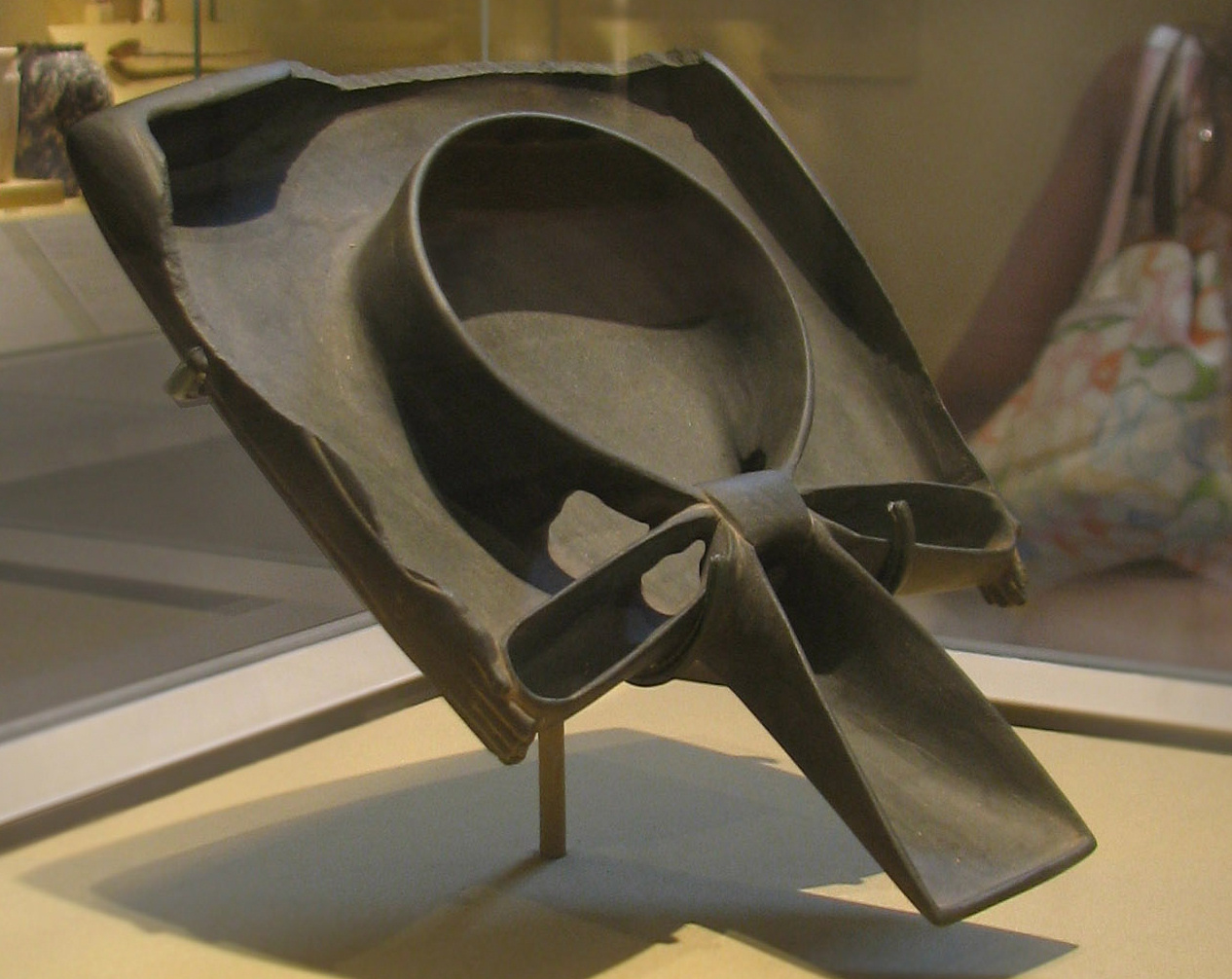 🇪🇬 Egypt and 2 moreAnkh
Ancient Egyptian hieroglyph for life and the amulet that carries its meaningCharm · Protection · Power and authority Historical
🇷🇺 RussiaOssetian mythologyИрон мифологи
The beliefs and supernatural beings of the Ossetian people in the Caucasus.Tradition · Protection · Speaking with spirits and the dead Historical
🇪🇬 Egypt and 2 moreAnkh
Ancient Egyptian hieroglyph for life and the amulet that carries its meaningCharm · Protection · Power and authority Historical
🇷🇺 RussiaOssetian mythologyИрон мифологи
The beliefs and supernatural beings of the Ossetian people in the Caucasus.Tradition · Protection · Speaking with spirits and the dead Historical
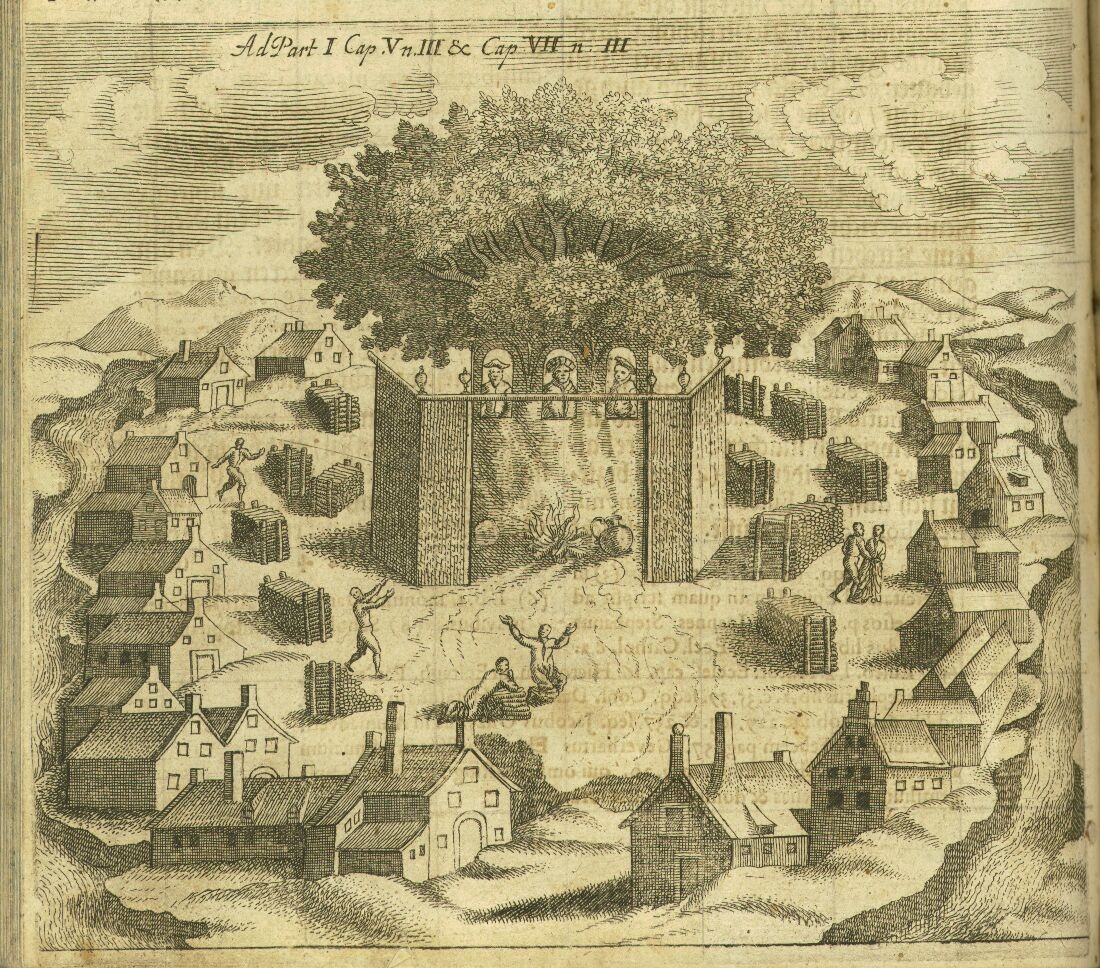 🇱🇹 Lithuania and 1 moreLithuanian mythologyLietuvių mitologija
The ancient polytheistic beliefs of the Baltic people, preserved in folklore and early chroniclesTradition · Speaking with spirits and the dead · Luck and prosperity Historical
🇱🇹 Lithuania and 1 moreLithuanian mythologyLietuvių mitologija
The ancient polytheistic beliefs of the Baltic people, preserved in folklore and early chroniclesTradition · Speaking with spirits and the dead · Luck and prosperity Historical
 🇪🇪 Estonia and 1 moreEstonian mythologyeesti mütoloogia
The pre-Christian beliefs and legends of the Estonian peopleTradition · Protection · Speaking with spirits and the dead Historical
🇪🇪 Estonia and 1 moreEstonian mythologyeesti mütoloogia
The pre-Christian beliefs and legends of the Estonian peopleTradition · Protection · Speaking with spirits and the dead Historical
 🇮🇶 Iraq and 3 moreAncient Mesopotamian religion
The polytheistic beliefs and practices of Sumer, Akkad, Assyria and Babylonia from 6000 BC to 500 ADTradition · Power and authority · Speaking with spirits and the dead Historical
🇮🇶 Iraq and 3 moreAncient Mesopotamian religion
The polytheistic beliefs and practices of Sumer, Akkad, Assyria and Babylonia from 6000 BC to 500 ADTradition · Power and authority · Speaking with spirits and the dead Historical
 🇮🇪 Ireland and 1 moreCeltic mythology
The mythic traditions of the Celtic peoples, preserved in Irish and Welsh textsTradition · Speaking with spirits and the dead Historical
🇮🇪 Ireland and 1 moreCeltic mythology
The mythic traditions of the Celtic peoples, preserved in Irish and Welsh textsTradition · Speaking with spirits and the dead Historical
 🇵🇪 Peru and 2 moreInca religion
The polytheistic beliefs and rites of the Inca Empire across the AndesTradition · Protection · Luck and prosperity Historical
🇵🇪 Peru and 2 moreInca religion
The polytheistic beliefs and rites of the Inca Empire across the AndesTradition · Protection · Luck and prosperity Historical
 🇲🇽 Mexico and 2 moreChild sacrifice
The ritual killing of children to appease deities or restore cosmic order in ancient culturesRite · Cursing and harm · Speaking with spirits and the dead Historical
🇲🇽 Mexico and 2 moreChild sacrifice
The ritual killing of children to appease deities or restore cosmic order in ancient culturesRite · Cursing and harm · Speaking with spirits and the dead Historical
 🇲🇽 MexicoAztec religion
The polytheistic and monistic belief system of the Aztec Empire in central MexicoTradition · Protection · Luck and prosperity Historical
🇲🇽 MexicoAztec religion
The polytheistic and monistic belief system of the Aztec Empire in central MexicoTradition · Protection · Luck and prosperity Historical
 🇸🇪 SwedenTemple at Uppsala
A Norse religious centre described in medieval texts and debated by modern scholarsTradition · Speaking with spirits and the dead · Power and authority Historical
🇸🇪 SwedenTemple at Uppsala
A Norse religious centre described in medieval texts and debated by modern scholarsTradition · Speaking with spirits and the dead · Power and authority Historical
 🇪🇬 Egypt and 4 moreAnimal sacrifice
The ritual killing of livestock or wild animals as an offering to deitiesRite · Speaking with spirits and the dead · Power and authority Historical
🇪🇬 Egypt and 4 moreAnimal sacrifice
The ritual killing of livestock or wild animals as an offering to deitiesRite · Speaking with spirits and the dead · Power and authority Historical
 🇸🇾 Syria and 5 moreBaetyl
A sacred stone, often a meteorite, believed to house a deity in ancient Near Eastern and Mediterranean traditions.Charm · Power and authority · Speaking with spirits and the dead Historical
🇸🇾 Syria and 5 moreBaetyl
A sacred stone, often a meteorite, believed to house a deity in ancient Near Eastern and Mediterranean traditions.Charm · Power and authority · Speaking with spirits and the dead Historical
 🇪🇪 Estonia and 5 moreSoul dualism
A belief that a person contains two or more distinct kinds of soulsBelief · Healing · Speaking with spirits and the dead Historical
🇪🇪 Estonia and 5 moreSoul dualism
A belief that a person contains two or more distinct kinds of soulsBelief · Healing · Speaking with spirits and the dead Historical
 🇪🇬 EgyptUshabtiwšbtj
Ancient Egyptian funerary figurines believed to work for the dead in the afterlifeCharm · Speaking with spirits and the dead Historical
🇪🇬 EgyptUshabtiwšbtj
Ancient Egyptian funerary figurines believed to work for the dead in the afterlifeCharm · Speaking with spirits and the dead Historical
 🇳🇴 NorwaySami religion
The animist and polytheistic beliefs of the Sámi people across northern ScandinaviaTradition · Protection · Luck and prosperity Historical
🇳🇴 NorwaySami religion
The animist and polytheistic beliefs of the Sámi people across northern ScandinaviaTradition · Protection · Luck and prosperity Historical
 🇱🇾 Libya and 4 moreTraditional Berber religionAmazigh religion
Ancient beliefs of Northwest Africa centered on celestial bodies, caves, and ancestors.Tradition · Speaking with spirits and the dead · Luck and prosperity Historical
🇱🇾 Libya and 4 moreTraditional Berber religionAmazigh religion
Ancient beliefs of Northwest Africa centered on celestial bodies, caves, and ancestors.Tradition · Speaking with spirits and the dead · Luck and prosperity Historical
 🇪🇸 SpainSorginak
Mythical beings and historical figures associated with Basque witchcraft and the goddess Mari.Figure · Speaking with spirits and the dead · Cursing and harm Historical
🇪🇸 SpainSorginak
Mythical beings and historical figures associated with Basque witchcraft and the goddess Mari.Figure · Speaking with spirits and the dead · Cursing and harm Historical
 🇵🇭 PhilippinesBabaylan
Spiritual leaders of pre-colonial Philippines who mediated with the unseen world.Tradition · Healing · Seeing and foretelling Historical
🇯🇵 Japan and 1 moreKuji-in九字印
A system of nine syllables and hand gestures used for protection and spiritual alignment in Japanese esoteric traditionsRite · Protection · Speaking with spirits and the dead Historical
🇵🇭 PhilippinesBabaylan
Spiritual leaders of pre-colonial Philippines who mediated with the unseen world.Tradition · Healing · Seeing and foretelling Historical
🇯🇵 Japan and 1 moreKuji-in九字印
A system of nine syllables and hand gestures used for protection and spiritual alignment in Japanese esoteric traditionsRite · Protection · Speaking with spirits and the dead Historical
 🇫🇷 France and 1 moreDruiddruides
A learned priestly class of the ancient Celts in Gaul and BritainTradition · Cursing and harm · Protection Historical
🇳🇴 Norway and 2 moreSámi drumgoavddis
A ceremonial instrument used by Sámi noaidi for trance and divinationTradition · Seeing and foretelling · Speaking with spirits and the dead Historical
🇫🇷 France and 1 moreDruiddruides
A learned priestly class of the ancient Celts in Gaul and BritainTradition · Cursing and harm · Protection Historical
🇳🇴 Norway and 2 moreSámi drumgoavddis
A ceremonial instrument used by Sámi noaidi for trance and divinationTradition · Seeing and foretelling · Speaking with spirits and the dead Historical
 🇪🇬 EgyptAnubis𓇋𓈖𓊪𓃣
The jackal-headed god who guides souls and oversees mummification in ancient Egypt.Being · Protection · Speaking with spirits and the dead Historical
🇪🇬 EgyptAnubis𓇋𓈖𓊪𓃣
The jackal-headed god who guides souls and oversees mummification in ancient Egypt.Being · Protection · Speaking with spirits and the dead Historical
 🇬🇷 GreeceKykeonκυκεών
An Ancient Greek ritual drink linked to the Eleusinian Mysteries and peasant lifeSubstance · Speaking with spirits and the dead · Wonder and entertainment Historical
🇬🇷 GreeceKykeonκυκεών
An Ancient Greek ritual drink linked to the Eleusinian Mysteries and peasant lifeSubstance · Speaking with spirits and the dead · Wonder and entertainment Historical
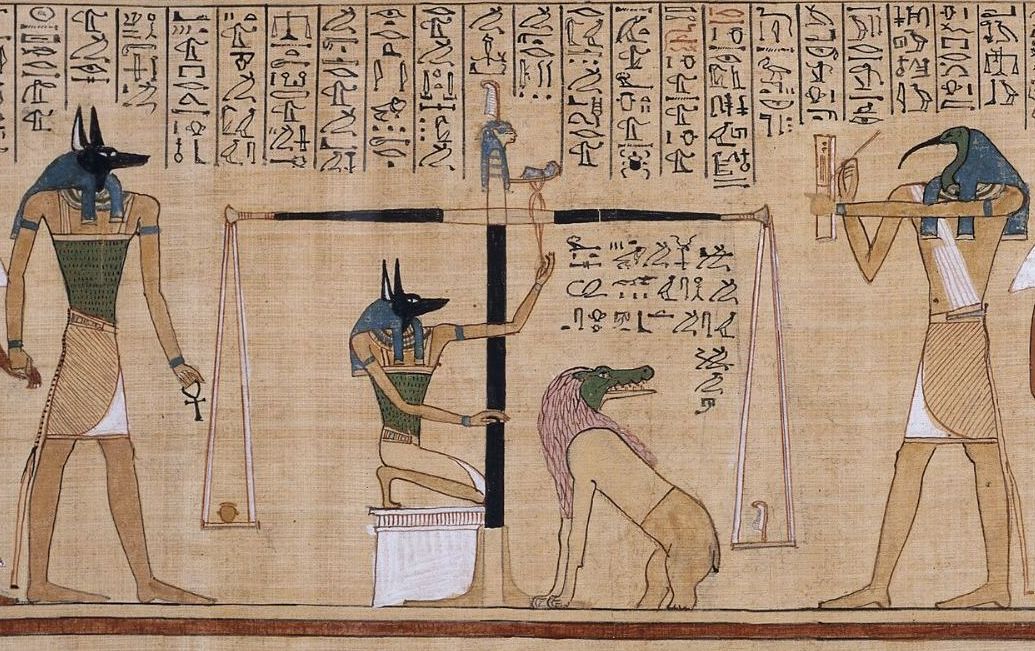 🇪🇬 EgyptAncient Egyptian afterlife beliefs
A system of rituals and texts guiding the soul through the underworld to eternal rebirthTradition · Protection · Speaking with spirits and the dead Historical
🇪🇬 EgyptAncient Egyptian afterlife beliefs
A system of rituals and texts guiding the soul through the underworld to eternal rebirthTradition · Protection · Speaking with spirits and the dead Historical
 🇪🇬 EgyptOpening of the mouth ceremonywpt-r (Egyptian)
An ancient Egyptian rite to restore a deceased person's senses for the afterlifeRite · Speaking with spirits and the dead · Power and authority Historical
🇪🇬 EgyptOpening of the mouth ceremonywpt-r (Egyptian)
An ancient Egyptian rite to restore a deceased person's senses for the afterlifeRite · Speaking with spirits and the dead · Power and authority Historical
 🇪🇬 EgyptDemon
A supernatural entity believed to cause harm or possess humansBeing · Cursing and harm · Speaking with spirits and the dead Historical
🇬🇷 GreecePeleiadesΠελειάδες
Sacred women of the Oracle at Dodona, linked to doves and ZeusBeing · Speaking with spirits and the dead Historical
🇪🇬 EgyptDemon
A supernatural entity believed to cause harm or possess humansBeing · Cursing and harm · Speaking with spirits and the dead Historical
🇬🇷 GreecePeleiadesΠελειάδες
Sacred women of the Oracle at Dodona, linked to doves and ZeusBeing · Speaking with spirits and the dead Historical
 🇨🇳 China and 1 moreShamanism in the Qing dynasty
State-managed rituals of the Manchu rulers and their shamansTradition · Protection · Healing Historical
🇨🇳 China and 1 moreShamanism in the Qing dynasty
State-managed rituals of the Manchu rulers and their shamansTradition · Protection · Healing Historical
 🇯🇵 Japan and 4 moreHousehold deity
A spirit or minor god believed to guard a home and its family members.Being · Protection · Speaking with spirits and the dead Historical
🇫🇮 Finland and 2 moreHaltija
A supernatural guardian of a specific place or animal species in Finnish and Baltic Finnic mythologyBeing · Protection · Speaking with spirits and the dead Historical
🇬🇱 GreenlandAnguta
A Greenlandic Inuit figure who guides the dead and fathered the sea goddess SednaBeing · Speaking with spirits and the dead Historical
🇰🇿 Kazakhstan and 2 moreKumalakқұмалақ
A Central Asian shamanic divination using stones or dung sorted on a gridOracle · Seeing and foretelling · Speaking with spirits and the dead Historical
🇨🇦 CanadaPinga
An Inuit goddess of the hunt and medicine who oversees caribou herds and souls.Being · Healing · Cursing and harm Historical
🇲🇳 Mongolia and 1 moreYellow shamanismШар бөө
A Mongolian and Siberian shamanic tradition blended with Buddhist ritualsTradition · Speaking with spirits and the dead · Protection Historical
🇲🇽 MexicoTeotlaqualli
A hallucinogenic paste used by Aztec priests and healers in the pre-Columbian era.Substance · Speaking with spirits and the dead · Healing Historical
🇺🇸 United StatesChepi
A spirit of the dead in Narragansett belief, called upon for vengeance.Being · Cursing and harm · Speaking with spirits and the dead Historical
🇯🇵 Japan and 4 moreHousehold deity
A spirit or minor god believed to guard a home and its family members.Being · Protection · Speaking with spirits and the dead Historical
🇫🇮 Finland and 2 moreHaltija
A supernatural guardian of a specific place or animal species in Finnish and Baltic Finnic mythologyBeing · Protection · Speaking with spirits and the dead Historical
🇬🇱 GreenlandAnguta
A Greenlandic Inuit figure who guides the dead and fathered the sea goddess SednaBeing · Speaking with spirits and the dead Historical
🇰🇿 Kazakhstan and 2 moreKumalakқұмалақ
A Central Asian shamanic divination using stones or dung sorted on a gridOracle · Seeing and foretelling · Speaking with spirits and the dead Historical
🇨🇦 CanadaPinga
An Inuit goddess of the hunt and medicine who oversees caribou herds and souls.Being · Healing · Cursing and harm Historical
🇲🇳 Mongolia and 1 moreYellow shamanismШар бөө
A Mongolian and Siberian shamanic tradition blended with Buddhist ritualsTradition · Speaking with spirits and the dead · Protection Historical
🇲🇽 MexicoTeotlaqualli
A hallucinogenic paste used by Aztec priests and healers in the pre-Columbian era.Substance · Speaking with spirits and the dead · Healing Historical
🇺🇸 United StatesChepi
A spirit of the dead in Narragansett belief, called upon for vengeance.Being · Cursing and harm · Speaking with spirits and the dead Historical
 🇬🇷 GreeceDaimonδαίμων
A Greek spirit or divine force that mediates between gods and humansBeing · Protection · Speaking with spirits and the dead Historical
🇬🇷 GreeceDaimonδαίμων
A Greek spirit or divine force that mediates between gods and humansBeing · Protection · Speaking with spirits and the dead Historical
 🇪🇬 EgyptAkhty
A rarely attested ancient Egyptian deity linked to the ibis and the evening horizon.Being · Speaking with spirits and the dead Historical
🇪🇬 EgyptAkhty
A rarely attested ancient Egyptian deity linked to the ibis and the evening horizon.Being · Speaking with spirits and the dead Historical
 🇮🇪 IrelandTailteann GamesÁenach Tailteann
Ancient Irish funeral games and assemblies held in County Meath to honor the dead.Rite · Speaking with spirits and the dead · Luck and prosperity Historical
🇮🇪 IrelandTailteann GamesÁenach Tailteann
Ancient Irish funeral games and assemblies held in County Meath to honor the dead.Rite · Speaking with spirits and the dead · Luck and prosperity Historical
 🇩🇴 Dominican Republic and 5 moreZemi
A Taíno deity or ancestral spirit housed in a carved object used for worship and protectionBeing · Protection · Healing Historical
🇩🇴 Dominican Republic and 5 moreZemi
A Taíno deity or ancestral spirit housed in a carved object used for worship and protectionBeing · Protection · Healing Historical
 🇦🇺 AustraliaTjurunga
Sacred objects of the Arrernte people, embodying ancestral power and clan identity.Charm · Power and authority · Speaking with spirits and the dead Historical
🇺🇸 United States and 1 moreThe Teachings of Don Juan
A 1968 book presenting an apprenticeship with a Mexican sorcerer as anthropological fieldwork.Text · Speaking with spirits and the dead · Change and initiation Historical
🇦🇺 AustraliaTjurunga
Sacred objects of the Arrernte people, embodying ancestral power and clan identity.Charm · Power and authority · Speaking with spirits and the dead Historical
🇺🇸 United States and 1 moreThe Teachings of Don Juan
A 1968 book presenting an apprenticeship with a Mexican sorcerer as anthropological fieldwork.Text · Speaking with spirits and the dead · Change and initiation Historical
 🇨🇳 ChinaReligion of the Shang dynasty
The spiritual system of ancient China's second dynasty, centred on ancestor worship and oracle bone divination.Tradition · Protection · Luck and prosperity Historical
🇨🇳 ChinaReligion of the Shang dynasty
The spiritual system of ancient China's second dynasty, centred on ancestor worship and oracle bone divination.Tradition · Protection · Luck and prosperity Historical
 🇮🇷 Iran and 5 moreAxis mundi
A concept describing a central point connecting the earthly and heavenly realms.Belief · Speaking with spirits and the dead · Power and authority Historical
🇮🇷 Iran and 5 moreAxis mundi
A concept describing a central point connecting the earthly and heavenly realms.Belief · Speaking with spirits and the dead · Power and authority Historical
 🇹🇷 TurkeyHittite sun disk
An ancient Anatolian bronze symbol used in Hattian and Hittite religious ceremoniesCharm · Speaking with spirits and the dead · Power and authority Historical
🇹🇷 TurkeyHittite sun disk
An ancient Anatolian bronze symbol used in Hattian and Hittite religious ceremoniesCharm · Speaking with spirits and the dead · Power and authority Historical
Photo credits on this page
The small pictures above come from Wikimedia Commons under free licences. Some are cropped to fit.
- Rabisu: editor Austen Henry Layard , drawing by L. Gruner, Public domain, source
- Ushabti: Unknown author, CC0, source
- Traditional Berber religion: Potymkin, CC BY-SA 4.0, source
- Kykeon: Marsyas, CC BY-SA 2.5, source
- Ancient Egyptian afterlife beliefs: Hunefer, Public domain, source
- Opening of the mouth ceremony: Hunefer, Public domain, source
- Ankh: Soutekh67, CC BY-SA 4.0, source
- Lithuanian mythology: Prussian historian Christophorus Hartknoch (1644-1687), Public domain, source
- Estonian mythology: Jeannette Berkowitz (illustrator), Public domain, source
- Noaidi: O. H. von Lode, Public domain, source
- Inca religion: Chronicler Martín of Murúa (Cronista Martín de Murúa), Public domain, source
- Temple at Uppsala: Olaus Magnus, Public domain, source
- Demon: Martin Schongauer, Public domain, source
- Shamanism in the Qing dynasty: A nineteenth-century team of editors., Public domain, source
- Sorginak: Errazking, CC BY-SA 4.0, source
- Druid: Bernard de Montfaucon, Public domain, source
- Sámi drum: Zouavman Le Zouave, CC BY-SA 3.0, source
- Anubis: Hunefer, Public domain, source
- Daimon: François-André Vincent, Public domain, source
- Akhty: Rémih, CC BY-SA 3.0, source
- Tailteann Games: Unknown author, Public domain, source
- Zemi: Unknown author, CC0, source
- Tjurunga: No machine-readable author provided. Sepu~commonswiki assumed (based o, CC BY-SA 2.5, source
- Religion of the Shang dynasty: Unknown author, CC0, source
- Soul flight: Published by James Wasserman; facsimile made by E. A. Wallis Budge; or, Public domain, source
- Domovoy: Ivan Bilibin, Public domain, source
- Axis mundi: Unknown author, Public domain, source
- Household deity: Claus Ableiter, CC BY-SA 3.0, source
- Celtic mythology: Unknown author, Public domain, source
- Hittite sun disk: Noumenon, CC BY-SA 3.0, source
- Child sacrifice: Julius Schnorr von Carolsfeld, Public domain, source
- Aztec religion: Unknown author, Public domain, source
- Animal sacrifice: Wilfredor, CC0, source
- Baetyl: Jusepe de Ribera, Public domain, source
- Soul dualism: 尹真人, Public domain, source
- Babaylan: Hptina24, CC BY-SA 4.0, source