
Akhty
linked to the Akh-bird and the concept of the human spirit
A rarely attested ancient Egyptian deity linked to the ibis and the evening horizon.
Akhty was an obscure god in ancient Egypt, often shown as a northern bald ibis. He was thought to dwell at the sunset boundary, guiding the sun down and helping the dead spirit travel across the night sky.
- Akhty was depicted as a northern bald ibis.
- Earliest mention dates to Pharaoh Hotepsekhemwy.
- Name appeared in priest titles like Hem-netjer-Akhty.
- Believed to guide the setting sun at the horizon.
- Thought to carry deceased spirits into the night sky.
What it is
Akhty represents a minor figure within the pantheon of ancient Egypt. Scholars classify him as a liminal deity, meaning he exists on a threshold or boundary. He is most commonly identified with the northern bald ibis, a bird whose shimmering feathers were compared to stars by the ancients. This connection likely inspired the belief that the bird embodied the Akh, or the transformed spirit of the deceased. Unlike major gods with widespread temples, Akhty appears only sporadically in historical records.
Where it comes from
The first known references to Akhty come from stone vessel inscriptions dating to the reign of Pharaoh Hotepsekhemwy in the second dynasty. Egyptologists like Wolfgang Helck suggest he may have served as an ancestor god for the ruling line. His image continued to appear under subsequent rulers Raneb and Nynetjer. During the Old Kingdom, his name survived mostly in private names like Akhetaa and priestly titles such as Hem-netjer-Akhty. Over time, mentions of him became increasingly rare until he faded from common record.
Tools and materials
The primary symbol associated with Akhty is the northern bald ibis. Ancient artists often paired this bird with the hieroglyphic sign for 'god,' Netjer, to emphasize his divine nature. A notable example of this depiction can be found on a statue belonging to the priest Redjit. The visual link between the glittering bird and the starry night sky formed the core of his symbolic identity.
Akhty, drawn and placed
- Living
- Revived
- Fading
- Historical
- Legendary
- Performed
- Lineage
- Ancient Egyptian religion
- Timing
- at the evening horizon
What it is for
Akhty was believed to operate at the edge of the day and the night. His role involved guiding the setting sun toward the evening horizon. He was also thought to assist the spirits of the dead, carrying them safely into the darkness of the night sky. This function mirrors beliefs held by other cultures, such as Persian Bedouins, who view the same bird as a carrier of souls.
Who does it
There is no evidence of a dedicated priesthood for Akhty. Instead, his name appears in the titles of priests who served other deities, specifically those styled as servants of Akhty. Modern understanding comes primarily from Egyptologists who analyze ancient inscriptions and artifacts. The scarcity of direct worship sites suggests he was not a central focus of public religious life.
Peoples and places
Akhty belongs exclusively to the religious framework of ancient Egypt. His presence is documented through royal inscriptions and private dedications within that civilization. No other culture is recorded as worshipping this specific deity, though the symbolic association of the ibis with souls appears in other traditions, such as among Persian Bedouins.
At a glance: who, where and when
What people believe
The mythology surrounding Akhty ties the physical bird to the metaphysical concept of the Akh. The ancient Egyptians saw the iridescent quality of the ibis's plumage as a reflection of the stars. This visual similarity led to the idea that the bird could navigate the celestial realm. By residing at the horizon, Akhty bridged the daily cycle of the sun and the nightly journey of the dead.
How scholars and sceptics see it
Historians and Egyptologists study Akhty to understand early dynastic religious practices. Wolfgang Helck and others have proposed that he functioned as a dynastic ancestor god. The decline in his mentions after the Old Kingdom indicates a shift in theological focus or a loss of relevance in the broader pantheon.
Compare and confuse
Akhty is distinct from Thoth, another ibis-headed god associated with writing and wisdom. While Thoth was widely worshipped, Akhty remained a localized or archaic figure. The concept of the Akh spirit is central to Egyptian cosmology, but Akhty serves as a specific, albeit minor, personification of that force in relation to the sunset.
Questions people ask about Akhty
What is Akhty?
Akhty is a rarely mentioned ancient Egyptian deity associated with the northern bald ibis and the evening horizon.
Where does Akhty come from?
He originates from ancient Egypt, with the earliest attestations appearing during the second dynasty under Pharaoh Hotepsekhemwy.
What did Akhty do?
He was believed to reside at the sunset, guiding the sun down and helping the spirits of the dead travel safely across the night sky.
Good reading and sources
The facts on this page come from the Wikipedia article "Akhty (deity)", written by its contributors and used under the CC BY-SA 4.0 licence, and from its Wikidata record (CC0). EveryJaadu rewrote the text in its own words, with AI assistance, and compares every page with the article to make sure no passage is copied. It may be reused under the same CC BY-SA 4.0 licence with a link back.
It may contain mistakes. Names and customs differ from one community to the next, and some knowledge is closed to outsiders and left out here. This page describes belief and practice. It does not say that any of it works, it is not a how-to, and it is not medical advice. If something is wrong, tell us. Last refreshed 2026-10-07.
More from Egypt
All the entries from Egypt 🇪🇬 Egypt and 1 moreLilithלִילִית
A feminine figure from Mesopotamian and Jewish mythology, often depicted as a night demon or spirit.Being · Cursing and harm Legendary
🇪🇬 Egypt and 1 moreLilithלִילִית
A feminine figure from Mesopotamian and Jewish mythology, often depicted as a night demon or spirit.Being · Cursing and harm Legendary
 🇪🇬 EgyptImhotepỉỉ-m-ḥtp
An ancient Egyptian architect deified as a god of healing and wisdomBeing · Healing · Power and authority Historical
🇪🇬 EgyptImhotepỉỉ-m-ḥtp
An ancient Egyptian architect deified as a god of healing and wisdomBeing · Healing · Power and authority Historical
 🇪🇬 EgyptAnubis𓇋𓈖𓊪𓃣
The jackal-headed god who guides souls and oversees mummification in ancient Egypt.Being · Protection · Speaking with spirits and the dead Historical
🇪🇬 EgyptAnubis𓇋𓈖𓊪𓃣
The jackal-headed god who guides souls and oversees mummification in ancient Egypt.Being · Protection · Speaking with spirits and the dead Historical
 🇪🇬 Egypt and 2 moreIsisꜣst (Egyptian)
Egyptian goddess of magic, mourning and kingship, mother of HorusBeing · Protection · Healing Historical
🇪🇬 Egypt and 2 moreIsisꜣst (Egyptian)
Egyptian goddess of magic, mourning and kingship, mother of HorusBeing · Protection · Healing Historical
Related elsewhere
All being 🇮🇳 IndiaChakraचक्र
Meditation points in the subtle body used in Hindu and Buddhist yogaTradition · Speaking with spirits and the dead · Change and initiation Living
🇮🇳 IndiaChakraचक्र
Meditation points in the subtle body used in Hindu and Buddhist yogaTradition · Speaking with spirits and the dead · Change and initiation Living
 🇳🇬 NigeriaOrunmilaỌ̀rúnmìlà
Yoruba deity of wisdom and the creator of the Ifá divination systemBeing · Seeing and foretelling · Speaking with spirits and the dead Living
🇳🇬 NigeriaOrunmilaỌ̀rúnmìlà
Yoruba deity of wisdom and the creator of the Ifá divination systemBeing · Seeing and foretelling · Speaking with spirits and the dead Living
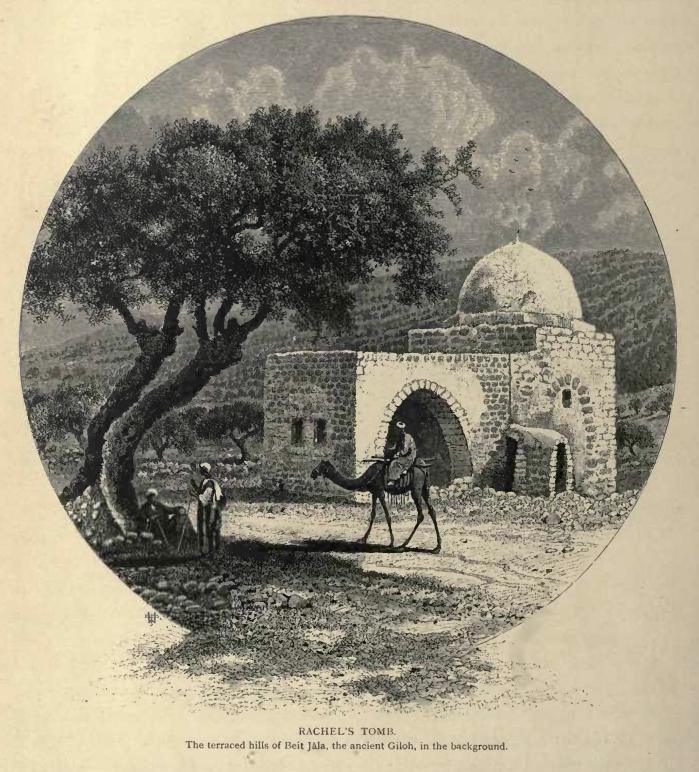 🇵🇸 Palestine and 1 moreRachel's TombQever Raḥel; Qabr Rāḥīl
A shared holy site near Bethlehem revered by Jews, Christians, and MuslimsTradition · Speaking with spirits and the dead · Protection Living
🇵🇸 Palestine and 1 moreRachel's TombQever Raḥel; Qabr Rāḥīl
A shared holy site near Bethlehem revered by Jews, Christians, and MuslimsTradition · Speaking with spirits and the dead · Protection Living
 🇪🇸 Spain and 5 moreSt John's Eve
A Christian vigil marked by bonfires and plant gathering on the summer solstice eveRite · Protection · Speaking with spirits and the dead Living
🇪🇸 Spain and 5 moreSt John's Eve
A Christian vigil marked by bonfires and plant gathering on the summer solstice eveRite · Protection · Speaking with spirits and the dead Living