Anguta
from a phrase meaning "man with something to cut"
A Greenlandic Inuit figure who guides the dead and fathered the sea goddess Sedna
Anguta is a complex deity in Greenlandic Inuit mythology. He serves as a psychopomp who escorts spirits to the underworld realm of Adlivun, where his daughter Sedna presides over the departed.
- Anguta is the father of the sea goddess Sedna
- He guides souls to the underworld realm of Adlivun
- His name means "man with something to cut"
- Souls rest with him for a year before moving on
- He is considered a supreme being in some myths
What it is
Anguta occupies a central place in Greenlandic Inuit belief systems. He is primarily known as the father of Sedna, the powerful goddess who rules the underwater domain. His role shifts across different stories; he appears either as a supreme creator god or as an ordinary mortal man. In some accounts, he holds authority over death itself, acting as a judge or guide for those who have passed away.
Where it comes from
The name Anguta translates roughly to "man with something to cut." This title references a specific myth where he mutilates his daughter, an act that leads to her transformation into a deity. The etymology highlights the violent nature often present in these origin stories. The character is rooted specifically in the oral traditions of the Greenlandic Inuit people.
Anguta, drawn and placed
- Living
- Revived
- Fading
- Historical
- Legendary
- Performed
- Lineage
- Inuit mythology
What it is for
Anguta’s main function is to guide spirits after death. He acts as a psychopomp, escorting souls from the world of the living to the underworld known as Adlivun. There, the spirits must remain near him for a year before moving on to Qudlivun, a place of eternal bliss. In some versions, only unworthy spirits suffer his presence, where he pinches them to cause torment.
Peoples and places
This figure is specific to the Inuit culture, particularly within Greenlandic traditions. While other Inuit groups have similar psychopomps like Pinga, Anguta is distinct to this region. The variations in his status, whether god or mortal, show how local communities adapted the myths to explain death and the afterlife differently.
At a glance: who, where and when
What people believe
The mythology describes a structured afterlife. Souls travel to Adlivun under Anguta’s care. After a year-long stay, they may ascend to Qudlivun if deemed worthy. The belief system distinguishes between the land of the living and the realm of the dead, with Anguta serving as the critical link between these two states.
How scholars and sceptics see it
Researchers study Anguta as part of Inuit mythology. They analyze how his dual nature reflects broader themes in indigenous cosmology. Scholars note the connection between his name and the violent act against Sedna, interpreting it as a symbolic explanation for divine origins.
Compare and confuse
Anguta is similar to Pinga, another psychopomp found in Inuit mythology. Both figures guide the dead, but Anguta is unique for his relationship to Sedna and his specific role in Greenlandic tales. The comparison highlights regional variations in how the journey of the soul is understood.
Questions people ask about Anguta
Who is Anguta in Inuit mythology?
Anguta is a key figure in Greenlandic Inuit mythology. He is the father of the sea goddess Sedna and acts as a psychopomp who guides spirits to the underworld.
What does the name Anguta mean?
The name translates to "man with something to cut." It refers to a myth where he mutilates his daughter, leading to her becoming a goddess.
What happens to souls in Anguta's care?
Souls travel to Adlivun, the underworld. They sleep near Anguta for a year. If worthy, they then move to Qudlivun for eternal bliss.
Good reading and sources
The facts on this page come from the Wikipedia article "Anguta", written by its contributors and used under the CC BY-SA 4.0 licence, and from its Wikidata record (CC0). EveryJaadu rewrote the text in its own words, with AI assistance, and compares every page with the article to make sure no passage is copied. It may be reused under the same CC BY-SA 4.0 licence with a link back.
It may contain mistakes. Names and customs differ from one community to the next, and some knowledge is closed to outsiders and left out here. This page describes belief and practice. It does not say that any of it works, it is not a how-to, and it is not medical advice. If something is wrong, tell us. Last refreshed 2026-10-09.
More from Greenland
All the entries from GreenlandRelated elsewhere
All being 🇮🇳 IndiaChakraचक्र
Meditation points in the subtle body used in Hindu and Buddhist yogaTradition · Speaking with spirits and the dead · Change and initiation Living
🇮🇳 IndiaChakraचक्र
Meditation points in the subtle body used in Hindu and Buddhist yogaTradition · Speaking with spirits and the dead · Change and initiation Living
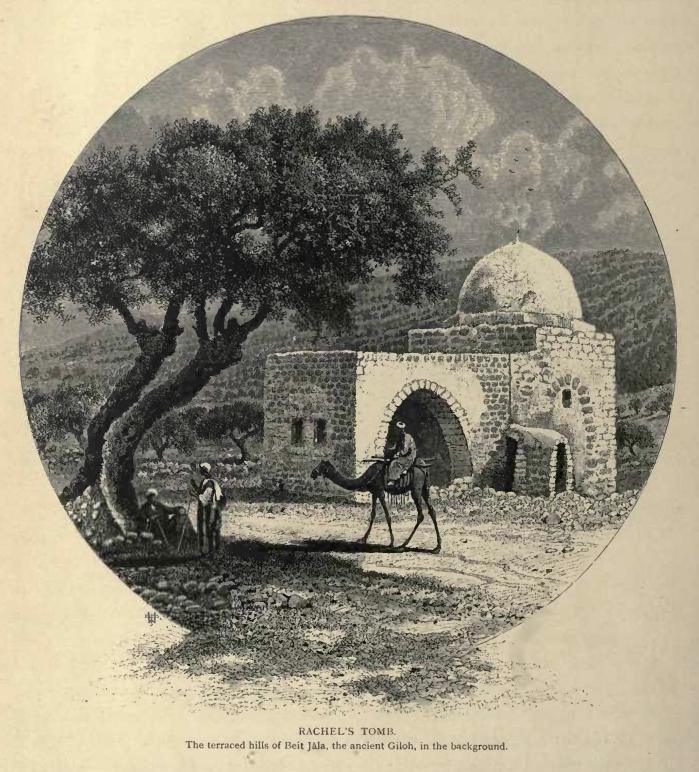 🇵🇸 Palestine and 1 moreRachel's TombQever Raḥel; Qabr Rāḥīl
A shared holy site near Bethlehem revered by Jews, Christians, and MuslimsTradition · Speaking with spirits and the dead · Protection Living
🇵🇸 Palestine and 1 moreRachel's TombQever Raḥel; Qabr Rāḥīl
A shared holy site near Bethlehem revered by Jews, Christians, and MuslimsTradition · Speaking with spirits and the dead · Protection Living
 🇸🇳 Senegal and 1 moreSerer religionA ƭat Roog
The traditional faith of the Serer people, centred on the supreme deity Roog and ancestral veneration.Tradition · Protection · Speaking with spirits and the dead Living
🇸🇳 Senegal and 1 moreSerer religionA ƭat Roog
The traditional faith of the Serer people, centred on the supreme deity Roog and ancestral veneration.Tradition · Protection · Speaking with spirits and the dead Living
 🇮🇶 Iraq and 5 moreGrimoire
A textbook containing instructions for spells, rituals, and the creation of magical objects.Text · Protection · Healing Historical
🇮🇶 Iraq and 5 moreGrimoire
A textbook containing instructions for spells, rituals, and the creation of magical objects.Text · Protection · Healing Historical