
Aztec religion
The polytheistic and monistic belief system of the Aztec Empire in central Mexico
This faith centered on teotl, a sacred force manifest as many gods. It blended state rituals with popular myths across Mesoamerica. The Spanish conquest forced conversion to Catholicism, creating syncretic traditions like the Day of the Dead.
- Teotl is a dynamic sacred force underlying all existence
- Templo Mayor housed shrines to Tlaloc and Huitzilopochtli
- New Fire ceremony occurred every fifty-two years
- Spanish conquest forced conversion to Catholicism
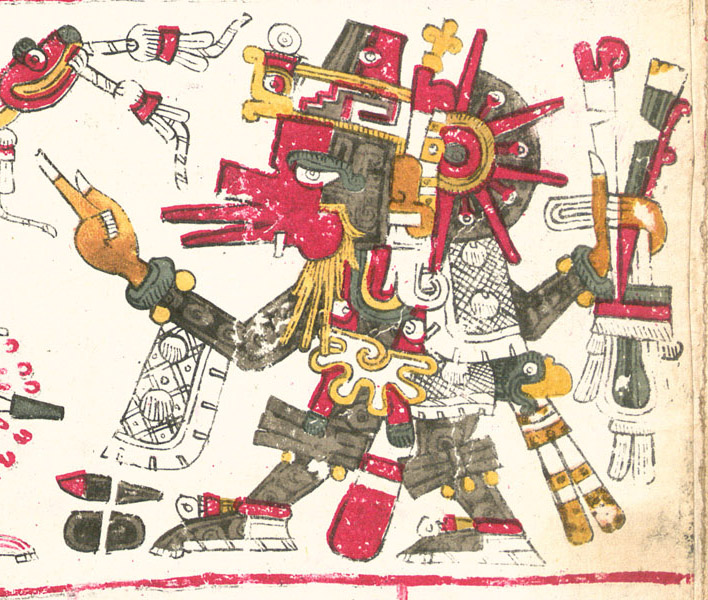
- Xipe Totec originated with the Tlapanec people
What it is
Aztec religion functioned as both a state-sponsored order and a popular folk practice. At its core lay teotl, an abstract, dynamic energy that permeated existence. This power appeared as Ometeotl, the supreme deity, alongside a vast array of lesser gods representing natural forces. Elite scholars favored a monistic view of this single force, while common people embraced a polytheistic mythology. The system integrated deities from conquered regions, allowing local gods to join the imperial pantheon. Rituals marked every aspect of life, from daily household duties to massive public ceremonies involving dance, food, and warfare.
Where it comes from
The tradition emerged from the broader Nahua cultural sphere in central Mexico. It evolved through centuries of interaction among Mesoamerican civilizations, absorbing elements from earlier societies. The Mexica people established Tenochtitlan as their religious center, where the Templo Mayor housed shrines to key deities like Tlaloc and Huitzilopochtli. As the empire expanded, it incorporated foreign gods into its own structure. After the Spanish arrival, the religion was suppressed. Survivors converted to Catholicism, leading to a blend of beliefs seen in modern practices like the Virgin of Guadalupe devotion.
How it is done
Public rituals followed the complex Aztec calendar, aligning civic duties with cosmic cycles. Ceremonies included storytelling, dance, and the Mesoamerican ballgame. State events often featured human sacrifice to maintain cosmic balance. Priests conducted these rites in large temple complexes. Commoners participated in festivals by sweeping streets or performing ritual baths. The New Fire ceremony occurred every fifty-two years, requiring all citizens to extinguish fires and receive new flame from a sacrificial victim's chest. Private households maintained their own altars and offerings to local spirits.
Tools and materials
Temples served as offering mounds, filled with soil, treasures, and sacrifices. Pyramids contained chambers for storing ritual items and housing priests. Altars held offerings of food, blood, and objects dedicated to specific gods. Masks and costumes allowed performers to embody deities during festivals. The calendar dictated the timing of all activities, linking celestial movements to earthly events. Sacred beverages like pulque were used in rituals associated with excess and fertility. Bloodletting tools enabled self-mortification by priests and rulers seeking divine favor.
Aztec religion, drawn and placed
- Living
- Revived
- Fading
- Historical
- Legendary
- Performed
- Lineage
- Mesoamerican religion
What it is for
Religion aimed to sustain the cosmos and ensure political stability. Sacrifices fed the sun and prevented cosmic collapse. Festivals honored specific deities to secure rain, harvests, or victory in war. Merchants prayed to Yacatecuhtli for safe trade routes. Farmers sought blessings from maize gods for fertile crops. Healers consulted specialists for illness. The state used religion to legitimize the ruler's authority and unify diverse subject peoples. Household rituals protected families from harm and ensured daily prosperity through ancestor veneration and spirit appeasement.
Who does it
Priests, known as teopixqui, led religious life. They underwent strict training involving vigils, fasts, and penance. High priests managed major temples and enjoyed immense respect. The Tlatoani, or emperor, held special priestly duties. Wandering curers and occultists operated outside the official hierarchy. Military orders and merchant guilds maintained their own lodges and rituals. Women played vital roles, owning land and voting on issues. Many essential deities were female, reflecting women's societal importance. Novices and part-time monks assisted in temple operations.
Peoples and places
The Aztecs, or Mexica, formed the core of this tradition within the larger Nahua cultural group. They ruled a vast empire incorporating many distinct peoples. Conquered groups often retained their gods, which were then integrated into the Aztec pantheon. For instance, Xipe Totec originated with the Tlapanec people before becoming widely worshipped. Different cities had patron deities, such as Cholula's pilgrimage centers. The religion spread across central Mexico, influencing neighboring cultures. After the conquest, remnants survived through syncretism with Catholicism, preserving elements in modern Mexican folk traditions.
At a glance: who, where and when
Belief worlds
Occasions



What people believe
Cosmology divided the world into thirteen heavens and nine underworld layers. Heaven and earth met at the surface, each level governed by specific deities and stars. The Sun, Moon, and Venus held paramount importance. Teotl represented a unified sacred energy underlying all reality. Gods personified natural phenomena like rain, wind, and fire. Some deities embodied abstract concepts such as time, death, or knowledge. The universe required constant nourishment through sacrifice to remain stable. Human actions directly influenced cosmic order, making ritual participation essential for survival.
When it is done
The Aztec calendar structured religious life around key transition dates. Monthly festivals aligned with agricultural cycles and celestial events. The five-day weekless period called Nemontemi was considered unlucky. Major ceremonies marked the solar year, including the New Fire ceremony every fifty-two years. Specific gods presided over different months, demanding particular offerings. Warriors celebrated victories during designated feasts. Merchants observed rituals tied to their trade guilds. Births, marriages, and deaths triggered personal rites linked to calendrical cycles. Astronomical observations guided the timing of all public and private religious acts.
How scholars and sceptics see it
Historians analyze Aztec religion through colonial accounts and archaeological evidence. Bernardino de Sahagún documented priestly lives and rituals in detail. Scholars classify deities into groups based on functions like war, nature, or pulque. Anthropologists study the integration of foreign gods into the imperial pantheon. Researchers examine the role of human sacrifice in maintaining cosmic balance. Modern interpretations debate the meaning of teotl as either a singular force or multiple entities. Studies highlight the syncretism between indigenous beliefs and Catholicism post-conquest. Academic work emphasizes the complexity of Nahua metaphysics and social organization.
Cautions and what is closed
Human sacrifice was a central but controversial aspect of Aztec ritual. Colonial records often exaggerated numbers for propaganda purposes. Modern viewers may find the practice disturbing, but it was integral to their cosmology. Outsiders faced restrictions on accessing certain sacred knowledge. Some rituals involved bloodletting and self-mortification, posing health risks. The suppression of indigenous practices after conquest led to loss of traditional knowledge. Contemporary practitioners navigate legal and social challenges in preserving heritage. Misunderstandings about Aztec beliefs persist due to colonial biases and limited source material.
Compare and confuse
Aztec religion shares features with other Mesoamerican faiths, such as Maya and Inca systems. Concepts like teotl resemble Polynesian mana in describing sacred energy. Deities often have counterparts in neighboring cultures, though names and roles differ. Syncretism with Catholicism mirrors patterns in Latin American folk religions. The emphasis on calendars and astronomy links it broadly to pre-Columbian traditions. Unlike European monotheism, it embraced polytheism and immanent divinity. Comparison reveals how conquest and colonization reshaped indigenous spiritual landscapes across the Americas.
Questions people ask about Aztec religion
What is teotl?
Teotl is a sacred, dynamic energy believed to permeate the universe. It manifests as Ometeotl and various lesser gods. Scholars describe it as a unifying force behind all reality.
Where did Aztec religion originate?
It originated in central Mexico among the Nahua people. The Mexica established Tenochtitlan as its center. It absorbed elements from earlier Mesoamerican civilizations.
How did the Spanish conquest affect it?
Conquest forced conversion to Catholicism. Indigenous practices blended with Christian beliefs. This syncretism created traditions like the Day of the Dead.
Who performed the rituals?
Priests led state ceremonies. The emperor held special duties. Commoners participated in local festivals. Wandering curers operated outside the official hierarchy.
Good reading and sources
- Aztec religion on WikipediaEncyclopedia
- More photos on Wikimedia CommonsPhotos and video
- Wikidata recordOpen data
The facts on this page come from the Wikipedia article "Aztec religion", written by its contributors and used under the CC BY-SA 4.0 licence, and from its Wikidata record (CC0). EveryJaadu rewrote the text in its own words, with AI assistance, and compares every page with the article to make sure no passage is copied. It may be reused under the same CC BY-SA 4.0 licence with a link back.
It may contain mistakes. Names and customs differ from one community to the next, and some knowledge is closed to outsiders and left out here. This page describes belief and practice. It does not say that any of it works, it is not a how-to, and it is not medical advice. If something is wrong, tell us. Last refreshed 2026-10-05.
More from Mexico
All the entries from Mexico 🇺🇸 United States and 4 moreHarry Kellar
An American illusionist known for large-scale stage magic and mechanical tricks.Illusion · Wonder and entertainment Historical
🇺🇸 United States and 4 moreHarry Kellar
An American illusionist known for large-scale stage magic and mechanical tricks.Illusion · Wonder and entertainment Historical
 🇺🇸 United States and 1 moreCalifornian white sage
A California shrub used by Indigenous peoples for food, healing, and ritual cleansingSubstance · Protection · Healing Living
🇺🇸 United States and 1 moreCalifornian white sage
A California shrub used by Indigenous peoples for food, healing, and ritual cleansingSubstance · Protection · Healing Living
 🇲🇽 Mexico and 5 moreWitchcraft in Latin AmericaBrujería
A syncretic blend of Indigenous, African, and European magical practices across Latin AmericaTradition · Protection · Healing Living
🇲🇽 Mexico and 5 moreWitchcraft in Latin AmericaBrujería
A syncretic blend of Indigenous, African, and European magical practices across Latin AmericaTradition · Protection · Healing Living
 🇨🇺 Cuba and 2 moreSanteríaRegla de Ocha
An Afro-Cuban religion blending Yoruba beliefs with Catholicism and SpiritismTradition · Protection · Healing Living
🇨🇺 Cuba and 2 moreSanteríaRegla de Ocha
An Afro-Cuban religion blending Yoruba beliefs with Catholicism and SpiritismTradition · Protection · Healing Living
Related elsewhere
All tradition 🇬🇧 United Kingdom and 1 moreWell dressing
A rural English custom of decorating water sources with natural designsTradition · Protection · Speaking with spirits and the dead Living
🇳🇿 New ZealandKarakia
Māori recitations used for spiritual guidance, protection, and formal greetingsTradition · Protection · Speaking with spirits and the dead Living
🇬🇧 United Kingdom and 1 moreWell dressing
A rural English custom of decorating water sources with natural designsTradition · Protection · Speaking with spirits and the dead Living
🇳🇿 New ZealandKarakia
Māori recitations used for spiritual guidance, protection, and formal greetingsTradition · Protection · Speaking with spirits and the dead Living
 🇪🇬 Egypt and 2 moreLibation
The ritual pouring of liquid as an offering to spirits or the deadRite · Speaking with spirits and the dead · Protection Living
🇪🇬 Egypt and 2 moreLibation
The ritual pouring of liquid as an offering to spirits or the deadRite · Speaking with spirits and the dead · Protection Living