
Ushabti
In its own language: wšbtj
from wšbtj, possibly linked to šwꜣb meaning persea tree
Ancient Egyptian funerary figurines believed to work for the dead in the afterlife
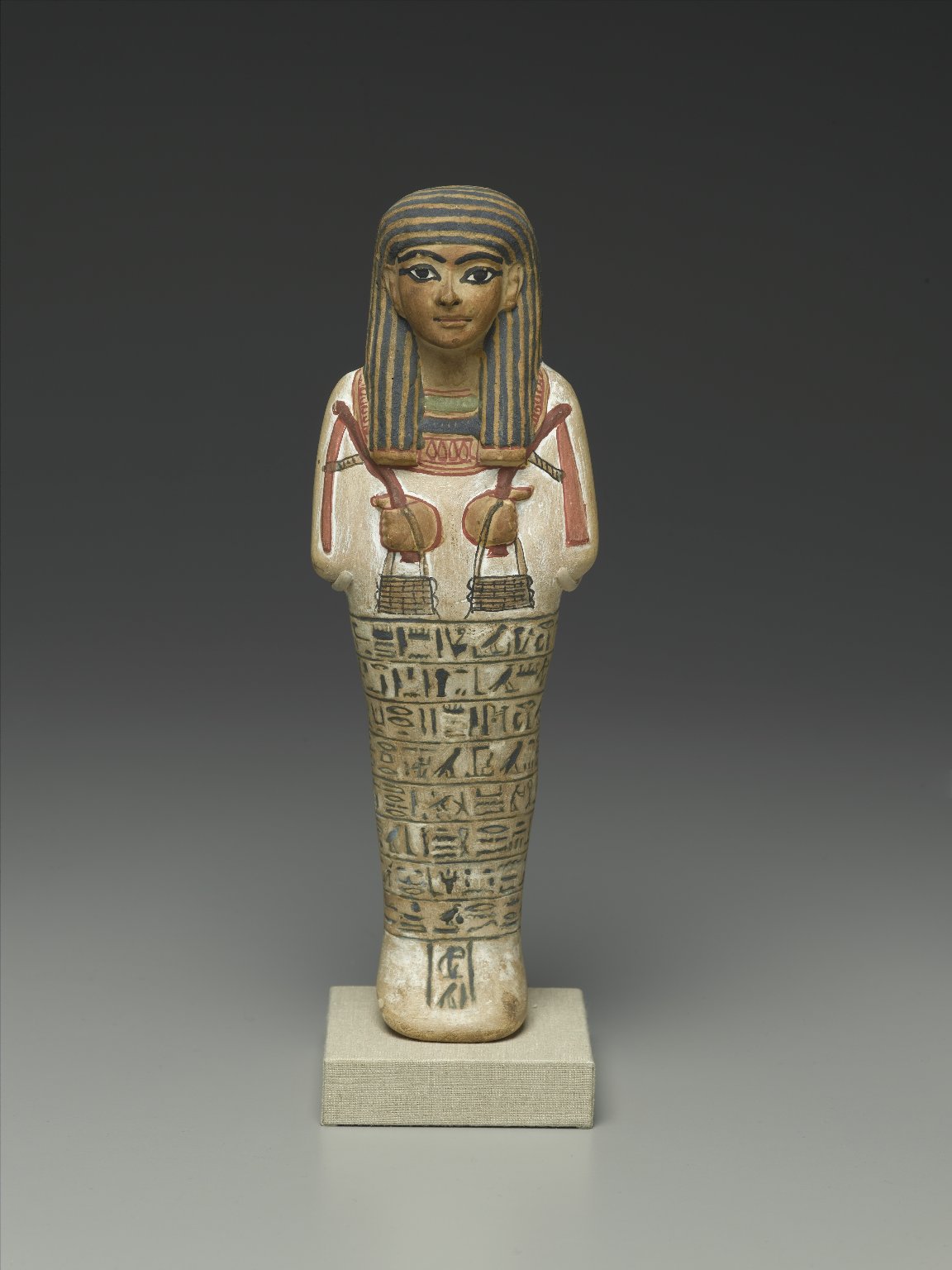
Ushabtis are small servant figures placed in ancient Egyptian tombs to perform manual labor for the deceased. Originating in the Old Kingdom, they were inscribed with spells to answer divine summons and farm on behalf of the departed soul.
- Ushabtis were servant figurines for the ancient Egyptian afterlife
- Inscriptions declared readiness to perform manual labor for the dead
- Pharaohs could have over a thousand ushabtis in their tombs
- Most were made of glazed earthenware or faience
- The practice originated in the Old Kingdom around 2600 BC
What it is
An ushabti is a small funerary figurine from ancient Egypt designed to serve the deceased in the next world. These objects were placed among grave goods to act as substitutes for the dead person. They were believed to perform the manual chores that the gods might demand, such as farming or irrigation. The term covers various spellings like shabti and shawabti, reflecting changes in language over centuries. Most were mass-produced, but some unique masterworks existed for high-status individuals.
Where it comes from
The practice began in the Old Kingdom around 2600 BC with limestone reserve heads buried with mummies. By the Middle Kingdom, small figurines replaced human retainers who had previously been sacrificed. The custom grew through the New Kingdom and remained common until the Ptolemaic period. Early versions were rare, but later periods saw hundreds placed in single tombs to ensure adequate service in the afterlife.
How it is done
Figurines were placed in tombs alongside other burial items. They often carried tools like hoes and baskets on their shoulders and backs. Hieroglyphic inscriptions covered their legs, declaring readiness to work. Some bore Chapter Six of the Book of the Dead, promising to answer any call to labor. Others featured the owner's name and titles without spells.
Tools and materials
Materials included faience, wood, clay, stone, and wax. Common forms showed mummified shapes or servants carrying agricultural gear. Overseer figures held whips to manage groups of ten workers. Ornate versions used gold foil or enamel, while cheaper ones came from single molds. Inscriptions were carved or painted onto the surface.
Ushabti, drawn and placed
- Living
- Revived
- Fading
- Historical
- Legendary
- Performed
- Lineage
- Ancient Egyptian funerary tradition
- Timing
- burial with the mummified remains
What it is for
They served as magical laborers for the deceased in the fields of Osiris. The inscriptions ensured the figure would respond to divine summons. This belief relieved the dead from physical toil in the afterlife. Families provided them to guarantee comfort and status for their loved ones beyond death.
Who does it
Craftsmen produced these items for burial use. Wealthy individuals commissioned larger or more detailed versions. Pharaohs could have thousands, while commoners had fewer. Scribes inscribed the necessary spells. The practice involved standard batch processing rather than pure industrial manufacturing.
Peoples and places
Ancient Egyptians used ushabtis across all dynasties. The term shawabti appeared in Thebes during the New Kingdom. Shabti referred to earlier figures before the Twenty-first Dynasty. Regional variations existed in style and inscription content. Tutankhamun's tomb contained diverse types, from simple wood to ornate gold-foiled pieces.
At a glance: who, where and when
Who does it
Peoples
Belief worlds
Occasions


What people believe
The figurines were thought to animate magically after judgment. They accepted the role of substitute worker for the Osiris. The inscriptions acted as binding commands. Some scholars suggest they symbolically replaced human sacrifice, though this theory lacks strong evidence due to time gaps.
When it is done
They were prepared and placed during funeral rites. No specific festivals are mentioned for their use. Their presence was tied to the burial event itself. The practice spanned millennia of Egyptian history.
How scholars and sceptics see it
Researchers study their manufacture and distribution. Analyses show complex batch-processing methods. Historians trace their evolution from early reserve heads. Linguists examine the shift between shabti and ushabti terms. Archaeologists note their prevalence in museum collections.
Cautions and what is closed
The practice was a standard part of elite burial customs.
Compare and confuse
They differ from stick shabtis which lacked detail. Haniwa and Dogū are Japanese burial figures. The Terracotta Army serves a similar protective function. Shikigami are Japanese spirit servants. Totems represent clan affiliations rather than labor substitutes.
Law and persecution
No legal restrictions are mentioned. Ownership was determined by wealth and status. Modern laws protect them as archaeological artifacts. Removal from tombs is illegal under contemporary heritage laws.
Questions people ask about Ushabti
What is an ushabti?
It is a small Egyptian funerary figurine placed in tombs to work for the deceased in the afterlife. They were inscribed with spells to answer divine calls for labor.
Where did the tradition come from?
It began in the Old Kingdom with limestone heads. Small figurines replaced human sacrifices by the Middle Kingdom. The custom spread throughout Egyptian history.
How many were typically buried?
Commoners had few, while pharaohs could have thousands. Tombs sometimes contained hundreds covering the floor. Overseer figures managed groups of ten.
What materials were used?
Faience was most common. Wood, stone, clay, and wax were also used. Wealthy burials featured gold foil or enamel details.
Good reading and sources
- Ushabti on WikipediaEncyclopedia
- More photos on Wikimedia CommonsPhotos and video
- Wikidata recordOpen data
The facts on this page come from the Wikipedia article "Ushabti", written by its contributors and used under the CC BY-SA 4.0 licence, and from its Wikidata record (CC0). EveryJaadu rewrote the text in its own words, with AI assistance, and compares every page with the article to make sure no passage is copied. It may be reused under the same CC BY-SA 4.0 licence with a link back.
It may contain mistakes. Names and customs differ from one community to the next, and some knowledge is closed to outsiders and left out here. This page describes belief and practice. It does not say that any of it works, it is not a how-to, and it is not medical advice. If something is wrong, tell us. Last refreshed 2026-10-05.
More from Egypt
All the entries from Egypt 🇪🇬 Egypt and 1 moreShen ring
An ancient Egyptian symbol of eternal protection, shaped like a rope looped around a stick.Charm · Protection Historical
🇪🇬 Egypt and 1 moreShen ring
An ancient Egyptian symbol of eternal protection, shaped like a rope looped around a stick.Charm · Protection Historical
 🇪🇬 EgyptScarab
A carved beetle amulet and seal used in ancient Egypt for protection, identity, and ritual.Charm · Protection · Luck and prosperity Historical
🇪🇬 EgyptScarab
A carved beetle amulet and seal used in ancient Egypt for protection, identity, and ritual.Charm · Protection · Luck and prosperity Historical
 🇪🇬 Egypt and 5 moreHamsaخمسة
A palm-shaped amulet used across North Africa and the Middle East to ward off harm.Charm · Protection · Luck and prosperity Living
🇪🇬 Egypt and 5 moreHamsaخمسة
A palm-shaped amulet used across North Africa and the Middle East to ward off harm.Charm · Protection · Luck and prosperity Living
 🇪🇬 EgyptDjedḏd
An ancient Egyptian pillar symbol representing stability and resurrectionCharm · Protection · Power and authority Historical
🇪🇬 EgyptDjedḏd
An ancient Egyptian pillar symbol representing stability and resurrectionCharm · Protection · Power and authority Historical
Related elsewhere
All charm 🇮🇳 IndiaChakraचक्र
Meditation points in the subtle body used in Hindu and Buddhist yogaTradition · Speaking with spirits and the dead · Change and initiation Living
🇮🇳 IndiaChakraचक्र
Meditation points in the subtle body used in Hindu and Buddhist yogaTradition · Speaking with spirits and the dead · Change and initiation Living
 🇲🇦 Morocco and 5 moreWild rueاسپند
A desert plant whose seeds hold psychoactive alkaloids and serve as incense in the Middle East.Substance · Protection · Speaking with spirits and the dead Living
🇲🇦 Morocco and 5 moreWild rueاسپند
A desert plant whose seeds hold psychoactive alkaloids and serve as incense in the Middle East.Substance · Protection · Speaking with spirits and the dead Living
 🇵🇸 Palestine and 1 moreRachel's TombQever Raḥel; Qabr Rāḥīl
A shared holy site near Bethlehem revered by Jews, Christians, and MuslimsTradition · Speaking with spirits and the dead · Protection Living
🇵🇸 Palestine and 1 moreRachel's TombQever Raḥel; Qabr Rāḥīl
A shared holy site near Bethlehem revered by Jews, Christians, and MuslimsTradition · Speaking with spirits and the dead · Protection Living
 🇨🇳 China and 1 moreAncestor veneration in China中國傳統宗法性宗教
Rites for dead kin who are thought to watch over the familyTradition · Protection · Speaking with spirits and the dead Living
🇨🇳 China and 1 moreAncestor veneration in China中國傳統宗法性宗教
Rites for dead kin who are thought to watch over the familyTradition · Protection · Speaking with spirits and the dead Living