
Celtic mythology
from the term for the Celtic peoples
The mythic traditions of the Celtic peoples, preserved in Irish and Welsh texts
Celtic mythology encompasses the stories and beliefs of the ancient Celtic peoples across Europe. While continental versions were largely lost to Roman conquest, Insular traditions from Ireland and Wales survived through medieval Christian scribes.
- Irish mythology has the largest surviving written body
- Continental myths were lost to Roman conquest
- Christian scribes recorded oral traditions in the Middle Ages
- Tuatha Dé Danann represents the main Irish gods
- Julius Caesar described five principal Gallic gods
What it is
This body of work represents the mythic heritage of the Celtic peoples who inhabited parts of Europe during the Iron Age. It is a polytheistic system featuring numerous deities and supernatural beings. The surviving material is divided into two main groups: the Insular myths of Ireland and Wales, which were recorded in writing, and the Continental myths of Gaul and Iberia, which survive only as fragments in Roman accounts or archaeology. These stories explore themes of sovereignty, the Otherworld, and heroic deeds.
Where it comes from
The original oral traditions of the Celts were widespread but not politically unified. Continental practices varied by tribe and location. Roman conquest led to the loss of most native languages and religious texts in Europe. In contrast, Irish and Welsh traditions persisted longer. Christian monks in the Middle Ages eventually wrote down these older tales, adapting them to fit their own worldview while preserving much of the underlying narrative structure.
How it is done
There was no single ritual method for this mythology today, as it is a historical tradition. Historically, druids served as priests and kept certain verses secret. The myths themselves were transmitted orally before being committed to parchment. Modern understanding relies on analyzing these texts, archaeological finds like the Gundestrup cauldron, and Roman descriptions of local cults.
Tools and materials
Ancient practitioners used natural materials and sacred sites. Inscriptions on stone and metal objects often named local gods. Archaeological finds include coins, altars, and votive items. The Ogham script was used for short personal names in early Ireland. Later, Christian scribes used quills and vellum to record the cycles of legends.
Celtic mythology, drawn and placed
- Living
- Revived
- Fading
- Historical
- Legendary
- Performed
- Lineage
- Iron Age European polytheism
- Timing
- prehistoric era to Middle Ages
What it is for
These stories served to explain the origins of tribes, the nature of the land, and the rules of society. They provided models for kingship, heroism, and craft. The myths connected the living community to the supernatural realm and their ancestors. They also offered entertainment and cultural cohesion within different Celtic groups.
Who does it
In antiquity, druids were the learned class who memorized religious verses. In medieval Ireland and Wales, Christian monks became the primary preservers of these texts. Modern scholars study these materials to reconstruct the pre-Christian worldview. There are no living practitioners of the original religion in its ancient form.
Peoples and places
The Gaels of Ireland and Scotland preserved the largest corpus, including the Mythological, Ulster, and Fenian cycles. The Britons of Wales contributed the Mabinogi and Triads. Continental Celts, such as the Gauls, had a more fragmented tradition that is now mostly known through Roman sources. Regional variations existed across the Celtic world, with local gods holding prominence in specific areas.
At a glance: who, where and when
Who does it
Belief worlds

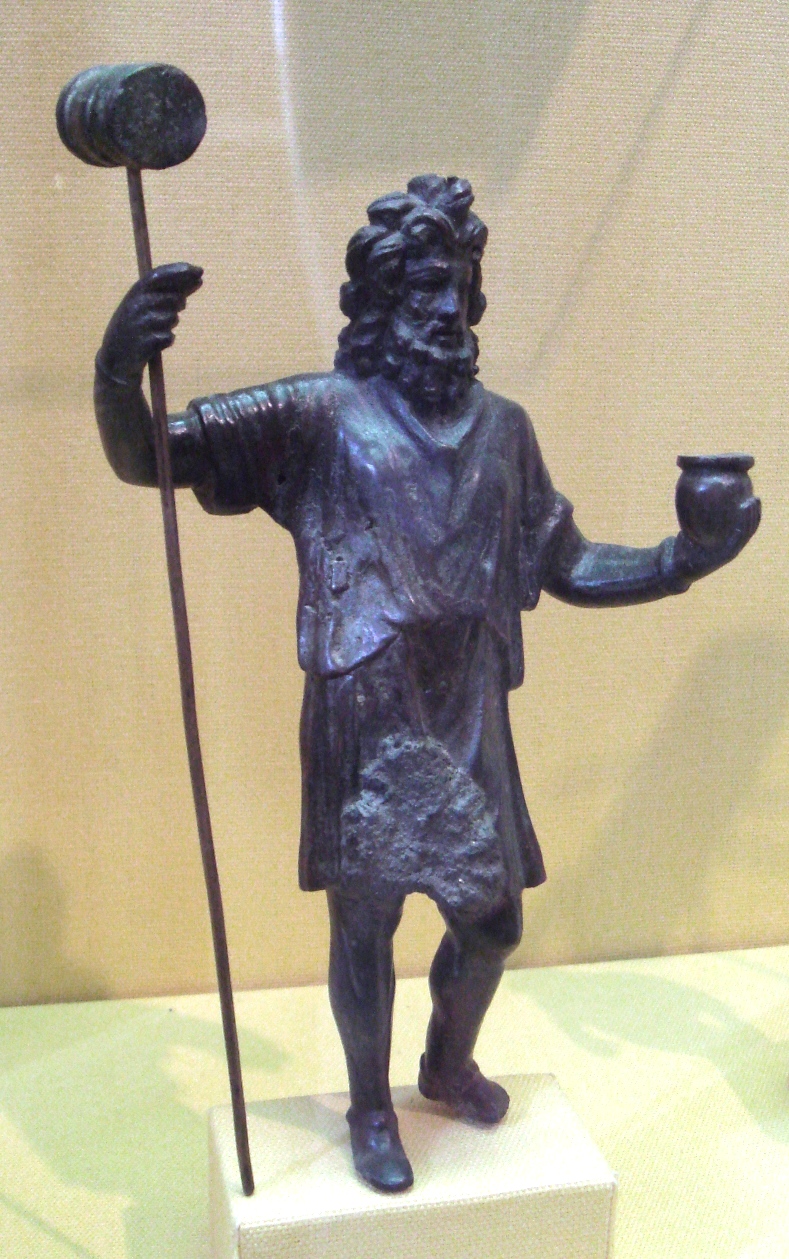


What people believe
The worldview included a pantheon of gods and goddesses, often associated with natural forces or crafts. The Tuatha Dé Danann in Ireland and the Children of Dôn in Wales represent divine figures. A common theme is the Otherworld, a parallel realm accessible to heroes. Sovereignty goddesses were believed to legitimize kings through marriage. The gods were sometimes equated with Roman deities by observers.
When it is done
Specific festival dates are not detailed in the surviving mythic texts. However, the cycles of legend are tied to seasonal events and royal reigns. The Ulster Cycle focuses on the court of Conchobar mac Nessa. The Fianna Cycle follows the warrior band of Fionn. These narratives were likely performed or recited at gatherings, though exact liturgical timing is unclear.
How scholars and sceptics see it
Researchers use comparative linguistics and archaeology to understand these myths. Julius Caesar’s accounts provide early insights into Gallic religion. Modern scholars analyze the Christianized texts to find earlier pagan elements. The lack of native written records from the Continental period makes reconstruction difficult, relying instead on inscriptions and classical literature.
Cautions and what is closed
The original religious practices were suppressed by Roman expansion and later Christianization. Many texts were altered or lost. There is no risk of harm from the myths themselves, but they reflect a complex social hierarchy and warfare. Misinterpretations can arise when comparing different regional traditions without context.
Compare and confuse
Celtic mythology shares motifs with other Indo-European traditions, such as the figure of the divine son. It differs from Norse mythology in its preservation and textual history. Arthurian legend was influenced by Insular Celtic tales. The concept of the Otherworld appears in various forms across European folklore.
Law and persecution
The ancient religion was displaced by Roman rule and Christianity. There are no modern legal restrictions on studying these myths. They are considered part of the cultural heritage of Ireland, Wales, and France. No specific laws protect the practice as a living religion today.
Questions people ask about Celtic mythology
What is Celtic mythology?
It is the collection of myths and beliefs belonging to the Celtic peoples of ancient Europe. It includes stories of gods, heroes, and the Otherworld, preserved mainly in Irish and Welsh texts.
Where does it come from?
It originates from the Iron Age cultures of Western and Central Europe. The best-preserved versions come from the Insular Celts of Ireland and Wales, while Continental versions are known only through fragments.
Who practiced it originally?
It was practiced by various Celtic tribes, including the Gauls, Celtiberians, Gaels, and Britons. Druids served as religious specialists, and the stories were passed down orally before being written by monks.
What are the main cycles?
Irish mythology is grouped into cycles like the Mythological, Ulster, and Fenian cycles. Welsh mythology features the Four Branches of the Mabinogi. These groups organize tales by theme and character.
Good reading and sources
- Celtic mythology on WikipediaEncyclopedia
- More photos on Wikimedia CommonsPhotos and video
- Wikidata recordOpen data
The facts on this page come from the Wikipedia article "Celtic mythology", written by its contributors and used under the CC BY-SA 4.0 licence, and from its Wikidata record (CC0). EveryJaadu rewrote the text in its own words, with AI assistance, and compares every page with the article to make sure no passage is copied. It may be reused under the same CC BY-SA 4.0 licence with a link back.
It may contain mistakes. Names and customs differ from one community to the next, and some knowledge is closed to outsiders and left out here. This page describes belief and practice. It does not say that any of it works, it is not a how-to, and it is not medical advice. If something is wrong, tell us. Last refreshed 2026-10-06.
More from Ireland
All the entries from Ireland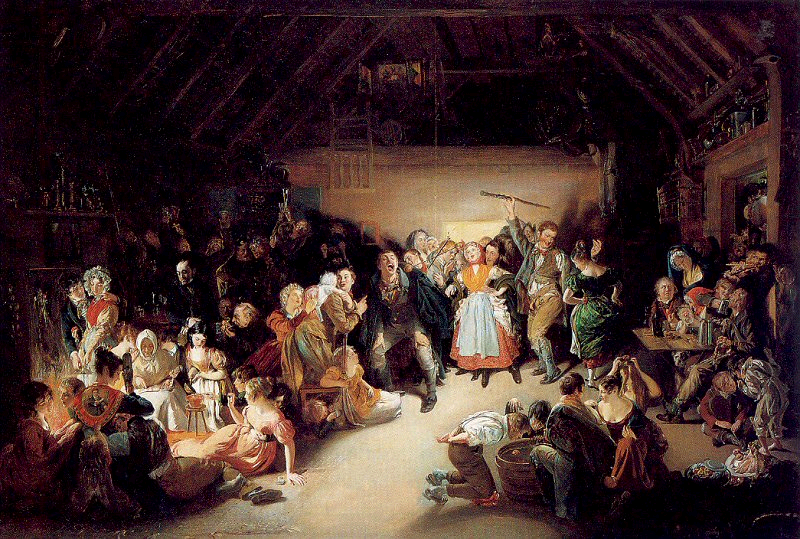 🇮🇪 Ireland and 1 moreSamhain
A Gaelic festival marking the end of harvest and the start of winter, observed on November 1st.Tradition · Protection · Speaking with spirits and the dead Living
🇮🇪 Ireland and 1 moreSamhain
A Gaelic festival marking the end of harvest and the start of winter, observed on November 1st.Tradition · Protection · Speaking with spirits and the dead Living
 🇬🇧 United Kingdom and 4 moreCorn dolly
A woven straw figure made from the last sheaf of a European harvest to house the crop spirit.Tradition · Protection · Speaking with spirits and the dead Revived
🇬🇧 United Kingdom and 4 moreCorn dolly
A woven straw figure made from the last sheaf of a European harvest to house the crop spirit.Tradition · Protection · Speaking with spirits and the dead Revived
 🇮🇪 Ireland and 5 moreCairn
A human-made stack of stones used as a marker, memorial, or religious symbol across many cultures.Tradition · Protection · Speaking with spirits and the dead Living
🇮🇪 Ireland and 5 moreCairn
A human-made stack of stones used as a marker, memorial, or religious symbol across many cultures.Tradition · Protection · Speaking with spirits and the dead Living
 🇮🇪 Ireland and 1 moreBeltaneBealtaine
A Gaelic festival marking the start of summer with protective bonfires and livestock ritualsTradition · Protection · Luck and prosperity Revived
🇮🇪 Ireland and 1 moreBeltaneBealtaine
A Gaelic festival marking the start of summer with protective bonfires and livestock ritualsTradition · Protection · Luck and prosperity Revived
Related elsewhere
All tradition 🇮🇳 IndiaChakraचक्र
Meditation points in the subtle body used in Hindu and Buddhist yogaTradition · Speaking with spirits and the dead · Change and initiation Living
🇮🇳 IndiaChakraचक्र
Meditation points in the subtle body used in Hindu and Buddhist yogaTradition · Speaking with spirits and the dead · Change and initiation Living
 🇳🇬 NigeriaOrunmilaỌ̀rúnmìlà
Yoruba deity of wisdom and the creator of the Ifá divination systemBeing · Seeing and foretelling · Speaking with spirits and the dead Living
🇳🇬 NigeriaOrunmilaỌ̀rúnmìlà
Yoruba deity of wisdom and the creator of the Ifá divination systemBeing · Seeing and foretelling · Speaking with spirits and the dead Living
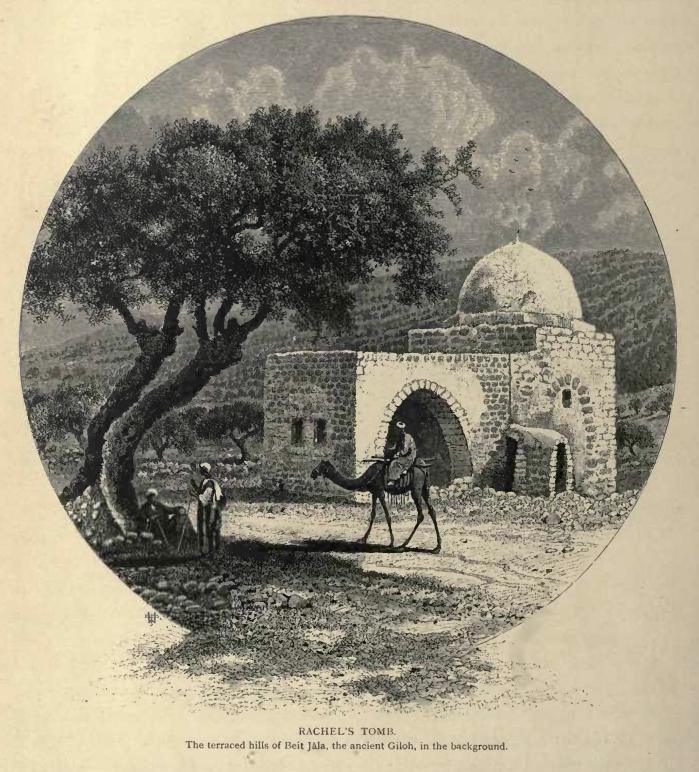 🇵🇸 Palestine and 1 moreRachel's TombQever Raḥel; Qabr Rāḥīl
A shared holy site near Bethlehem revered by Jews, Christians, and MuslimsTradition · Speaking with spirits and the dead · Protection Living
🇵🇸 Palestine and 1 moreRachel's TombQever Raḥel; Qabr Rāḥīl
A shared holy site near Bethlehem revered by Jews, Christians, and MuslimsTradition · Speaking with spirits and the dead · Protection Living
 🇮🇳 India and 2 moreHomaहोम
A fire ritual found across Asian religions where offerings are burned as a votive exchange with the divine.Rite · Protection · Speaking with spirits and the dead Living
🇮🇳 India and 2 moreHomaहोम
A fire ritual found across Asian religions where offerings are burned as a votive exchange with the divine.Rite · Protection · Speaking with spirits and the dead Living