Ossetian mythology
In its own language: Ирон мифологи
The beliefs and supernatural beings of the Ossetian people in the Caucasus.
Ossetian mythology is the traditional belief system of the Ossetians, an ethnic group in the Caucasus region. It blends ancient Scythian roots with later Christian elements, where gods are often identified with saints. The pantheon includes deities who govern nature, oaths, and the afterlife, alongside legendary figures from the Nart sagas.
What it is
Ossetian mythology forms the spiritual foundation of the Ossetian people in the Caucasus. It is a complex system of beliefs involving numerous gods and supernatural entities. The tradition is widely considered to have Scythian origins, though it has absorbed significant Christian influences over time. In this syncretic framework, many indigenous deities are equated with Christian saints. The mythology also encompasses the famous Nart sagas, which feature semi-divine heroes and their adventures.
Where it comes from
Scholars generally trace the roots of Ossetian mythology to the ancient Scythians and the Alans. However, the current form of the religion reflects centuries of interaction with Christianity. This process led to the identification of local gods with Christian figures, such as Saint George and Saint Peter. The name 'Ossetian' itself relates to the Iron and Digor dialects spoken by the community. Some linguistic connections suggest links to ancient Iranian traditions, though the exact lineage remains a subject of academic study.
How it is done
Rituals were often tied to specific seasons and life events. For example, festivals for Uacilla involved sacrifices of sheep and bulls, along with the brewing of beer. Women participated by baking bread in silence to show reverence. Another practice involved dream journeys to the land of the dead. On the eve of Saint Sylvester, certain individuals would fall into an ecstatic state, claiming to visit the realm of Kurys. These journeys were believed to bring omens of harvest abundance or, if mishandled, illness.
Tools and materials
Rituals relied on natural elements and animals. Sacrifices included lambs, bulls, and sheep. Beer was brewed specifically for festivals. Bread was baked during ceremonies. The hearth chain held significance for Safa, the domestic deity. Chains were also associated with Donbettyr, the lord of waters, who used one to drag swimmers down.
Ossetian mythology, drawn and placed
- Living
- Revived
- Fading
- Historical
- Legendary
- Performed
- Lineage
- Caucasian mythology
What it is for
The deities served various protective and governing roles. Uastyrdzhi protected males, travellers, and oaths. Uacilla ensured rain and harvest success. Safa guarded the home and hearth. Donbettyr controlled the waters and punished those who swam at unsafe times. The psychopomp Barastyr guided souls to the underworld. Communities sought the favor of these spirits for safety, agricultural prosperity, and proper conduct in life and death.
Who does it
Religious specialists included shaman-like figures known as Kurysdzauta or Burkudzauta. These individuals facilitated dream journeys to the land of the dead. Priests or ritual leaders likely oversaw public festivals involving animal sacrifice. The general household maintained devotion to domestic deities like Safa. Gender roles were distinct; women observed silence during certain festivals, while men and travellers looked to Uastyrdzhi.
Peoples and places
The mythology belongs to the Ossetian people, who speak Iron and Digor dialects. They inhabit the Caucasus region, primarily within modern Russia. The tradition shares roots with other Caucasian and Iranian mythologies. The Nart sagas are a shared cultural heritage across several North Caucasian groups. The syncretism with Christianity reflects the broader religious history of the region, blending old pagan customs with new faiths.
At a glance: who, where and when
Who does it
Peoples
Belief worlds
Occasions
What people believe
The worldview features a hierarchy of gods and spirits. Hutsau is the chief deity. Other gods control specific domains like thunder, wolves, and fish. The afterlife is ruled by Barastyr, who assigns souls to paradise or his own realm. Aminon acts as the gatekeeper. Dreams were seen as real journeys to Kurys, a meadow of the dead. Encounters there could bring luck or sickness. Lightning strikes were viewed as signs of divine choice, requiring compensation through sacrifice.
When it is done
Festivals marked key agricultural and religious moments. Uacilla’s festival occurred in summer, featuring sacrifices and communal drinking. Fælværa’s celebration took place before sheep-shearing in September. Donbettyr’s day was once observed on the Saturday after Easter. Saint Sylvester’s Eve was critical for dream journeys to the underworld. Daily life involved reverence for domestic spirits and adherence to oaths sworn under Uastyrdzhi’s protection.
How scholars and sceptics see it
Researchers like Gershevitch and Abaev have analyzed the linguistic and historical aspects of Ossetian myths. They note the connection between the prefix 'uac-' and concepts of sainthood or word/logos. Comparisons are drawn between Ossetian terms and ancient Avestan texts. Scholars recognize the blend of Scythian, Alan, and Christian elements. The Nart sagas are studied as epic literature reflecting social values and heroic ideals common in the Caucasus.
Cautions and what is closed
Some practices carried risks. Dream journeys to Kurys could result in fever or sickness if performed by inexperienced individuals. Donbettyr was feared for drowning those who entered his waters at forbidden times. Alardy, the lord of smallpox, had to be placated to avoid disease. Thieves and criminals looked to Saubarag, but this association with darkness and theft carried moral warnings. The tradition contains closed knowledge regarding specific rituals and spirit interactions.
Compare and confuse
Ossetian mythology is often compared to Scythian and Alan traditions due to shared linguistic and mythological roots. The Nart sagas resemble epics found in other North Caucasian cultures. Deities like Uastyrdzhi (Saint George) and Donbettyr (Saint Peter) show clear parallels with Christian hagiography adapted to local needs. The psychopomp Barastyr functions similarly to other underworld guides in Eurasian mythologies. The term 'Ossetian' itself distinguishes the group from neighboring peoples.
Questions people ask about Ossetian mythology
Where does Ossetian mythology come from?
As our sources describe it, Ossetian mythology belongs to Russia. Communities differ in what they call it and how they keep it.
What kind of thing is Ossetian mythology?
As our sources describe it, Ossetian mythology belongs with the tradition entries in a guide to magic. What it is believed to do depends on who is speaking, and scholars read it differently from those who practise it.
Is Ossetian mythology still practised?
Our sources place Ossetian mythology among the entries that are historical. Documented in the past; no continuous living tradition today.
Which peoples keep Ossetian mythology?
As our sources describe it, Ossetian mythology is kept by Ossetians. Others now know it too, often in changed forms.
Good reading and sources
- Ossetian mythology on WikipediaEncyclopedia
- More photos on Wikimedia CommonsPhotos and video
- Wikidata recordOpen data
The facts on this page come from the Wikipedia article "Ossetian mythology", written by its contributors and used under the CC BY-SA 4.0 licence, and from its Wikidata record (CC0). EveryJaadu rewrote the text in its own words, with AI assistance, and compares every page with the article to make sure no passage is copied. It may be reused under the same CC BY-SA 4.0 licence with a link back.
It may contain mistakes. Names and customs differ from one community to the next, and some knowledge is closed to outsiders and left out here. This page describes belief and practice. It does not say that any of it works, it is not a how-to, and it is not medical advice. If something is wrong, tell us. Last refreshed 2026-10-05.
More from Russia
All the entries from Russia 🇷🇺 Russia and 4 moreFolk Orthodoxyнародное православие
A blend of Eastern Orthodox doctrine and pre-Christian pagan beliefs in Slavic communitiesTradition · Protection · Luck and prosperity Living
🇷🇺 Russia and 4 moreFolk Orthodoxyнародное православие
A blend of Eastern Orthodox doctrine and pre-Christian pagan beliefs in Slavic communitiesTradition · Protection · Luck and prosperity Living
 🇷🇴 Romania and 5 moreVampire folklore
Global legends of blood-drinking spirits and undead revenantsBelief · Cursing and harm · Protection Historical
🇷🇺 RussiaSlavic folklore
The traditional beliefs and stories of the Slavic peoplesTradition Living
🇷🇴 Romania and 5 moreVampire folklore
Global legends of blood-drinking spirits and undead revenantsBelief · Cursing and harm · Protection Historical
🇷🇺 RussiaSlavic folklore
The traditional beliefs and stories of the Slavic peoplesTradition Living
 🇷🇺 Russia and 5 moreSlavic religion
The pre-Christian beliefs of the Slavic peoples before their conversion to Christianity.Tradition · Protection · Healing Revived
🇷🇺 Russia and 5 moreSlavic religion
The pre-Christian beliefs of the Slavic peoples before their conversion to Christianity.Tradition · Protection · Healing Revived
Related elsewhere
All tradition 🇮🇳 India and 2 moreHomaहोम
A fire ritual found across Asian religions where offerings are burned as a votive exchange with the divine.Rite · Protection · Speaking with spirits and the dead Living
🇮🇳 India and 2 moreHomaहोम
A fire ritual found across Asian religions where offerings are burned as a votive exchange with the divine.Rite · Protection · Speaking with spirits and the dead Living
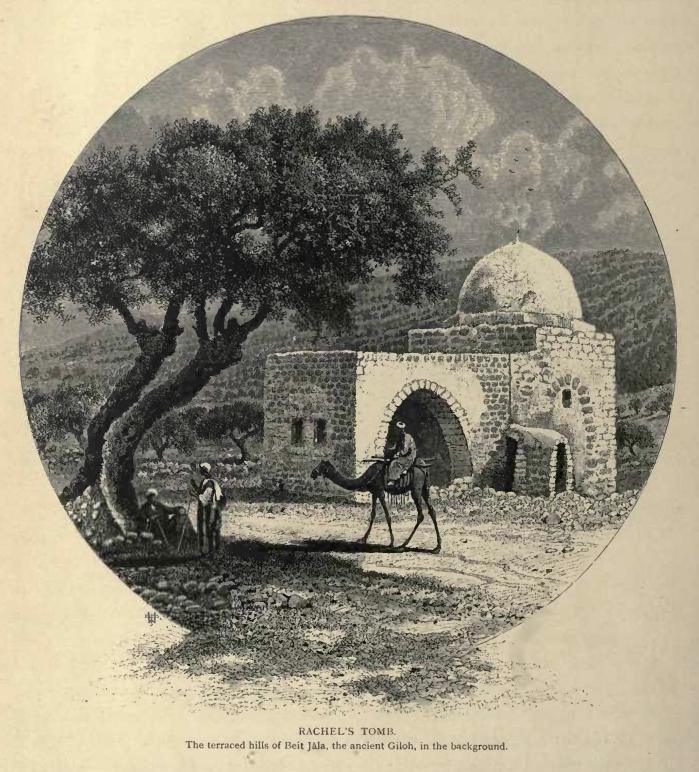 🇵🇸 Palestine and 1 moreRachel's TombQever Raḥel; Qabr Rāḥīl
A shared holy site near Bethlehem revered by Jews, Christians, and MuslimsTradition · Speaking with spirits and the dead · Protection Living
🇨🇳 China and 4 moreKitchen God灶君
The Chinese hearth deity who reports domestic conduct to the Jade EmperorBeing · Protection · Luck and prosperity Living
🇵🇸 Palestine and 1 moreRachel's TombQever Raḥel; Qabr Rāḥīl
A shared holy site near Bethlehem revered by Jews, Christians, and MuslimsTradition · Speaking with spirits and the dead · Protection Living
🇨🇳 China and 4 moreKitchen God灶君
The Chinese hearth deity who reports domestic conduct to the Jade EmperorBeing · Protection · Luck and prosperity Living