Traditions and systems
Whole bodies of practice: Vodou, shamanism, hoodoo, Wicca, onmyodo, Ifa and the rest.
A tradition is a whole body of magical practice with its own teachers, vocabulary and rules, as distinct from a single charm or rite. Ifa in West Africa, Vodou in Haiti, Tibetan Buddhist ritual, Wicca in Britain and America, and Siberian shamanism are all traditions in this sense. Some are living religions, some are modern inventions, and some survive only in fragments. This page looks at how they differ and what each label hides. Each is described here in its own terms wherever the community has chosen to share them.
Who holds them
A tradition has keepers. In Ifa, a babalawo trains for years and memorises the verses of Odu. In Haitian Vodou, a houngan or mambo is initiated within a house and a lineage. Wicca, by contrast, grew from the writings of Gerald Gardner in the 1950s and spreads by books and covens. Access varies: some traditions are open, some require initiation, and some are closed to outsiders by the community's own rule.
Names that mislead
Outsiders have often given traditions names their keepers did not choose. Colonial officials and missionaries called African and Indigenous religions fetishism, witchcraft or devil worship. The word voodoo, borrowed from the Haitian religion, became a stock horror image, while practitioners say Vodou. Many people also reject the word magic for what they see as plain religion, worship of ancestors or medicine of the land. Some are written down in long poems or scriptures, while others are carried only in memory, song and apprenticeship, which affects how outsiders can study them.
How states treat them
Treatment ranges from protection to prohibition. Haiti recognised Vodou as a religion in 2003. Britain repealed its Witchcraft Act only in 1951. Several African and Pacific states still prosecute witchcraft accusations, and Saudi Arabia has executed people for sorcery. Many traditions were absorbed rather than banned: Santeria wore the faces of Catholic saints, and Taoist ritual was licensed by Chinese emperors. Recognition on paper does not end prejudice: a faith can be legal under a constitution and still be mocked, taxed or policed at local level.
Scholars and sceptics
Anthropologists such as Evans-Pritchard, who studied the Azande in the 1930s, described magic as a coherent system of explanation, not stupidity. Historians stress that boundaries between religion, magic and science were drawn by particular people for particular reasons. Sceptics point out that tests of efficacy have found no effect beyond expectation. Many tradition-bearers answer that the question misses what the practice is for. Folklorists add that traditions are always changing, with no pure original to return to, and that revival is itself a form of change.
Tradition on EveryJaadu
The entries written up so far, best known first.
 🇫🇷 France and 5 moreKardecist SpiritismSpiritisme
A French spiritualist doctrine based on communication with spirits and reincarnation.Tradition · Speaking with spirits and the dead · Protection Living
 🇬🇷 Greece and 5 morePrayer beads
Beaded strands used across religions to track the number of recited prayers or chants.Tradition · Speaking with spirits and the dead · Power and authority Living
 🇸🇪 Sweden and 5 moreMidsummerJāņi; Joninės; Jaanipäev; Enyovden; Litha; Juhannus
A summer solstice festival marked by bonfires, maypole dancing, and feasting across Europe.Tradition · Protection · Luck and prosperity Living
 🇨🇺 Cuba and 5 moreBrujería
A syncretic blend of Indigenous, African and Catholic folk magic across Latin America and the CaribbeanTradition · Healing · Protection Living
 🇮🇹 Italy and 3 moreRenaissance magic
A 15th and 16th century revival of magical arts blending philosophy, astrology, and hidden knowledge.Tradition · Power and authority · Seeing and foretelling Historical
 🇷🇸 Serbia and 3 moreSerbian folkloreСрпски фолклор
The folk traditions and epic poetry of the Serbs, blending pre-Christian customs with Orthodox faith.Tradition · Speaking with spirits and the dead · Power and authority Living
 🇵🇪 Peru and 1 moreQuyllurit'iQoyllur Rit'i
A syncretic Andean pilgrimage celebrating the Pleiades and the Lord of Star SnowTradition · Protection · Healing Living
 🇹🇹 Trinidad and Tobago and 5 moreSpiritual Baptist
An Afro-Caribbean Christian faith blending African traditions with Baptist worshipTradition · Speaking with spirits and the dead · Protection Living
 🇨🇺 Cuba and 2 moreAbakuá
A male-only Cuban religious fraternity with West African roots and strict secrecyTradition · Protection · Speaking with spirits and the dead Living
 🇬🇧 United Kingdom and 1 moreJohn Dee
An English scholar and advisor to Elizabeth I who pursued angelic communication through scrying.Tradition · Speaking with spirits and the dead · Seeing and foretelling Historical
 🇨🇺 Cuba and 4 moreSanteríaRegla de Ocha
An Afro-Cuban religion blending Yoruba spirits with Catholic saintsTradition · Protection · Healing Living
 🇧🇷 Brazil and 5 moreSanto Daime
A Brazilian syncretic religion using ayahuasca for spiritual work and healingTradition · Healing · Speaking with spirits and the dead Living
 🇸🇳 Senegal and 5 morePentagramπεντάγραμμον
A five-pointed star figure used across history for protection, ritual, and cosmologyCharm · Protection · Binding and oaths Living
 🇬🇹 Guatemala and 3 moreMaya religion
The living spiritual practices of the Maya peoples, shaped by centuries of contact with Catholicism.Tradition · Protection · Healing Living
 🇪🇬 Egypt and 5 moreSacred dance
Movement used in worship to honour deities, heal communities, or connect with the spirit world.Tradition · Protection · Healing Living
 🇬🇧 United Kingdom and 2 moreSoul cake
A spiced cake given to soulers during Allhallowtide to remember the dead.Tradition · Speaking with spirits and the dead · Luck and prosperity Living
 🇬🇷 Greece and 5 moreVotive offering
Objects left in sacred places to honor a deity or fulfill a vow, never to be recovered.Tradition · Protection · Healing Living
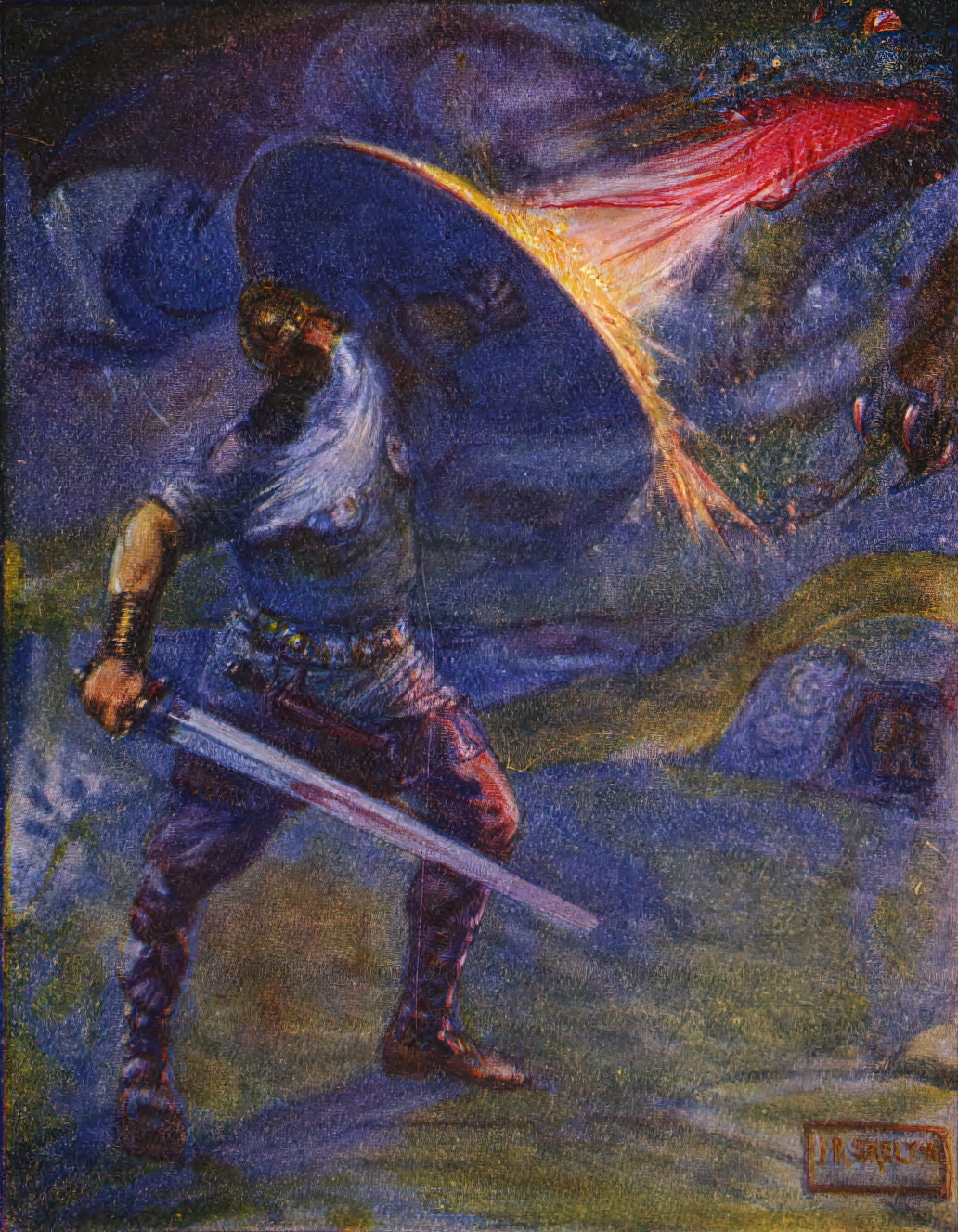 🇬🇧 United KingdomEnglish folklore
The myths, legends, and customs of England passed down through generations.Tradition · Protection · Cursing and harm Living
 🇮🇪 Ireland and 5 moreHoly well
A water source revered for healing and ritual across pagan and Christian traditionsTradition · Healing · Speaking with spirits and the dead Living
 🇮🇳 India and 5 morePilgrimage
A journey to a sacred site for spiritual growth or religious dutyTradition · Healing · Speaking with spirits and the dead Living
 🇲🇽 Mexico and 5 moreFolk Catholicism
Local religious customs that blend official Church teaching with indigenous or regional traditions.Tradition · Protection · Healing Living
🇫🇷 France and 3 moreChristian Kabbalah
A Renaissance effort to read Christian theology into Jewish mysticismTradition · Speaking with spirits and the dead · Cursing and harm Historical
 🇮🇳 India and 5 moreSnake worship
Veneration of serpents as divine or ancestral beings across global culturesTradition · Protection · Healing Living
 🇵🇭 PhilippinesPhilippine mythology
The indigenous stories and spirits of the Philippines, shaped by centuries of trade and colonization.Tradition · Speaking with spirits and the dead · Power and authority Living
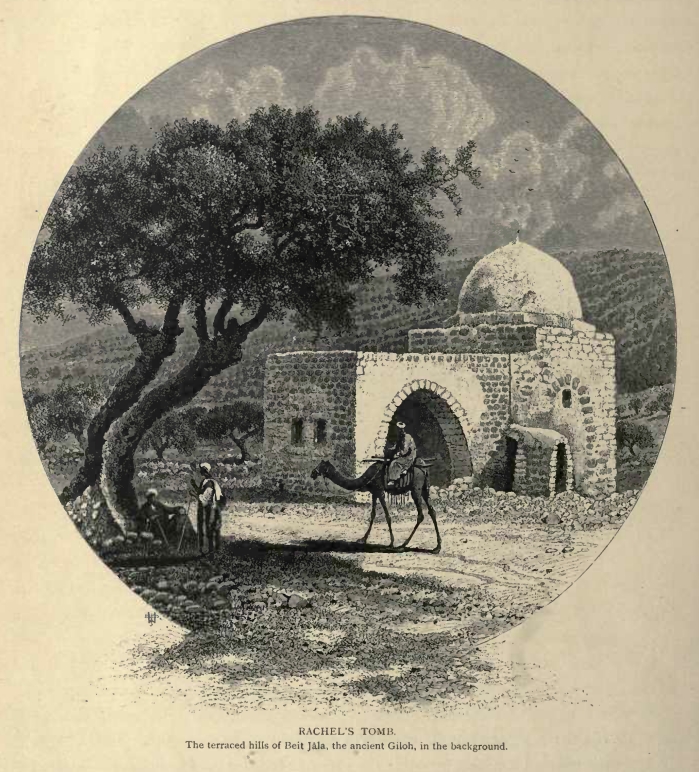 🇵🇸 Palestine and 1 moreRachel's TombQever Raḥel / Qabr Rāḥīl
A shared holy site in Bethlehem revered by Jews, Christians, and Muslims.Tradition · Speaking with spirits and the dead · Protection Living
 🇸🇪 Sweden and 4 moreEmanuel Swedenborg
An 18th-century Swedish scientist who became a mystic and claimed to visit the afterlife.Text · Speaking with spirits and the dead · Change and initiation Living
 🇺🇦 Ukraine and 1 moreUkrainian folklore
The folk traditions of Ukraine and its ethnic communitiesTradition · Speaking with spirits and the dead · Luck and prosperity Living
 🇲🇽 Mexico and 5 moreDay of the DeadDía de los Muertos
A Mexican holiday honoring the dead with altars, food, and humor during Allhallowtide.Tradition · Speaking with spirits and the dead · Luck and prosperity Living
 🇺🇸 United States and 1 moreMarie Laveau
A New Orleans priestess and herbalist who led Louisiana Voodoo in the nineteenth centuryTradition · Healing · Protection Historical
 🇨🇺 Cuba and 5 morePalo
An Afro-Cuban religion centered on spirit vessels and ancestral powerTradition · Healing · Cursing and harm Living
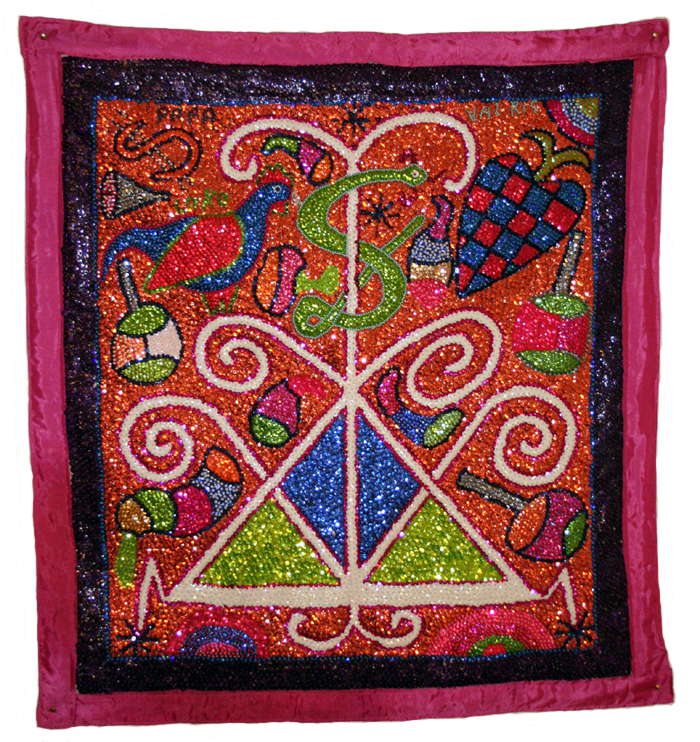 🇭🇹 Haiti and 2 moreHaitian VodouVodou
An Afro-Haitian religion blending West African traditions with Catholicism and FreemasonryTradition · Protection · Healing Living
 🇧🇷 Brazil and 2 moreCandomblé
An Afro-Brazilian religion blending West African spirits with Catholic imageryTradition · Speaking with spirits and the dead · Healing Living
 🇸🇳 Senegal and 5 moreVeneration of the dead
Rituals of respect and offerings for ancestors across global culturesTradition · Protection · Speaking with spirits and the dead Living
 🇮🇹 ItalyArcheosofica
A school of esoteric Christianity founded in Rome that teaches ascetic disciplines and magical theory.Tradition · Power and authority · Speaking with spirits and the dead Living
 🇹🇹 Trinidad and Tobago and 4 moreTrinidad Orisha
A syncretic Afro-Caribbean faith blending Yoruba spirit work with Christian and other traditions in Trinidad.Tradition · Speaking with spirits and the dead · Healing Living
 🇰🇪 Kenya and 5 moreLegio Maria
A Kenyan church blending Catholic rites with beliefs in a Black Christ and visionary apparitionsTradition · Protection · Healing Living
 🇺🇸 United States and 5 moreSpiritualist church
A worship service led by a medium to communicate with the deceasedTradition · Speaking with spirits and the dead · Healing Living
🇨🇭 SwitzerlandSegen
A German term for blessing, charm, or spell rooted in Christian and folk traditions.Belief · Protection · Speaking with spirits and the dead Historical
 🇿🇦 South Africa and 1 moreSacred caves of the Basotho
Cave networks in South Africa and Lesotho used by the Basotho for ancestral rituals and healingTradition · Healing · Protection Living
 🇬🇧 United Kingdom and 4 moreSpiritualism
A metaphysical belief that spirits communicate with the living through mediums.Belief · Speaking with spirits and the dead Living
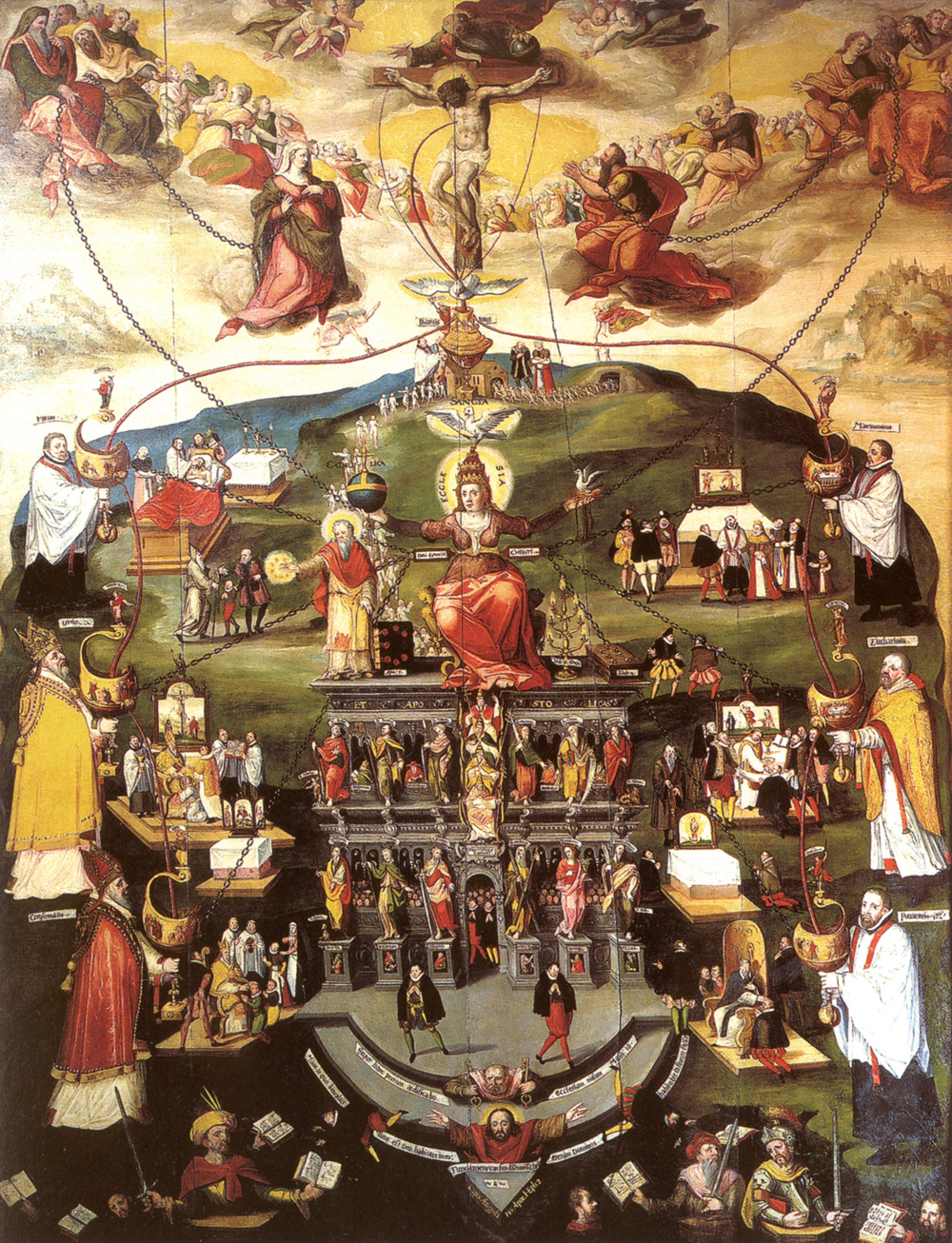 🇬🇷 GreeceSacred mysteriesμυστήριον
Secret ceremonies and divine doctrines held to exceed human reasonBelief · Speaking with spirits and the dead · Change and initiation Living
🇭🇹 HaitiChristian-Vodou
The blending of Haitian Vodou and Roman Catholicism into a single spiritual practiceTradition · Speaking with spirits and the dead · Protection Living
🇦🇷 Argentina and 1 moreSan Baltasar
A folk saint of African origin, honoured in Argentina with drums and dance on 6 JanuaryFigure · Protection · Speaking with spirits and the dead Living
 🇺🇸 United StatesQuviasukvikᖁᕕᐊᓲᑎᖃᕐᕕᒃ
An Arctic festival marking the new year with sunrise rituals and community gatherings.Tradition · Luck and prosperity · Speaking with spirits and the dead Living
🇬🇾 Guyana and 3 moreComfa
A Guyanese folk religion blending African, Christian, and Asian traditions through spirit possession.Tradition · Speaking with spirits and the dead · Cursing and harm Living
Photo credits on this page
The small pictures above come from Wikimedia Commons under free licences. Some are cropped to fit.
- Veneration of the dead: Anonymous ( Flemish ) Unknown author, Public domain, source
- Sacred dance: Jorge Barrios, CC BY-SA 3.0, source
- Rada lwa: Calvin Hennick, for WBUR Boston, CC BY 3.0, source
- Xtabay: Unknown author, Public domain, source
- Sacred mysteries: Johannes Hopffe, Public domain, source
- Soul cake: Samantha, CC BY 2.0, source
- Votive offering: Walter J. Pilsak, Waldsassen ( W.J.Pilsak at de.wikipedia ), CC BY-SA 3.0, source
- English folklore: J. R. Skelton, Public domain, source
- Spiritualism: Internet Archive Book Images, No restrictions, source
- Holy well: The Speckled Bird, CC BY-SA 4.0, source
- Quviasukvik: Jodie Wilson, CC BY 2.0, source
- Witchcraft in the Philippines: The original uploader was Rodsan18 at English Wikipedia . ( Original t, CC BY 2.5, source
- Pilgrimage: Ali Mansuri, CC BY-SA 2.5, source
- Egungun: Ìṣẹ̀ṣeAssembly, CC BY-SA 4.0, source
- Sacred caves of the Basotho: JMK, CC BY-SA 3.0, source
- Snake worship: Alexandermcnabb, CC BY-SA 4.0, source
- European witchcraft: Unknown author, CC BY 4.0, source
- Rachel's Tomb: Lane-Poole, Stanley, Public domain, source
- Emanuel Swedenborg: Carl Frederik von Breda, Public domain, source
- Ukrainian folklore: U.S. Army Europe Images, CC BY 2.0, source
- Natural magic: Unidentified painter, Public domain, source
- Spiritualist church: Jim.henderson, CC0, source
- Day of the Dead: RubeHM, CC BY-SA 4.0, source
- Marie Laveau: E. W. Kemble, Public domain, source
- Palo: Burkhard Mücke, CC BY-SA 4.0, source
- Haitian Vodou: Sam Fentress, CC BY-SA 2.0, source
- Candomblé: André Koehne, CC BY-SA 3.0, source
- Prayer beads: ja:利用者:pack372sd, CC BY-SA 3.0, source
- Midsummer: Kora27, CC BY-SA 4.0, source
- Renaissance magic: Unknown author, Public domain, source
- Serbian folklore: Uroš Predić, Public domain, source
- Quyllurit'i: AgainErick, CC BY-SA 3.0, source
- Archeosofica: Unknown author, Public domain, source
- Spiritual Baptist: N Chadwick, CC BY-SA 2.0, source
- Legio Maria: Comondi, CC BY-SA 4.0, source
- Abakuá: M. Puente, Public domain, source
- Santería: Jorge Royan, CC BY-SA 3.0, source
- Santo Daime: Tonelada, CC BY-SA 3.0, source
- Pentagram: Tomruen, Attribution, source
- Kardecist Spiritism: Coprosme, CC BY-SA 4.0, source