
Ukrainian folklore is the body of traditional customs, songs, dances, and tales developed in Ukraine. It preserves a distinct cultural identity through layers of ancient Slavic beliefs and local practices.
- Earliest elements stem from ancient Eastern Slavic mythology.
- Dances are often circular and performed to chants.
- Songs use birds and plants as symbols for people.
- Soviet rule suppressed customs, leading to post-1991 revival.
- Canadian diaspora helps preserve folk dance traditions.
What it is
Ukrainian folklore represents the collective heritage of the Ukrainian people, encompassing their rituals, music, stories, and social norms. This tradition serves as a vital mechanism for maintaining cultural distinctiveness against external influences. The practice includes a wide array of expressions, from seasonal agricultural rites to intimate family ceremonies. It reflects a deep connection to the land and the community, preserving history and values through oral transmission and performance.
Where it comes from
The roots of this tradition lie in the ancient mythology of the Eastern Slavs. Over centuries, a unique layer of culture emerged, distinguishing Ukrainian practices from broader pan-Slavic customs. Regional variations developed among specific groups such as the Cossacks, Hutsuls, and Boykos. These micro-groups contributed distinct elements that enriched the overall tapestry of national folklore, creating a complex hierarchy of shared and localized traditions.
How it is done
Customs are enacted during key life events like births, marriages, and funerals, often blending with Christian liturgy. Seasonal rites mark farming cycles, herding tasks, and hunting expeditions. Dances, typically circular and performed to chants or simple music, accompany festivals and harvest celebrations. Songs utilize rich symbolism, comparing individuals to natural elements like eagles, doves, and trees to convey emotions and social roles.
Ukrainian folklore, drawn and placed
- Living
- Revived
- Fading
- Historical
- Legendary
- Performed
- Lineage
- Slavic folklore
What it is for
These traditions aim to ensure community cohesion, agricultural prosperity, and spiritual harmony. Rituals seek to align human activity with natural cycles and divine will. Folk tales teach moral lessons about survival, respect for nature, and the consequences of actions. Songs and dances provide a means of expressing collective joy, sorrow, and historical memory, reinforcing group identity and continuity.
Who does it
Folklore is maintained by households and community members who participate in seasonal and life-cycle events. Historically, it was suppressed under Soviet rule but has seen revival since 1991, particularly in western regions. Today, dance troupes and cultural groups in Ukraine and abroad, especially in Canada, keep these practices alive through performance and education.
Peoples and places
The tradition is central to Ukrainian identity, with variations found among different ethnic subgroups. While sharing a common Slavic foundation, each group like the Rusyns or Podolians adds unique flavor. The diaspora in Canada also plays a significant role in preserving these customs, ensuring they survive beyond national borders and adapt to new environments while retaining core elements.
At a glance: who, where and when

What people believe
Underlying beliefs blend ancient pagan concepts with Orthodox Christianity. Spirits and natural forces are respected, and rituals often invoke protection or fertility. Tales feature animals and magical objects, reflecting a worldview where the natural and supernatural intersect. Symbolism in songs and stories encodes complex ideas about gender, power, and the cosmos, passed down through generations as wisdom.
When it is done
Rites are tied to the agricultural year and religious calendar. Ivan Kupala day, St. George's day, and Pentecost are major occasions for dancing and singing. Harvest festivals celebrate abundance, while weddings and funerals mark individual transitions. These events structure community life, providing regular opportunities for renewal, celebration, and remembrance throughout the seasons.
How scholars and sceptics see it
Academics analyze folklore as a repository of historical memory and cultural values. Researchers study how myths and songs reflect social structures and environmental adaptations. Comparative studies highlight connections to broader Slavic traditions while emphasizing unique Ukrainian contributions. Literary analysis reveals the sophisticated poetic devices and symbolic systems used in folk narratives and lyrics.
Compare and confuse
Ukrainian folklore shares many features with other Slavic traditions, including similar mythological figures and ritual structures. However, it diverges in specific regional customs, musical styles, and narrative motifs. The term 'kazka' specifically denotes Ukrainian fairy tales, which often feature distinct animal characters and moral frameworks compared to neighboring cultures' versions.
Today
Contemporary Ukraine sees a resurgence of interest in traditional customs, supported by cultural organizations and educational initiatives. Diaspora communities, particularly in Canada, actively preserve and perform these traditions. Modern artists draw inspiration from folk melodies and tales, integrating them into new works. This ongoing engagement ensures that folklore remains a living, evolving part of national identity.
Questions people ask about Ukrainian folklore
What is Ukrainian folklore?
It is the collection of traditional customs, songs, dances, and tales developed in Ukraine. It preserves cultural identity through ancient Slavic roots and local practices.
Where did it originate?
It originates from the ancient mythology of the Eastern Slavs. Over time, distinct Ukrainian elements emerged alongside shared pan-Slavic traditions.
How are folk songs structured?
They use symbolism, comparing people to animals or plants. Techniques include repetition, metaphor, and dramatic dialogue to express emotion and tell stories.
Good reading and sources
- Ukrainian folklore on WikipediaEncyclopedia
- More photos on Wikimedia CommonsPhotos and video
- Wikidata recordOpen data
The facts on this page come from the Wikipedia article "Ukrainian folklore", written by its contributors and used under the CC BY-SA 4.0 licence, and from its Wikidata record (CC0). EveryJaadu rewrote the text in its own words, with AI assistance, and compares every page with the article to make sure no passage is copied. It may be reused under the same CC BY-SA 4.0 licence with a link back.
It may contain mistakes. Names and customs differ from one community to the next, and some knowledge is closed to outsiders and left out here. This page describes belief and practice. It does not say that any of it works, it is not a how-to, and it is not medical advice. If something is wrong, tell us. Last refreshed 2026-10-05.
More from Ukraine
All the entries from Ukraine 🇷🇺 Russia and 5 moreSlavic religion
The pre-Christian beliefs of the Slavic peoples before their conversion to Christianity.Tradition · Protection · Healing Revived
🇷🇺 Russia and 5 moreSlavic religion
The pre-Christian beliefs of the Slavic peoples before their conversion to Christianity.Tradition · Protection · Healing Revived
 🇷🇺 Russia and 7 moreSlavic Native FaithРодноверие
A modern polytheistic movement drawing on Slavic folklore, romanticism, and global spiritual traditions.Tradition · Speaking with spirits and the dead · Power and authority Living
🇷🇺 Russia and 7 moreSlavic Native FaithРодноверие
A modern polytheistic movement drawing on Slavic folklore, romanticism, and global spiritual traditions.Tradition · Speaking with spirits and the dead · Power and authority Living
 🇷🇺 Russia and 4 moreFolk Orthodoxyнародное православие
A blend of Eastern Orthodox doctrine and pre-Christian pagan beliefs in Slavic communitiesTradition · Protection · Luck and prosperity Living
🇷🇺 Russia and 4 moreFolk Orthodoxyнародное православие
A blend of Eastern Orthodox doctrine and pre-Christian pagan beliefs in Slavic communitiesTradition · Protection · Luck and prosperity Living
 🇪🇪 Estonia and 5 moreFern flower
A mythical bloom said to bring fortune and unlock secrets, found only on midsummer night.Belief · Luck and prosperity · Love and attraction Living
🇪🇪 Estonia and 5 moreFern flower
A mythical bloom said to bring fortune and unlock secrets, found only on midsummer night.Belief · Luck and prosperity · Love and attraction Living
Related elsewhere
All tradition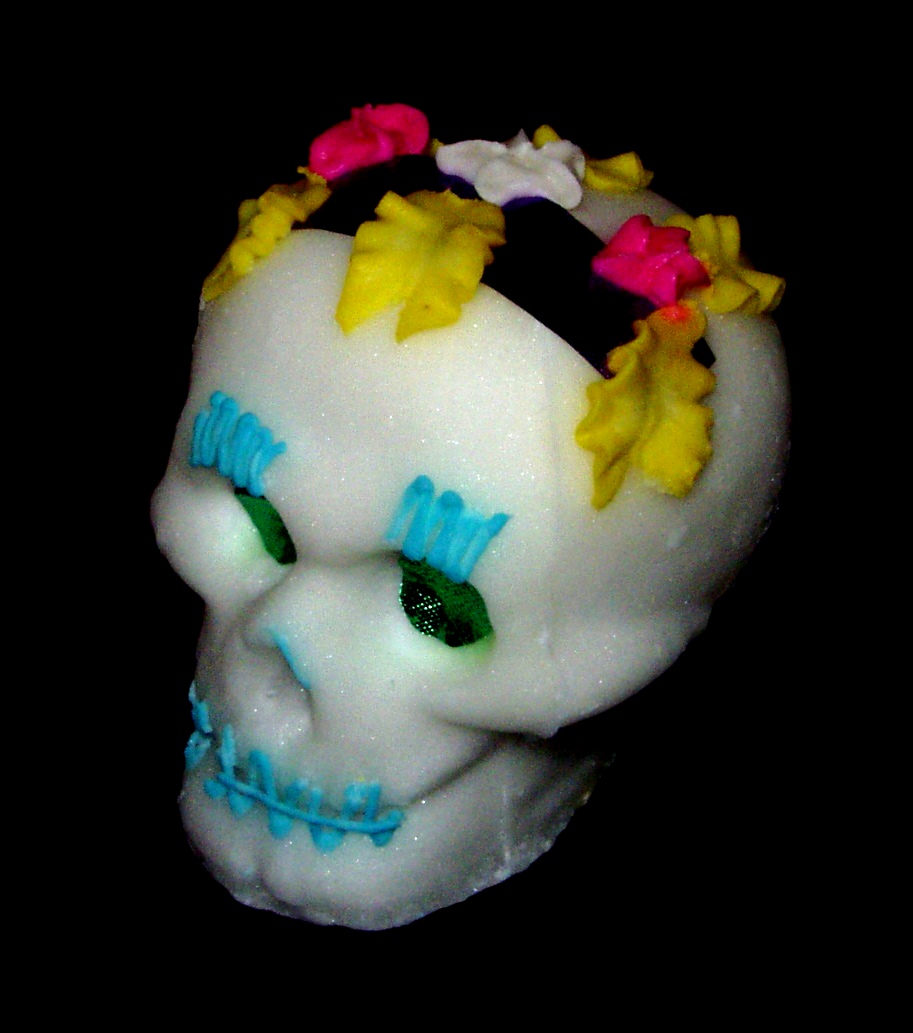 🇲🇽 MexicoCalavera
A sugar or clay skull used in Mexican Day of the Dead celebrations.Charm · Speaking with spirits and the dead · Luck and prosperity Living
🇲🇽 MexicoCalavera
A sugar or clay skull used in Mexican Day of the Dead celebrations.Charm · Speaking with spirits and the dead · Luck and prosperity Living
 🇱🇾 Libya and 4 moreTraditional Berber religionAmazigh religion
Ancient beliefs of Northwest Africa centered on celestial bodies, caves, and ancestors.Tradition · Speaking with spirits and the dead · Luck and prosperity Historical
🇱🇾 Libya and 4 moreTraditional Berber religionAmazigh religion
Ancient beliefs of Northwest Africa centered on celestial bodies, caves, and ancestors.Tradition · Speaking with spirits and the dead · Luck and prosperity Historical