
Quviasukvik
In its own language: ᖁᕕᐊᓲᑎᖃᕐᕕᒃ
from Inuktitut ᖁᕕᐊᓲᑎᖃᕐᕕᒃ, meaning Christmas
An Arctic festival marking the new year with sunrise rituals and community gatherings.
Quviasukvik is a traditional Inuit celebration of the new year observed across the Arctic. It blends ancient spiritual customs with modern Christian holiday traditions to welcome the returning sun and spirits of luck.
- Starts December 24 and ends at the first natural sunrise
- Celebrated by Inuit, Yupik, Aleut, Chukchi, Iñupiat, and NunatuKavummiut
- Honors Sedna and the roaming of spirits for good luck
- Uses qulliq ceremonies during sunrise and new year transitions
- Blends traditional Inuit religion with Christian influences
What it is
Quviasukvik serves as the primary new year festival for various Indigenous peoples of the Arctic region. The event marks the transition into the next annual cycle and is deeply connected to the return of sunlight after the polar night. Participants believe this time facilitates the movement of spirits that bring fortune for the coming months. The celebration merges pre-Christian indigenous beliefs with contemporary Christian observances, creating a unique cultural hybrid that honors both ancestral traditions and modern religious practices.
Where it comes from
The roots of Quviasukvik lie in traditional Inuit religion, which viewed the winter solstice period as a critical juncture for spiritual renewal. Over time, the arrival of Christianity influenced how the date was interpreted, leading many communities to associate the new year with Christmas Eve. This syncretism allowed ancient customs to persist under a new theological framework. The name itself reflects this blend, adopting a term traditionally associated with the Christian holiday to describe the indigenous new year celebration.
How it is done
Communities observe the festival by gathering for meals and visiting relatives to strengthen social bonds. Traditional activities are performed alongside modern festivities such as parades and concerts. A central ritual involves watching for the first natural sunrise of the year, which signals the official end of the observance period. Families also conduct qulliq ceremonies during significant moments, such as the first sunrise or the start of the Christian new year on January 1. These gatherings emphasize goodwill, reflection, and communal joy.
Tools and materials
The qulliq, a traditional oil lamp, plays a significant role in the ceremonial aspects of the festival. It is used during specific sunrise sightings and religious transitions to mark sacred moments. The physical presence of the flame symbolizes light and warmth during the darkest part of the year.
Quviasukvik, drawn and placed
- Living
- Revived
- Fading
- Historical
- Legendary
- Performed
- Lineage
- Inuit religion
- Timing
- December 24 until the first natural sunrise
What it is for
The primary intent of Quviasukvik is to secure good luck for the upcoming year through the roaming of spirits. It also serves to honor Sedna, the sea goddess, acknowledging her role in providing sustenance and maintaining balance in the natural world. By welcoming the new year, participants seek to renew their connection to the environment and their ancestors. The festival provides a structured time for families to reconnect, exchange gifts, and express gratitude for survival through the harsh winter months.
Who does it
The celebration is primarily maintained by households and local communities across the Arctic. Participation is widespread among Inuit, Yupik, Aleut, Chukchi, Iñupiat, and NunatuKavummiut peoples. There is no specialized clergy required for the general festivities, though religious leaders may oversee specific church services that have been integrated into the timeline. Elders often guide the transmission of traditional stories and customs to younger generations during these gatherings.
Peoples and places
The festival is observed by diverse Arctic cultures including the Inuit, Yupik, Aleuts, Chukchi, Iñupiat, and NunatuKavummiut. While the core themes of new year and sunrise are shared, local variations exist based on geography and specific tribal histories. For instance, the exact timing can vary depending on when the first natural sunrise occurs at different latitudes. Some groups may place more emphasis on certain Christian elements, while others prioritize traditional shamanistic or animistic practices related to Sedna and spirit travel.
At a glance: who, where and when
Who does it
Belief worlds
Occasions
What people believe
Central to the belief system is the concept of spirits roaming during the new year to bestow luck. The sea goddess Sedna is revered as a powerful entity whose favor ensures hunting success and oceanic balance. The return of the sun is seen as a vital cosmic event that breaks the hold of darkness and evil forces. These beliefs reflect a worldview where human well-being is intimately tied to spiritual harmony and the predictable cycles of nature.
When it is done
The festival begins on December 24 and concludes on the day of the first natural sunrise, which varies by location due to polar night conditions. In areas without a sunrise on this date, the celebration extends until the sun reappears. Key dates include December 25 for parades, January 1 for qulliq ceremonies aligned with the Christian new year, and early January for events like Nalujuk Night on January 6. School bells ringing after winter break also mark temporal milestones in some regions.
How scholars and sceptics see it
Anthropologists view Quviasukvik as a prime example of cultural adaptation and syncretism. Scholars note how indigenous communities have integrated Christian holidays into their existing calendrical systems without abandoning core spiritual values. Researchers highlight the resilience of traditional practices like the qulliq ceremony despite external religious pressures. The festival is studied as a mechanism for maintaining cultural identity and social cohesion in rapidly changing Arctic environments.
Cautions and what is closed
The celebration is a peaceful community event focused on family and tradition. Outsiders are generally welcomed to observe respectfully, though specific closed knowledge regarding shamanistic rituals may not be available to non-participants.
Compare and confuse
Quviasukvik shares thematic similarities with other global new year celebrations such as Chinese New Year, Tibetan Losar, and Sámi New Year. Like these festivals, it marks a temporal reset and involves communal feasting and spiritual renewal. However, it is distinct in its specific focus on the Arctic sunrise and the veneration of Sedna. The use of the term 'Christmas' for an indigenous new year is a unique linguistic feature resulting from historical contact with European missionaries.
Law and persecution
It appears to be recognized and practiced openly within indigenous communities and broader society. No laws restricting the celebration are mentioned, nor are there reports of suppression by colonial or national authorities in the provided text.
Today
Quviasukvik continues to be a vibrant living tradition in the Arctic today. It adapts to modern life by incorporating contemporary elements like carnivals, fairs, and late-night parties alongside traditional customs. The diaspora of Arctic peoples has helped spread awareness of the festival, though its practice remains most concentrated in home territories. Commercial aspects like gift shopping have been integrated, but the core spiritual and familial significance remains intact.
Questions people ask about Quviasukvik
What is Quviasukvik?
It is an Arctic festival marking the new year, celebrated by Inuit and related peoples. It combines traditional indigenous beliefs with Christian holiday customs to welcome the returning sun and spirits of luck.
When does Quviasukvik take place?
The festival begins on December 24 and lasts until the day of the first natural sunrise. The end date varies by location because some Arctic regions experience polar night with no sunrise on December 24.
Who celebrates Quviasukvik?
It is observed by Inuit, Yupik, Aleut, Chukchi, Iñupiat, and NunatuKavummiut communities. These groups share cultural ties and geographic proximity in the circumpolar north.
Why is it called Christmas?
The Inuktitut name translates to Christmas. This reflects the historical blending of indigenous new year traditions with Christian observances introduced by missionaries, allowing both to coexist.
Good reading and sources
The facts on this page come from the Wikipedia article "Quviasukvik", written by its contributors and used under the CC BY-SA 4.0 licence, and from its Wikidata record (CC0). EveryJaadu rewrote the text in its own words, with AI assistance, and compares every page with the article to make sure no passage is copied. It may be reused under the same CC BY-SA 4.0 licence with a link back.
It may contain mistakes. Names and customs differ from one community to the next, and some knowledge is closed to outsiders and left out here. This page describes belief and practice. It does not say that any of it works, it is not a how-to, and it is not medical advice. If something is wrong, tell us. Last refreshed 2026-10-06.
More from the United States
All the entries from the United States 🇺🇸 United States and 1 moreMedicine wheel
Circular stone formations built by Indigenous peoples of North America for ceremony and astronomy.Tradition · Speaking with spirits and the dead · Power and authority Living
🇺🇸 United States and 1 moreMedicine wheel
Circular stone formations built by Indigenous peoples of North America for ceremony and astronomy.Tradition · Speaking with spirits and the dead · Power and authority Living
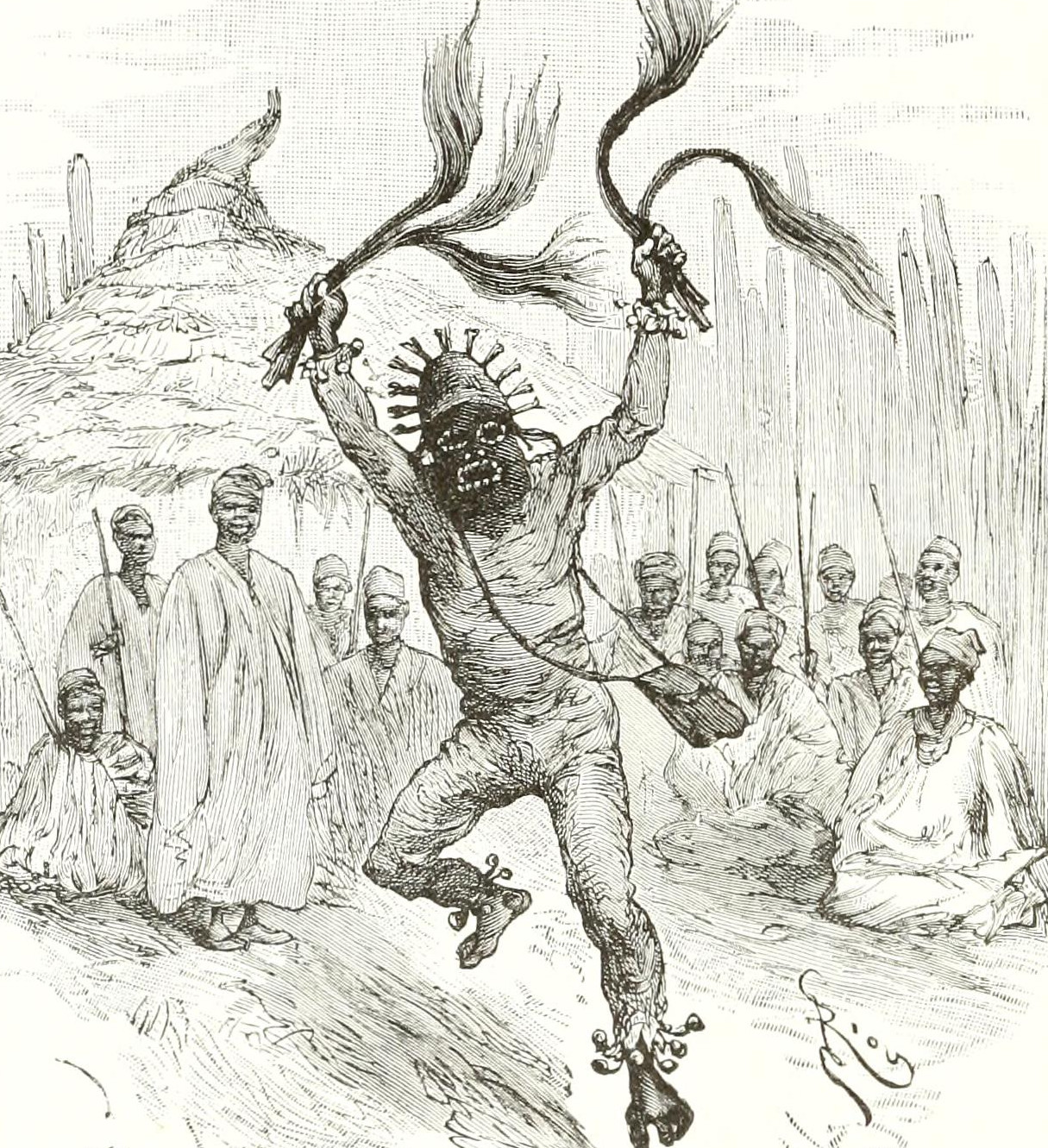 🇺🇸 United States and 2 moreLouisiana Voodoo
An African diasporic religion practiced in Louisiana from the 18th to early 20th centuriesTradition · Healing · Protection Historical
🇺🇸 United States and 2 moreLouisiana Voodoo
An African diasporic religion practiced in Louisiana from the 18th to early 20th centuriesTradition · Healing · Protection Historical
 🇺🇸 United StatesFolk healer
An unlicensed community member who provides healing care using local plants and traditional knowledge.Tradition · Healing · Protection Historical
🇺🇸 United StatesFolk healer
An unlicensed community member who provides healing care using local plants and traditional knowledge.Tradition · Healing · Protection Historical
 🇺🇸 United States and 1 moreGroundhog DayGrund'sau dåk
A North American custom using a burrowing rodent to forecast the end of winterTradition · Seeing and foretelling · Luck and prosperity Living
🇺🇸 United States and 1 moreGroundhog DayGrund'sau dåk
A North American custom using a burrowing rodent to forecast the end of winterTradition · Seeing and foretelling · Luck and prosperity Living
Related elsewhere
All tradition 🇬🇧 United Kingdom and 1 moreWell dressing
A rural English custom of decorating water sources with natural designsTradition · Protection · Speaking with spirits and the dead Living
🇬🇧 United Kingdom and 1 moreWell dressing
A rural English custom of decorating water sources with natural designsTradition · Protection · Speaking with spirits and the dead Living
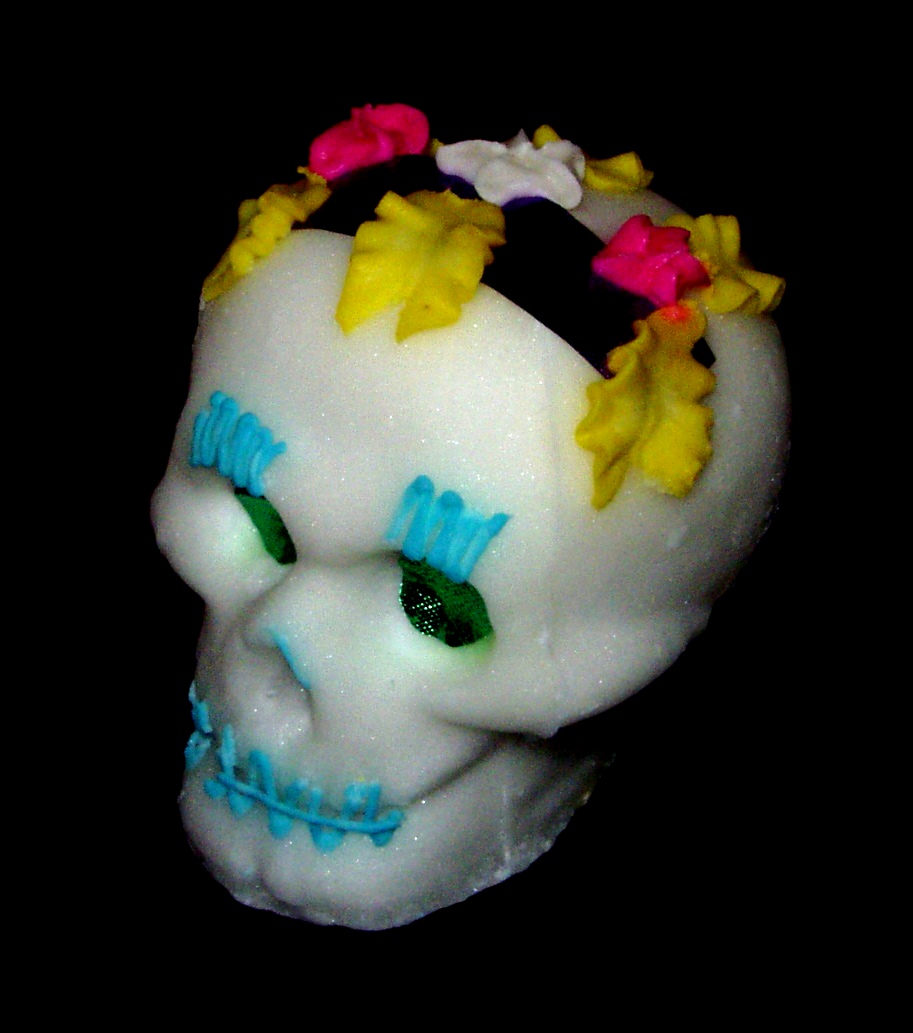 🇲🇽 MexicoCalavera
A sugar or clay skull used in Mexican Day of the Dead celebrations.Charm · Speaking with spirits and the dead · Luck and prosperity Living
🇲🇽 MexicoCalavera
A sugar or clay skull used in Mexican Day of the Dead celebrations.Charm · Speaking with spirits and the dead · Luck and prosperity Living
 🇬🇷 Greece and 5 moreCrossroads (folklore)
A junction between worlds where spirits are met and deals are madeBelief · Speaking with spirits and the dead · Cursing and harm Living
🇬🇷 Greece and 5 moreCrossroads (folklore)
A junction between worlds where spirits are met and deals are madeBelief · Speaking with spirits and the dead · Cursing and harm Living