Segen
from Latin signum, meaning sign
A German term for blessing, charm, or spell rooted in Christian and folk traditions.
Segen is a German word meaning blessing, charm, or spell. It originates from the Latin signum and was central to the magical beliefs of German-speaking Europe.
- Derived from Latin signum, meaning sign.
- Used as a protective charm in German folklore.
- Alpsegen involved nightly prayers in Swiss Alps.
- Ambiguous term during early modern witch-hunts.
- Performed by any Christian, not just priests.
What it is
Segen is a German concept encompassing blessings, charms, prayers, and spells. It represents a protective force believed to shield people or objects under divine care. The term functions as the opposite of a curse, known as Fluch. While originally linked to Christian rituals, it evolved into a broad category for magical acts within German-speaking folklore. Scholars note its deep roots in pre-Christian incantations that were later adapted by the church.
Where it comes from
The word derives from the Latin signum, referring to the Sign of the Cross used in Christian blessings. It appeared in Old High German around AD 800 as seganōn. The medieval church promoted its use for protection, allowing any Christian to invoke God’s power. This practice absorbed older pagan formulas, such as the Merseburg Incantations. By the early modern period, the term became ambiguous, covering everything from pious prayers to suspected Satanic spells.
How it is done
The primary method involves making the sign of the cross while speaking a formula. Any Christian could perform this act to invoke divine protection. In rural Switzerland, the Alpsegen required singing prayers over alpine pastures nightly. This served as both a charm and a communication system between remote sites. Silence indicated misfortune, prompting neighbors to assist.
Tools and materials
The main tool is the physical gesture of the sign of the cross. Verbal formulas invoke God, Christ, or the Virgin Mary. In Swiss tradition, specific compounds like Wolfssegen targeted threats like wolves. The Alpsegen relied on vocal projection across mountain valleys to maintain community safety and awareness.
Segen, drawn and placed
- Living
- Revived
- Fading
- Historical
- Legendary
- Performed
- Lineage
- Germanic folk religion
- Timing
- daily and during crises
What it is for
The Segen aims to protect individuals, livestock, and property from harm. It seeks to place the subject under divine guardianship. In Swiss alpine contexts, it also ensured mutual aid among isolated communities. Practitioners viewed it as a necessary daily ritual to ward off accidents and evil influences.
Who does it
Any Christian was permitted to perform the Segen, not just clergy. In Switzerland, herders and residents of alpine regions maintained the Alpsegen custom. The role required regular participation to ensure the safety of the pasture and neighboring settlements. It was a communal responsibility rather than a specialized priestly duty.
Peoples and places
The concept is central to German-speaking Europe, particularly in Switzerland. The Schweizerisches Idiotikon records numerous dialectal variations. Swiss folklore specifically highlights the Alpsegen as a vital cultural practice. German philologists studied these traditions extensively in the nineteenth century, documenting their transition from pagan roots to Christian forms.
At a glance: who, where and when
Who does it
Belief worlds
Occasions
What people believe
The worldview assumes that words and gestures can channel divine power to alter reality. Protection is achieved through invocation, while curses inflict harm. The church viewed magical uses with skepticism but tolerated them if they invoked holy names. This duality allowed folk practices to survive alongside official doctrine, blending piety with superstition.
When it is done
The Segen is performed daily, often at dawn or dusk. The Alpsegen is sung every night over alpine pastures. Specific instances arise during crises or when facing threats like wolf attacks. The routine nature of the practice integrates it into the daily rhythm of rural life.
How scholars and sceptics see it
Nineteenth-century German philologists and folklorists studied the Segen in detail. They traced its evolution from pre-Christian incantations to Christian blessings. Researchers noted the ambiguity of the term during witch-hunt periods, where it could denote either pious prayer or demonic magic. Modern analysis focuses on its role in social cohesion and folk belief systems.
Cautions and what is closed
During the early modern witch-hunts, the Segen became dangerous. Accusations of using it for Satanic purposes led to persecution. The church repressed magical uses that deviated from orthodox prayer. Individuals risked being labeled superstitious or heretical if their practices were deemed too close to folk magic.
Compare and confuse
The Segen is often compared to the curse, or Fluch. It shares roots with other European blessing traditions but remains distinct in its Germanic linguistic context. The Alpsegen differs from general blessings by its specific geographic and communicative function in alpine regions.
Law and persecution
Historical legal frameworks during the witch-hunts treated ambiguous Segen practices as potential crimes. The church sought to suppress non-orthodox magical uses. Today, the tradition survives primarily as a historical or dialectal curiosity in Swiss folklore, with no current legal restrictions.
Questions people ask about Segen
What does Segen mean?
Segen is a German word meaning blessing, charm, or spell. It originates from the Latin signum and refers to acts intended to protect or invoke divine favor.
Where is Segen practiced?
It is found in German-speaking Europe, particularly in Switzerland. The Alpsegen is a notable Swiss variant practiced in alpine regions.
How is the Segen performed?
It typically involves making the sign of the cross while reciting a formula. In Switzerland, the Alpsegen requires singing prayers over pastures nightly.
Is Segen related to Christianity?
Yes, it incorporates Christian invocations of God and the Virgin Mary. However, it also retains elements of pre-Christian folk magic and incantations.
Good reading and sources
The facts on this page come from the Wikipedia article "Segen", written by its contributors and used under the CC BY-SA 4.0 licence, and from its Wikidata record (CC0). EveryJaadu rewrote the text in its own words, with AI assistance, and compares every page with the article to make sure no passage is copied. It may be reused under the same CC BY-SA 4.0 licence with a link back.
It may contain mistakes. Names and customs differ from one community to the next, and some knowledge is closed to outsiders and left out here. This page describes belief and practice. It does not say that any of it works, it is not a how-to, and it is not medical advice. If something is wrong, tell us. Last refreshed 2026-10-07.
More from Switzerland
All the entries from Switzerland 🇨🇭 SwitzerlandValais witch trials
The first systematic European witch-hunt, beginning in the Valais region of Switzerland in 1428.Tradition · Cursing and harm Historical
🇨🇭 SwitzerlandValais witch trials
The first systematic European witch-hunt, beginning in the Valais region of Switzerland in 1428.Tradition · Cursing and harm Historical
 🇩🇪 Germany and 5 moreWitch trials in the Holy Roman Empire
A wave of executions across Central Europe between the fifteenth and eighteenth centuries.Belief · Cursing and harm Historical
🇩🇪 Germany and 5 moreWitch trials in the Holy Roman Empire
A wave of executions across Central Europe between the fifteenth and eighteenth centuries.Belief · Cursing and harm Historical
 🇮🇹 Italy and 5 moreTarottarocchi
A set of playing cards used for games and divinationTradition · Seeing and foretelling · Luck and prosperity Living
🇮🇹 Italy and 5 moreTarottarocchi
A set of playing cards used for games and divinationTradition · Seeing and foretelling · Luck and prosperity Living
 🇩🇪 Germany and 2 moreFranz Anton Mesmer
A German physician who proposed a universal fluid of natural energy and founded mesmerism.Tradition · Healing Historical
🇩🇪 Germany and 2 moreFranz Anton Mesmer
A German physician who proposed a universal fluid of natural energy and founded mesmerism.Tradition · Healing Historical
Related elsewhere
All belief 🇸🇳 Senegal and 1 moreSerer religionA ƭat Roog
The traditional faith of the Serer people, centred on the supreme deity Roog and ancestral veneration.Tradition · Protection · Speaking with spirits and the dead Living
🇸🇳 Senegal and 1 moreSerer religionA ƭat Roog
The traditional faith of the Serer people, centred on the supreme deity Roog and ancestral veneration.Tradition · Protection · Speaking with spirits and the dead Living
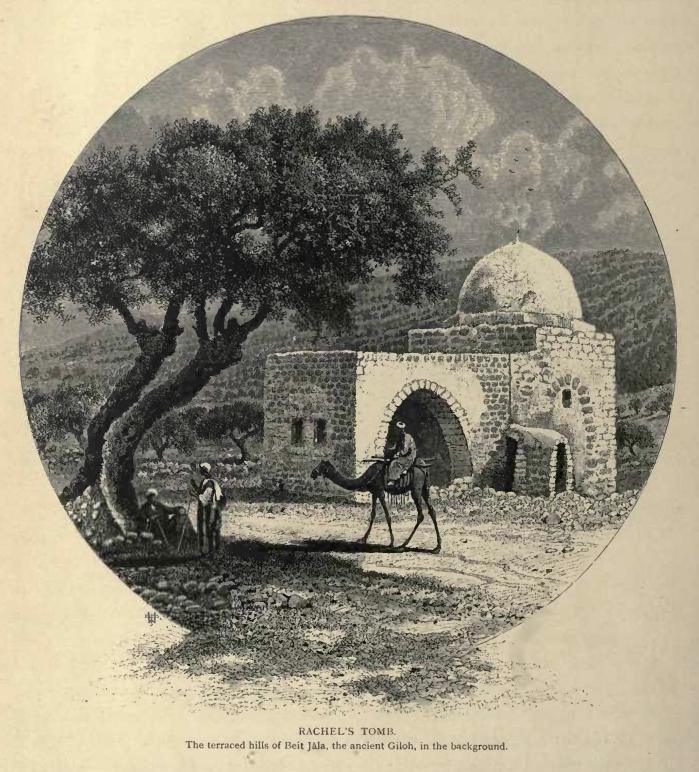 🇵🇸 Palestine and 1 moreRachel's TombQever Raḥel; Qabr Rāḥīl
A shared holy site near Bethlehem revered by Jews, Christians, and MuslimsTradition · Speaking with spirits and the dead · Protection Living
🇵🇸 Palestine and 1 moreRachel's TombQever Raḥel; Qabr Rāḥīl
A shared holy site near Bethlehem revered by Jews, Christians, and MuslimsTradition · Speaking with spirits and the dead · Protection Living
 🇰🇪 Kenya and 1 moreMaasai religion
The spiritual beliefs of the semi-nomadic Maasai people of East AfricaTradition · Protection · Healing Living
🇰🇪 Kenya and 1 moreMaasai religion
The spiritual beliefs of the semi-nomadic Maasai people of East AfricaTradition · Protection · Healing Living