
Abakuá
from Àbàkpà, a people from Calabar
A male-only Cuban religious fraternity with West African roots and strict secrecy
Abakuá is a secret men's society in Cuba founded in the nineteenth century. It traces its origins to the Ékpè groups of West Africa and blends those traditions with Roman Catholic elements.
- Founded in Regla, Cuba, in 1836 by enslaved Efik men
- Male-only society with strict oaths of secrecy
- Derived from the Ékpè society of West Africa
- Uses consecrated drums and a secret ritual language
- Public parades feature checkerboard costumes on January 6
What it is
Abakuá operates as a religious confraternity and mutual aid group for men in Cuba. Members call themselves Abanékues or ecobios. The society provides spiritual protection and economic support to its brothers. It stands alongside Santería and Palo as one of the major Afro-Cuban faiths. Practitioners often combine Abakuá rites with other traditions to solve life problems. The group maintains a complex hierarchy and strict rules of silence about its inner workings.
Where it comes from
The society formed in Regla, Cuba, in 1836. Its founders were enslaved Efik people brought from West Africa. They adapted the Ékpè society of the Cross River basin. Ékpè had facilitated trade and slavery in the eighteenth century. In Cuba, the group merged African beliefs with Roman Catholic symbols. It split into two branches called Efó and Efí. Membership eventually opened to non-Afro-Cubans by the eighteen sixties.
How it is done
Rituals known as plantes occur in a secret room called the fambá. Members draw sacred images on the walls and objects. Ceremonies involve drumming, dancing, and chanting in a hidden language. Initiates take lifelong oaths of secrecy. Public parades happen during carnival season. Members wear checkerboard cloth and conical headpieces to represent spirits of the dead. Private rites use specific consecrated drums fed with animal blood.
Tools and materials
Drums are central to every ceremony. Public rituals use four undecorated log drums and rattles. Private ceremonies employ decorated drums with feathered staffs. A friction drum called the ekve mimics the voice of a sacred fish. Altar objects serve as repositories for ancestral presence. These items are renovated and recharged with powerful substances.
Abakuá, drawn and placed
- Living
- Revived
- Fading
- Historical
- Legendary
- Performed
- Lineage
- Ékpè society
- Timing
- initiations, funerals, public festivals
What it is for
Members seek spiritual protection and community support. The society offers economic assistance to struggling brothers. Rituals honor the supreme deity Abasí and the power of the fish Tanze. Funerals and initiations mark key life transitions. The group enforces loyalty through sacred kinship that surpasses ordinary friendship.
Who does it
Only men may join the society. Gay men are typically excluded from membership. Initiation requires permission from elders and takes place only in Cuba. Dignitaries govern each lodge and hold specific ritual titles. Members identify each other through coded handshakes and whistles. The duties to ritual brothers are considered paramount.
Peoples and places
Abakuá belongs primarily to Afro-Cuban communities. It originated among Efik and Ejagham peoples in West Africa. The society spread across Cuban ports and influenced stevedore industries. Scholars note its influence on popular music recordings. Other Afro-Cuban religions view it as a complementary tradition.
At a glance: who, where and when
Who does it
Peoples
Belief worlds
Occasions


What people believe
The supreme god Abasí gave humanity supernatural power via the fish Tanze. Myths explain why women are banned from the order. Stories tell of rival groups fighting over this divine gift. One woman betrayed her people to share the power. Men killed her and sealed the society against females. The thirteen major plazas reflect a broken agreement between rivals.
When it is done
Public processions occur on January sixth during the Day of the Three Kings carnival. Private rites mark initiations and funerals. The annual homage to Ekué is a key event. Activities pause completely when a lodge member dies until proper rites conclude.
How scholars and sceptics see it
Researchers describe Abakuá as an Afro-Cuban version of Freemasonry. Linguists analyze its secret language, Brícamo, as a Spanish-based pidgin with Ibibio influences. Musicologists trace its rhythms through decades of commercial recordings. Historians link its structure to the trade networks of the Atlantic slave era.
Cautions and what is closed
The society demands absolute secrecy. Revealing secrets to outsiders was historically punishable by death. Members face persecution after the Cuban Revolution. The group has faced accusations of criminal activity in port industries. Knowledge remains closed to women and non-initiates.
Compare and confuse
Abakuá shares space with Santería and Palo in Cuba. It resembles European fraternal orders in its hierarchical structure. The Ékpè society of Nigeria and Cameroon serves as its direct ancestor. All these groups emphasize male bonding and secret knowledge.
Law and persecution
The society operated legally but faced suspicion. Colonial and revolutionary governments viewed it with distrust. It gained some visibility during the liberalizing reforms of the nineteen nineties. Today it participates openly in cultural festivals while keeping core rites hidden.
Questions people ask about Abakuá
What is Abakuá?
It is a secret men's religious fraternity in Cuba. Members provide spiritual protection and economic aid to each other. The group blends West African traditions with Catholic symbols.
Where does Abakuá come from?
It originates from the Ékpè societies of the Cross River basin in Nigeria and Cameroon. Enslaved Efik people brought these practices to Cuba in the nineteenth century.
Who can join Abakuá?
Only men are permitted entry. The society excludes women and typically gay men. Initiation requires lifelong oaths of secrecy and is performed only in Cuba.
What do members believe?
They worship a supreme deity named Abasí. Myths state that men seized supernatural power from a fish and banned women to keep it.
Good reading and sources
The facts on this page come from the Wikipedia article "Abakuá", written by its contributors and used under the CC BY-SA 4.0 licence, and from its Wikidata record (CC0). EveryJaadu rewrote the text in its own words, with AI assistance, and compares every page with the article to make sure no passage is copied. It may be reused under the same CC BY-SA 4.0 licence with a link back.
It may contain mistakes. Names and customs differ from one community to the next, and some knowledge is closed to outsiders and left out here. This page describes belief and practice. It does not say that any of it works, it is not a how-to, and it is not medical advice. If something is wrong, tell us. Last refreshed 2026-10-05.
More from Cuba
All the entries from Cuba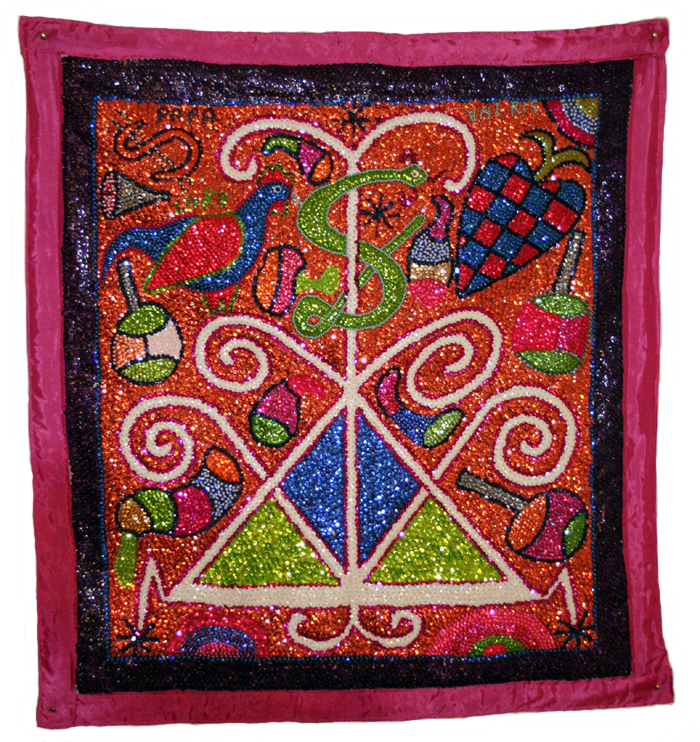 🇭🇹 Haiti and 2 moreHaitian VodouVodou
An Afro-Haitian religion blending West African traditions with Catholicism and FreemasonryTradition · Protection · Healing Living
🇭🇹 Haiti and 2 moreHaitian VodouVodou
An Afro-Haitian religion blending West African traditions with Catholicism and FreemasonryTradition · Protection · Healing Living
 🇨🇺 Cuba and 2 moreSanteríaRegla de Ocha
An Afro-Cuban religion blending Yoruba beliefs with Catholicism and SpiritismTradition · Protection · Healing Living
🇨🇺 Cuba and 2 moreSanteríaRegla de Ocha
An Afro-Cuban religion blending Yoruba beliefs with Catholicism and SpiritismTradition · Protection · Healing Living
 🇲🇽 Mexico and 5 moreWitchcraft in Latin AmericaBrujería
A syncretic blend of Indigenous, African, and European magical practices across Latin AmericaTradition · Protection · Healing Living
🇲🇽 Mexico and 5 moreWitchcraft in Latin AmericaBrujería
A syncretic blend of Indigenous, African, and European magical practices across Latin AmericaTradition · Protection · Healing Living
 🇯🇲 Jamaica and 5 moreObeah
A Caribbean tradition of ritual healing and spell-casting with African rootsTradition · Protection · Healing Living
🇯🇲 Jamaica and 5 moreObeah
A Caribbean tradition of ritual healing and spell-casting with African rootsTradition · Protection · Healing Living
Related elsewhere
All tradition 🇲🇦 Morocco and 5 moreWild rueاسپند
A desert plant whose seeds hold psychoactive alkaloids and serve as incense in the Middle East.Substance · Protection · Speaking with spirits and the dead Living
🇲🇦 Morocco and 5 moreWild rueاسپند
A desert plant whose seeds hold psychoactive alkaloids and serve as incense in the Middle East.Substance · Protection · Speaking with spirits and the dead Living
 🇮🇳 India and 2 moreHomaहोम
A fire ritual found across Asian religions where offerings are burned as a votive exchange with the divine.Rite · Protection · Speaking with spirits and the dead Living
🇮🇳 India and 2 moreHomaहोम
A fire ritual found across Asian religions where offerings are burned as a votive exchange with the divine.Rite · Protection · Speaking with spirits and the dead Living
 🇨🇳 China and 1 moreAncestor veneration in China中國傳統宗法性宗教
Rites for dead kin who are thought to watch over the familyTradition · Protection · Speaking with spirits and the dead Living
🇨🇳 China and 1 moreAncestor veneration in China中國傳統宗法性宗教
Rites for dead kin who are thought to watch over the familyTradition · Protection · Speaking with spirits and the dead Living
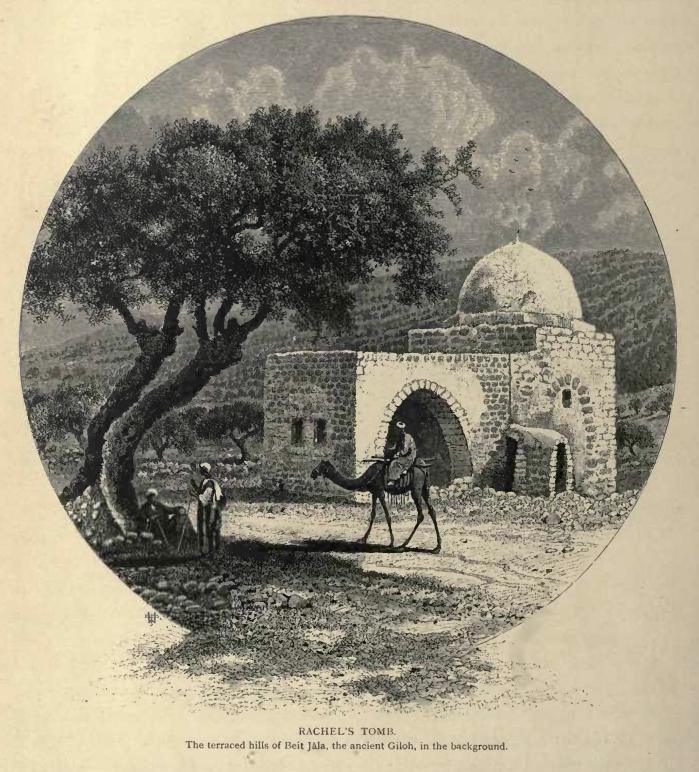 🇵🇸 Palestine and 1 moreRachel's TombQever Raḥel; Qabr Rāḥīl
A shared holy site near Bethlehem revered by Jews, Christians, and MuslimsTradition · Speaking with spirits and the dead · Protection Living
🇵🇸 Palestine and 1 moreRachel's TombQever Raḥel; Qabr Rāḥīl
A shared holy site near Bethlehem revered by Jews, Christians, and MuslimsTradition · Speaking with spirits and the dead · Protection Living