Magicians, witches and legendary figures
The wise woman, the sorcerer, the legendary mage: Merlin, Baba Yaga, Circe and their kin.
Magical figures are the people, real and legendary, who stand for magic: Merlin, Baba Yaga, Circe, Hermes Trismegistus, Dr John Dee, Madame Blavatsky, the sorcerer in a village story, the Bulgarian seer Baba Vanga, and the performers Houdini and Chung Ling Soo. Some lived, some are composite, and some are pure myth. This page looks at who becomes a magic figure, and why. They are described here as stories and as history, and kept apart.
Who becomes a figure
Figures often sit at the edge of society. In many stories the witch is an older woman living alone, the sorcerer a foreigner or a rival tribe, the wise man a hermit. Real figures include John Dee, adviser to Elizabeth I, and Agrippa, whose De occulta philosophia (1533) shaped European occultism. Others are legend: Merlin appears in Welsh and French tales, and Baba Yaga is a Slavic folk figure who both helps and threatens.
Gender and reputation
The witch figure has been mostly female in Europe, where trials in the sixteenth and seventeenth centuries killed tens of thousands of people, most of them women. In other places accusation falls on men, on the old, on the poor or on the outsider. The learned magician, by contrast, was often male, literate and protected by rank, a division that shows how class shaped who was punished. Not every figure carries a stigma: Chinese immortals, Indian rishis and Irish saints are honoured, and the line between holy person and magician depends on who is telling the story.
Colonial and modern use
Missionary and colonial writers often cast African and Indigenous healers as the witch-doctor, a term most communities reject. The word covers healers, diviners and rulers who had very different roles. Today, figures are re-used in fantasy and branding. The Merlin of modern fantasy films is a long way from the Welsh Myrddin, and the name of a real tradition may be turned into a costume. Their stories have also been tools of politics: rulers have claimed legendary magicians as ancestors, and enemies have painted rivals as sorcerers to justify their removal.
Scholars and the real person
Historians separate documented people from legend and warn that many reports of magicians were written by their enemies. Evidence for some famous names, including Hermes Trismegistus, who was long thought to be an Egyptian sage, turned out to be later Greek-language writings. Treating a figure as legend rather than biography is no insult to those who revere them. A figure who may be a real person with a name, a date and a grave belongs in a different category from a legend, even when popular memory blends them, and the entries here try to keep them separate.
Figure on EveryJaadu
The entries written up so far, best known first.
 🇻🇺 VanuatuJohn Frum
A Melanesian cargo cult figure on Tanna Island who promises wealth and the return of American supplies.Figure · Luck and prosperity · Power and authority Living
 🇨🇳 China and 1 moreYue Lao月下老人
The Chinese deity of marriage who binds destined couples with red cordsBeing · Love and attraction · Binding and oaths Legendary
 🇬🇷 GreeceOrpheusὈρφεύς
A Thracian bard whose music charms nature and who journeys to the underworldFigure · Wonder and entertainment Legendary
🇮🇹 Italy and 1 moreAradia
A figure of Italian folklore and modern pagan witchcraft, seen as a teacher of magic and liberation.Figure · Cursing and harm · Power and authority Revived
 🇮🇳 IndiaBamakhepaবামাখ্যাপা
A Bengali Hindu saint known for his devotion to Goddess Tara and meditation in cremation grounds.Figure · Speaking with spirits and the dead Historical
🇮🇪 IrelandBodach
A Gaelic trickster figure used to frighten children and warn of deathFigure · Cursing and harm · Seeing and foretelling Historical
🇬🇧 United KingdomGiles Corey
An English-born farmer pressed to death for refusing to plead during the Salem witch trialsFigure Historical
 🇨🇳 China and 1 moreDongyue Dadi東嶽大帝
The Chinese mountain god of Mount Tai who rules lifespans and underworld recordsBeing · Speaking with spirits and the dead · Power and authority Living
 🇮🇱 Israel and 1 moreShimon bar Yochaiשמעון בר יוחאי
A second-century sage of the Land of Israel and a central figure in Kabbalistic tradition.Figure · Power and authority Historical
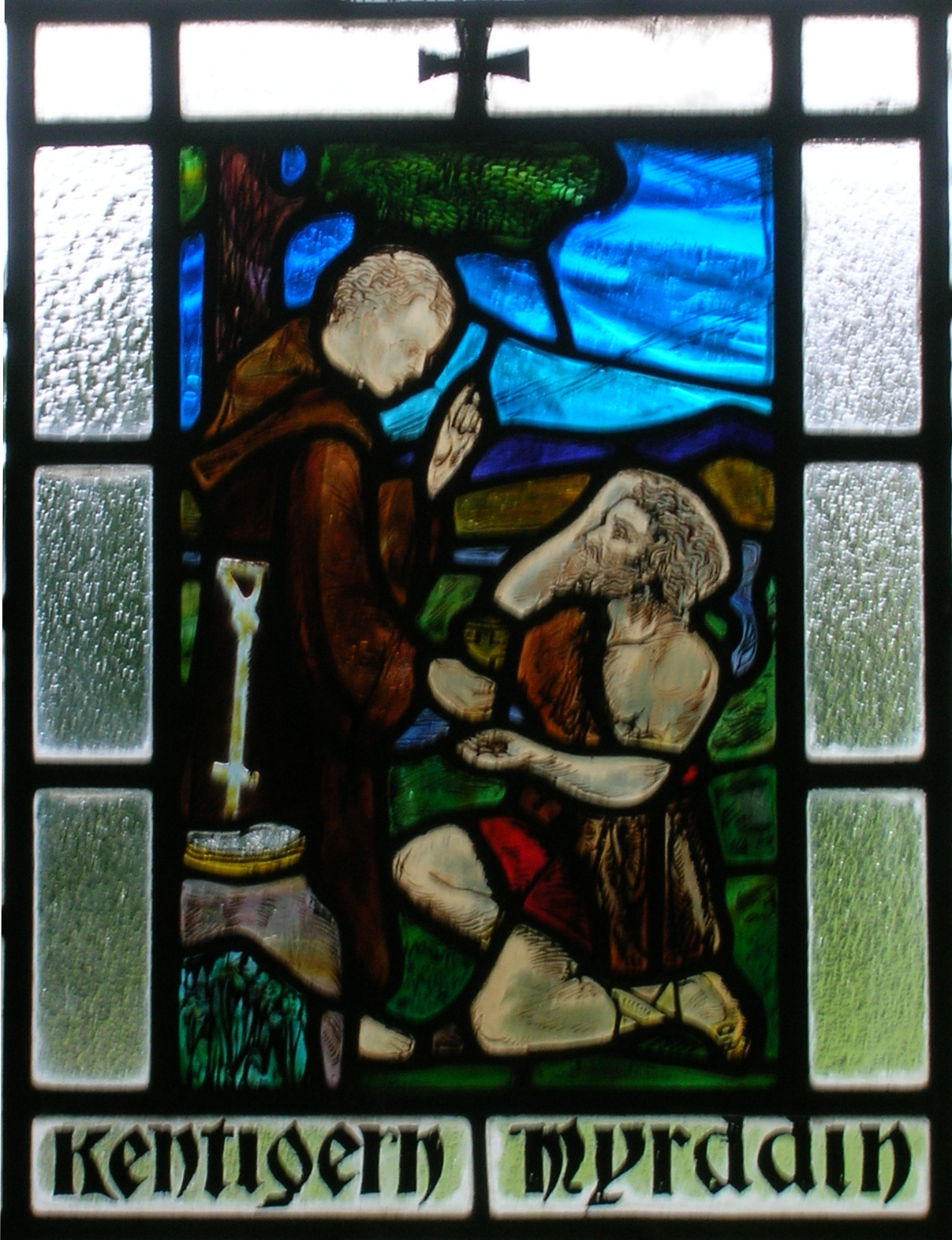 🇬🇧 United KingdomMyrddin Wyllt
A wild prophet of Welsh legend who inspired the wizard MerlinFigure · Seeing and foretelling Legendary
 🇬🇧 United KingdomMatthew Hopkins
The English witch-hunter who led the deadliest wave of executions in Britain.Figure · Cursing and harm Historical
 🇲🇽 Mexico and 5 morePersonifications of death
Figures from many cultures that embody the end of life and guide soulsFigure · Speaking with spirits and the dead Living
🇬🇷 GreeceBaba Yaga (sample)Баба-яга
A witch of Slavic tales who lives in a hut on legs.Figure · Change and initiation Legendary
 🇫🇮 Finland and 1 moreSampo
A magical mill or world pillar in Finnish and Estonian mythology that produces wealth.Figure · Luck and prosperity · Power and authority Historical
 🇳🇱 Netherlands and 3 morePig-faced women
A European legend of a woman with the face of a pig, and the charms used to break her curseFigure · Change and initiation Historical
🇧🇷 Brazil and 1 moreSaciSaci-pererê
A one-legged prankster of Brazilian folklore who hides in dust devils and wears a magic red cap.Figure · Luck and prosperity · Cursing and harm Living
🇺🇸 United StatesRed Ghost
A legendary red camel with a skeleton rider from Arizona frontier folkloreFigure · Wonder and entertainment Legendary
🇻🇪 VenezuelaSayona
A vengeful Venezuelan ghost who hunts men for breaking marital vowsFigure · Cursing and harm Legendary
 🇧🇷 BrazilThe Hairy LegPerna cabeluda
A Brazilian urban legend of a detached leg that attacks people at nightFigure · Cursing and harm · Wonder and entertainment Historical
 🇯🇵 JapanUchide no kozuchi打ち出の小槌
A legendary Japanese magic hammer that taps out desired items from thin airFigure · Luck and prosperity · Power and authority Legendary
🇷🇺 RussiaMagic tablecloth
A cloth that produces food and meals when spread out in fairy talesFigure · Luck and prosperity · Protection Legendary
 🇪🇬 EgyptChimeraΧίμαιρα
A fire-breathing hybrid monster from Greek mythology, composed of lion, goat, and snake parts.Figure · Wonder and entertainment Legendary
 🇺🇸 United States and 1 moreBigfoot
A large, hairy humanoid creature of North American folklore and cryptozoologyFigure · Wonder and entertainment Legendary
 🇮🇳 India and 1 moreRavanaरावण (Rāvaṇa)
A ten-headed demon king of Lanka and a devoted follower of Shiva in Hindu tradition.Figure · Cursing and harm · Power and authority Legendary
 🇬🇷 Greece and 1 moreGolden FleeceΧρυσόμαλλον δέρας
A magical ram's skin from Greek myth, symbol of kingship and a quest objectFigure · Power and authority Legendary
 🇺🇦 UkraineGhost of KyivПривид Києва
A wartime legend of a mythical fighter pilot who rallied Ukrainian morale.Figure · Power and authority Historical
 🇮🇹 Italy and 1 moreHippogriffippogrifo
A legendary hybrid creature with the front of an eagle and the back of a horse.Figure · Wonder and entertainment Legendary
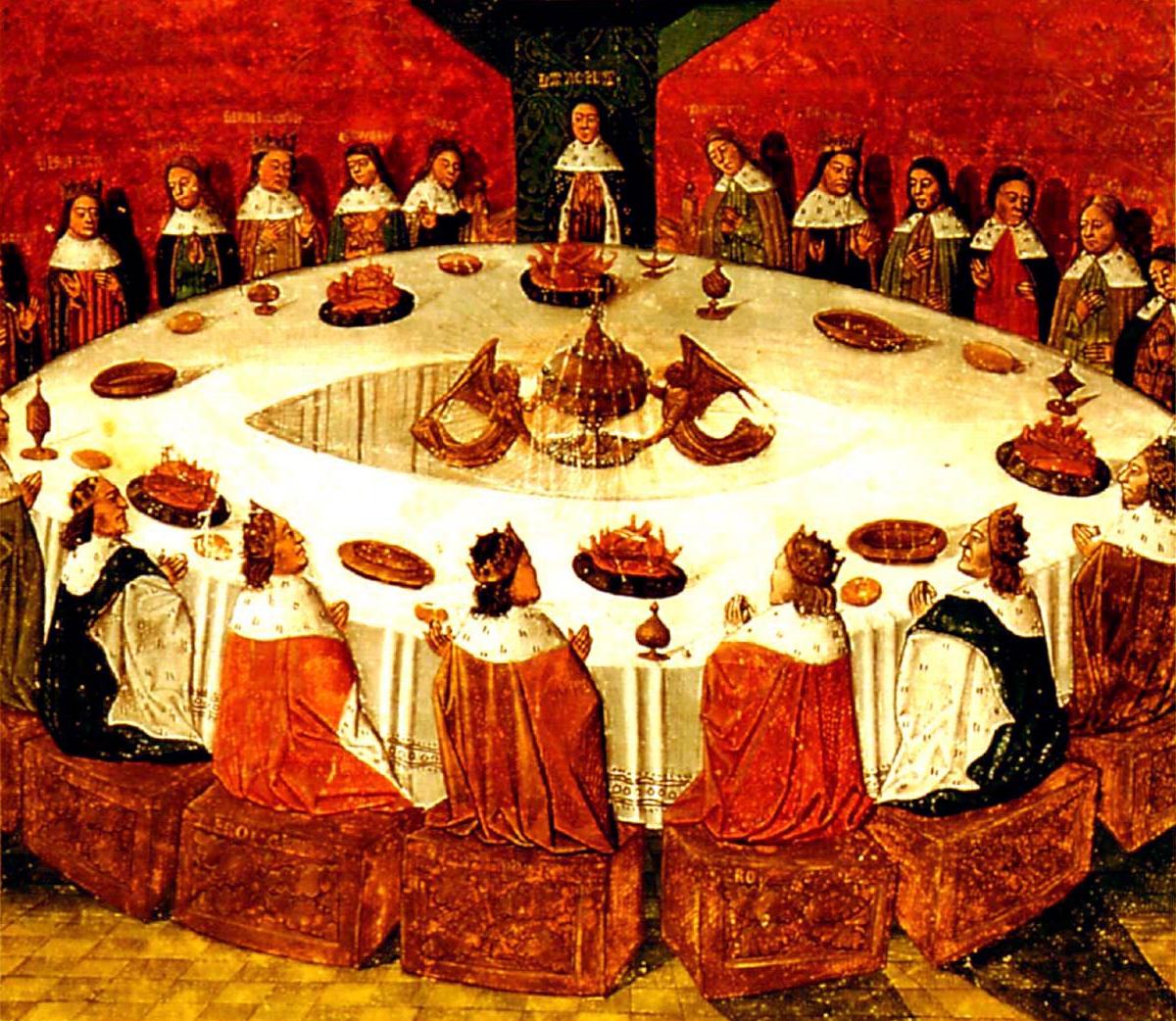 🇬🇧 United Kingdom and 1 moreRound Tablela Table ronde
A legendary table with no head, symbolizing equality among King Arthur's knights.Figure · Power and authority Legendary
 🇺🇸 United States and 4 moreTooth fairy
A childhood figure who exchanges lost baby teeth for gifts or coins.Figure · Luck and prosperity Living
 🇫🇷 France and 2 moreMelusineMélusine
A water spirit of French and Luxembourgish lore, known for her serpent form and the castles she built.Figure · Luck and prosperity · Power and authority Legendary
 🇮🇪 Ireland and 1 moreFionn mac CumhaillFionn mac Cumaill
A legendary Irish hero and leader of the Fianna warrior bandFigure · Power and authority · Wonder and entertainment Legendary
🇪🇪 Estonia and 1 moreKalevaKalev
A primordial giant and ancestral figure in the mythologies of Estonia and FinlandBeing · Power and authority Historical
 🇷🇺 Russia and 1 moreVegetable Lamb of Tartary
A legendary plant-animal from Central Asia said to grow sheep as fruitFigure · Wonder and entertainment Legendary
 🇨🇳 ChinaYeren野人
A Chinese cryptid apeman reported in remote mountains since ancient timesBelief · Wonder and entertainment Legendary
 🇷🇺 RussiaGolden apple
A mythical fruit that sparks quests, wars, and linguistic confusion across culturesFigure · Cursing and harm · Luck and prosperity Legendary
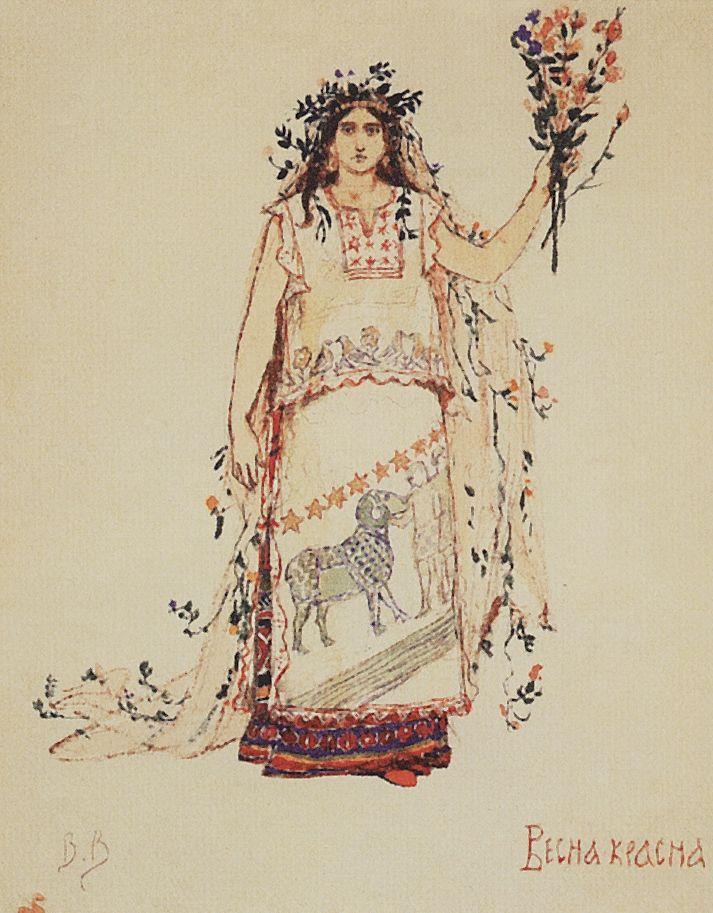 🇸🇮 Slovenia and 5 moreVesnaВесна
A Slavic personification of spring and youth, known in myth and languageFigure · Luck and prosperity Historical
 🇷🇸 Serbia and 5 moreWolves in folklore, religion and mythology
A global survey of how cultures view the wolf as symbol, spirit or threatBelief · Power and authority · Cursing and harm Historical
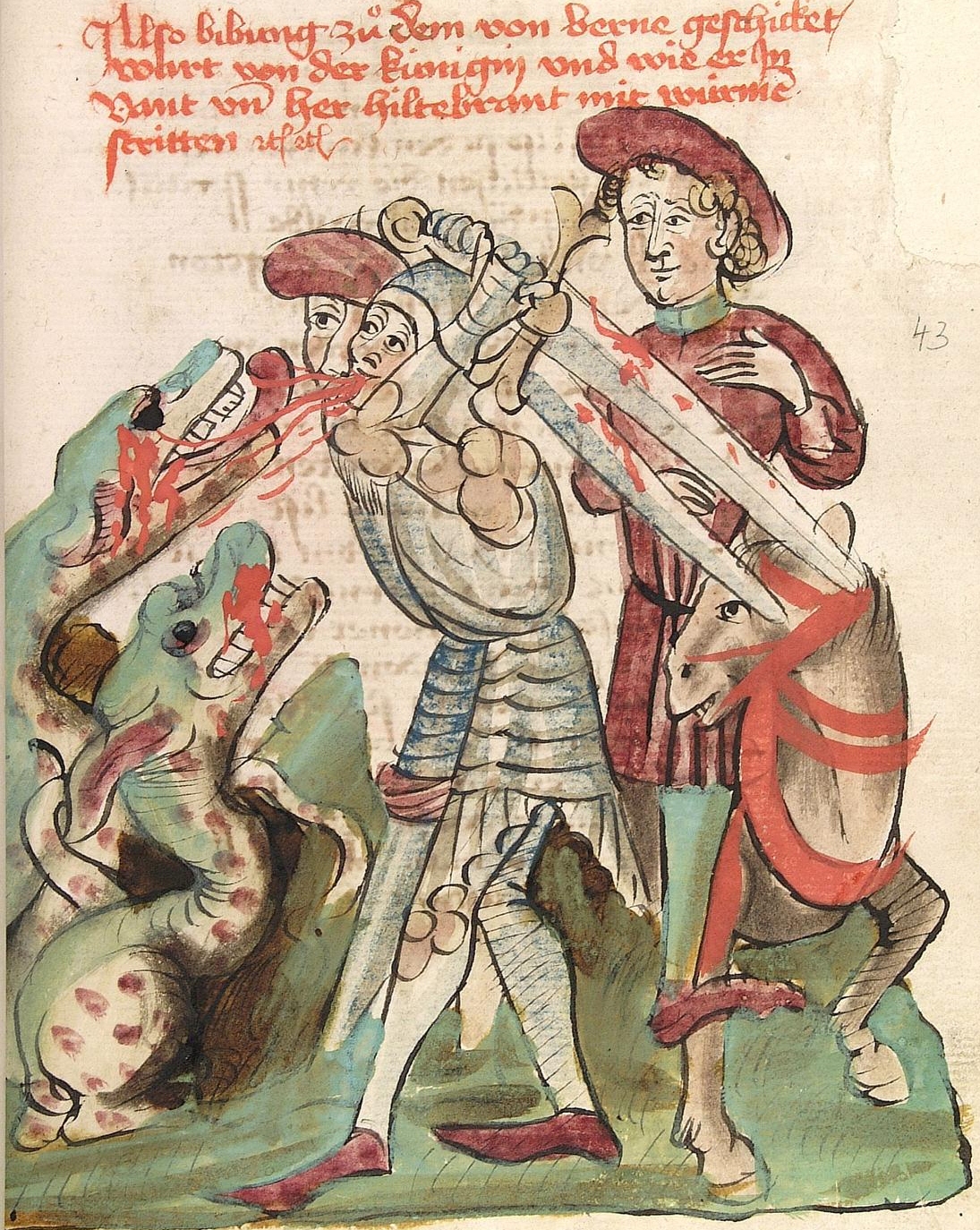 🇩🇪 Germany and 2 moreDietrich von Bern
A legendary Germanic hero based on the Ostrogothic king Theodoric the GreatFigure · Power and authority Historical
 🇺🇸 United StatesSkunk ape
A large, hairy humanoid cryptid said to live in Florida swamps and forestsFigure · Wonder and entertainment Legendary
🇳🇬 Nigeria and 1 moreMadam Koi Koi
A Nigerian school ghost known for the sound of her heelsFigure · Cursing and harm Legendary
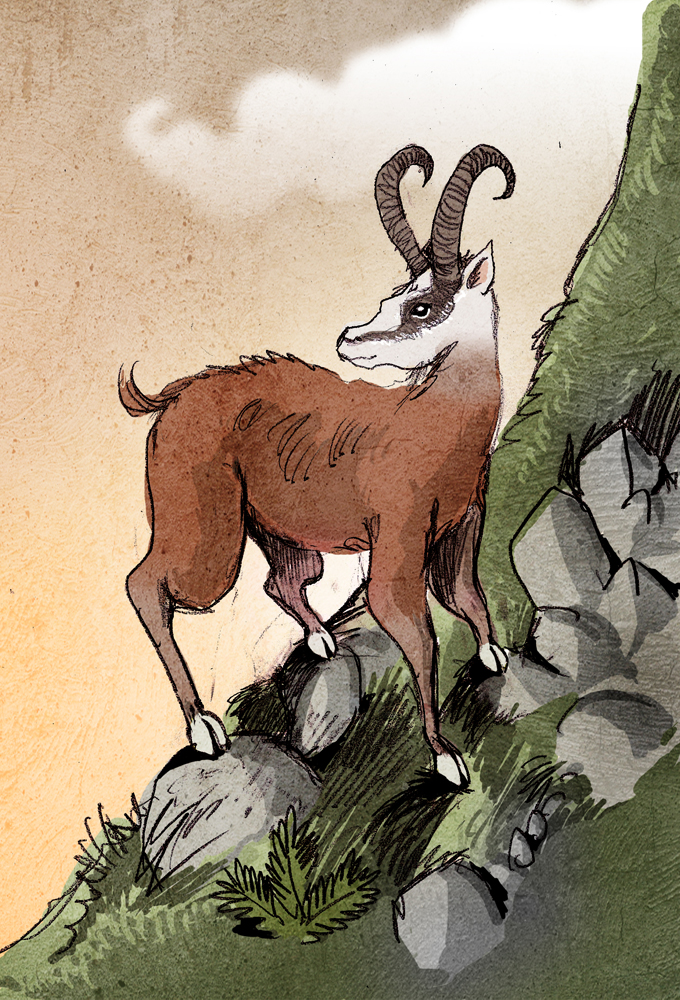 🇫🇷 France and 3 moreDahu
A French mountain legend about an asymmetrical goat used in practical jokesFigure · Wonder and entertainment Legendary
 🇺🇸 United StatesLoveland frog
A legendary humanoid creature sighted in Ohio, often linked to urban folklore and local tourism.Figure · Wonder and entertainment Legendary
 🇯🇵 JapanAosaginohi青鷺火
A Japanese will-o'-the-wisp attributed to the glowing flight of herons at nightBelief · Wonder and entertainment Historical
 🇮🇪 Ireland and 4 moreFairy Queen
A female ruler of fairies found in folklore, literature, and witchcraft trials across Europe.Figure · Power and authority Historical
 🇷🇺 Russia and 1 moreBabayБабай
A night spirit in Slavic folklore used to frighten children into sleepingFigure · Cursing and harm Legendary
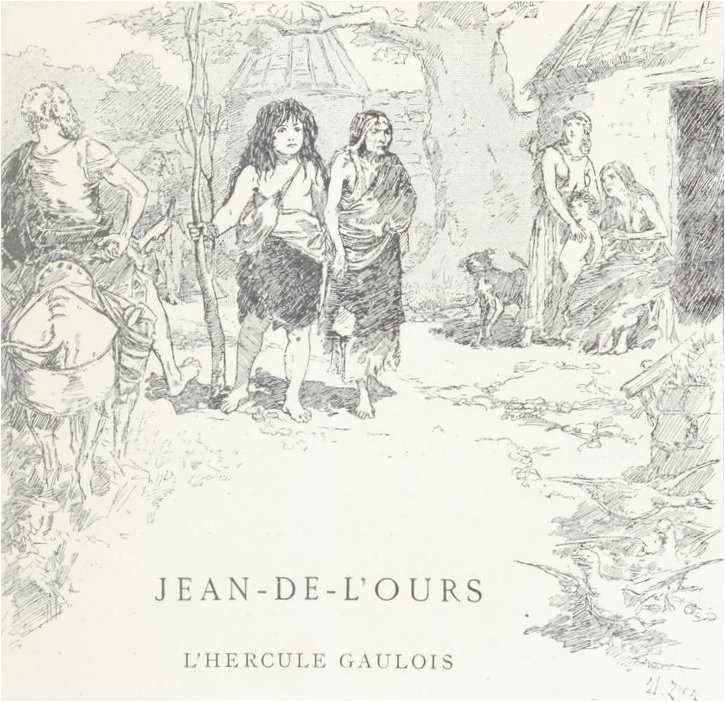 🇫🇷 France and 4 moreJean de l'Ours
A half-bear folk hero who rescues princesses from an underworld giant.Figure · Power and authority Legendary
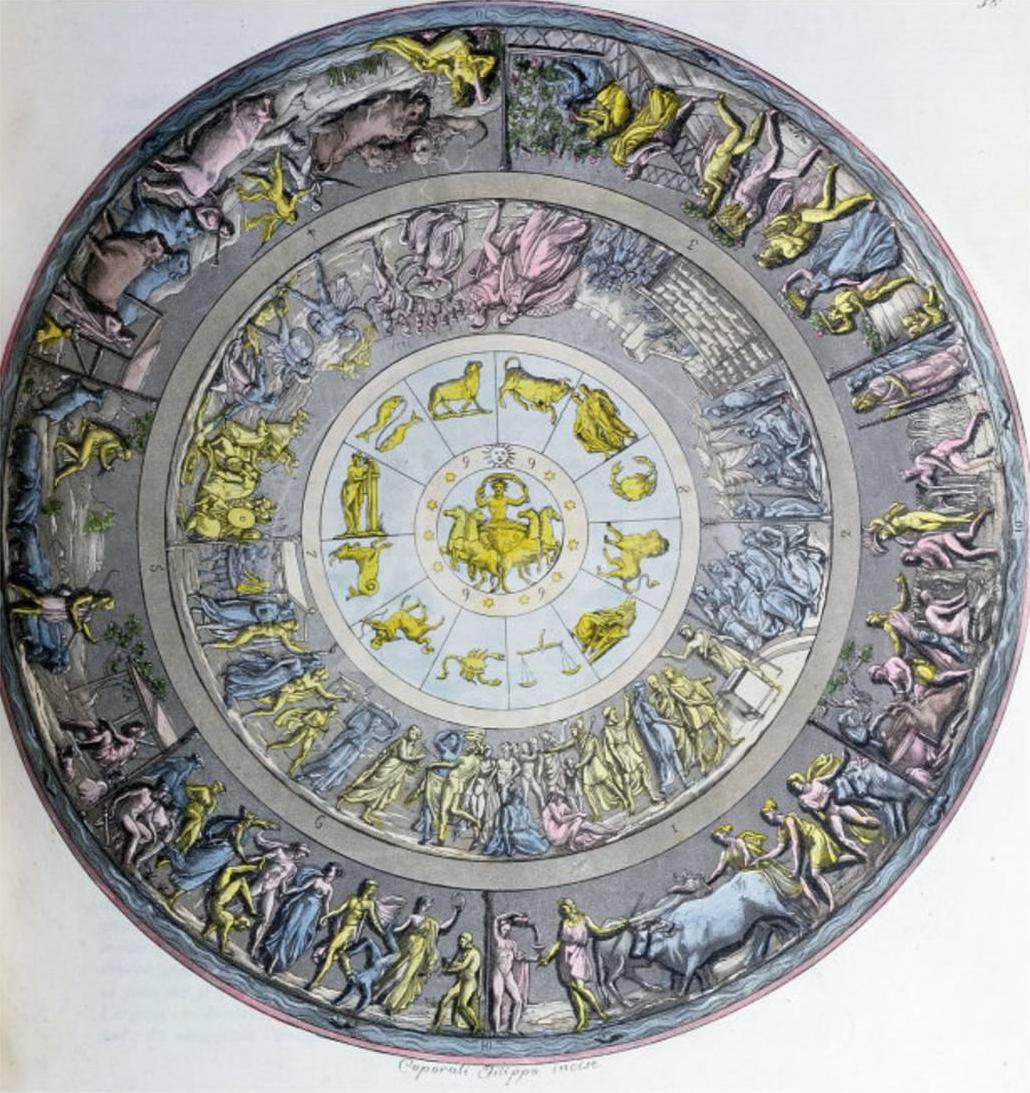 🇬🇷 GreeceShield of Achilles
A mythical shield forged by Hephaestus, decorated with a complete picture of the world and human life.Figure · Power and authority Legendary
 🇬🇧 United Kingdom and 2 moreJenny Greenteeth
A river-hag from English folklore used to warn children away from dangerous watersFigure · Cursing and harm Legendary
Photo credits on this page
The small pictures above come from Wikimedia Commons under free licences. Some are cropped to fit.
- Wolves in folklore, religion and mythology: Unknown author, CC0, source
- The Hairy Leg: Diógenes Montenegro, Public domain, source
- Vesna: Viktor Vasnetsov, Public domain, source
- Orpheus: Franz Caucig, Public domain, source
- Melusine: GilPe, CC BY-SA 3.0, source
- Skunk ape: MikesMegapixels, CC BY 3.0, source
- Yue Lao: 仔仔好帥, CC BY-SA 4.0, source
- Bamakhepa: Pinakpani, CC BY-SA 4.0, source
- Fairy: Henry Fuseli, Public domain, source
- Dongyue Dadi: H2v5o68z, CC0, source
- Shimon bar Yochai: איתי פרץ, Attribution, source
- Myrddin Wyllt: Rosser1954 Roger Griffith, Public domain, source
- Matthew Hopkins: Unknown author, CC BY 4.0, source
- Cargo cult: Tim Ross, CC BY 3.0, source
- Loveland frog: Tim Bertelink, CC BY-SA 4.0, source
- Shield of Achilles: Angelo Monticelli (1778-1837), Public domain, source
- Jean de l'Ours: Édouard François Zier (1856–1924), illustrator, Public domain, source
- Dahu: Philippe Semeria, CC BY 3.0, source
- Personifications of death: No machine-readable author provided. Kirtap assumed (based on copyrigh, CC BY 2.5, source
- Golden Fleece: Underworld Painter, Public domain, source
- Vegetable Lamb of Tartary: Unknown author, Public domain, source
- Bigfoot: Roger Patterson and Robert Gimlin, Public domain, source
- Round Table: Évrard d'Espinques, Public domain, source
- Uchide no kozuchi: Yashima Gakutei, CC0, source
- Golden apple: Guido Reni, Public domain, source
- Pig-faced women: DubhEire, CC0, source
- Aosaginohi: Koikawa Harumachi ja:恋川春町 (1744-1789), Public domain, source
- Babay: Kyoukaa, CC BY-SA 4.0, source
- Yeren: Rolf Müller, CC BY-SA 3.0, source
- Chimera: Lampas Group, Public domain, source
- Tooth fairy: Eden, CC BY 2.0, source
- Fionn mac Cumhaill: Ary Scheffer / Formerly attributed to Anne-Louis Girodet, Public domain, source
- Ravana: Gita Press Gorakhpur, CC0, source
- Dietrich von Bern: Workshop of Diebolt Lauber, Hagenau 1444-1448, CC BY-SA 3.0, source
- Jenny Greenteeth: Jayan.thanal, CC BY-SA 4.0, source
- Hippogriff: LadyofHats, CC0, source
- Sampo: Väinö Blomstedt, Public domain, source
- Ghost of Kyiv: Андрій Данкович / Andriy Dankovych, CC BY-SA 4.0, source