
Melusine
In its own language: Mélusine
Possibly from Latin melus, meaning melodious, or inspired by the Poitevin legend of Mère Lusine.
A water spirit of French and Luxembourgish lore, known for her serpent form and the castles she built.
Melusine is a female water spirit from European folklore, often depicted as a woman with a serpent or fish lower body. Her legends are tied to the nobility of France, Luxembourg, and England, who claimed descent from her through magical marriage.
- Melusine is a water spirit with a serpent lower body.
- She built castles for her husband in exchange for privacy.
- Noble houses in France and Luxembourg claimed her descent.
- Jean d'Arras wrote the first major literary version in 1393.
- Martin Luther described her as a succubus or devil.
What it is
Melusine is a figure of European folklore, described as a female spirit of fresh water found in holy wells or rivers. She is typically portrayed as a woman whose lower body transforms into that of a serpent or fish, resembling a lamia or mermaid. Some illustrations add wings or two tails to her form. Her stories are deeply rooted in the northern and western regions of France, as well as Luxembourg and the Low Countries. She represents a complex blend of water nymph, earth spirit, and supernatural bride.
Where it comes from
The name may derive from the Latin word melus, meaning pleasant or melodious. Another theory links her to a Poitevin legend about Mère Lusine, a fairy leader who built Roman structures across the countryside. Regional variations include Merlusse in the Vosges and Merluisaine in Champagne. The literary tradition was solidified by Jean d'Arras in 1393, who detailed her relationship with Raymondin and the Lusignan family lineage.
How it is done
The core narrative involves a marriage pact where the husband must never see Melusine on a specific day, usually Saturday. If he keeps this oath, she provides wealth, land, and builds magnificent castles. If he breaks the promise and spies on her bathing, she reveals her serpent form, laments, and vanishes. In some versions, she returns only at night to nurse her children. In Luxembourg, she is said to return every seven years, carrying a golden key that could free her if taken.
Tools and materials
Melusine uses magical art to construct castles and fortresses, granting her husband power and riches. In the Luxembourg version, she possesses a golden key and adds a stitch to a linen chemise every seven years; completing it would supposedly swallow the country. In the French tale, she gives her husband two magic rings before flying away as a dragon.
Melusine, drawn and placed
- Living
- Revived
- Fading
- Historical
- Legendary
- Performed
- Lineage
- European folklore
- Timing
- Every Saturday
What it is for
The tales explain the rise of noble houses like the Lusignans, Plantagenets, and Counts of Luxembourg. They serve as origin myths for dynasties, linking them to supernatural power and prosperity. The stories also function as cautionary tales about curiosity, broken vows, and the dangers of intruding upon private spiritual matters.
Who does it
No living practitioners perform rituals for Melusine. She is studied by folklorists and historians. Hans-Jörg Uther classifies her story as a distinct tale type involving a human marrying a supernatural animal-bride. Scholars like Jacques Le Goff view her as a symbol of medieval economic growth and rural fertility.
Peoples and places
The legends are strongest in France, particularly Poitou, and Luxembourg. The House of Lusignan in Cyprus and Armenia claimed descent from her. In England, the story was attached to the Anjou dynasty and Eleanor of Aquitaine. German versions influenced literature like Undine, while British folklore linked her to changelings and the Lady of the Lake.
At a glance: who, where and when
Peoples
Belief worlds

What people believe
Melusine embodies the tension between the human world and the supernatural. She is a guardian spirit of place and a bringer of fortune. However, she also carries a demonic aspect in some accounts, such as Martin Luther calling her a succubus or Gerald of Wales labeling her the daughter of Satan. Her curse ensures that any descendant who breaks the oath will face tragedy or death.
When it is done
The critical moment in the myth occurs every Saturday, when Melusine retreats to bathe. In the Luxembourg legend, she appears every seven years. The stories are often told during periods of dynastic change or castle construction, linking her presence to the physical landscape and family history.
How scholars and sceptics see it
Folklorists analyze Melusine as part of the Animal Bridegroom tale type. Sabine Baring-Gould noted similarities to the Knight of the Swan legend. Historians examine how noble families used her story to legitimize their rule. Literary critics trace her influence on works by Paracelsus, Fouqué, and Andersen, showing her evolution from folklore to romantic literature.
Cautions and what is closed
The myth warns against violating privacy and breaking sacred oaths. Curiosity leads to the loss of the spirit and the collapse of the marital bond. In some versions, the breach results in violence among the sons or the destruction of the family line. The story serves as a moral framework for maintaining boundaries between the mundane and the magical.
Compare and confuse
Melusine is often compared to other water spirits like the Nereids, Naiads, and Banshees. She shares traits with the Swan Maiden and Undine. In Britain, she is linked to the Lady of the Lake. Unlike pure demons, she offers tangible benefits like castles and heirs, making her a more complex figure than simple evil spirits.
Law and persecution
There are no legal restrictions on Melusine herself. However, her story has been used historically to justify political claims and dynastic rights. In modern times, she appears on postage stamps and in cultural heritage discussions, representing national identity rather than a subject of law.
Questions people ask about Melusine
What is Melusine?
Melusine is a female water spirit from European folklore, often depicted as a woman with a serpent or fish tail. She is known for building castles and founding noble dynasties in France and Luxembourg.
Where does the story come from?
The legends originate in northern and western France, particularly Poitou, and Luxembourg. They were popularized by medieval literature and spread to England, Germany, and Cyprus through noble family histories.
Why is Saturday important?
Melusine requires one day of absolute privacy each week, typically Saturday. If her husband spies on her bathing on this day, she reveals her true form and leaves him, ending their marriage and bringing misfortune.
Which noble families claim her?
The House of Lusignan, the Counts of Luxembourg, and the Plantagenets all claimed descent from Melusine. These connections were used to legitimize their rule and explain their wealth and power.
Good reading and sources
- Melusine on WikipediaEncyclopedia
- More photos on Wikimedia CommonsPhotos and video
- Wikidata recordOpen data
The facts on this page come from the Wikipedia article "Melusine", written by its contributors and used under the CC BY-SA 4.0 licence, and from its Wikidata record (CC0). EveryJaadu rewrote the text in its own words, with AI assistance, and compares every page with the article to make sure no passage is copied. It may be reused under the same CC BY-SA 4.0 licence with a link back.
It may contain mistakes. Names and customs differ from one community to the next, and some knowledge is closed to outsiders and left out here. This page describes belief and practice. It does not say that any of it works, it is not a how-to, and it is not medical advice. If something is wrong, tell us. Last refreshed 2026-10-06.
More from France
All the entries from France 🇬🇧 United Kingdom and 2 moreKing ArthurBrenin Arthur
A legendary British king and folk hero of medieval literature and Welsh mythologyFigure · Power and authority · Wonder and entertainment Legendary
🇬🇧 United Kingdom and 2 moreKing ArthurBrenin Arthur
A legendary British king and folk hero of medieval literature and Welsh mythologyFigure · Power and authority · Wonder and entertainment Legendary
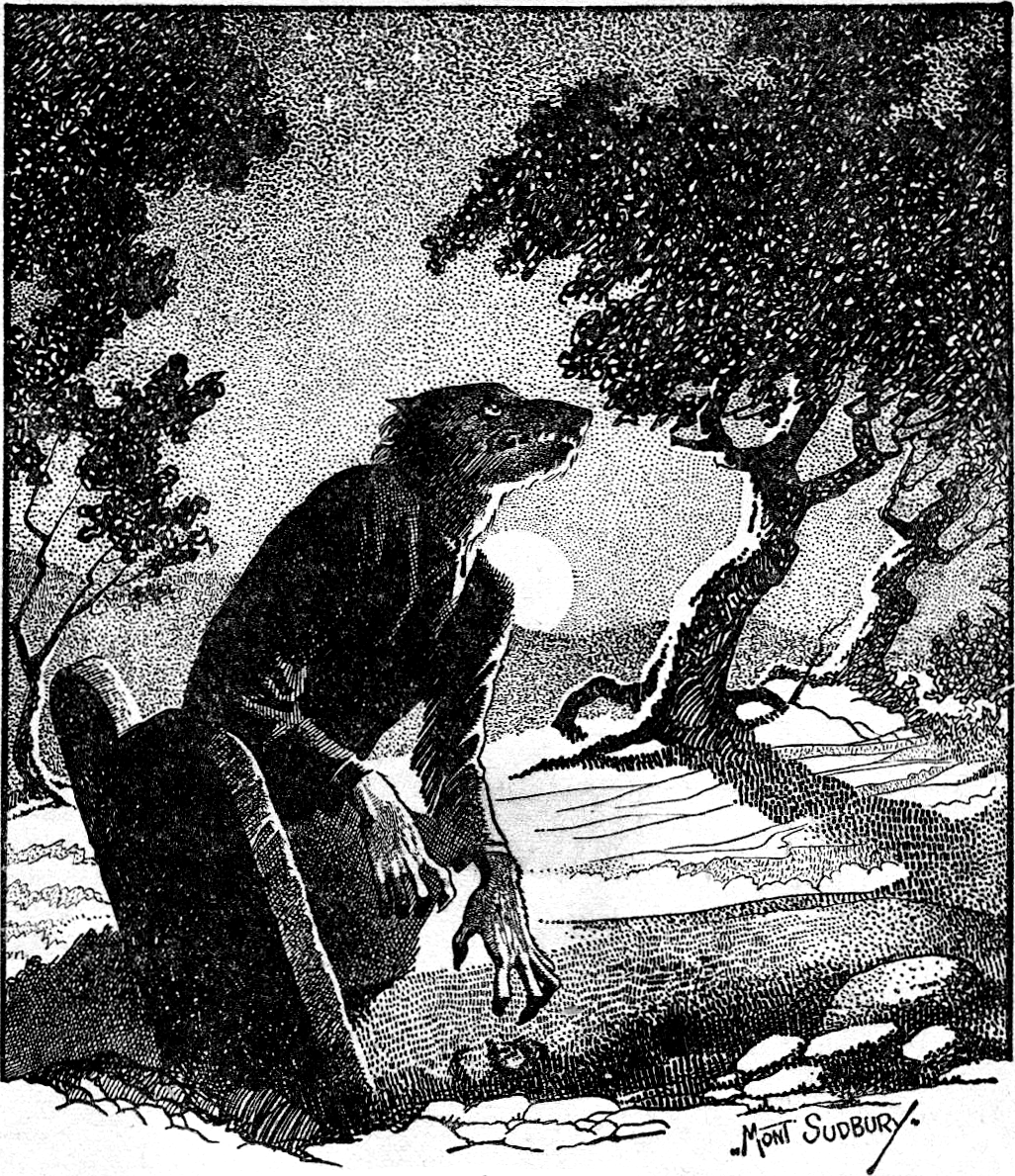 🇫🇷 France and 5 moreWerewolf
A mythical shapeshifter that turns into a wolf, central to European witch-hunts and Gothic horror.Being · Cursing and harm · Wonder and entertainment Legendary
🇫🇷 France and 5 moreWerewolf
A mythical shapeshifter that turns into a wolf, central to European witch-hunts and Gothic horror.Being · Cursing and harm · Wonder and entertainment Legendary
 🇫🇷 FranceHoly GrailSaint Graal
A cup or stone from Arthurian tales that grants healing and eternal lifeFigure · Healing · Luck and prosperity Legendary
🇫🇷 FranceHoly GrailSaint Graal
A cup or stone from Arthurian tales that grants healing and eternal lifeFigure · Healing · Luck and prosperity Legendary
 🇩🇪 Germany and 5 moreWitch trials in the Holy Roman Empire
A wave of executions across Central Europe between the fifteenth and eighteenth centuries.Belief · Cursing and harm Historical
🇩🇪 Germany and 5 moreWitch trials in the Holy Roman Empire
A wave of executions across Central Europe between the fifteenth and eighteenth centuries.Belief · Cursing and harm Historical
Related elsewhere
All figure 🇮🇳 India and 5 moreAstrology
A divinatory practice that reads human fate through the positions of celestial bodies.Belief · Seeing and foretelling · Luck and prosperity Living
🇮🇳 India and 5 moreAstrology
A divinatory practice that reads human fate through the positions of celestial bodies.Belief · Seeing and foretelling · Luck and prosperity Living
 🇨🇳 China and 3 moreChinese dragon龍
A legendary water deity and imperial symbol in East Asian cultureBeing · Protection · Luck and prosperity Historical
🇨🇳 China and 3 moreChinese dragon龍
A legendary water deity and imperial symbol in East Asian cultureBeing · Protection · Luck and prosperity Historical
 🇮🇳 India and 5 moreCowrie
A sea snail shell used as currency, divination tool, and charm across many culturesSubstance · Seeing and foretelling · Luck and prosperity Living
🇮🇳 India and 5 moreCowrie
A sea snail shell used as currency, divination tool, and charm across many culturesSubstance · Seeing and foretelling · Luck and prosperity Living
 🇮🇳 India and 1 moreGarba
A Gujarati circle dance performed around a central symbol during NavaratriIllusion · Power and authority · Luck and prosperity Living
🇮🇳 India and 1 moreGarba
A Gujarati circle dance performed around a central symbol during NavaratriIllusion · Power and authority · Luck and prosperity Living