Magicians, witches and legendary figures
The wise woman, the sorcerer, the legendary mage: Merlin, Baba Yaga, Circe and their kin.
Magical figures are the people, real and legendary, who stand for magic: Merlin, Baba Yaga, Circe, Hermes Trismegistus, Dr John Dee, Madame Blavatsky, the sorcerer in a village story, the Bulgarian seer Baba Vanga, and the performers Houdini and Chung Ling Soo. Some lived, some are composite, and some are pure myth. This page looks at who becomes a magic figure, and why. They are described here as stories and as history, and kept apart.
Who becomes a figure
Figures often sit at the edge of society. In many stories the witch is an older woman living alone, the sorcerer a foreigner or a rival tribe, the wise man a hermit. Real figures include John Dee, adviser to Elizabeth I, and Agrippa, whose De occulta philosophia (1533) shaped European occultism. Others are legend: Merlin appears in Welsh and French tales, and Baba Yaga is a Slavic folk figure who both helps and threatens.
Gender and reputation
The witch figure has been mostly female in Europe, where trials in the sixteenth and seventeenth centuries killed tens of thousands of people, most of them women. In other places accusation falls on men, on the old, on the poor or on the outsider. The learned magician, by contrast, was often male, literate and protected by rank, a division that shows how class shaped who was punished. Not every figure carries a stigma: Chinese immortals, Indian rishis and Irish saints are honoured, and the line between holy person and magician depends on who is telling the story.
Colonial and modern use
Missionary and colonial writers often cast African and Indigenous healers as the witch-doctor, a term most communities reject. The word covers healers, diviners and rulers who had very different roles. Today, figures are re-used in fantasy and branding. The Merlin of modern fantasy films is a long way from the Welsh Myrddin, and the name of a real tradition may be turned into a costume. Their stories have also been tools of politics: rulers have claimed legendary magicians as ancestors, and enemies have painted rivals as sorcerers to justify their removal.
Scholars and the real person
Historians separate documented people from legend and warn that many reports of magicians were written by their enemies. Evidence for some famous names, including Hermes Trismegistus, who was long thought to be an Egyptian sage, turned out to be later Greek-language writings. Treating a figure as legend rather than biography is no insult to those who revere them. A figure who may be a real person with a name, a date and a grave belongs in a different category from a legend, even when popular memory blends them, and the entries here try to keep them separate.
Figure on EveryJaadu
The entries written up so far, best known first.
 🇺🇸 United StatesCotton Mather
A Puritan minister and writer known for his role in the Salem witch trials and promotion of smallpox inoculationFigure Historical
🇺🇸 United StatesCotton Mather
A Puritan minister and writer known for his role in the Salem witch trials and promotion of smallpox inoculationFigure Historical
 🇺🇸 United States and 1 moreMarie Laveau
A New Orleans priestess and herbalist who led Louisiana Voodoo in the nineteenth centuryTradition · Healing · Protection Historical
🇺🇸 United StatesRed Ghost
A legendary red camel with a skeleton rider from Arizona frontier folkloreFigure · Wonder and entertainment Legendary
🇺🇸 United States and 1 moreMarie Laveau
A New Orleans priestess and herbalist who led Louisiana Voodoo in the nineteenth centuryTradition · Healing · Protection Historical
🇺🇸 United StatesRed Ghost
A legendary red camel with a skeleton rider from Arizona frontier folkloreFigure · Wonder and entertainment Legendary
 🇺🇸 United States and 1 moreBigfoot
A large, hairy humanoid creature of North American folklore and cryptozoologyFigure · Wonder and entertainment Legendary
🇺🇸 United States and 1 moreBigfoot
A large, hairy humanoid creature of North American folklore and cryptozoologyFigure · Wonder and entertainment Legendary
 🇺🇸 United States and 4 moreTooth fairy
A childhood figure who exchanges lost baby teeth for gifts or coins.Figure · Luck and prosperity Living
🇺🇸 United States and 4 moreTooth fairy
A childhood figure who exchanges lost baby teeth for gifts or coins.Figure · Luck and prosperity Living
 🇺🇸 United StatesSkunk ape
A large, hairy humanoid cryptid said to live in Florida swamps and forestsFigure · Wonder and entertainment Legendary
🇺🇸 United StatesSkunk ape
A large, hairy humanoid cryptid said to live in Florida swamps and forestsFigure · Wonder and entertainment Legendary
 🇺🇸 United StatesLoveland frog
A legendary humanoid creature sighted in Ohio, often linked to urban folklore and local tourism.Figure · Wonder and entertainment Legendary
🇺🇸 United StatesLoveland frog
A legendary humanoid creature sighted in Ohio, often linked to urban folklore and local tourism.Figure · Wonder and entertainment Legendary
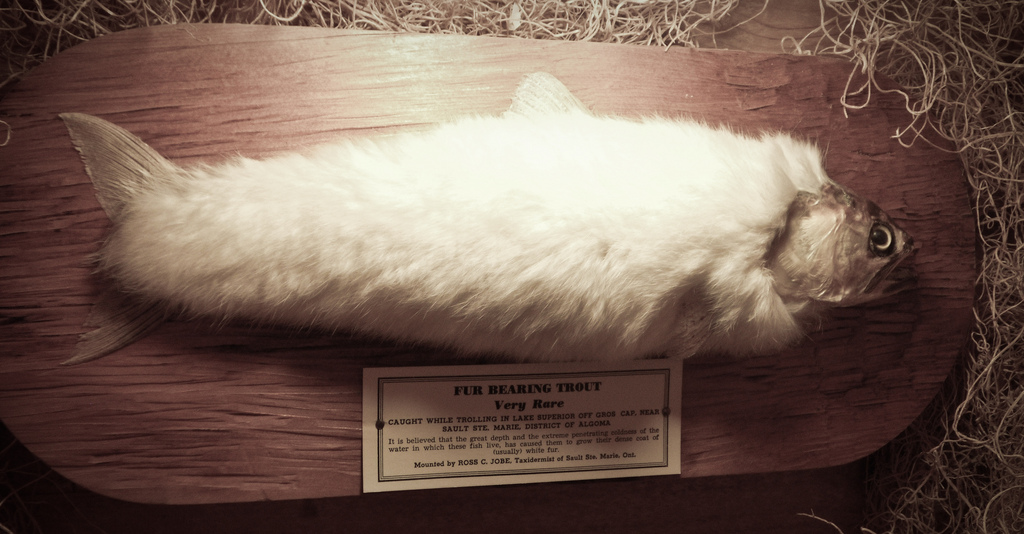 🇮🇸 Iceland and 2 moreFur-bearing troutLoðsilungur
A legendary fish with a coat of fur, found in North American and Icelandic tall tales.Figure · Wonder and entertainment Legendary
🇮🇸 Iceland and 2 moreFur-bearing troutLoðsilungur
A legendary fish with a coat of fur, found in North American and Icelandic tall tales.Figure · Wonder and entertainment Legendary
 🇺🇸 United StatesHodag
A fabricated American cryptid from Wisconsin folklore and tall talesFigure · Wonder and entertainment Historical
🇺🇸 United StatesHodag
A fabricated American cryptid from Wisconsin folklore and tall talesFigure · Wonder and entertainment Historical
 🇺🇸 United States and 1 moreFearsome critters
Tall tale animals from North American logging camps used to jest and explain the wild.Figure · Wonder and entertainment · Luck and prosperity Historical
🇺🇸 United States and 1 moreFearsome critters
Tall tale animals from North American logging camps used to jest and explain the wild.Figure · Wonder and entertainment · Luck and prosperity Historical
 🇺🇸 United StatesLava bear
A small bear from Oregon's lava beds once thought to be a unique speciesFigure Historical
🇺🇸 United StatesLava bear
A small bear from Oregon's lava beds once thought to be a unique speciesFigure Historical
 🇨🇦 CanadaChasse-galerieLa Chasse-galerie
A French-Canadian folktale about lumberjacks who fly a canoe to visit lovers on New Year's EveFigure · Love and attraction · Wonder and entertainment Legendary
🇺🇸 United StatesAlfred Bulltop Stormalong
A giant sailor from New England tall tales and sea shantiesFigure · Wonder and entertainment Legendary
🇨🇦 CanadaChasse-galerieLa Chasse-galerie
A French-Canadian folktale about lumberjacks who fly a canoe to visit lovers on New Year's EveFigure · Love and attraction · Wonder and entertainment Legendary
🇺🇸 United StatesAlfred Bulltop Stormalong
A giant sailor from New England tall tales and sea shantiesFigure · Wonder and entertainment Legendary
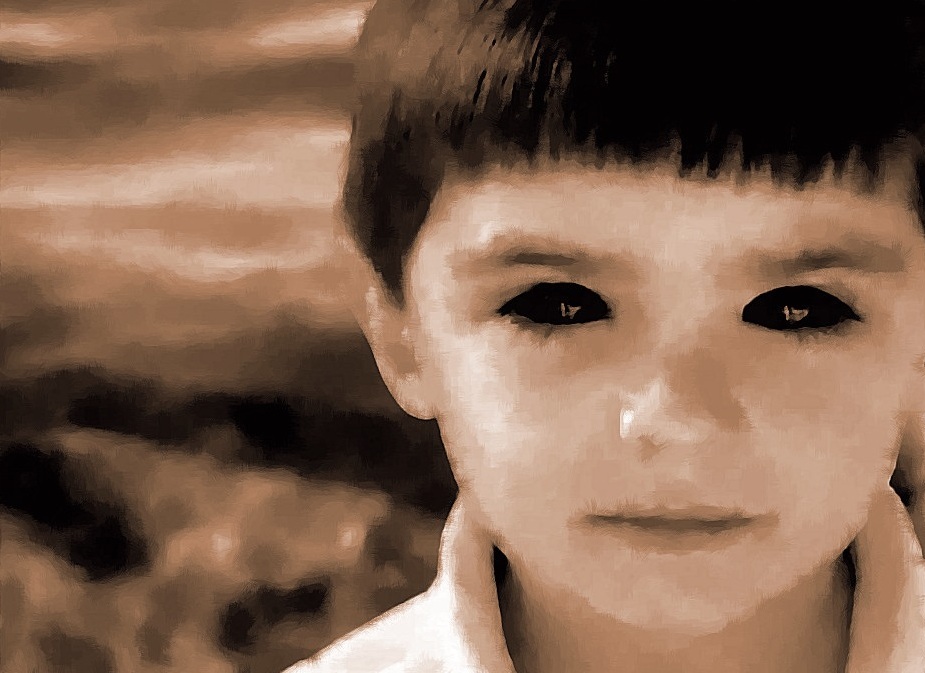 🇺🇸 United StatesBlack-eyed children
A modern American urban legend about pale children with dark eyes who seek entry into homes.Figure · Cursing and harm Legendary
🇺🇸 United StatesBlack-eyed children
A modern American urban legend about pale children with dark eyes who seek entry into homes.Figure · Cursing and harm Legendary
 🇫🇮 FinlandAntero Vipunen
A buried giant in Finnish mythology who holds the magic words needed to build a boatFigure · Power and authority Legendary
🇫🇮 FinlandAntero Vipunen
A buried giant in Finnish mythology who holds the magic words needed to build a boatFigure · Power and authority Legendary
 🇺🇸 United StatesMoll Dyer
A Maryland folktale about a woman accused of witchcraft and her cursed stoneFigure · Cursing and harm · Protection Legendary
🇬🇱 Greenland and 2 moreThe Goose Wife
A circumpolar myth of a hunter and a woman who sheds her bird skinFigure · Wonder and entertainment Legendary
🇺🇸 United StatesMoll Dyer
A Maryland folktale about a woman accused of witchcraft and her cursed stoneFigure · Cursing and harm · Protection Legendary
🇬🇱 Greenland and 2 moreThe Goose Wife
A circumpolar myth of a hunter and a woman who sheds her bird skinFigure · Wonder and entertainment Legendary
 🇺🇸 United StatesZelph
A figure identified by Joseph Smith as a buried warrior in IllinoisFigure · Power and authority Historical
🇺🇸 United StatesTsul 'KaluᏧᏓᎦᎳ
A Cherokee hunting deity and legendary giant of the Appalachian mountainsFigure · Cursing and harm · Protection Legendary
🇺🇸 United StatesZelph
A figure identified by Joseph Smith as a buried warrior in IllinoisFigure · Power and authority Historical
🇺🇸 United StatesTsul 'KaluᏧᏓᎦᎳ
A Cherokee hunting deity and legendary giant of the Appalachian mountainsFigure · Cursing and harm · Protection Legendary
 🇺🇸 United States and 2 moreFlying Africans
A legend of enslaved people returning to Africa by magic flightFigure · Cursing and harm · Speaking with spirits and the dead Legendary
🇺🇸 United States and 2 moreFlying Africans
A legend of enslaved people returning to Africa by magic flightFigure · Cursing and harm · Speaking with spirits and the dead Legendary
Photo credits on this page
The small pictures above come from Wikimedia Commons under free licences. Some are cropped to fit.
- Skunk ape: MikesMegapixels, CC BY 3.0, source
- Bigfoot: Roger Patterson and Robert Gimlin, Public domain, source
- Hodag: Gourami Watcher, CC BY-SA 3.0, source
- Antero Vipunen: Schulllz, CC0, source
- Flying Africans: Matthew T Rader, CC BY-SA 4.0, source
- Zelph: HotWheels53, CC BY-SA 3.0, source
- Cotton Mather: Peter Pelham, Public domain, source
- Marie Laveau: E. W. Kemble, Public domain, source
- Tooth fairy: Eden, CC BY 2.0, source
- Loveland frog: Tim Bertelink, CC BY-SA 4.0, source
- Fur-bearing trout: Samantha Marx, CC BY 2.0, source
- Fearsome critters: Coert Du Bois, Public domain, source
- Lava bear: Guy M. Ingram, Public domain, source
- Chasse-galerie: Henri Julien, Public domain, source
- Black-eyed children: Megamoto85, CC BY-SA 4.0, source
- Moll Dyer: Dougtone, CC BY-SA 2.0, source