Magicians, witches and legendary figures
The wise woman, the sorcerer, the legendary mage: Merlin, Baba Yaga, Circe and their kin.
Magical figures are the people, real and legendary, who stand for magic: Merlin, Baba Yaga, Circe, Hermes Trismegistus, Dr John Dee, Madame Blavatsky, the sorcerer in a village story, the Bulgarian seer Baba Vanga, and the performers Houdini and Chung Ling Soo. Some lived, some are composite, and some are pure myth. This page looks at who becomes a magic figure, and why. They are described here as stories and as history, and kept apart.
Who becomes a figure
Figures often sit at the edge of society. In many stories the witch is an older woman living alone, the sorcerer a foreigner or a rival tribe, the wise man a hermit. Real figures include John Dee, adviser to Elizabeth I, and Agrippa, whose De occulta philosophia (1533) shaped European occultism. Others are legend: Merlin appears in Welsh and French tales, and Baba Yaga is a Slavic folk figure who both helps and threatens.
Gender and reputation
The witch figure has been mostly female in Europe, where trials in the sixteenth and seventeenth centuries killed tens of thousands of people, most of them women. In other places accusation falls on men, on the old, on the poor or on the outsider. The learned magician, by contrast, was often male, literate and protected by rank, a division that shows how class shaped who was punished. Not every figure carries a stigma: Chinese immortals, Indian rishis and Irish saints are honoured, and the line between holy person and magician depends on who is telling the story.
Colonial and modern use
Missionary and colonial writers often cast African and Indigenous healers as the witch-doctor, a term most communities reject. The word covers healers, diviners and rulers who had very different roles. Today, figures are re-used in fantasy and branding. The Merlin of modern fantasy films is a long way from the Welsh Myrddin, and the name of a real tradition may be turned into a costume. Their stories have also been tools of politics: rulers have claimed legendary magicians as ancestors, and enemies have painted rivals as sorcerers to justify their removal.
Scholars and the real person
Historians separate documented people from legend and warn that many reports of magicians were written by their enemies. Evidence for some famous names, including Hermes Trismegistus, who was long thought to be an Egyptian sage, turned out to be later Greek-language writings. Treating a figure as legend rather than biography is no insult to those who revere them. A figure who may be a real person with a name, a date and a grave belongs in a different category from a legend, even when popular memory blends them, and the entries here try to keep them separate.
Figure on EveryJaadu
The entries written up so far, best known first.
 🇮🇹 ItalyCumaean SibylSibylla Cumana
The priestess of the Apollonian oracle at Cumae, famous in Roman legend for her prophetic books and underworld guidance.Figure · Seeing and foretelling · Speaking with spirits and the dead Legendary
🇮🇹 ItalyCumaean SibylSibylla Cumana
The priestess of the Apollonian oracle at Cumae, famous in Roman legend for her prophetic books and underworld guidance.Figure · Seeing and foretelling · Speaking with spirits and the dead Legendary
 🇧🇷 Brazil and 5 moreWhite Lady
A female ghost in white clothing linked to tragedy and omens across many culturesFigure · Cursing and harm · Seeing and foretelling Legendary
🇧🇷 Brazil and 5 moreWhite Lady
A female ghost in white clothing linked to tragedy and omens across many culturesFigure · Cursing and harm · Seeing and foretelling Legendary
 🇬🇧 United KingdomWilliam Lilly
A seventeenth-century English astrologer and author who shaped Western tradition.Text · Seeing and foretelling · Power and authority Historical
🇬🇧 United KingdomWilliam Lilly
A seventeenth-century English astrologer and author who shaped Western tradition.Text · Seeing and foretelling · Power and authority Historical
 🇬🇧 United KingdomMother Shipton
An English prophetess and herbalist from folklore, known for predictions printed long after her death.Figure · Seeing and foretelling · Healing Historical
🇬🇧 United KingdomMother Shipton
An English prophetess and herbalist from folklore, known for predictions printed long after her death.Figure · Seeing and foretelling · Healing Historical
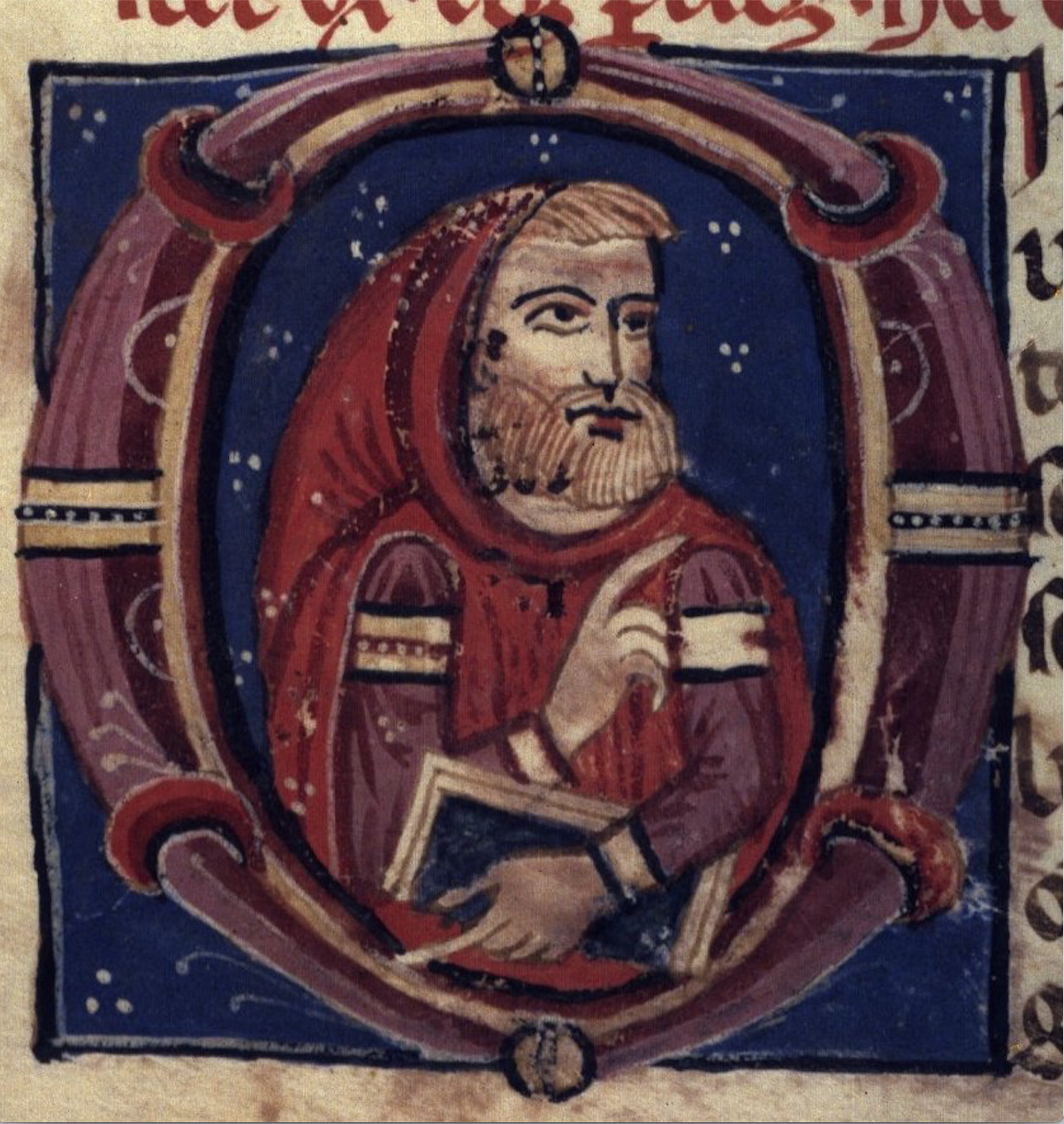 🇬🇧 United Kingdom and 2 moreMichael Scot
A medieval scholar and astrologer who became a legendary magician in folklore.Figure · Seeing and foretelling · Wonder and entertainment Legendary
🇬🇧 United Kingdom and 2 moreMichael Scot
A medieval scholar and astrologer who became a legendary magician in folklore.Figure · Seeing and foretelling · Wonder and entertainment Legendary
 🇨🇳 ChinaHe Xiangu何仙姑
A female immortal from Chinese Taoist legend known for divination and lotus magicFigure · Seeing and foretelling · Healing Legendary
🇯🇵 JapanKamo no Yasunori賀茂 保憲
A Heian-era onmyōji and teacher of Abe no Seimei in Japanese esoteric artsFigure · Seeing and foretelling · Cursing and harm Historical
🇨🇳 ChinaHe Xiangu何仙姑
A female immortal from Chinese Taoist legend known for divination and lotus magicFigure · Seeing and foretelling · Healing Legendary
🇯🇵 JapanKamo no Yasunori賀茂 保憲
A Heian-era onmyōji and teacher of Abe no Seimei in Japanese esoteric artsFigure · Seeing and foretelling · Cursing and harm Historical
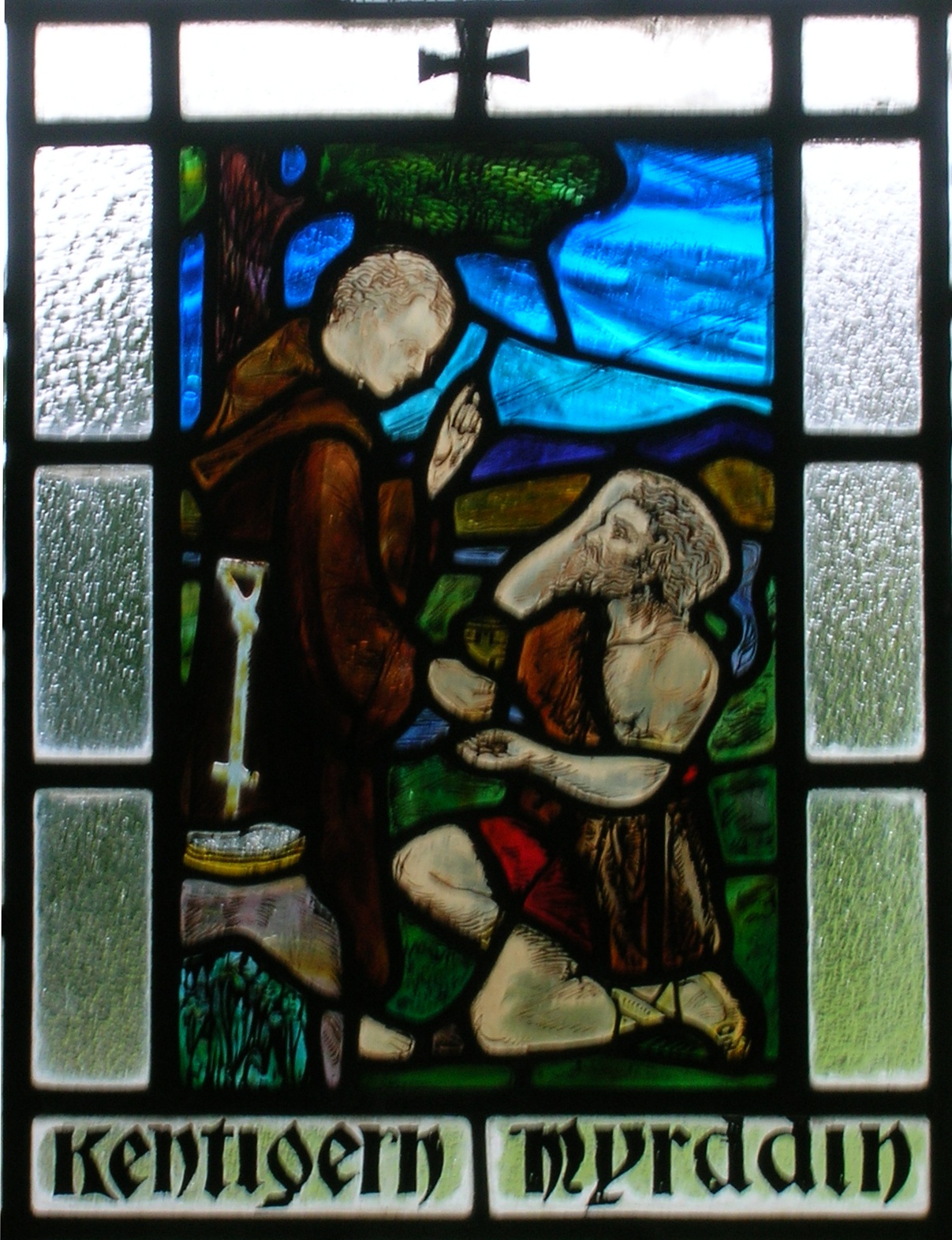 🇬🇧 United KingdomMyrddin Wyllt
A wild prophet of Welsh legend who inspired the wizard MerlinFigure · Seeing and foretelling Legendary
🇬🇧 United KingdomMyrddin Wyllt
A wild prophet of Welsh legend who inspired the wizard MerlinFigure · Seeing and foretelling Legendary
 🇬🇷 GreeceCassandraΚασσάνδρα
A Trojan priestess cursed to speak truth that no one acceptsFigure · Seeing and foretelling Legendary
🇬🇷 GreeceCassandraΚασσάνδρα
A Trojan priestess cursed to speak truth that no one acceptsFigure · Seeing and foretelling Legendary
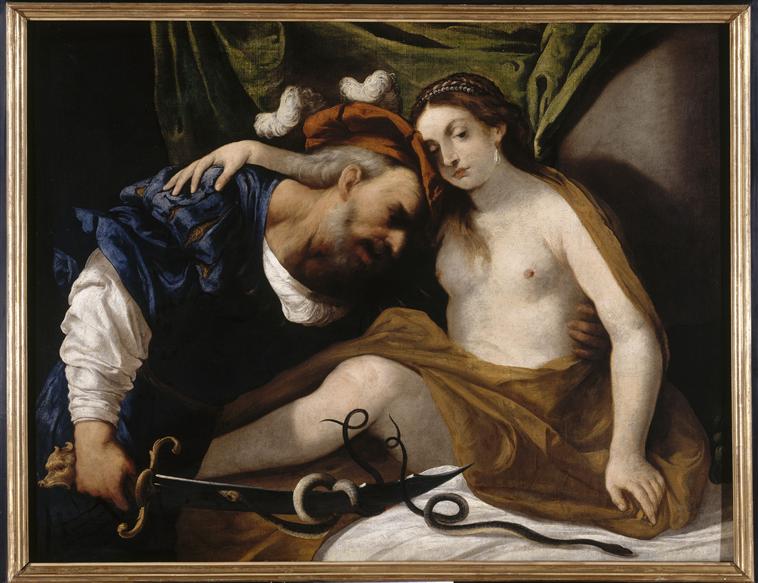 🇬🇷 GreeceTiresiasΤειρεσίας
A blind Greek seer who lived as both man and woman and spoke to the dead.Figure · Seeing and foretelling · Speaking with spirits and the dead Legendary
🇬🇷 GreeceTiresiasΤειρεσίας
A blind Greek seer who lived as both man and woman and spoke to the dead.Figure · Seeing and foretelling · Speaking with spirits and the dead Legendary
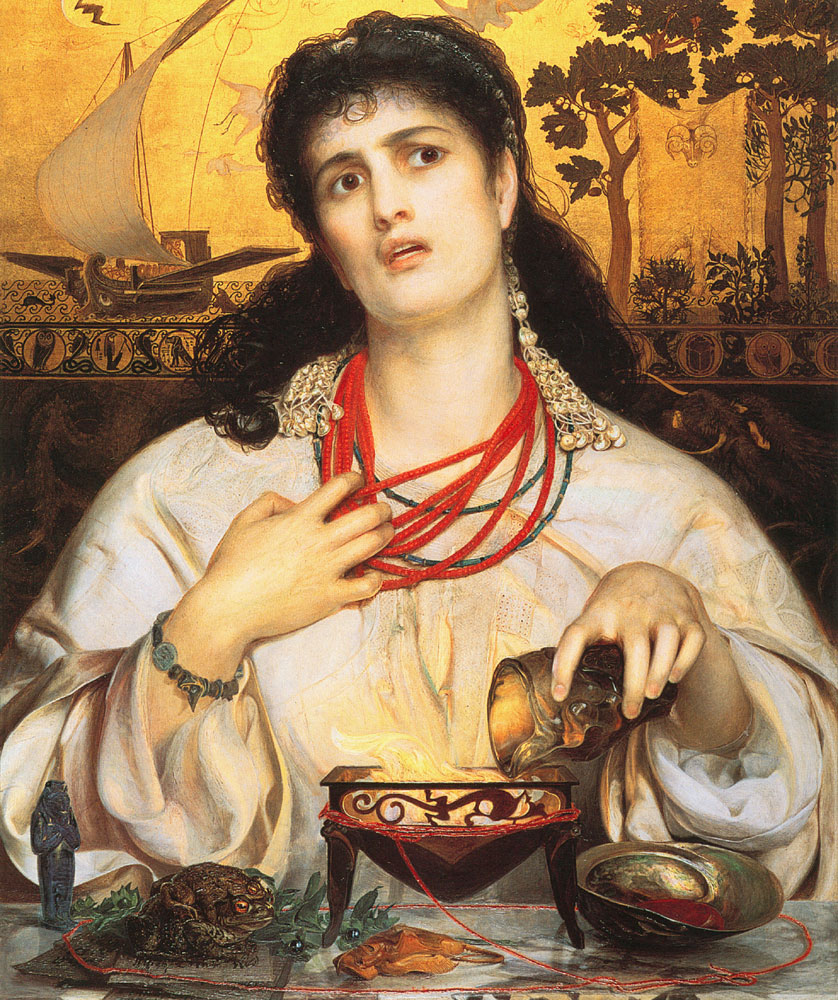 🇬🇷 GreeceMedeaΜήδεια
A sorceress and princess of Colchis who aids Jason and uses magic for revenge.Figure · Cursing and harm · Healing Legendary
🇬🇷 GreeceMedeaΜήδεια
A sorceress and princess of Colchis who aids Jason and uses magic for revenge.Figure · Cursing and harm · Healing Legendary
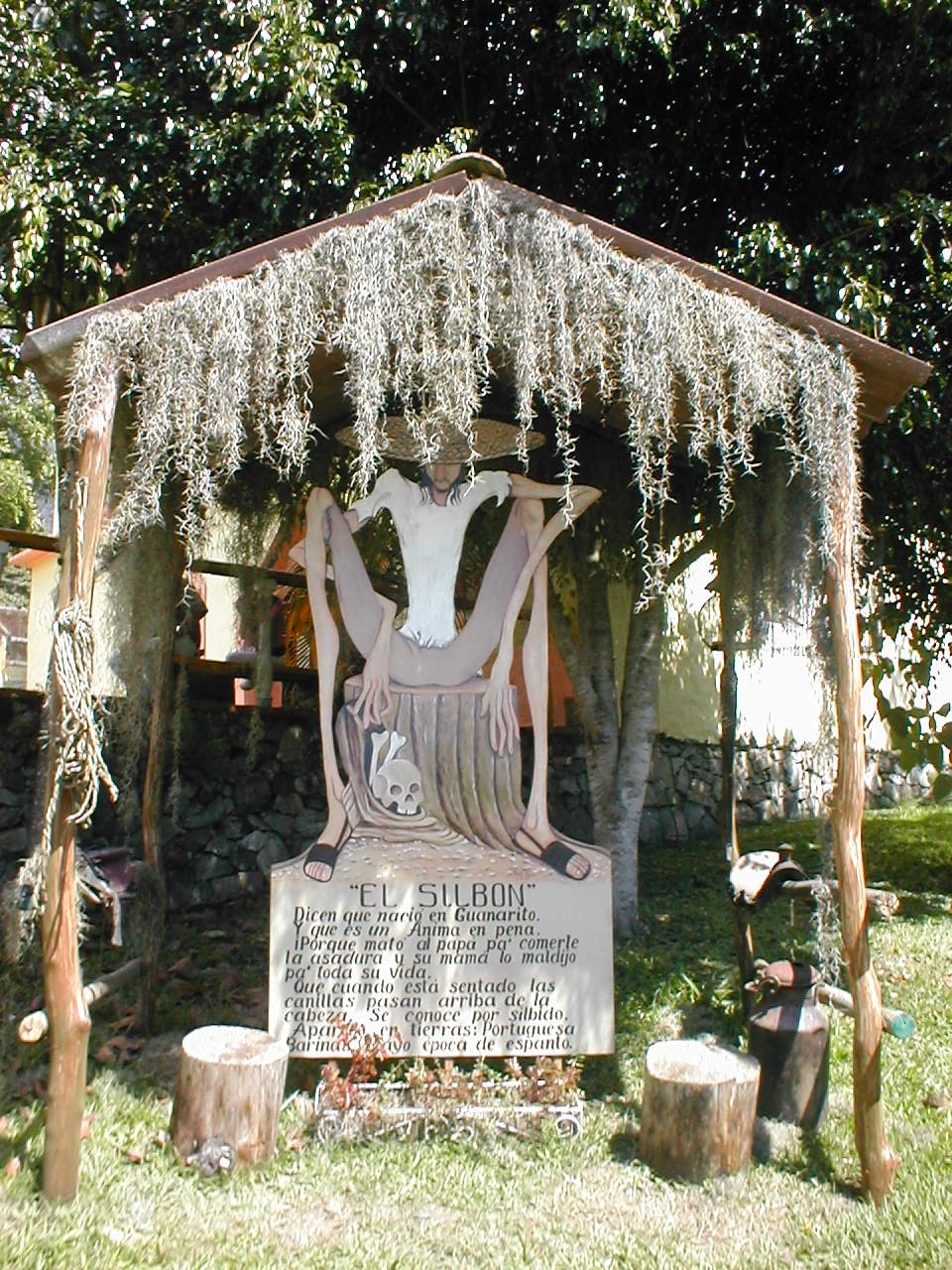 🇻🇪 Venezuela and 1 moreEl Silbón
A Venezuelan and Colombian legend of a cursed spirit who carries his father's bones.Figure · Cursing and harm · Seeing and foretelling Legendary
🇮🇪 IrelandBodach
A Gaelic trickster figure used to frighten children and warn of deathFigure · Cursing and harm · Seeing and foretelling Historical
🇮🇪 IrelandThe MorríganMórrígan
An Irish goddess of war, fate, and sovereignty who appears as a crow or shape-shifter.Figure · Seeing and foretelling · Cursing and harm Legendary
🇻🇪 Venezuela and 1 moreEl Silbón
A Venezuelan and Colombian legend of a cursed spirit who carries his father's bones.Figure · Cursing and harm · Seeing and foretelling Legendary
🇮🇪 IrelandBodach
A Gaelic trickster figure used to frighten children and warn of deathFigure · Cursing and harm · Seeing and foretelling Historical
🇮🇪 IrelandThe MorríganMórrígan
An Irish goddess of war, fate, and sovereignty who appears as a crow or shape-shifter.Figure · Seeing and foretelling · Cursing and harm Legendary
Photo credits on this page
The small pictures above come from Wikimedia Commons under free licences. Some are cropped to fit.
- Cumaean Sibyl: Elihu Vedder, Public domain, source
- White Lady: engraved by Ames of Bristol (according to Fincham, Artists and engrave, Public domain, source
- William Lilly: Simon Harriyott, CC BY 2.0, source
- Mother Shipton: Unknown author, Public domain, source
- Michael Scot: Unknown author, Public domain, source
- He Xiangu: Zhang Lu, Public domain, source
- Myrddin Wyllt: Rosser1954 Roger Griffith, Public domain, source
- Cassandra: George Romney, Public domain, source
- Tiresias: Pietro della Vecchia, Public domain, source
- Medea: Frederick Sandys, Public domain, source
- El Silbón: María Auxiliadora Ramírez Prato, CC BY-SA 3.0, source