Magicians, witches and legendary figures
The wise woman, the sorcerer, the legendary mage: Merlin, Baba Yaga, Circe and their kin.
Magical figures are the people, real and legendary, who stand for magic: Merlin, Baba Yaga, Circe, Hermes Trismegistus, Dr John Dee, Madame Blavatsky, the sorcerer in a village story, the Bulgarian seer Baba Vanga, and the performers Houdini and Chung Ling Soo. Some lived, some are composite, and some are pure myth. This page looks at who becomes a magic figure, and why. They are described here as stories and as history, and kept apart.
Who becomes a figure
Figures often sit at the edge of society. In many stories the witch is an older woman living alone, the sorcerer a foreigner or a rival tribe, the wise man a hermit. Real figures include John Dee, adviser to Elizabeth I, and Agrippa, whose De occulta philosophia (1533) shaped European occultism. Others are legend: Merlin appears in Welsh and French tales, and Baba Yaga is a Slavic folk figure who both helps and threatens.
Gender and reputation
The witch figure has been mostly female in Europe, where trials in the sixteenth and seventeenth centuries killed tens of thousands of people, most of them women. In other places accusation falls on men, on the old, on the poor or on the outsider. The learned magician, by contrast, was often male, literate and protected by rank, a division that shows how class shaped who was punished. Not every figure carries a stigma: Chinese immortals, Indian rishis and Irish saints are honoured, and the line between holy person and magician depends on who is telling the story.
Colonial and modern use
Missionary and colonial writers often cast African and Indigenous healers as the witch-doctor, a term most communities reject. The word covers healers, diviners and rulers who had very different roles. Today, figures are re-used in fantasy and branding. The Merlin of modern fantasy films is a long way from the Welsh Myrddin, and the name of a real tradition may be turned into a costume. Their stories have also been tools of politics: rulers have claimed legendary magicians as ancestors, and enemies have painted rivals as sorcerers to justify their removal.
Scholars and the real person
Historians separate documented people from legend and warn that many reports of magicians were written by their enemies. Evidence for some famous names, including Hermes Trismegistus, who was long thought to be an Egyptian sage, turned out to be later Greek-language writings. Treating a figure as legend rather than biography is no insult to those who revere them. A figure who may be a real person with a name, a date and a grave belongs in a different category from a legend, even when popular memory blends them, and the entries here try to keep them separate.
Figure on EveryJaadu
The entries written up so far, best known first.
 🇮🇳 IndiaBamakhepaবামাখ্যাপা
A Bengali Hindu saint known for his devotion to Goddess Tara and meditation in cremation grounds.Figure · Speaking with spirits and the dead Historical
 🇮🇩 IndonesiaRangdaᬭᬗ᭄ᬤ
A Balinese demon queen who leads witches in an eternal battle against good.Being · Cursing and harm · Wonder and entertainment Legendary
 🇮🇳 India and 1 moreYoginiयोगिनी
A female master of yoga and tantra, or a fierce goddess aspect worshipped in open-air shrines.Tradition · Power and authority · Protection Historical
 🇳🇵 Nepal and 1 moreMatsyendranathMacchindranāth, Mīnanātha
A yogi and rain deity revered across Hindu and Buddhist traditions in South Asia.Figure · Power and authority · Wonder and entertainment Living
 🇨🇳 ChinaNüwa女媧
A Chinese mother goddess who created humanity and repaired the skyFigure · Wonder and entertainment Legendary
 🇮🇳 India and 2 moreGorakhnathगोरक्षनाथ
A Hindu yogi and saint who founded the Nath monastic order in India.Figure · Power and authority · Speaking with spirits and the dead Living
 🇲🇽 Mexico and 5 morePersonifications of death
Figures from many cultures that embody the end of life and guide soulsFigure · Speaking with spirits and the dead Living
 🇮🇳 India and 1 moreRavanaरावण (Rāvaṇa)
A ten-headed demon king of Lanka and a devoted follower of Shiva in Hindu tradition.Figure · Cursing and harm · Power and authority Legendary
 🇷🇸 Serbia and 5 moreWolves in folklore, religion and mythology
A global survey of how cultures view the wolf as symbol, spirit or threatBelief · Power and authority · Cursing and harm Historical
 🇵🇰 PakistanPir Pithoro
A Sufi saint revered by the Meghwar community in Sindh, Pakistan.Figure · Protection Living
🇮🇳 India and 1 moreRani Bhatiyani
A Rajput princess said to have become a guardian goddess of Rajasthan and SindhBeing · Protection · Speaking with spirits and the dead Living
 🇮🇳 IndiaArya Poonkani
A Hindu goddess of North Malabar, performed in Theyyam ritual with a Muslim sailor companion.Figure · Speaking with spirits and the dead Living
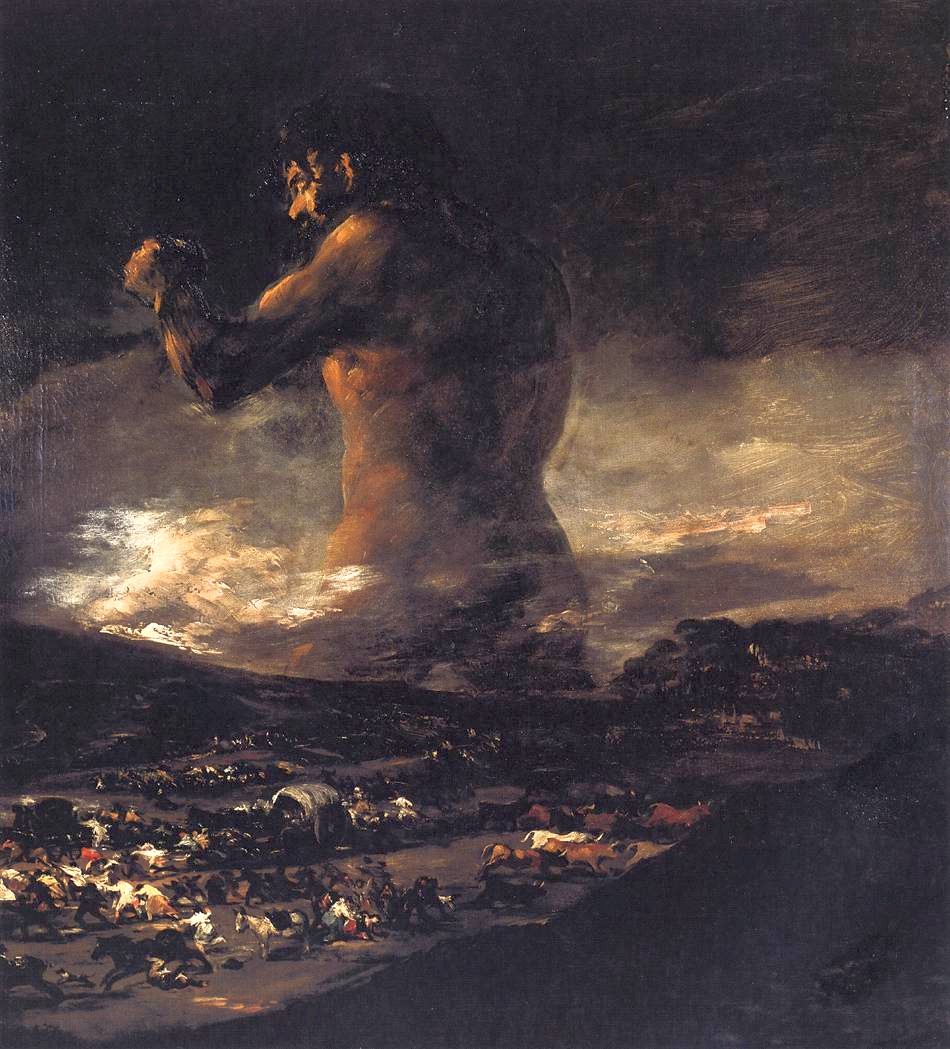 🇨🇱 Chile and 1 moreGiant
Mythic humanoids of immense size and strength found in global folklore and ancient textsFigure · Wonder and entertainment Legendary
 🇮🇳 India and 1 moreVimanaविमान
Mythological flying palaces and chariots from Hindu and Jain textsFigure · Wonder and entertainment Legendary
🇮🇳 IndiaTarakeshwaraतारकेश्वर (Tārakeśvara)
A form of Shiva who guides souls to liberation through sacred mantrasFigure · Speaking with spirits and the dead · Change and initiation Living
 🇮🇩 IndonesiaGajamina
An elephant-headed fish creature used in Balinese sarcophagi and star namesBeing · Wonder and entertainment Legendary
 🇪🇬 Egypt and 1 moreOuroborosοὐροβόρος
An ancient image of a serpent eating its own tail, symbolizing cycles and wholenessFigure · Power and authority · Wonder and entertainment Historical
🇮🇳 IndiaHenjunaha and LairoulembiHensunaha Lailoulempi
A Meitei epic of lovers who die and return from the underworld through devotion.Figure · Love and attraction Legendary
 🇮🇳 India and 1 moreIravanஅரவான்
A Hindu deity worshipped as a severed head for healing and protectionFigure · Healing · Protection Living
 🇮🇳 IndiaJakh Botera
Seventy-two horsemen deities honoured in Kutch, IndiaBeing · Protection · Healing Living
 🇮🇳 IndiaKathivanoor Veeran
A deified warrior of North Malabar, Kerala, whose legend is danced as a Theyyam riteFigure · Love and attraction · Speaking with spirits and the dead Living
 🇮🇳 IndiaPulimaranja Thondachan
A theyyam deity of North Malabar, born from a shapeshifter who became a leopard.Figure · Protection · Power and authority Living
Photo credits on this page
The small pictures above come from Wikimedia Commons under free licences. Some are cropped to fit.
- Giant: Attributed to Francisco Goya, Public domain, source
- Wolves in folklore, religion and mythology: Unknown author, CC0, source
- Gajamina: Youla Azkarrula, CC BY 4.0, source
- Bamakhepa: Pinakpani, CC BY-SA 4.0, source
- Rangda: Boy Lawson, CC BY-SA 3.0, source
- Personifications of death: No machine-readable author provided. Kirtap assumed (based on copyrigh, CC BY 2.5, source
- Gorakhnath: Anandanath, CC BY-SA 4.0, source
- Yogini: Soumendra Barik, CC BY-SA 3.0, source
- Matsyendranath: Unknown author, Public domain, source
- Nüwa: 山胖z, CC BY 3.0, source
- Ravana: Gita Press Gorakhpur, CC0, source
- Ouroboros: Djehouty, CC BY-SA 4.0, source
- Iravan: Chainwit., CC BY-SA 4.0, source
- Jakh Botera: Nizil Shah and Bhavya Shah, CC BY-SA 4.0, source
- Kathivanoor Veeran: Uajith, CC BY-SA 4.0, source
- Pulimaranja Thondachan: Uajith, CC BY-SA 4.0, source
- Pir Pithoro: Missbaloch, CC BY-SA 4.0, source
- Arya Poonkani: Shagil Kannur, CC BY-SA 3.0, source
- Vimana: thesandiegomuseumofartcollection, Public domain, source