
Personifications of death
Figures from many cultures that embody the end of life and guide souls
Across the world, people have given human form to the end of life. These figures range from stern judges to gentle guides. They appear in myths, folk saints, and modern stories.
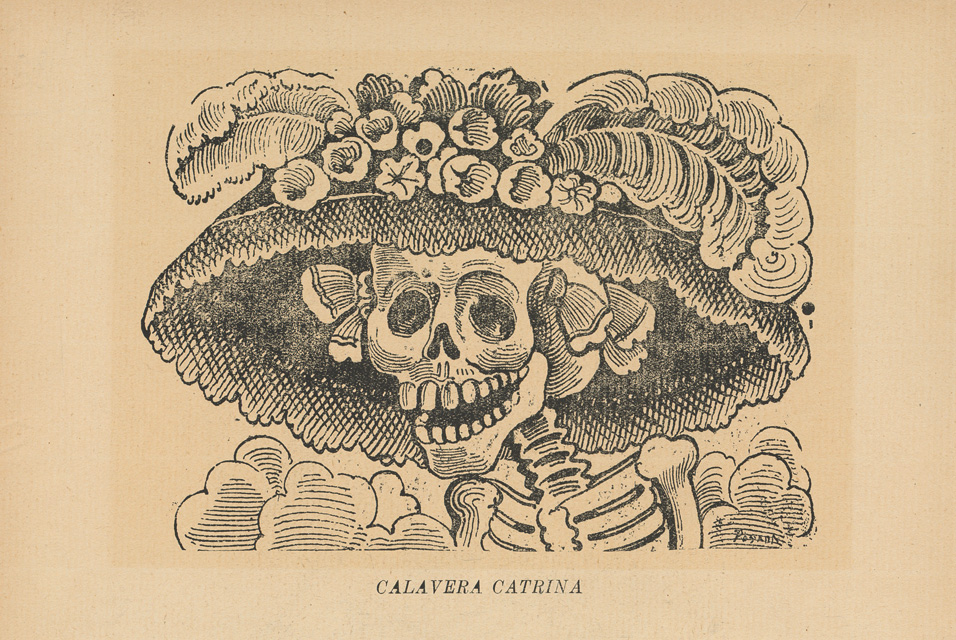
- Santa Muerte is a popular Mexican folk saint depicted as a skeleton
- Yama rules the underworld in Hindu and Buddhist traditions
- The Gede spirits embody death and fertility in Haitian Vodou
- Mictecacihuatl was the Aztec queen of the underworld
- Thanatos guided souls in Greek mythology
What it is
People around the world have long imagined death as a being rather than an abstract idea. Some see this figure as a collector who brings an end to life. Others view it as a psychopomp, a helper who gently leads the soul away from the body without deciding when that moment arrives. The most famous Western image is the Grim Reaper, a skeleton in a robe holding a scythe. However, many cultures picture death as female. In Spanish-speaking lands, the word for death is feminine, leading to female personifications like Santa Muerte. Other traditions show death as a judge or a bureaucrat. These figures help communities understand the transition from life to the afterlife.
Where it comes from
The concept of a death figure appears in ancient texts and oral traditions. In Aztec mythology, Mictecacihuatl ruled the underworld and watched over bones. Her role evolved into the modern Day of the Dead celebrations. In Greece, Thanatos was the son of Night and served as a guide. In the Levant, the god Mot represented death itself. These early figures were not just scary monsters but essential parts of the cosmic order. Over time, local beliefs mixed with new religions. For example, Yama entered Chinese mythology through Buddhism. In Latin America, indigenous views of death blended with Spanish Catholicism to create unique folk saints like San La Muerte.
How it is done
These figures are not performed in rituals by practitioners in the way a stage magician works. Instead, they are invoked or remembered during specific times. Devotees of Santa Muerte pray to her for protection and justice. Followers of San La Muerte carry small statues for safety. In Korea, the Jeoseung Saja is believed to read a list of names to claim souls. In Ireland, the Banshee is said to wail to announce a passing. These interactions are passive; the figure appears or is worshipped, rather than being acted upon by a ritual script.
Tools and materials
Common symbols include skeletons, robes, and scythes. The Grim Reaper uses a scythe to harvest souls. Aztec gods wore headdresses with owl feathers and necklaces of eyeballs. The Korean emissary carries a red cloth list named Jeokpaeji. The Irish Dullahan rides black horses and carries a whip made from a spine. The Haitian Gede spirits wear top hats and cross canes. These items represent authority, the finality of death, or the journey to the next world.
Personifications of death, drawn and placed
- Living
- Revived
- Fading
- Historical
- Legendary
- Performed
What it is for
People turn to these figures for different reasons. Some seek protection from harm, while others ask for justice or healing. San La Muerte is often called upon by prisoners and those facing danger. Santa Muerte is asked for help in legal matters and personal safety. In Hindu belief, Yama ensures karmic balance, so prayers focus on moral conduct. The psychopomp figures are respected as necessary guides. They do not cause death but manage its aftermath, offering a sense of order to a chaotic event.
Peoples and places
Latin American cultures strongly feature female death figures. Mexican devotion to Santa Muerte has grown significantly, even spreading to the United States. Paraguayan and Argentine traditions honor San La Muerte. Haitian Vodou includes the Gede family. In Asia, Yama is central to Hindu and Buddhist cosmologies. East Asian folklore features various underworld kings. European traditions include the Celtic Banshee and the Greek Thanatos. Each culture shapes the figure to reflect its own values about justice, family, and the soul.
At a glance: who, where and when



What people believe
Many believe death is a natural transition managed by spiritual forces. The psychopomp model suggests death is not a punishment but a guided passage. Karmic systems, like those involving Yama, view death as a judgment based on past actions. Folk saints are seen as powerful intercessors who can influence fate. Skeptics view these figures as psychological tools to cope with grief. Anthropologists note that personifying death helps societies process loss and maintain social norms regarding morality and respect for ancestors.
Cautions and what is closed
Some religious authorities condemn folk saints. The Catholic Church has criticized San La Muerte and Santa Muerte for mixing pagan elements with Christian faith. Accusations of witchcraft sometimes arise against those who venerate these figures. In some regions, carrying images of skeletal saints can lead to social stigma or legal trouble. Practitioners must navigate the line between accepted religion and forbidden superstition depending on their local context.
Compare and confuse
The Grim Reaper is often confused with all death figures, but it is specifically a Western literary invention. It differs from the gentle psychopomps of Greece or Korea. Santa Muerte is distinct from San La Muerte despite similar names; one is female and Mexican, the other male and Paraguayan. The Banshee is a herald, not a collector. These comparisons show how different cultures solve the same problem: making sense of the end of life.
Questions people ask about Personifications of death
Who is Santa Muerte?
She is a female folk saint in Mexican culture, depicted as a skeleton. Devotees pray to her for protection and justice, though the Catholic Church opposes the devotion.
What is a psychopomp?
A psychopomp is a spirit or figure that guides souls to the afterlife. Unlike the Grim Reaper, a psychopomp does not cause death but helps the deceased transition peacefully.
Is death always shown as male?
No. While the Grim Reaper is male, many cultures depict death as female. Examples include Marzanna in Slavic myth, Mictecacihuatl in Aztec tradition, and Santa Muerte in Mexico.
Who is Yama?
Yama is the lord of death in Hindu and Buddhist traditions. He judges souls based on their karma and decides their next rebirth, riding a black buffalo.
Good reading and sources
- Personifications of death on WikipediaEncyclopedia
- More photos on Wikimedia CommonsPhotos and video
- Wikidata recordOpen data
The facts on this page come from the Wikipedia article "Personifications of death", written by its contributors and used under the CC BY-SA 4.0 licence, and from its Wikidata record (CC0). EveryJaadu rewrote the text in its own words, with AI assistance, and compares every page with the article to make sure no passage is copied. It may be reused under the same CC BY-SA 4.0 licence with a link back.
It may contain mistakes. Names and customs differ from one community to the next, and some knowledge is closed to outsiders and left out here. This page describes belief and practice. It does not say that any of it works, it is not a how-to, and it is not medical advice. If something is wrong, tell us. Last refreshed 2026-10-06.
More from Mexico
All the entries from Mexico 🇲🇽 MexicoNagualnāhualli
A Mesoamerican belief in humans who shapeshift into animal counterparts.Belief · Power and authority · Cursing and harm Living
🇲🇽 MexicoNagualnāhualli
A Mesoamerican belief in humans who shapeshift into animal counterparts.Belief · Power and authority · Cursing and harm Living
 🇲🇽 Mexico and 5 moreLa Llorona
A vengeful ghost in Hispanic American folklore who mourns drowned children near water.Figure · Cursing and harm Living
🇬🇹 Guatemala and 1 moreEl Sombrerón
A tall, hat-wearing figure from Guatemalan legend who courts young women and haunts neighborhoods at dusk.Figure · Love and attraction · Cursing and harm Legendary
🇲🇽 Mexico and 5 moreLa Llorona
A vengeful ghost in Hispanic American folklore who mourns drowned children near water.Figure · Cursing and harm Living
🇬🇹 Guatemala and 1 moreEl Sombrerón
A tall, hat-wearing figure from Guatemalan legend who courts young women and haunts neighborhoods at dusk.Figure · Love and attraction · Cursing and harm Legendary
 🇨🇺 Cuba and 2 moreSanteríaRegla de Ocha
An Afro-Cuban religion blending Yoruba beliefs with Catholicism and SpiritismTradition · Protection · Healing Living
🇨🇺 Cuba and 2 moreSanteríaRegla de Ocha
An Afro-Cuban religion blending Yoruba beliefs with Catholicism and SpiritismTradition · Protection · Healing Living
Related elsewhere
All figure 🇮🇳 IndiaChakraचक्र
Meditation points in the subtle body used in Hindu and Buddhist yogaTradition · Speaking with spirits and the dead · Change and initiation Living
🇮🇳 IndiaChakraचक्र
Meditation points in the subtle body used in Hindu and Buddhist yogaTradition · Speaking with spirits and the dead · Change and initiation Living
 🇮🇶 Iraq and 5 moreGrimoire
A textbook containing instructions for spells, rituals, and the creation of magical objects.Text · Protection · Healing Historical
🇮🇶 Iraq and 5 moreGrimoire
A textbook containing instructions for spells, rituals, and the creation of magical objects.Text · Protection · Healing Historical
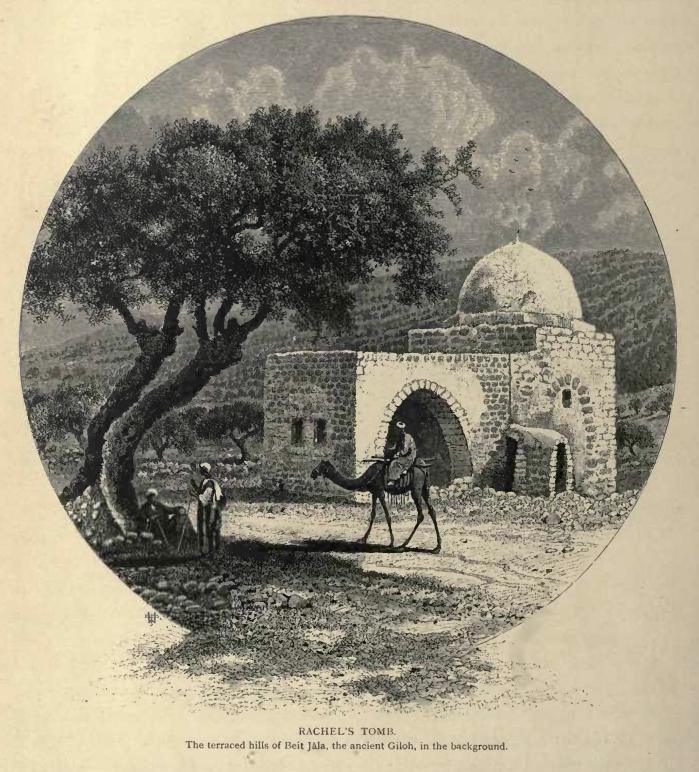 🇵🇸 Palestine and 1 moreRachel's TombQever Raḥel; Qabr Rāḥīl
A shared holy site near Bethlehem revered by Jews, Christians, and MuslimsTradition · Speaking with spirits and the dead · Protection Living
🇵🇸 Palestine and 1 moreRachel's TombQever Raḥel; Qabr Rāḥīl
A shared holy site near Bethlehem revered by Jews, Christians, and MuslimsTradition · Speaking with spirits and the dead · Protection Living
 🇸🇳 Senegal and 1 moreSerer religionA ƭat Roog
The traditional faith of the Serer people, centred on the supreme deity Roog and ancestral veneration.Tradition · Protection · Speaking with spirits and the dead Living
🇸🇳 Senegal and 1 moreSerer religionA ƭat Roog
The traditional faith of the Serer people, centred on the supreme deity Roog and ancestral veneration.Tradition · Protection · Speaking with spirits and the dead Living