Sayona
from the cloth of her long white dress
A vengeful Venezuelan ghost who hunts men for breaking marital vows
La Sayona is a legendary spirit from Venezuela that targets unfaithful husbands. She appears as a beautiful woman or in a long white dress to lure victims before revealing a skull-like face to frighten or kill them.
- La Sayona is a vengeful spirit from Venezuela.
- She targets men who commit adultery.
- Her name comes from her long white dress.
- She reveals a skull face to frighten victims.
- Origin story involves burning her husband and mother-in-law.
What it is
La Sayona is a figure from Venezuelan folklore described as a vengeful female spirit. She is known for appearing only to men who have committed adultery. The legend claims she manifests to punish these men for their infidelity. Her name refers to the long white dress she wears, which resembles a medieval undergarment. She is often seen asking for a ride or appearing in remote areas to lure unsuspecting travelers.
Where it comes from
The origin story centers on a young woman named Casilda who lived in the Venezuelan plains. After discovering her husband was having an affair with her mother, she burned down their home and killed her mother-in-law with a machete. Before dying, her mother-in-law cursed Casilda to avenge all women by killing unfaithful husbands. This act transformed her into La Sayona. Other versions suggest she appears to men working in the jungle who discuss sex or think of abandoned lovers.
How it is done
She typically approaches men alone, often posing as a beautiful woman or a loved one. In some accounts, she asks for a ride in a vehicle. When the victim attempts to look at her face, she reveals a skull with horrible teeth. In other variations, she lures men into the forest where she reveals animal-like features. She then devours or mangles them, leaving their bodies for companions to find.
Tools and materials
Her primary tool is a machete, used in her transformation story. She wears a long white dress that gives her name. In the jungle versions, she uses her appearance as a lure. The environment itself, such as dark roads or dense forests, serves as a setting for her encounters. The skull face is a key visual element used to terrify victims.
Sayona, drawn and placed
- Living
- Revived
- Fading
- Historical
- Legendary
- Performed
- Lineage
- South American mythology
- Timing
- at night on roads or in the jungle
What it is for
Her purpose is retribution against men who break marital vows. She acts as a supernatural enforcer of fidelity. The curse placed upon her dictates that she must avenge women through violence. She targets those who cheat on their spouses or abandon their partners. Her actions serve as a warning about the consequences of infidelity within the cultural narrative.
Who does it
There are no practitioners of La Sayona. She is a subject of folk tales and legends rather than a ritual practice. People tell her story to warn against bad behavior. Scholars study her as part of South American mythology. The figure exists in the realm of storytelling and local belief systems without organized worship.
Peoples and places
The legend is specific to Venezuela and its people. It is part of the broader South American mythological tradition. Similar figures exist in other cultures, such as La Llorona or the Succubus. These comparisons highlight common themes of vengeful female spirits. The Venezuelan version emphasizes the specific context of marital betrayal and rural life.
At a glance: who, where and when
Peoples
What people believe
The belief system involves a curse that transforms a murderer into a ghost. Spirits can be bound by words spoken at the moment of death. Vengeance is a powerful force that transcends mortality. The dead can return to enforce moral codes. Infidelity is treated as a grave sin warranting supernatural punishment. The spirit world interacts directly with human actions.
When it is done
No specific calendar dates are associated with La Sayona. She appears whenever conditions are met, such as a man being unfaithful. Encounters happen at night or in isolated locations. There are no festivals dedicated to her. Her presence is tied to individual actions rather than seasonal cycles.
How scholars and sceptics see it
Scholars view La Sayona as a component of South American mythology. Anthropologists analyze her role in enforcing social norms regarding marriage. Historians place her in the context of Venezuelan folklore. Psychologists might interpret her as a manifestation of guilt or fear. Sceptics see her as a cautionary tale rather than a real entity.
Cautions and what is closed
The legend warns of physical harm and death for unfaithful men. Victims may be devoured or mutilated by the spirit. Stories describe gruesome outcomes to emphasize the danger. There is no risk of fraud or legal issues associated with the legend itself. The harm is purely fictional within the narrative framework.
Compare and confuse
La Sayona is related to other vengeful female spirits like La Llorona. She shares traits with the Succubus in her use of sexual allure. The figure of Patasola also involves a dangerous female entity in the jungle. These comparisons show regional variations on similar themes. The core idea of a woman punished for violence becoming a monster is common.
Questions people ask about Sayona
What is La Sayona?
La Sayona is a legendary vengeful spirit from Venezuelan folklore. She appears to men who have cheated on their wives. Her name refers to the long white dress she wears during her appearances.
Why does La Sayona hunt men?
She hunts men because of a curse placed on her after she killed her unfaithful husband and mother-in-law. The curse required her to avenge all women by killing their cheating partners.
How does La Sayona appear?
She often appears as a beautiful woman asking for a ride. When victims look at her face, she reveals a skull with horrible teeth. In jungle versions, she mimics loved ones to lure victims.
Where does this legend come from?
The legend originates in Venezuela, specifically in the plains regions. It is part of South American mythology and reflects local cultural values regarding marriage and fidelity.
Good reading and sources
The facts on this page come from the Wikipedia article "Sayona", written by its contributors and used under the CC BY-SA 4.0 licence, and from its Wikidata record (CC0). EveryJaadu rewrote the text in its own words, with AI assistance, and compares every page with the article to make sure no passage is copied. It may be reused under the same CC BY-SA 4.0 licence with a link back.
It may contain mistakes. Names and customs differ from one community to the next, and some knowledge is closed to outsiders and left out here. This page describes belief and practice. It does not say that any of it works, it is not a how-to, and it is not medical advice. If something is wrong, tell us. Last refreshed 2026-10-06.
More from Venezuela
All the entries from Venezuela 🇲🇽 Mexico and 5 moreLa Llorona
A vengeful ghost in Hispanic American folklore who mourns drowned children near water.Figure · Cursing and harm Living
🇲🇽 Mexico and 5 moreLa Llorona
A vengeful ghost in Hispanic American folklore who mourns drowned children near water.Figure · Cursing and harm Living
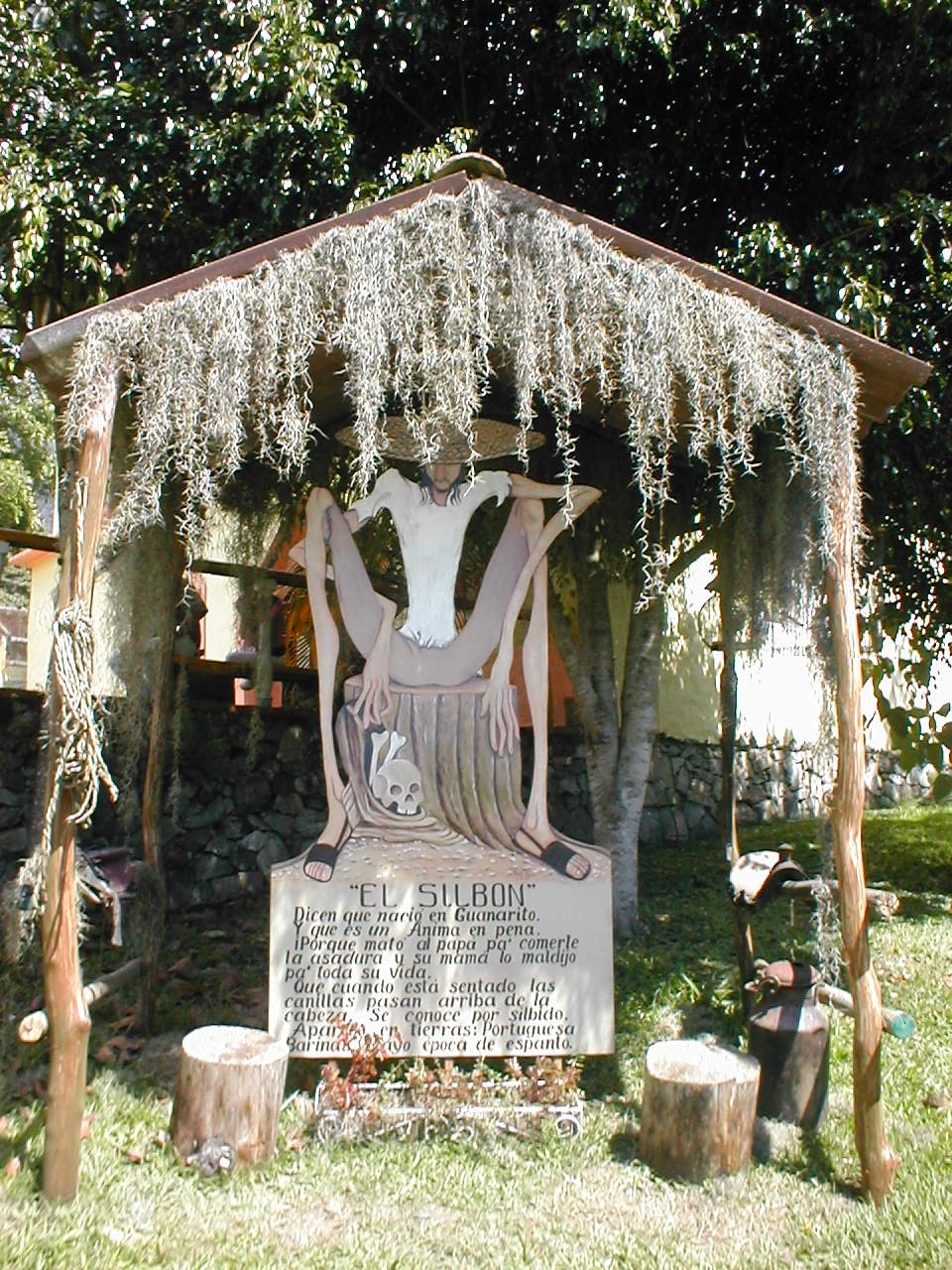 🇻🇪 Venezuela and 1 moreEl Silbón
A Venezuelan and Colombian legend of a cursed spirit who carries his father's bones.Figure · Cursing and harm · Seeing and foretelling Legendary
🇻🇪 Venezuela and 1 moreEl Silbón
A Venezuelan and Colombian legend of a cursed spirit who carries his father's bones.Figure · Cursing and harm · Seeing and foretelling Legendary
 🇨🇺 Cuba and 5 morePalo
An Afro-Cuban religion centered on spirit vessels and ancestral powerTradition · Healing · Cursing and harm Living
🇨🇺 Cuba and 5 morePalo
An Afro-Cuban religion centered on spirit vessels and ancestral powerTradition · Healing · Cursing and harm Living
 🇵🇪 Peru and 5 morePalo Santo
Aromatic wood used in South American ritual cleansing and folk medicineSubstance · Cleansing and purification · Healing Living
🇵🇪 Peru and 5 morePalo Santo
Aromatic wood used in South American ritual cleansing and folk medicineSubstance · Cleansing and purification · Healing Living
Related elsewhere
All figure 🇷🇸 Serbia and 5 moreVampire
An undead creature from folklore that feeds on the blood or life force of the livingBeing · Cursing and harm · Luck and prosperity Legendary
🇷🇸 Serbia and 5 moreVampire
An undead creature from folklore that feeds on the blood or life force of the livingBeing · Cursing and harm · Luck and prosperity Legendary
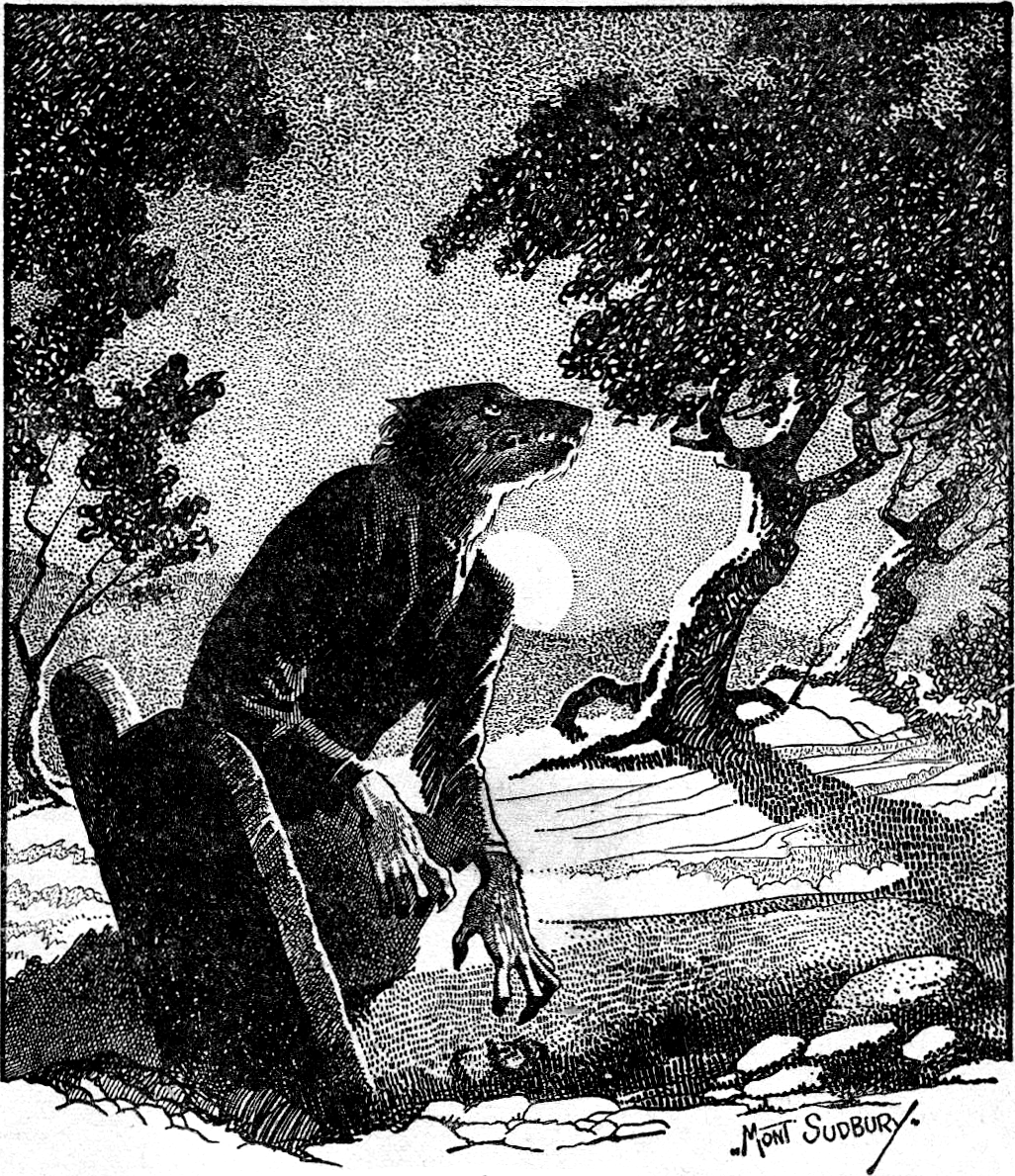 🇫🇷 France and 5 moreWerewolf
A mythical shapeshifter that turns into a wolf, central to European witch-hunts and Gothic horror.Being · Cursing and harm · Wonder and entertainment Legendary
🇫🇷 France and 5 moreWerewolf
A mythical shapeshifter that turns into a wolf, central to European witch-hunts and Gothic horror.Being · Cursing and harm · Wonder and entertainment Legendary
 🇪🇬 Egypt and 1 moreLilithלִילִית
A feminine figure from Mesopotamian and Jewish mythology, often depicted as a night demon or spirit.Being · Cursing and harm Legendary
🇪🇬 Egypt and 1 moreLilithלִילִית
A feminine figure from Mesopotamian and Jewish mythology, often depicted as a night demon or spirit.Being · Cursing and harm Legendary
 🇪🇬 EgyptCurse
A spoken wish for misfortune to befall a person or placeBelief · Cursing and harm · Luck and prosperity Historical
🇪🇬 EgyptCurse
A spoken wish for misfortune to befall a person or placeBelief · Cursing and harm · Luck and prosperity Historical