
John Frum
Possibly a corruption of 'John from America', though it may simply mean 'John from' anywhere outside Vanuatu.
A Melanesian cargo cult figure on Tanna Island who promises wealth and the return of American supplies.
John Frum is a legendary messianic figure central to a cargo cult on the island of Tanna in Vanuatu. Followers believe he is an American serviceman or spirit who will return with vast amounts of material goods, known as cargo, if they maintain traditional customs and reject Western influence.
- John Frum is a legendary figure on Tanna Island, Vanuatu.
- Followers believe he brings cargo (wealth) if they keep kastom.
- The movement began in the late 1930s or earlier.
- American troops in WWII inspired the cargo expectations.
- February 15 is John Frum Day, marked by parades.
What it is
John Frum is a spiritual and political figure revered in a specific movement on the island of Tanna in Vanuatu. He is widely depicted as an American soldier from World War II or a manifestation of a local deity named Keraperamun. The core belief holds that John Frum will return to bring immense wealth, food, clothing, and modern technology, referred to collectively as 'cargo'. This promise is tied to a strict adherence to traditional ways of life, known locally as kastom, and a rejection of European colonial structures, Christianity, and Western education. The movement functions as both a religious faith and a form of cultural resistance against external powers.
Where it comes from
The movement likely emerged in the late 1930s, though some accounts suggest origins as early as the 1910s. It grew out of existing spiritual practices in the Sulphur Bay area, particularly the worship of the god Keraperamun associated with Mount Tukosmera. One narrative claims a native man named Manehivi used the alias 'John Frum' to appear among locals, promising prosperity. Another view suggests the figure arose from visions induced by kava. The movement gained significant momentum during World War II when thousands of Ni-Vanuatu men worked alongside American troops, witnessing the arrival of massive quantities of supplies. After the war, followers built symbolic airstrips to encourage planes to land and deliver more cargo.
How it is done
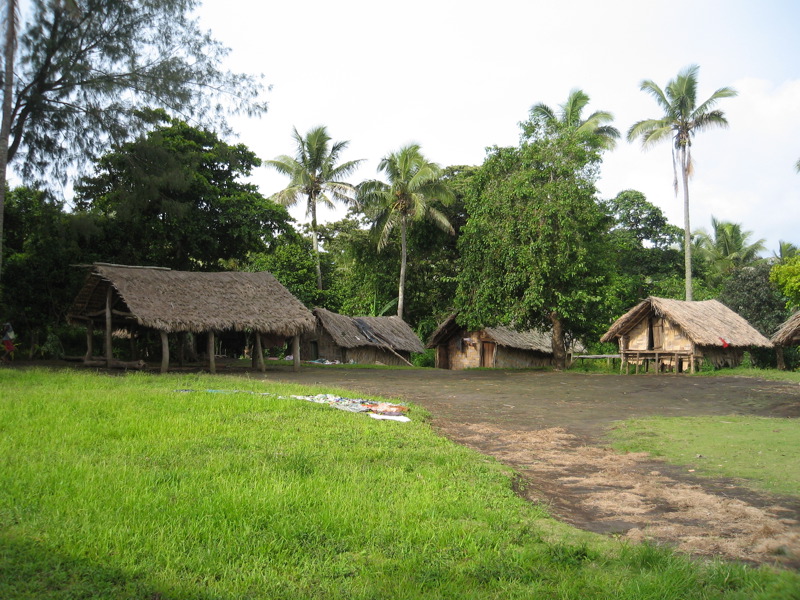
Practitioners observe rituals designed to welcome John Frum and his cargo. A key event is the annual parade held on February 15, known as John Frum Day. Participants wear imitation American military attire, including singlets marked 'T-A USA', and carry fake bamboo rifles. They march in formation around the island, reenacting military drills. Historically, followers have engaged in acts of economic withdrawal, such as burning money or abandoning plantations, to demonstrate their commitment to traditional values over Western capitalism. In Lamakara village, these ceremonies remain a central part of community life.
Tools and materials
The movement utilizes symbolic props to represent the American presence. These include imitation uniforms, caps, and weapons made from bamboo. Followers also construct mock airstrips and runways intended to guide aircraft to their villages. Kava, a psychoactive plant, is sometimes cited in historical analyses as a substance used to induce visions of the figure. The physical tools are less about magical efficacy and more about performing a narrative of anticipation and cultural identity.
John Frum, drawn and placed
- Living
- Revived
- Fading
- Historical
- Legendary
- Performed
- Lineage
- Cargo cult movement influenced by local worship of Keraperamun
- Timing
- Annually on February 15
What it is for
The primary intent is the acquisition of material wealth and the restoration of indigenous autonomy. Followers believe that by maintaining kastom and rejecting foreign influences, they will trigger John Frum's return. This return is expected to bring houses, clothes, and food, effectively ending poverty and colonial subjugation. The movement also serves a political purpose, offering a framework for resisting centralized government control and Christian missionary influence. It provides a sense of hope and agency in the face of rapid social change.
Who does it
The movement is primarily practiced by households and communities on Tanna, particularly in Lamakara. Leadership has historically been male-dominated, involving high-ranking chiefs. However, in 2011, Thitam Goiset, a woman of Vietnamese origin, served as president of the movement and its political wing, Nagriamel. Practitioners are chosen through community participation rather than formal initiation. The decline in membership, from over 5,000 in the 1990s to fewer than 500 today, reflects broader shifts toward Christianity and modernization across the island.
Peoples and places
The John Frum cult is specific to the Ni-Vanuatu people of Tanna Island in Vanuatu. It is distinct from other Melanesian movements but shares characteristics with cargo cults elsewhere in the Pacific. While most of Tanna has converted to Christianity, Lamakara remains a stronghold for the faith. The movement has influenced national politics through the Nagriamel party, which advocates for local customs over Western-style governance. Its appeal lies in its ability to merge indigenous spirituality with a critique of colonial history.
At a glance: who, where and when
Who does it
Peoples
Belief worlds
Occasions

What people believe
Believers hold that John Frum is either a human ancestor or a divine spirit linked to Keraperamun. He is said to come from South America or the United States. The theology posits a future age where all White people depart, leaving their goods behind for the native population. This belief requires a total rejection of European society, including money, schools, and churches. Followers argue that patience is essential, comparing their wait to the Christian expectation of Jesus' second coming. The movement views material wealth not as a commodity but as a right belonging to the indigenous people.
When it is done
The most significant date is February 15, observed annually as John Frum Day. This date marks the anticipated return of the figure and is celebrated with parades and rituals. Other events are tied to life cycles and local festivals, but the February celebration is the focal point of communal identity. The timing coincides with historical moments of tension between the movement and colonial authorities, reinforcing its significance as a day of remembrance and hope.
How scholars and sceptics see it
Anthropologists study the John Frum movement as a classic example of a cargo cult, analyzing how indigenous groups interpret and respond to contact with industrialized societies. Researchers note the movement's role in preserving cultural identity amid colonization. Some scholars suggest the figure originated from visions induced by kava, while others see it as a political strategy. Skeptics may view the beliefs as irrational, but anthropologists emphasize the logical internal consistency of the movement within its historical context. The decline in practice is often attributed to the success of Christianity and economic integration.
Cautions and what is closed
The movement has faced suppression from colonial and national governments. Leaders have been arrested, exiled, or jailed for organizing protests and maintaining separate institutions. In the 1950s, the 'Tanna Army' barricaded itself with real firearms after being stopped by authorities, leading to arrests. Today, the movement faces marginalization as Christianity dominates the island. There are no reported health risks from the rituals themselves, but the political tensions surrounding the group have occasionally led to violence. Outsiders are generally respected if they participate sincerely, though the movement is closed to those seeking to exploit it.
Compare and confuse
John Frum is similar to other Melanesian cargo cults, such as the Prince Philip Movement, which also awaited the return of outsiders with gifts. Unlike those focused on royalty, John Frum is specifically tied to American military presence. It differs from mainstream Christianity by rejecting biblical authority in favor of local prophecy. The name 'John Frum' is often confused with 'John from America,' highlighting the syncretic nature of the belief. Other figures in the region, like Keraperamun, provide the spiritual foundation for the cult.
Law and persecution
The movement was suppressed by French and British colonial authorities in the New Hebrides. Leaders were imprisoned and exiled for organizing anti-colonial activities. After Vanuatu gained independence, the movement retained legal status but lost political influence as Christianity spread. The government has tolerated the annual parades, recognizing them as cultural heritage. However, participants who engage in civil disobedience or refuse state services may face legal consequences. The Nagriamel party operates legally but has limited electoral success.
Today
In 2022, fewer than 500 practitioners remain, concentrated in Lamakara village. The movement has declined due to conversion to Christianity and the integration of Vanuatu into the global economy. Despite this, John Frum Day remains a public holiday, celebrated by many non-practitioners as a cultural event. The movement's legacy persists in Vanuatuan politics and identity. Some Europeans claim leadership roles, promising development, but these claims are often viewed with skepticism. The cult endures as a symbol of resilience and cultural pride.
Questions people ask about John Frum
Who is John Frum?
John Frum is a legendary messianic figure in a cargo cult on Tanna Island, Vanuatu. Followers believe he is an American soldier or spirit who will return with wealth and supplies if they maintain traditional customs.
Where does the belief come from?
The belief likely started in the late 1930s, influenced by local worship of Keraperamun and contact with American troops during World War II. It grew as a response to colonialism and the desire for indigenous autonomy.
What do followers do to welcome him?
Practitioners hold annual parades on February 15, wearing imitation military gear and carrying bamboo weapons. They also reject Western money and education to show commitment to traditional ways.
Is the movement still active?
Yes, but it has declined significantly. Fewer than 500 practitioners remain, mostly in Lamakara village. Most of Tanna has converted to Christianity, though John Frum Day is still a public holiday.
What is the connection to America?
The name may mean 'John from America.' Followers saw American soldiers bringing supplies during WWII and believed John Frum would return with more. They built mock airstrips to guide planes to their villages.
Good reading and sources
- Encyclopaedia BritannicaArticle
- ‘There was a prophecy I would come’: the western men who think they are South Pacific kingsThe Guardian, Article
- BBC NEWS | Asia-PacificBBC, Article
- John Frum on WikipediaEncyclopedia
- More photos on Wikimedia CommonsPhotos and video
- Wikidata recordOpen data
The facts on this page come from the Wikipedia article "John Frum", written by its contributors and used under the CC BY-SA 4.0 licence, and from its Wikidata record (CC0). EveryJaadu rewrote the text in its own words, with AI assistance, and compares every page with the article to make sure no passage is copied. It may be reused under the same CC BY-SA 4.0 licence with a link back.
It may contain mistakes. Names and customs differ from one community to the next, and some knowledge is closed to outsiders and left out here. This page describes belief and practice. It does not say that any of it works, it is not a how-to, and it is not medical advice. If something is wrong, tell us. Last refreshed 2026-10-06.
More from Vanuatu
All the entries from Vanuatu 🇻🇺 Vanuatu and 5 moreKava culture
A shared ritual across Oceania where a root brew marks ceremony, respect, and social gathering.Tradition · Speaking with spirits and the dead · Luck and prosperity Living
🇳🇿 New Zealand and 5 moreTapu
A Polynesian concept of sacred restriction and spiritual prohibitionTradition · Protection · Speaking with spirits and the dead Living
🇻🇺 Vanuatu and 5 moreKava culture
A shared ritual across Oceania where a root brew marks ceremony, respect, and social gathering.Tradition · Speaking with spirits and the dead · Luck and prosperity Living
🇳🇿 New Zealand and 5 moreTapu
A Polynesian concept of sacred restriction and spiritual prohibitionTradition · Protection · Speaking with spirits and the dead Living
 🇻🇺 Vanuatu and 3 moreKastom
A Melanesian term for traditional life, covering magic, law and ritualTradition · Speaking with spirits and the dead · Power and authority Living
🇻🇺 Vanuatu and 3 moreKastom
A Melanesian term for traditional life, covering magic, law and ritualTradition · Speaking with spirits and the dead · Power and authority Living
 🇻🇺 VanuatuLand divingnanggol
A ritual jump from a wooden tower using vines to ensure a good harvestRite · Protection · Speaking with spirits and the dead Living
🇻🇺 VanuatuLand divingnanggol
A ritual jump from a wooden tower using vines to ensure a good harvestRite · Protection · Speaking with spirits and the dead Living
Related elsewhere
All figure 🇮🇳 India and 5 moreAstrology
A divinatory practice that reads human fate through the positions of celestial bodies.Belief · Seeing and foretelling · Luck and prosperity Living
🇮🇳 India and 5 moreAstrology
A divinatory practice that reads human fate through the positions of celestial bodies.Belief · Seeing and foretelling · Luck and prosperity Living
 🇫🇷 FranceHoly GrailSaint Graal
A cup or stone from Arthurian tales that grants healing and eternal lifeFigure · Healing · Luck and prosperity Legendary
🇫🇷 FranceHoly GrailSaint Graal
A cup or stone from Arthurian tales that grants healing and eternal lifeFigure · Healing · Luck and prosperity Legendary
 🇨🇳 China and 3 moreChinese dragon龍
A legendary water deity and imperial symbol in East Asian cultureBeing · Protection · Luck and prosperity Historical
🇨🇳 China and 3 moreChinese dragon龍
A legendary water deity and imperial symbol in East Asian cultureBeing · Protection · Luck and prosperity Historical
 🇮🇹 ItalyCornicello
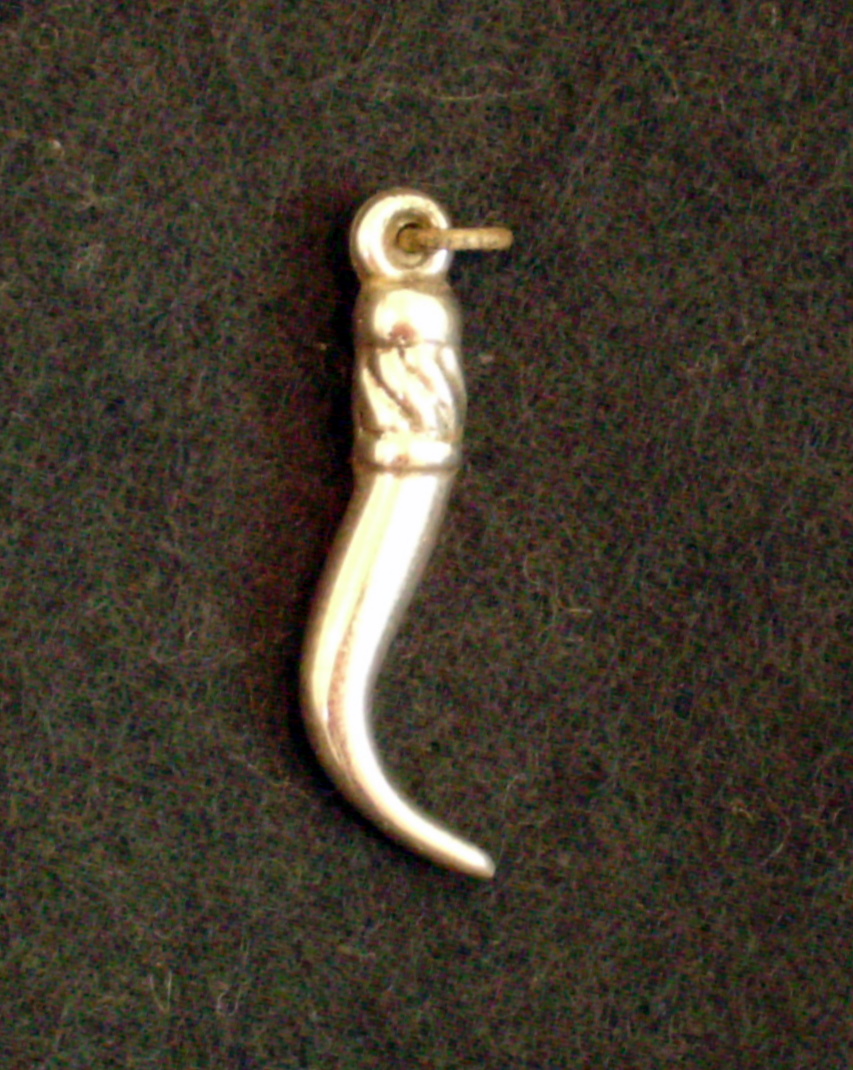
A twisted horn charm worn in Italy to ward off the evil eye and invite luck.Charm · Protection · Luck and prosperity Living
🇮🇹 ItalyCornicello
A twisted horn charm worn in Italy to ward off the evil eye and invite luck.Charm · Protection · Luck and prosperity Living