Magicians, witches and legendary figures
The wise woman, the sorcerer, the legendary mage: Merlin, Baba Yaga, Circe and their kin.
Magical figures are the people, real and legendary, who stand for magic: Merlin, Baba Yaga, Circe, Hermes Trismegistus, Dr John Dee, Madame Blavatsky, the sorcerer in a village story, the Bulgarian seer Baba Vanga, and the performers Houdini and Chung Ling Soo. Some lived, some are composite, and some are pure myth. This page looks at who becomes a magic figure, and why. They are described here as stories and as history, and kept apart.
Who becomes a figure
Figures often sit at the edge of society. In many stories the witch is an older woman living alone, the sorcerer a foreigner or a rival tribe, the wise man a hermit. Real figures include John Dee, adviser to Elizabeth I, and Agrippa, whose De occulta philosophia (1533) shaped European occultism. Others are legend: Merlin appears in Welsh and French tales, and Baba Yaga is a Slavic folk figure who both helps and threatens.
Gender and reputation
The witch figure has been mostly female in Europe, where trials in the sixteenth and seventeenth centuries killed tens of thousands of people, most of them women. In other places accusation falls on men, on the old, on the poor or on the outsider. The learned magician, by contrast, was often male, literate and protected by rank, a division that shows how class shaped who was punished. Not every figure carries a stigma: Chinese immortals, Indian rishis and Irish saints are honoured, and the line between holy person and magician depends on who is telling the story.
Colonial and modern use
Missionary and colonial writers often cast African and Indigenous healers as the witch-doctor, a term most communities reject. The word covers healers, diviners and rulers who had very different roles. Today, figures are re-used in fantasy and branding. The Merlin of modern fantasy films is a long way from the Welsh Myrddin, and the name of a real tradition may be turned into a costume. Their stories have also been tools of politics: rulers have claimed legendary magicians as ancestors, and enemies have painted rivals as sorcerers to justify their removal.
Scholars and the real person
Historians separate documented people from legend and warn that many reports of magicians were written by their enemies. Evidence for some famous names, including Hermes Trismegistus, who was long thought to be an Egyptian sage, turned out to be later Greek-language writings. Treating a figure as legend rather than biography is no insult to those who revere them. A figure who may be a real person with a name, a date and a grave belongs in a different category from a legend, even when popular memory blends them, and the entries here try to keep them separate.
Figure on EveryJaadu
The entries written up so far, best known first.
 🇫🇷 France and 2 moreKing ArthurBrenin Arthur
A legendary British king and folk hero of medieval literature and Welsh mythologyFigure · Power and authority · Wonder and entertainment Legendary
 🇪🇬 EgyptImhotepỉỉ-m-ḥtp
An ancient Egyptian architect deified as a god of healing and wisdomBeing · Healing · Power and authority Historical
 🇯🇵 JapanAshiya Dōman蘆屋道満
A legendary Heian onmyōji known for his rivalry with Abe no Seimei and his use of cursesFigure · Cursing and harm · Power and authority Legendary
 🇬🇧 United Kingdom and 3 moreEdward Kelley
An English occultist and scryer who worked with John Dee to contact angels and practice alchemy.Figure · Power and authority · Wonder and entertainment Historical
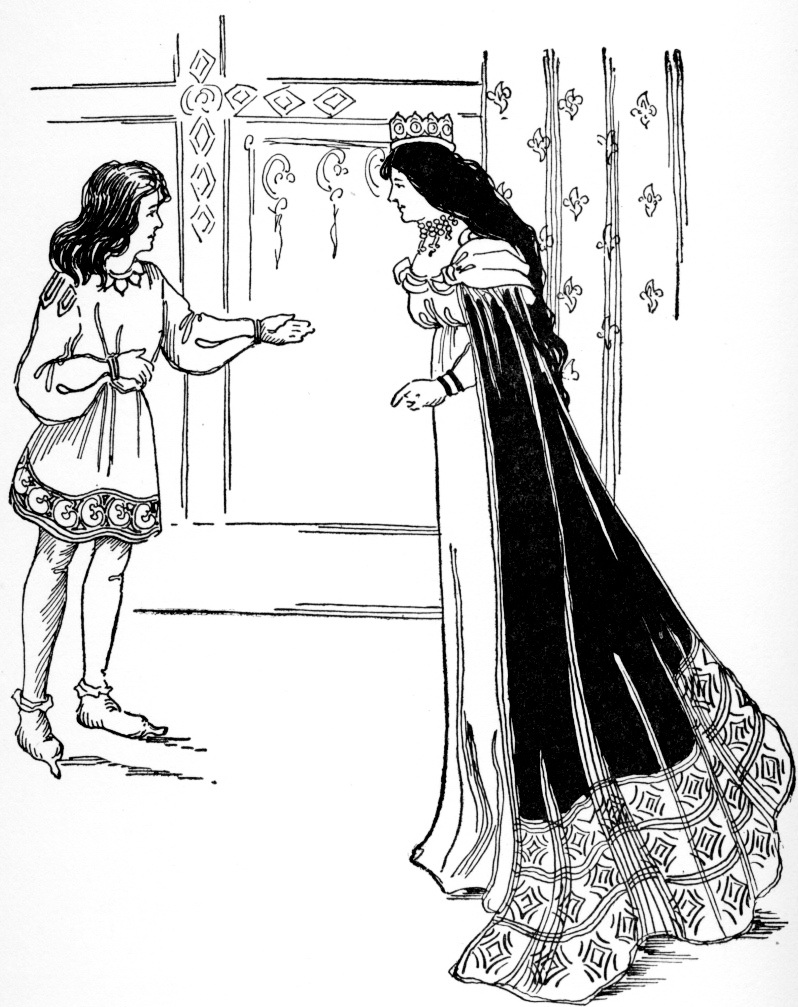 🇬🇧 United Kingdom and 3 moreMorgause
A legendary queen of Orkney and sister to King Arthur in British mythFigure · Power and authority Legendary
 🇨🇳 China and 2 moreJiang Ziya姜子牙
A historical strategist and war god who helped establish the Zhou dynastyFigure · Power and authority · Cursing and harm Historical
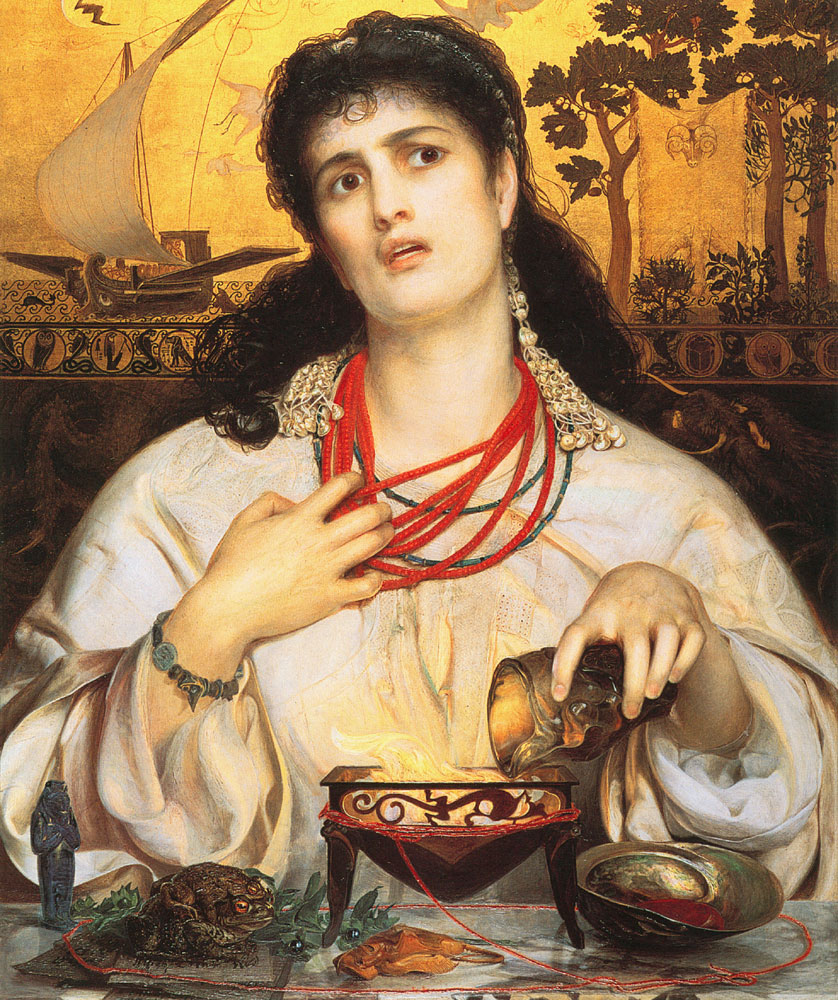 🇬🇷 GreeceMedeaΜήδεια
A sorceress and princess of Colchis who aids Jason and uses magic for revenge.Figure · Cursing and harm · Healing Legendary
🇮🇪 IrelandThe MorríganMórrígan
An Irish goddess of war, fate, and sovereignty who appears as a crow or shape-shifter.Figure · Seeing and foretelling · Cursing and harm Legendary
 🇯🇵 Japan and 2 moreTamamo-no-Mae玉藻前
A nine-tailed fox spirit from Japanese legend who possessed emperors and concubines across Asia.Figure · Cursing and harm · Power and authority Legendary
 🇬🇧 United KingdomWilliam Lilly
A seventeenth-century English astrologer and author who shaped Western tradition.Text · Seeing and foretelling · Power and authority Historical
 🇿🇦 South AfricaGrootslang
A legendary serpent said to guard diamonds in a South African caveFigure · Cursing and harm · Power and authority Legendary
🇨🇳 ChinaZhang Jue張角
A Taoist leader who used healing magic to spark a major rebellion in ancient China.Figure · Healing · Power and authority Historical
🇪🇸 SpainMaslama al-Majritiأبو القاسم مسلمة بن أحمد المجريطي
A tenth-century scholar of alchemy and astronomy in Islamic Spain.Figure · Wonder and entertainment · Power and authority Historical
 🇨🇳 ChinaCao Guojiu曹國舅
A Taoist immortal who abandoned his court career to help the poor and learn magic.Figure · Power and authority Legendary
 🇨🇳 China and 1 moreDongyue Dadi東嶽大帝
The Chinese mountain god of Mount Tai who rules lifespans and underworld recordsBeing · Speaking with spirits and the dead · Power and authority Living
 🇮🇱 Israel and 1 moreShimon bar Yochaiשמעון בר יוחאי
A second-century sage of the Land of Israel and a central figure in Kabbalistic tradition.Figure · Power and authority Historical
🇮🇹 Italy and 1 moreAradia
A figure of Italian folklore and modern pagan witchcraft, seen as a teacher of magic and liberation.Figure · Cursing and harm · Power and authority Revived
 🇫🇷 France and 1 moreBaphomet
A name from medieval trials and a symbol of occult equilibriumFigure · Power and authority Legendary
 🇮🇳 India and 2 moreGorakhnathगोरक्षनाथ
A Hindu yogi and saint who founded the Nath monastic order in India.Figure · Power and authority · Speaking with spirits and the dead Living
 🇩🇪 Germany and 1 moreFaust
A German legend of a scholar who trades his soul for knowledge and pleasureFigure · Power and authority · Cursing and harm Legendary
 🇮🇳 India and 1 moreYoginiयोगिनी
A female master of yoga and tantra, or a fierce goddess aspect worshipped in open-air shrines.Tradition · Power and authority · Protection Historical
 🇳🇵 Nepal and 1 moreMatsyendranathMacchindranāth, Mīnanātha
A yogi and rain deity revered across Hindu and Buddhist traditions in South Asia.Figure · Power and authority · Wonder and entertainment Living
 🇮🇷 Iran and 2 moreJabir ibn Hayyanجابِر بِن حَيّان
A legendary Islamic alchemist and philosopher whose writings shaped medieval magic and chemistryText · Power and authority · Wonder and entertainment Historical
 🇸🇳 Senegal and 5 moreMaraboutmurābiṭ
A Muslim religious leader and teacher in West Africa, often linked to Sufi brotherhoods.Tradition · Protection · Speaking with spirits and the dead Living
 🇪🇹 Ethiopia and 5 morePrester JohnPresbyter Ioannes
A legendary Christian king and priest said to rule a lost kingdom in the East.Figure · Power and authority Legendary
 🇬🇧 United Kingdom and 1 moreMerlinMyrddin
A legendary prophet and magician from the King Arthur cycleFigure · Seeing and foretelling · Power and authority Legendary
🇫🇷 France and 5 moreCount of St. GermainComte de Saint Germain
An 18th-century European adventurer known for alchemy, music, and claims of immortality.Figure · Power and authority · Wonder and entertainment Historical
 🇬🇷 Greece and 5 moreSibylΣίβυλλα (Sibylla)
Ancient Greek prophetesses who spoke divine counsel at holy shrinesFigure · Seeing and foretelling · Power and authority Legendary
 🇲🇽 MexicoNagualnāhualli
A Mesoamerican belief in humans who shapeshift into animal counterparts.Belief · Power and authority · Cursing and harm Living
 🇨🇳 China and 2 moreEight Immortals八仙
Eight legendary Taoist figures of China, each with a power and a vesselFigure · Protection · Healing Living
 🇯🇵 JapanEn no Gyōja役小角
A legendary Japanese ascetic and founder of Shugendō mountain practiceFigure · Power and authority · Protection Historical
 🇫🇷 FranceÉliphas Lévi
A French writer who shaped modern occult thought and ceremonial magic.Figure · Power and authority · Change and initiation Historical
 🇻🇺 VanuatuJohn Frum
A Melanesian cargo cult figure on Tanna Island who promises wealth and the return of American supplies.Figure · Luck and prosperity · Power and authority Living
🇨🇳 ChinaChen Tuan陳摶
A Chinese Taoist sage known for internal arts and sleep cultivation methodsFigure · Healing · Power and authority Historical
 🇮🇳 India and 1 moreTilopa
A tenth-century Buddhist tantric master who transmitted Mahamudra and the Six Yogas of Naropa.Figure · Change and initiation · Power and authority Historical
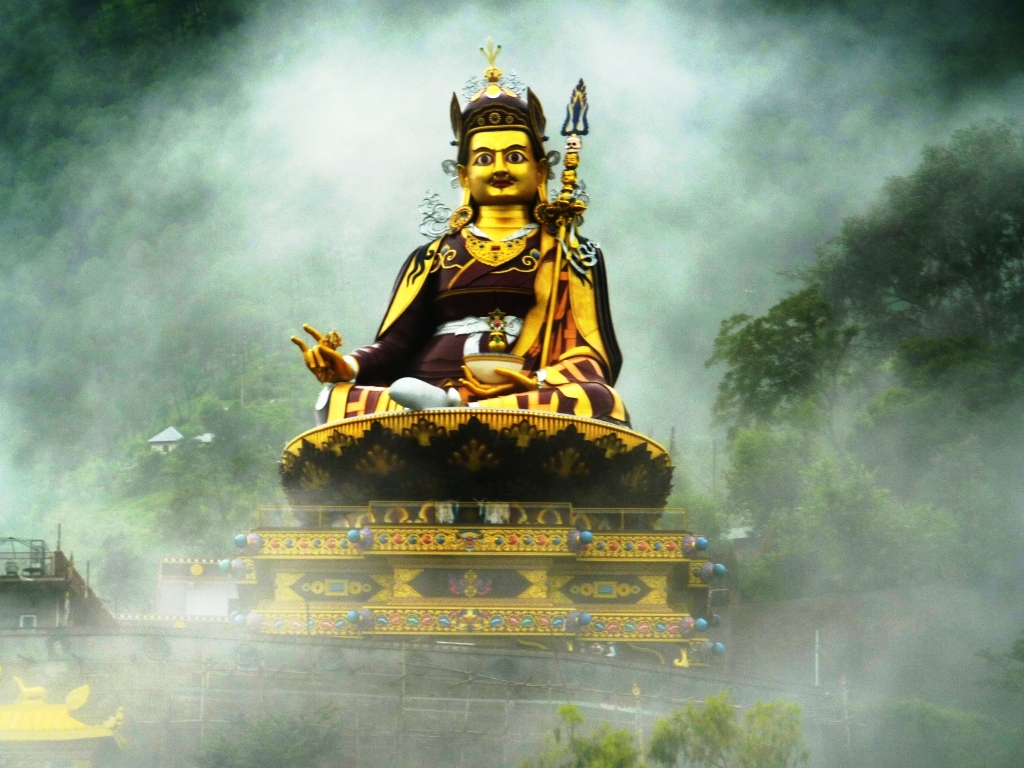 🇮🇳 India and 2 morePadmasambhavaཔདྨ་འབྱུང་གནས།
A tantric master credited with establishing Buddhism in Tibet and founding the Nyingma school.Figure · Protection · Power and authority Living
 🇫🇮 Finland and 1 moreSampo
A magical mill or world pillar in Finnish and Estonian mythology that produces wealth.Figure · Luck and prosperity · Power and authority Historical
 🇯🇵 JapanUchide no kozuchi打ち出の小槌
A legendary Japanese magic hammer that taps out desired items from thin airFigure · Luck and prosperity · Power and authority Legendary
 🇮🇳 India and 1 moreRavanaरावण (Rāvaṇa)
A ten-headed demon king of Lanka and a devoted follower of Shiva in Hindu tradition.Figure · Cursing and harm · Power and authority Legendary
 🇬🇷 Greece and 1 moreGolden FleeceΧρυσόμαλλον δέρας
A magical ram's skin from Greek myth, symbol of kingship and a quest objectFigure · Power and authority Legendary
 🇺🇦 UkraineGhost of KyivПривид Києва
A wartime legend of a mythical fighter pilot who rallied Ukrainian morale.Figure · Power and authority Historical
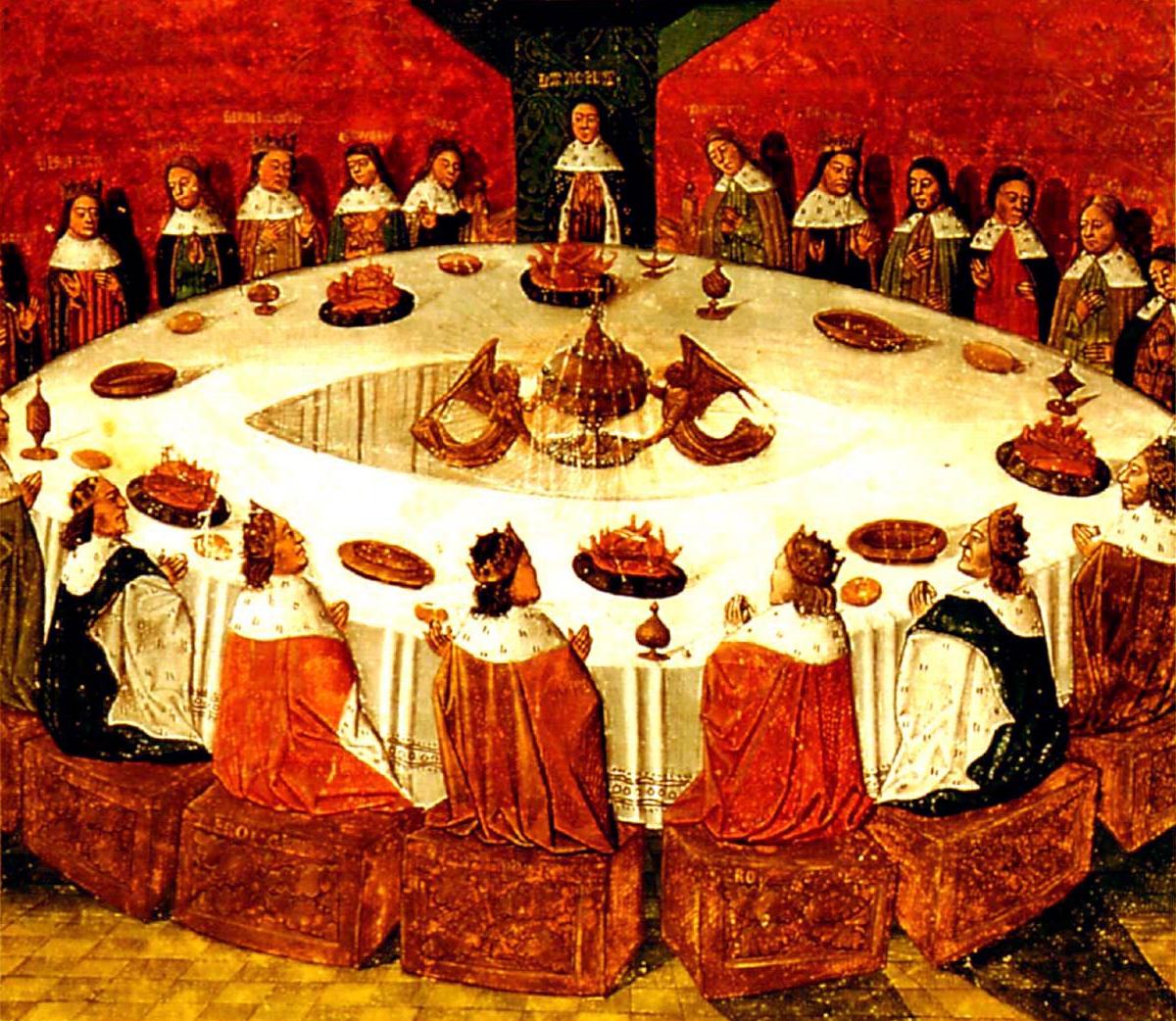 🇬🇧 United Kingdom and 1 moreRound Tablela Table ronde
A legendary table with no head, symbolizing equality among King Arthur's knights.Figure · Power and authority Legendary
 🇫🇷 France and 2 moreMelusineMélusine
A water spirit of French and Luxembourgish lore, known for her serpent form and the castles she built.Figure · Luck and prosperity · Power and authority Legendary
 🇮🇪 Ireland and 1 moreFionn mac CumhaillFionn mac Cumaill
A legendary Irish hero and leader of the Fianna warrior bandFigure · Power and authority · Wonder and entertainment Legendary
🇪🇪 Estonia and 1 moreKalevaKalev
A primordial giant and ancestral figure in the mythologies of Estonia and FinlandBeing · Power and authority Historical
 🇷🇸 Serbia and 5 moreWolves in folklore, religion and mythology
A global survey of how cultures view the wolf as symbol, spirit or threatBelief · Power and authority · Cursing and harm Historical
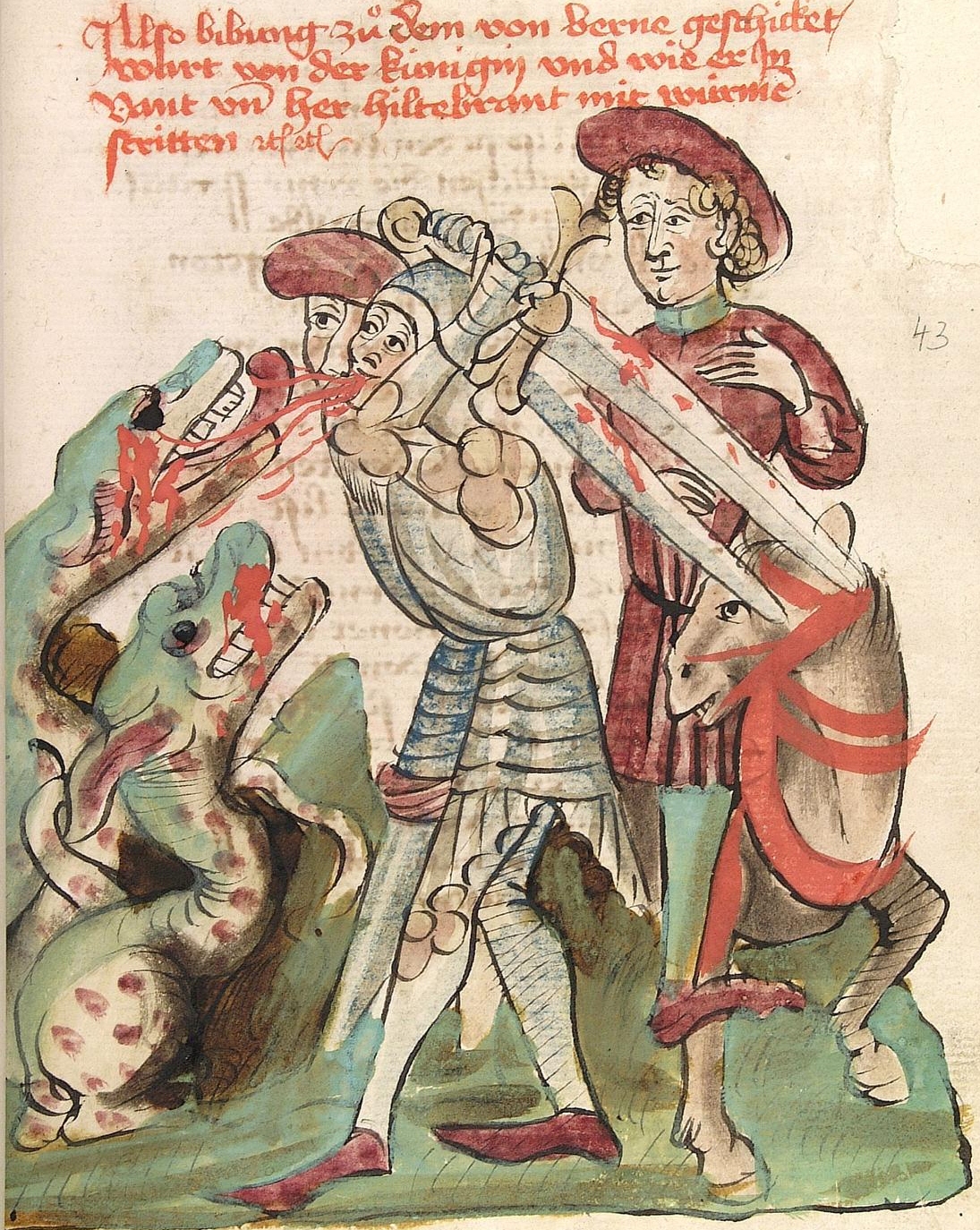 🇩🇪 Germany and 2 moreDietrich von Bern
A legendary Germanic hero based on the Ostrogothic king Theodoric the GreatFigure · Power and authority Historical
 🇮🇪 Ireland and 4 moreFairy Queen
A female ruler of fairies found in folklore, literature, and witchcraft trials across Europe.Figure · Power and authority Historical
Photo credits on this page
The small pictures above come from Wikimedia Commons under free licences. Some are cropped to fit.
- Wolves in folklore, religion and mythology: Unknown author, CC0, source
- Ashiya Dōman: Unknown author, CC BY-SA 3.0, source
- Edward Kelley: Thomas Pennant, Public domain, source
- Morgause: H. S. Campbell, Public domain, source
- Jiang Ziya: Wang Qi, Public domain, source
- Medea: Frederick Sandys, Public domain, source
- Tamamo-no-Mae: ウィキ太郎 Wiki Taro, Public domain, source
- Melusine: GilPe, CC BY-SA 3.0, source
- William Lilly: Simon Harriyott, CC BY 2.0, source
- Grootslang: Jeff McArthur (Guategeek), CC BY-SA 3.0, source
- Imhotep: Rama, CC BY-SA 3.0 fr, source
- Cao Guojiu: Zhang Lu, Public domain, source
- Fairy: Henry Fuseli, Public domain, source
- Dongyue Dadi: H2v5o68z, CC0, source
- Shimon bar Yochai: איתי פרץ, Attribution, source
- Baphomet: Eliphas Levi, Public domain, source
- Cargo cult: Tim Ross, CC BY 3.0, source
- Golden Fleece: Underworld Painter, Public domain, source
- Gorakhnath: Anandanath, CC BY-SA 4.0, source
- Faust: Earthsphere, CC BY-SA 4.0, source
- Yogini: Soumendra Barik, CC BY-SA 3.0, source
- Matsyendranath: Unknown author, Public domain, source
- Jabir ibn Hayyan: Unknown author, Public domain, source
- Marabout: Jan Broekhuijse, CC BY-SA 3.0, source
- Round Table: Évrard d'Espinques, Public domain, source
- Uchide no kozuchi: Yashima Gakutei, CC0, source
- Prester John: Diogo Homem, Public domain, source
- Merlin: Howard Pyle, Public domain, source
- Fionn mac Cumhaill: Ary Scheffer / Formerly attributed to Anne-Louis Girodet, Public domain, source
- Ravana: Gita Press Gorakhpur, CC0, source
- Dietrich von Bern: Workshop of Diebolt Lauber, Hagenau 1444-1448, CC BY-SA 3.0, source
- King Arthur: William Morris, Public domain, source
- Sibyl: Filippino Lippi (1457-1504), Public domain, source
- Nagual: Unknown author, Public domain, source
- Sampo: Väinö Blomstedt, Public domain, source
- Eight Immortals: Fanghong, CC BY-SA 3.0, source
- En no Gyōja: Wmpearl, CC0, source
- Éliphas Lévi: Eliphas Lévi [1810-1875], Public domain, source
- Ghost of Kyiv: Андрій Данкович / Andriy Dankovych, CC BY-SA 4.0, source
- Tilopa: Unknown author, Public domain, source
- Padmasambhava: John Hill, CC BY-SA 3.0, source