
Shimon bar Yochai
In its own language: שמעון בר יוחאי
Hebrew for Shimon son of Yochai
A second-century sage of the Land of Israel and a central figure in Kabbalistic tradition.
Shimon bar Yochai was a prominent Jewish scholar in the second century who studied under Rabbi Akiva. Later traditions attribute the Zohar to him, though historians reject this link. He is remembered for his legal rulings and legendary tales of hiding from Roman persecution.
- Studied under Rabbi Akiva for thirteen years
- Attributed author of the Zohar by tradition
- Hidden in a cave for thirteen years
- Tomb located in Meron, Israel
- Celebrated on Lag BaOmer
What it is
Shimon bar Yochai was a respected teacher in the Land of Israel during the second century. He belongs to the group known as the Tannaim. Modern scholars view him as a historical legal expert. They claim he wrote the Zohar. This text is a main work of Jewish mysticism. Historians say the Zohar was written much later. The attribution is not accepted by academic researchers. His name appears frequently in the Mishnah. He is often called simply Rabbi Shimon. His teachings cover many areas of law.
Where it comes from
He was born in Galilee around the year 90. He studied at Yavne under Gamaliel II. He also learned from Joshua ben Hananiah. For thirteen years he studied with Rabbi Akiva at Bnei Brak. Akiva considered him one of his best students. Only Rabbi Meir was ranked higher by Akiva initially. Shimon felt slighted by this ranking. Akiva had to comfort him. He became a leading voice in legal debates. His father was influential in Rome. This connection helped Shimon visit Akiva in prison.
How it is done
Legends say he hid in a cave for thirteen years. He fled after criticizing the Roman government. He and his son Eleazar lived on dates and carob fruit. Their bodies became covered in sores. They sat naked to save their clothes. A bird escaping a net gave them hope. They left the cave when they heard a divine voice. Shimon purified the town of Tiberias. He planted lupines to find hidden tombs. This made the town ritually clean. Another story says he went to Rome. He exorcised a demon from the emperor's daughter. He tore up a decree against Jewish practices.
Shimon bar Yochai, drawn and placed
- Living
- Revived
- Fading
- Historical
- Legendary
- Performed
- Lineage
- Tannaim
What it is for
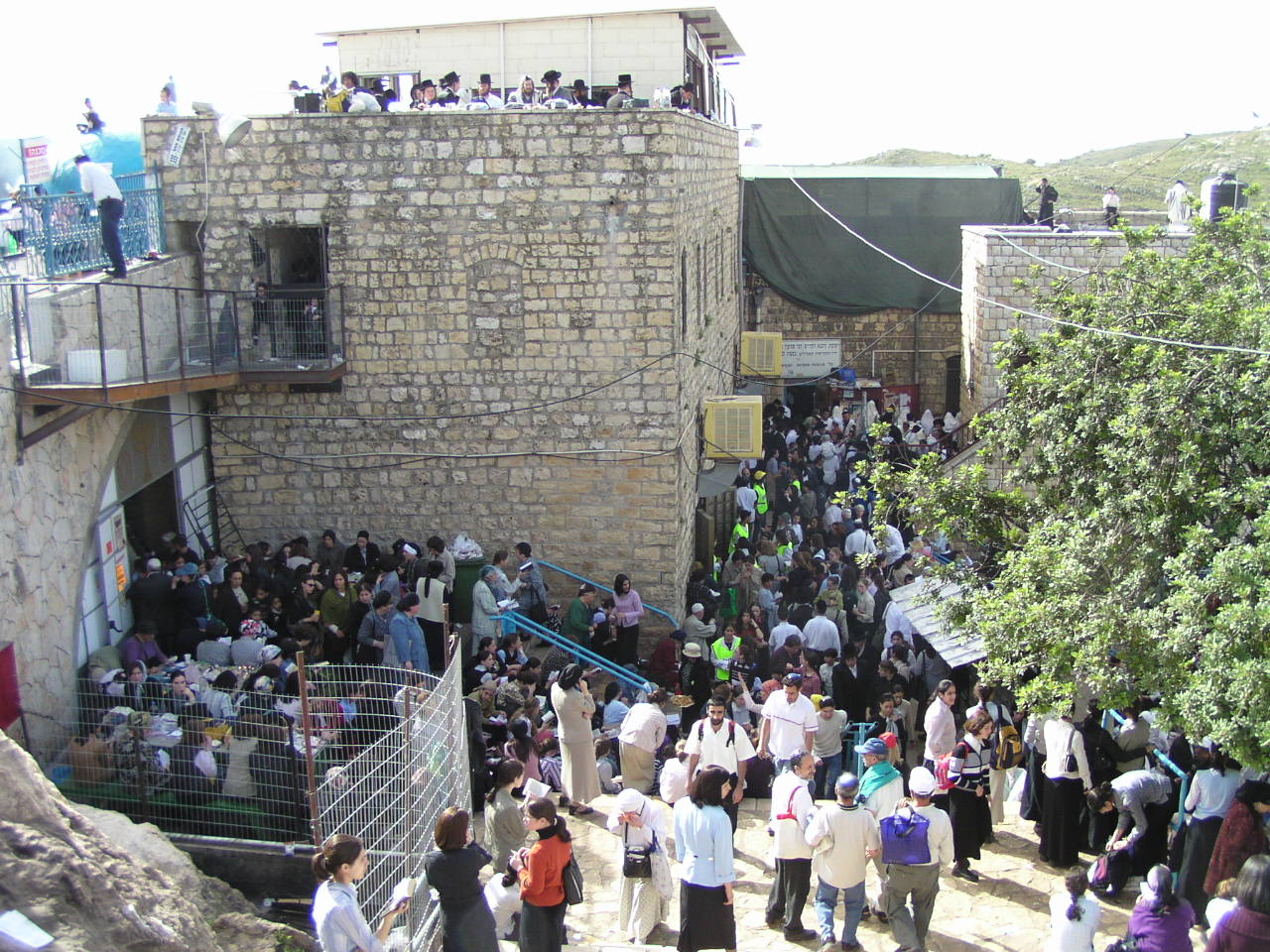
His legal opinions guided Jewish practice. He sought reasons behind commandments. This sometimes changed how laws were applied. For example, he limited rules about pledges. He argued that rich women did not need protection. Poor women risked reputation if garments were returned daily. His interpretations aimed at fairness. Mystics use his name for spiritual authority. Pilgrims visit his tomb in Meron. They seek blessings or healing. The site draws thousands of visitors each year.
Who does it
He was a male scholar and teacher. He studied under the most famous rabbis of his time. Akiva ordained him. Later, Judah ben Baba re-ordained him. His son Eleazar assisted him in hiding. Eleazar is also revered in Kabbalah. Shimon taught many pupils. He was known for sharp legal reasoning. He criticized earlier sages when necessary. He often agreed with Jose ben Halafta. He sometimes sided with Rabbi Meir. His independence made him a key figure.
Peoples and places
He is central to Jewish history in Israel. His tomb is in Meron, Israel. This site is a major pilgrimage destination. Jews worldwide celebrate Lag BaOmer for him. The date marks his death or yahrtzeit. Legends connect him to India and Chad. These links are minor in the main narrative. The primary focus remains on the Land of Israel. His influence spread through his students. They carried his legal methods forward.
At a glance: who, where and when


What people believe
They say he received divine revelations. An angel named Metatron supposedly shared secrets with him. This text is called The Secrets of Rabbi Simon ben Yohai. Scholars think this was written later. It is pseudonymous. Believers hold that his merit protects the world. Some say he and his son ensure salvation. Others claim he could absolve judgment. His piety was so great that rainbows never appeared during his life.
When it is done
Lag BaOmer is the main day associated with him. It falls during the Omer count. Pilgrims go to Meron on this day. Bonfires are lit in celebration. Children play with bows and arrows. The day marks his death according to some. Others see it as a festival of light. The date is fixed in the Hebrew calendar. It occurs in the spring season.
How scholars and sceptics see it
Historians reject the Zohar attribution. They date the Zohar to the thirteenth century. Shimon lived in the second century. The gap is too large for direct authorship. Scholars study his legal opinions in the Talmud. They analyze his disagreements with peers. Some accounts of his life are seen as spurious. The story of the quarrel between leaders is chronologically difficult. Researchers note his Roman connections. His father's influence is well documented. The Rome legend may have Christian origins.
Compare and confuse
He is often compared to Rabbi Meir. Both were top students of Akiva. Meir was ranked first. Shimon was second. They sometimes agreed on laws. Sometimes they differed. His legal style focused on underlying reasons. Other sages followed different methods. The Mekhilta of Rabbi Ishmael shares text with his work. But they are distinct texts. The Zohar is linked to him but not by him.
Law and persecution
Roman authorities sentenced him to death. He criticized the government publicly. This led to his flight into hiding. The sentence was cancelled after the emperor died. No specific laws protected him then. Today, his tomb is a protected site. Pilgrimage is allowed and encouraged. There are no legal restrictions on visiting Meron. The state supports the annual festival.
Days linked to Shimon bar Yochai
Questions people ask about Shimon bar Yochai
Who was Shimon bar Yochai?
He was a second-century Jewish sage in the Land of Israel. He studied under Rabbi Akiva. He is a key figure in the Tannaim. Historians view him as a legal expert.
Did he write the Zohar?
Kabbalistic tradition says he wrote the Zohar. Modern scholars universally reject this. The Zohar was written in the thirteenth century. Shimon lived centuries earlier. The attribution is considered legendary.
Where is his tomb?
His tomb is in Meron, Israel. Thousands visit the site each year. It is a major pilgrimage destination. The location is near the Sea of Galilee. Many come on Lag BaOmer.
What is Lag BaOmer?
It is a Jewish holiday celebrating Shimon bar Yochai. It marks his death or yahrtzeit. People light bonfires and celebrate. Children play with bows and arrows. It occurs during the spring season.
Why did he hide in a cave?
He criticized the Roman government. Authorities sentenced him to death. He fled to a cave with his son. They stayed there for thirteen years. They survived on dates and carob fruit.
Good reading and sources
- Shimon bar Yochai on WikipediaEncyclopedia
- More photos on Wikimedia CommonsPhotos and video
- Wikidata recordOpen data
The facts on this page come from the Wikipedia article "Shimon bar Yochai", written by its contributors and used under the CC BY-SA 4.0 licence, and from its Wikidata record (CC0). EveryJaadu rewrote the text in its own words, with AI assistance, and compares every page with the article to make sure no passage is copied. It may be reused under the same CC BY-SA 4.0 licence with a link back.
It may contain mistakes. Names and customs differ from one community to the next, and some knowledge is closed to outsiders and left out here. This page describes belief and practice. It does not say that any of it works, it is not a how-to, and it is not medical advice. If something is wrong, tell us. Last refreshed 2026-10-05.
More from Israel
All the entries from Israel 🇮🇱 Israel and 1 moreAzazelעזאזל
A desert place and fallen angel linked to the Yom Kippur scapegoat ritualFigure · Cursing and harm · Cleansing and purification Historical
🇮🇱 Israel and 1 moreAzazelעזאזל
A desert place and fallen angel linked to the Yom Kippur scapegoat ritualFigure · Cursing and harm · Cleansing and purification Historical
 🇮🇱 IsraelWitch of Endorאֵ֥שֶׁת בַּֽעֲלַת־אֹ֖וב בְּעֵ֥ין דֹּֽור
A biblical spirit-diviner summoned by King Saul to consult the prophet Samuel.Figure · Speaking with spirits and the dead Legendary
🇮🇱 IsraelWitch of Endorאֵ֥שֶׁת בַּֽעֲלַת־אֹ֖וב בְּעֵ֥ין דֹּֽור
A biblical spirit-diviner summoned by King Saul to consult the prophet Samuel.Figure · Speaking with spirits and the dead Legendary
 🇪🇬 Egypt and 1 moreJannes and Jambresיניס וימבריס
Named Egyptian magicians who opposed Moses in biblical traditionFigure · Cursing and harm Historical
🇮🇱 Israel and 1 moreRighteous Priest
A messianic priestly figure in Jewish eschatology, identified with Shem and Melchizedek.Figure · Power and authority Historical
🇪🇬 Egypt and 1 moreJannes and Jambresיניס וימבריס
Named Egyptian magicians who opposed Moses in biblical traditionFigure · Cursing and harm Historical
🇮🇱 Israel and 1 moreRighteous Priest
A messianic priestly figure in Jewish eschatology, identified with Shem and Melchizedek.Figure · Power and authority Historical
Related elsewhere
All figure 🇬🇧 United Kingdom and 2 moreKing ArthurBrenin Arthur
A legendary British king and folk hero of medieval literature and Welsh mythologyFigure · Power and authority · Wonder and entertainment Legendary
🇬🇧 United Kingdom and 2 moreKing ArthurBrenin Arthur
A legendary British king and folk hero of medieval literature and Welsh mythologyFigure · Power and authority · Wonder and entertainment Legendary
 🇫🇷 FranceHoly GrailSaint Graal
A cup or stone from Arthurian tales that grants healing and eternal lifeFigure · Healing · Luck and prosperity Legendary
🇫🇷 FranceHoly GrailSaint Graal
A cup or stone from Arthurian tales that grants healing and eternal lifeFigure · Healing · Luck and prosperity Legendary
 🇮🇳 India and 2 morePalmistry
A divination method that interprets the lines and shapes of the hand to predict fate or reveal character.Oracle · Seeing and foretelling · Power and authority Living
🇮🇳 India and 2 morePalmistry
A divination method that interprets the lines and shapes of the hand to predict fate or reveal character.Oracle · Seeing and foretelling · Power and authority Living
 🇨🇳 China and 3 moreChinese dragon龍
A legendary water deity and imperial symbol in East Asian cultureBeing · Protection · Luck and prosperity Historical
🇨🇳 China and 3 moreChinese dragon龍
A legendary water deity and imperial symbol in East Asian cultureBeing · Protection · Luck and prosperity Historical