🇮🇷 Magic in Iran
15 entries from Iran, best known first, across 7 places of magic.
Iranian folklore weaves ancient myth, Islamic tradition, and pre-Islamic heritage into a rich tapestry of oral tales, heroic epics, and protective customs. It exists alongside mainstream religions, offering a distinct layer of folk belief focused on spirits, divination, and seasonal rites.
- Esfand seeds are burned to protect against the evil eye
- Rostam is the central hero of the Shahnameh epic
- Zār spirits possess individuals in southern coastal regions
- Chaharshanbe Suri involves jumping over bonfires before Nowruz
- Hafez poetry is used for bibliomantic divination
Overview
The folk traditions of Greater Iran blend pre-Islamic Zoroastrian elements with later Islamic and Turkic influences. Storytelling remains central, from royal minstrels to coffeehouse poets. The culture values the epic hero and the clever trickster. Beliefs in unseen forces shape daily life, from avoiding the evil eye to honoring nature spirits. This system operates parallel to formal religion, providing explanations for misfortune and guidance through omens.
Practices and beliefs
People use amulets like the evil eye bead or burning esfand seeds to ward off harm. Divination is common, including reading Hafez poetry or observing animal entrails. Spirits such as the djinn, created from smokeless fire, and the zār, a coastal possession spirit, are widely acknowledged. Protective charms often involve mirrors or specific prayers recited during rituals.
Rites and charms
Nowruz marks the spring equinox with bonfire jumping on Chaharshanbe Suri. Families picnic on Sizdebedar, the thirteenth day after New Year. Yaldā Night celebrates the winter solstice with storytelling and fruit. Weddings feature a silver mirror and candles on the sofra cloth. These ceremonies align with agricultural cycles and historical myths, reinforcing community bonds.
Who practises
Minstrels called gosans or huniyagars performed for courts and public audiences. Diviners interpret omens from sneezes, cards, or chickpeas. Healers may burn esfand to cleanse spaces of negative energy. Spiritual mediums address zār possession in southern regions. Heroes like Rostam serve as cultural archetypes rather than active practitioners.
Regions and communities
Southern coastal areas recognize the zār spirit, distinct from northern mountain beliefs. Turkic communities in Azerbaijan honor Takam, the goat king, through theatrical recitations. Kurdish traditions include figures like Koroghlu. Urban coffeehouses preserve storytelling differently than rural village gatherings. Regional variations reflect local history and ethnic diversity within the broader Iranian sphere.
The calendar
Nowruz begins in spring with fire rituals. Yaldā occurs at the winter solstice, emphasizing light against darkness. Sizdebedar follows New Year with outdoor picnics. Weddings follow specific symbolic arrangements involving mirrors. These events structure the year around natural transitions and ancestral memory.
Law and the state
Folk practices generally operate within social norms without state interference. Some rituals, like zār ceremonies, face skepticism from religious authorities but persist locally. No widespread persecution is noted in the sources. Colonial or missionary labeling of these beliefs is not mentioned.
Today
Oral traditions continue in urban coffeehouses and digital media. Migration has spread Iranian folktales globally. Tourism sometimes commercializes Nowruz celebrations. Younger generations engage with heroes like Rostam through modern adaptations. The balance between ancient custom and contemporary life remains dynamic.
The facts in this overview come from the Wikipedia article "Iranian folklore", written by its contributors and used under the CC BY-SA 4.0 licence. EveryJaadu rewrote the text in its own words, with AI assistance, and compares every page with the article to make sure no passage is copied. It may be reused under the same CC BY-SA 4.0 licence with a link back.
Places of magic in Iran
 🇮🇳 India and 2 moreTrial by ordeal
An ancient judicial test where guilt or innocence was decided by surviving a painful physical trial.Rite · Cursing and harm Historical
🇮🇳 India and 2 moreTrial by ordeal
An ancient judicial test where guilt or innocence was decided by surviving a painful physical trial.Rite · Cursing and harm Historical
 🇮🇷 Iran and 2 moreSomaसोम
A sacred ritual drink of the ancient Vedic religion and its Iranian counterpartSubstance · Power and authority · Speaking with spirits and the dead Historical
🇮🇷 Iran and 2 moreSomaसोम
A sacred ritual drink of the ancient Vedic religion and its Iranian counterpartSubstance · Power and authority · Speaking with spirits and the dead Historical
 🇪🇬 Egypt and 5 moreHermetica
A collection of ancient texts attributed to Hermes Trismegistus, covering magic, alchemy and philosophy.Text · Seeing and foretelling · Change and initiation Historical
🇪🇬 Egypt and 5 moreHermetica
A collection of ancient texts attributed to Hermes Trismegistus, covering magic, alchemy and philosophy.Text · Seeing and foretelling · Change and initiation Historical
 🇲🇦 Morocco and 5 moreWild rueاسپند
A desert plant whose seeds hold psychoactive alkaloids and serve as incense in the Middle East.Substance · Protection · Speaking with spirits and the dead Living
🇲🇦 Morocco and 5 moreWild rueاسپند
A desert plant whose seeds hold psychoactive alkaloids and serve as incense in the Middle East.Substance · Protection · Speaking with spirits and the dead Living
 🇮🇳 India and 1 moreMantraमन्त्रम्
A sacred sound or phrase repeated to focus the mind and invoke spiritual powerText · Speaking with spirits and the dead · Power and authority Living
🇮🇳 India and 1 moreMantraमन्त्रम्
A sacred sound or phrase repeated to focus the mind and invoke spiritual powerText · Speaking with spirits and the dead · Power and authority Living
 🇮🇷 Iran and 5 moreMagi
Priests of Zoroastrianism and the figures who inspired the word for magicTradition · Seeing and foretelling · Power and authority Living
🇮🇷 Iran and 5 moreMagi
Priests of Zoroastrianism and the figures who inspired the word for magicTradition · Seeing and foretelling · Power and authority Living
 🇮🇷 Iran and 1 moreJinnجِنّ
Supernatural beings in Islamic and pre-Islamic Arabian belief, created from smokeless fire.Being · Protection · Cursing and harm Living
🇮🇷 Iran and 2 moreHaoma
A divine plant and spirit in Zoroastrianism, linked to healing and ancient rituals.Substance · Healing · Speaking with spirits and the dead Living
🇮🇷 Iran and 1 moreJinnجِنّ
Supernatural beings in Islamic and pre-Islamic Arabian belief, created from smokeless fire.Being · Protection · Cursing and harm Living
🇮🇷 Iran and 2 moreHaoma
A divine plant and spirit in Zoroastrianism, linked to healing and ancient rituals.Substance · Healing · Speaking with spirits and the dead Living
 🇪🇬 Egypt and 5 moreHamsaخمسة
A palm-shaped amulet used across North Africa and the Middle East to ward off harm.Charm · Protection · Luck and prosperity Living
🇪🇬 Egypt and 5 moreHamsaخمسة
A palm-shaped amulet used across North Africa and the Middle East to ward off harm.Charm · Protection · Luck and prosperity Living
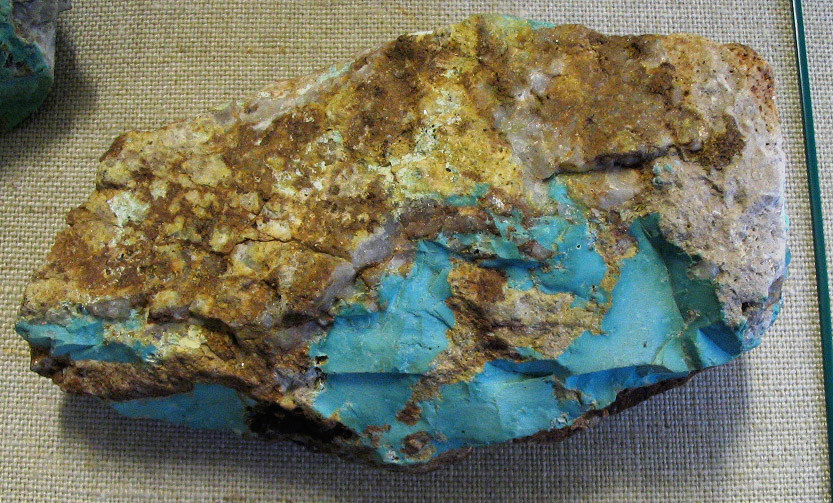 🇮🇷 Iran and 5 moreTurquoise
An opaque blue-green gemstone prized for its color since ancient timesSubstance · Protection · Luck and prosperity Living
🇮🇷 Iran and 5 moreTurquoise
An opaque blue-green gemstone prized for its color since ancient timesSubstance · Protection · Luck and prosperity Living
 🇮🇷 Iran and 4 moreChaharshanbe Suriچهارشنبهسوری
An Iranian fire festival marking the transition from winter to springTradition · Luck and prosperity · Speaking with spirits and the dead Living
🇮🇷 Iran and 4 moreChaharshanbe Suriچهارشنبهسوری
An Iranian fire festival marking the transition from winter to springTradition · Luck and prosperity · Speaking with spirits and the dead Living
 🇪🇬 Egypt and 5 moreZārزار
A spirit possession tradition and healing ritual in the Horn of Africa and Middle EastTradition · Healing · Speaking with spirits and the dead Living
🇪🇬 Egypt and 5 moreZārزار
A spirit possession tradition and healing ritual in the Horn of Africa and Middle EastTradition · Healing · Speaking with spirits and the dead Living
 🇮🇷 Iran and 7 moreNowruzنوروز
A spring equinox festival marking the new year across Persianate culturesTradition · Luck and prosperity · Cleansing and purification Living
🇮🇷 Iran and 7 moreNowruzنوروز
A spring equinox festival marking the new year across Persianate culturesTradition · Luck and prosperity · Cleansing and purification Living
 🇮🇳 India and 5 moreAncestor worship
Rites of respect for the dead that maintain family bonds and seek spiritual guidanceTradition · Protection · Speaking with spirits and the dead Living
🇮🇳 India and 5 moreAncestor worship
Rites of respect for the dead that maintain family bonds and seek spiritual guidanceTradition · Protection · Speaking with spirits and the dead Living
 🇮🇪 Ireland and 5 moreBonfire
A large outdoor fire used in seasonal festivals and religious feasts across many culturesRite · Cleansing and purification · Speaking with spirits and the dead Living
🇮🇪 Ireland and 5 moreBonfire
A large outdoor fire used in seasonal festivals and religious feasts across many culturesRite · Cleansing and purification · Speaking with spirits and the dead Living
Photo credits on this page
The small pictures above come from Wikimedia Commons under free licences. Some are cropped to fit.
- Wild rue: Yuriy75, CC BY-SA 3.0, source
- Mantra: Markrosenrosen, CC BY-SA 3.0, source
- Magi: Colijn de Coter, CC0, source
- Trial by ordeal: James Sibree, Public domain, source
- Jinn: VenusFeuerFalle, CC0, source
- Hamsa: Kritzolina, CC BY-SA 4.0, source
- Soma: Krzysztof Ziarnek, Kenraiz, CC BY-SA 4.0, source
- Turquoise: Unknown author, Public domain, source
- Chaharshanbe Suri: Philippe Giabbanelli, CC BY 3.0, source
- Zār: Emad Nemati, CC BY-SA 4.0, source
- Nowruz: Katzenfee50, CC0, source
- Ancestor worship: Lyn Gateley, CC BY 2.0, source
- Hermetica: Jean-Louis Durant (1654-1718), Public domain, source
- Bonfire: S Marshall, CC BY 3.0, source
The weekly digest
Every Monday: seven entries you may not know, what is on the calendar this week, and one rite drawn step by step.