
Bonfire
from bone and fire, referring to burning bones
A large outdoor fire used in seasonal festivals and religious feasts across many cultures
A bonfire is a substantial controlled fire lit outdoors for communal gatherings. It appears in traditions from Europe to Asia, marking seasons like midsummer or harvest, and honoring saints or spirits. Communities light these fires to celebrate, cleanse, or remember historical events.
- The word comes from burning bones, not 'good' fire
- Jumping over flames seeks health and fertility in Iran
- Ashes are used to protect crops in Central Europe
- Effigies symbolize the old year being burned away
- Regulations limit fires during dry seasons in Australia
What it is
A bonfire is a large, controlled outdoor fire used for disposal of waste or as part of a religious feast. It serves as a focal point for community gatherings during specific times of the year. The practice spans various cultures, often linked to seasonal changes or religious observances. It is not merely a source of heat but a ritual object with symbolic meaning in many societies.
Where it comes from
The term dates to the late fifteenth century. Early spellings like banefyre suggest a link to burning bones. John Mirk described it as a fire made of clean bones without wood. Samuel Johnson later incorrectly linked the word to the French term for good. The practice likely predates the written record, evolving from ancient needs to clear land or mark time.
How it is done
Communities gather around a prepared pile of wood or other materials. Effigies may be placed on top to symbolize the old season or past troubles. Participants jump over the flames or walk through the ashes. In some regions, smoke direction is read for omens. The fire is allowed to burn down naturally or is extinguished after the ceremony concludes.
Tools and materials
Wood is the primary fuel. Effigies made of straw or wicker are common symbols. Ashes are collected for their perceived power to protect crops or ensure fertility. In some areas, specific items like old doors or planks are gathered by children. Nuts and berries may be distributed as part of the celebration.
Bonfire, drawn and placed
- Living
- Revived
- Fading
- Historical
- Legendary
- Performed
- Lineage
- Folk tradition
- Timing
- seasonal festivals and holy days
What it is for
People light bonfires to celebrate festivals, mark the new year, or honor saints. They are used for purification rites, where participants seek health and energy. Some use them to commemorate historical victories or protest political events. Others burn unwanted items to cleanse their homes or welcome new family members.
Who does it
Ordinary households and communities organize these events. Children often help collect wood or materials. Local authorities may regulate the size or timing due to safety concerns. Religious leaders may bless the fires or oversee specific rituals. Participation is usually open to all members of the community.
Peoples and places
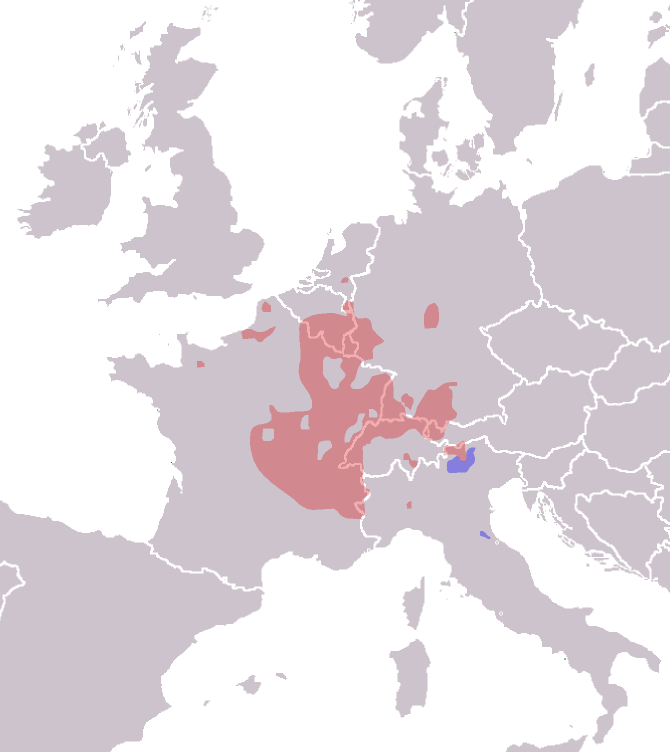
Traditions vary widely. In Iran, Chaharshanbe Suri involves jumping over fires for purification. In Ireland, bonfires mark Halloween and historical battles. In India, they celebrate harvests and religious figures. European countries link them to solstices and saints. Each culture adapts the fire to its own beliefs and calendar.
At a glance: who, where and when



What people believe
Fires are seen as purifying forces that remove sickness and bad luck. Ashes are believed to hold magical properties for agriculture. Smoke rising indicates future fortune. Spirits of the dead may return during certain festivals. The fire connects the physical world with spiritual realms, offering protection and renewal.
When it is done
Bonfires appear at key times: Samhain in autumn, Walpurgis Night in spring, and Midsummer in summer. They mark Nowruz, Lag BaOmer, and Epiphany. Some occur during weddings or births. Seasonal changes trigger the lighting, aligning human activity with natural cycles and religious calendars.
How scholars and sceptics see it
Anthropologists view bonfires as social glue that strengthens community bonds. Historians trace their evolution from practical waste disposal to symbolic rituals. Psychologists note the comfort and awe they inspire. Skeptics see them as cultural performances rather than supernatural events. Researchers study how these traditions adapt to modern laws and urban settings.
Cautions and what is closed
Fire danger restricts bonfires in many places, especially during dry months. Legislation varies by region, banning or limiting fires to prevent wildfires. Safety regulations require permits or supervision. In some areas, political tensions lead to conflicts over who lights which fires. Authorities monitor large gatherings to ensure public safety.
Compare and confuse
Bonfires differ from campfires by their scale and purpose. They are larger and more ceremonial. Similar practices include hearth fires and sacred lamps. Other cultures use water or earth elements for similar rituals. The burning of effigies parallels other symbolic destruction rites worldwide.
Law and persecution
Local governments often regulate bonfires due to fire risks. Permits may be required for large gatherings. Bans are enforced during droughts or high fire danger periods. Political bonfires can sometimes spark tension between communities. Legal frameworks aim to balance cultural expression with public safety and environmental protection.
Rites that involve Bonfire
Days linked to Bonfire
Questions people ask about Bonfire
What is a bonfire?
It is a large, controlled outdoor fire used for communal gatherings, waste disposal, or religious feasts. It marks seasons and honors saints or spirits across many cultures.
Where does the word come from?
It likely comes from 'bone' and 'fire', referring to burning bones. Early records show this spelling, though some later dictionaries incorrectly linked it to the French word for good.
Why do people jump over bonfires?
In traditions like Chaharshanbe Suri, jumping over the fire is a purification rite. People believe it transfers sickness and bad luck to the flames, bringing health and energy.
When are bonfires lit?
They appear during festivals like Samhain, Walpurgis Night, and Nowruz. They also mark solstices, harvests, weddings, and births, aligning with seasonal and religious calendars.
Are bonfires dangerous?
Yes, they pose fire risks. Many regions restrict or ban them during dry months. Regulations require permits and safety measures to prevent wildfires and ensure public safety.
Good reading and sources
- Bonfire on WikipediaEncyclopedia
- More photos on Wikimedia CommonsPhotos and video
- Wikidata recordOpen data
The facts on this page come from the Wikipedia article "Bonfire", written by its contributors and used under the CC BY-SA 4.0 licence, and from its Wikidata record (CC0). EveryJaadu rewrote the text in its own words, with AI assistance, and compares every page with the article to make sure no passage is copied. It may be reused under the same CC BY-SA 4.0 licence with a link back.
It may contain mistakes. Names and customs differ from one community to the next, and some knowledge is closed to outsiders and left out here. This page describes belief and practice. It does not say that any of it works, it is not a how-to, and it is not medical advice. If something is wrong, tell us. Last refreshed 2026-10-05.
More from Ireland
All the entries from Ireland 🇪🇸 Spain and 5 moreSt John's Eve
A Christian vigil marked by bonfires and plant gathering on the summer solstice eveRite · Protection · Speaking with spirits and the dead Living
🇬🇧 United Kingdom and 4 moreTelling the bees
A Western European custom of informing bees about major household eventsRite · Protection · Speaking with spirits and the dead Living
🇪🇸 Spain and 5 moreSt John's Eve
A Christian vigil marked by bonfires and plant gathering on the summer solstice eveRite · Protection · Speaking with spirits and the dead Living
🇬🇧 United Kingdom and 4 moreTelling the bees
A Western European custom of informing bees about major household eventsRite · Protection · Speaking with spirits and the dead Living
 🇮🇪 Ireland and 4 moreTrial by combat
A medieval legal practice where two disputants fought to settle a caseRite · Cursing and harm Historical
🇮🇪 Ireland and 4 moreTrial by combat
A medieval legal practice where two disputants fought to settle a caseRite · Cursing and harm Historical
 🇮🇪 Ireland and 5 moreHalloween
A Christian vigil on 31 October for the dead, now marked by costumes and carved vegetablesRite · Speaking with spirits and the dead · Protection Living
🇮🇪 Ireland and 5 moreHalloween
A Christian vigil on 31 October for the dead, now marked by costumes and carved vegetablesRite · Speaking with spirits and the dead · Protection Living
Related elsewhere
All rite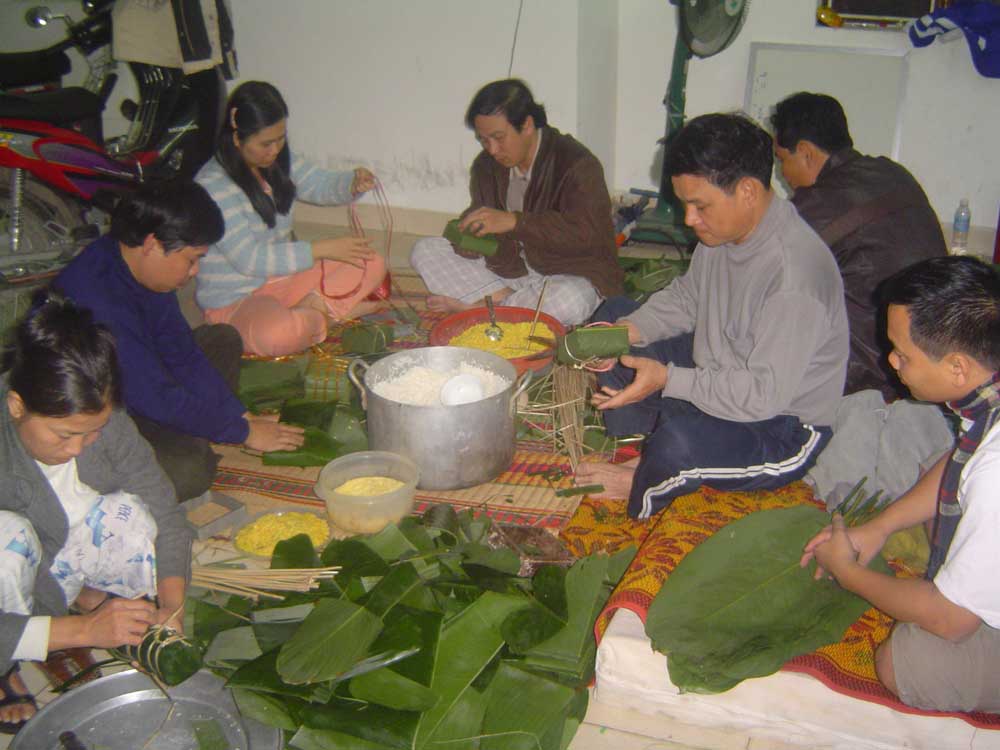 🇻🇳 Vietnam and 5 moreTếtTết Nguyên Đán
The Vietnamese lunisolar new year and the most important annual celebration in VietnamTradition · Luck and prosperity · Speaking with spirits and the dead Living
🇻🇳 Vietnam and 5 moreTếtTết Nguyên Đán
The Vietnamese lunisolar new year and the most important annual celebration in VietnamTradition · Luck and prosperity · Speaking with spirits and the dead Living
 🇨🇳 China and 5 moreSky lantern天燈
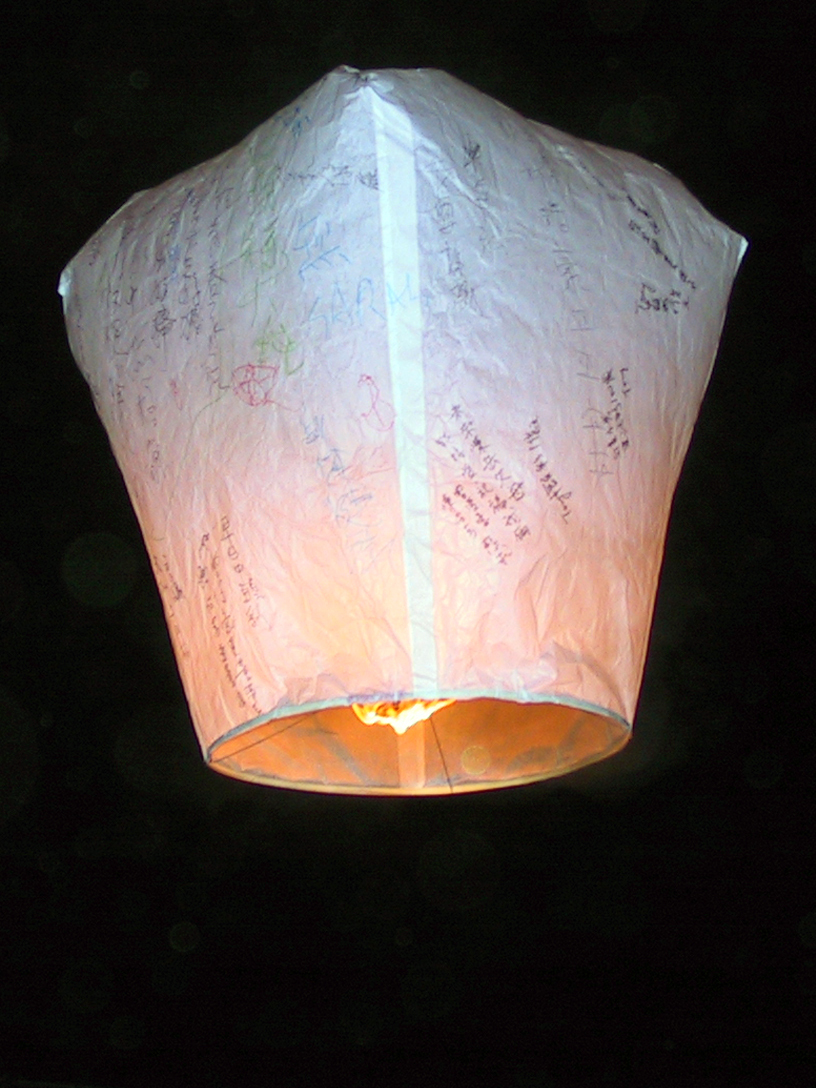
A paper hot air balloon lifted by flame to carry wishes and blessingsRite · Luck and prosperity · Protection Living
🇮🇳 IndiaPanchagavya
A fermented mixture of five cow products used in Hindu rituals and Ayurvedic traditions.Substance · Cleansing and purification · Healing Living
🇨🇳 China and 5 moreSky lantern天燈
A paper hot air balloon lifted by flame to carry wishes and blessingsRite · Luck and prosperity · Protection Living
🇮🇳 IndiaPanchagavya
A fermented mixture of five cow products used in Hindu rituals and Ayurvedic traditions.Substance · Cleansing and purification · Healing Living
 🇲🇽 MexicoCalavera
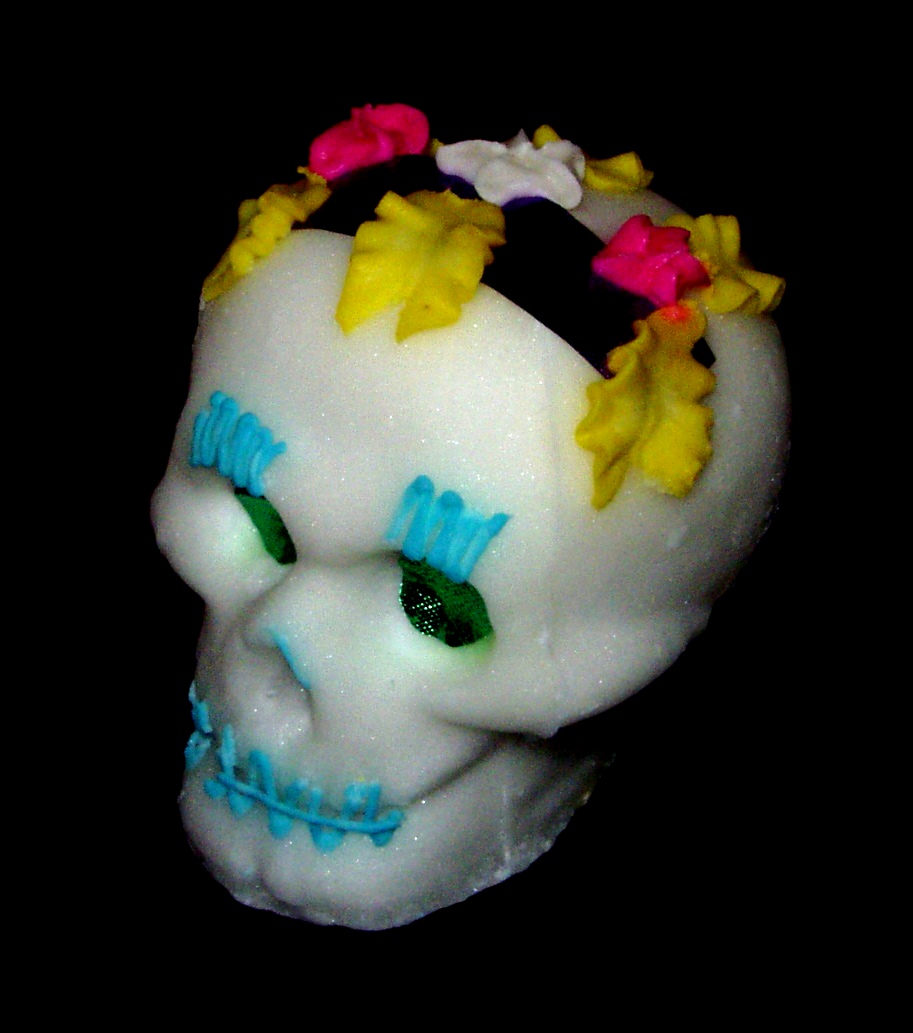
A sugar or clay skull used in Mexican Day of the Dead celebrations.Charm · Speaking with spirits and the dead · Luck and prosperity Living
🇲🇽 MexicoCalavera
A sugar or clay skull used in Mexican Day of the Dead celebrations.Charm · Speaking with spirits and the dead · Luck and prosperity Living