
Dragon
from Greek drakōn, meaning serpent, derived from a verb for seeing
A serpentine mythical creature found in global folklore and art, representing power, chaos, or imperial authority.
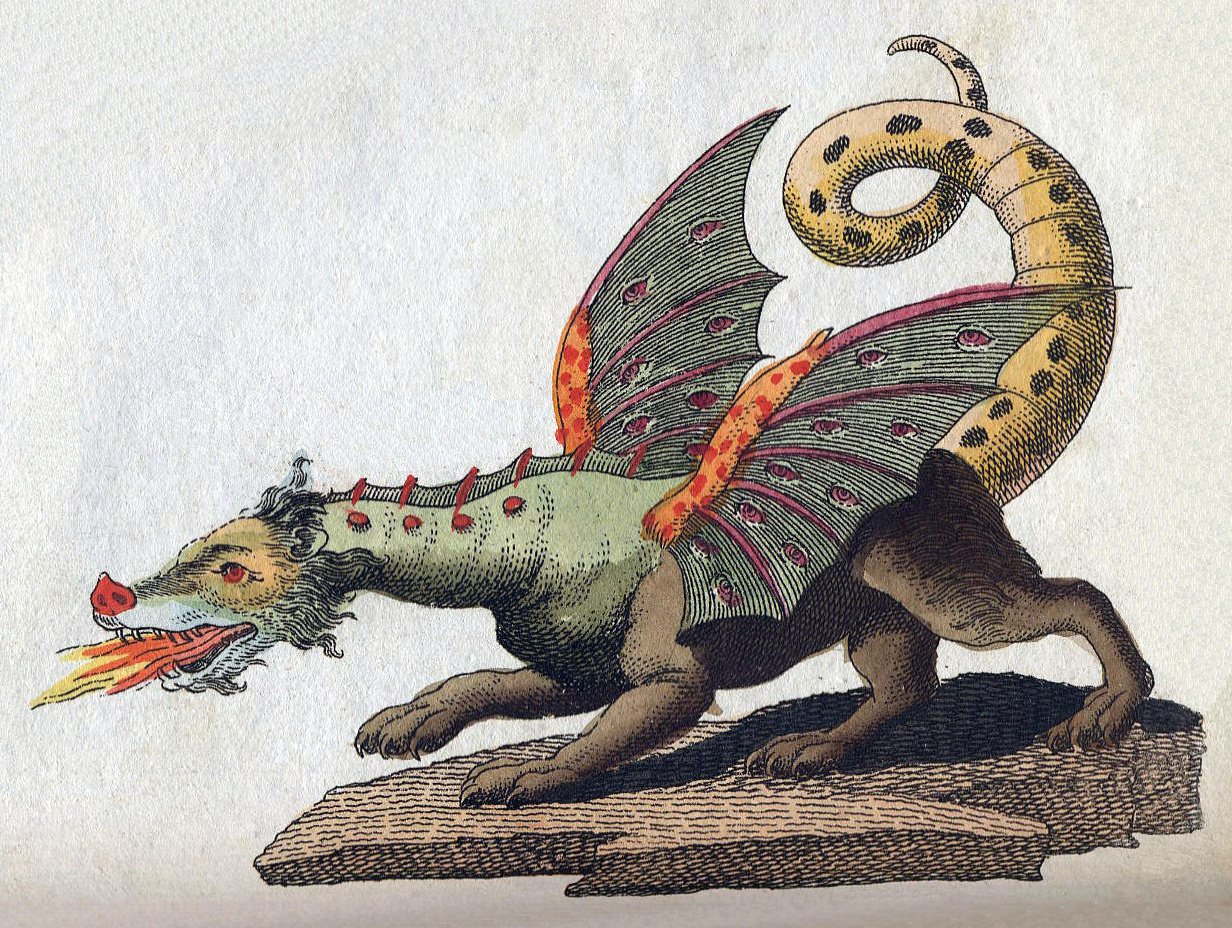
Dragons are legendary beings depicted as giant snakes or composite animals with wings and claws. They appear in the myths of Mesopotamia, Egypt, Greece, East Asia, and the Americas. Cultures view them as either benevolent weather gods or malevolent forces of destruction.
- Chinese dragons symbolize imperial power and control water.
- Ancient Greeks called large serpents drakontes.
- Egyptian Apep battles the sun god Ra every night.
- The word comes from Greek for 'seeing' or 'serpent'.
- Fossils may have inspired ancient dragon stories.
What it is
A dragon is a legendary beast that appears in stories across many cultures. It usually looks like a huge snake, but often has extra parts like wings, claws, or horns. People see these creatures as very powerful. Some stories show them as helpful spirits. Other tales describe them as dangerous monsters that bring disaster. The image changes depending on where you are in the world.
Where it comes from
The word comes from Greek and Latin terms for a large snake. Early drawings in Mesopotamia show snake-like monsters. These images date back thousands of years. Scholars think the idea might come from an innate human fear of snakes. Others suggest people found dinosaur bones and made up stories about them. Another theory links dragons to weather patterns like rainbows.
Dragon, drawn and placed
- Living
- Revived
- Fading
- Historical
- Legendary
- Performed
- Lineage
- global mythology
- Timing
- ancient periods
What it is for
In some places, dragons represent royal power. Chinese emperals used them as symbols of their rule. In other traditions, they stand for chaos or evil. Heroes often fight them to prove their strength. Priests might use their image to show protection. They serve as warnings or as signs of great authority.
Peoples and places
East Asian cultures often view dragons positively. They are linked to water and good weather. Ancient Greeks saw them as dangerous serpents defeated by heroes. Egyptian myths feature giant snakes in the underworld. Mesopotamian art shows both friendly and hostile dragon figures. Persian and Norse legends also include famous dragon characters.
At a glance: who, where and when
Belief worlds



What people believe
Many myths say dragons live in dark caves or deep oceans. These are places early humans feared. Some believe they control the rain or storms. Others think they guard treasure or secrets. The ouroboros, a snake eating its tail, symbolizes eternity. This image was later used in alchemy and magic texts.
How scholars and sceptics see it
Anthropologists suggest humans have a natural fear of snakes. This fear might explain why so many cultures have dragon myths. Paleontologists note that fossil discoveries could inspire these stories. Bones of extinct animals look like dragon remains. Linguists trace the word through Greek and Latin roots. Historians study how the image changed over time.
Compare and confuse
Dragons differ from western demons. Eastern dragons are often wise and kind. Western ones are usually wicked. Wyverns have two legs and wings. True dragons have four legs and wings. Serpents are just snakes without extra limbs. Each culture gives the creature a different name and role.
Today
Dragons remain popular in books and movies. Writers like Tolkien and Martin use them in fantasy stories. They appear in games and cartoons. The image is still used in logos and coats of arms. Modern fans enjoy collecting dragon art and toys. The legend continues to grow in new media.
Questions people ask about Dragon
What is a dragon?
A dragon is a mythical creature found in many cultures. It usually looks like a giant snake. It often has wings, claws, or horns. People see it as powerful and awe-inspiring.
Where does the word come from?
It comes from the Greek word drakōn. This means serpent. It likely relates to a verb for seeing. The Latin version is draco. Both refer to large snakes.
Are all dragons evil?
No. In East Asia, they are positive. They bring rain and luck. In the West, they are often bad. They represent chaos or death. The meaning depends on the culture.
Why do so many cultures have them?
Scholars suggest a few reasons. Humans might fear snakes naturally. Fossils of big animals could inspire stories. Weather patterns like rainbows might be linked. The idea appears in ancient Near Eastern art.
Good reading and sources
- Dragon on WikipediaEncyclopedia
- More photos on Wikimedia CommonsPhotos and video
- Wikidata recordOpen data
The facts on this page come from the Wikipedia article "Dragon", written by its contributors and used under the CC BY-SA 4.0 licence, and from its Wikidata record (CC0). EveryJaadu rewrote the text in its own words, with AI assistance, and compares every page with the article to make sure no passage is copied. It may be reused under the same CC BY-SA 4.0 licence with a link back.
It may contain mistakes. Names and customs differ from one community to the next, and some knowledge is closed to outsiders and left out here. This page describes belief and practice. It does not say that any of it works, it is not a how-to, and it is not medical advice. If something is wrong, tell us. Last refreshed 2026-10-06.
More from China
All the entries from China 🇪🇬 Egypt and 3 moreAmulet
A portable object worn or carried to ward off harm and invite fortuneCharm · Protection · Luck and prosperity Living
🇪🇬 Egypt and 3 moreAmulet
A portable object worn or carried to ward off harm and invite fortuneCharm · Protection · Luck and prosperity Living
 🇸🇩 Sudan and 5 moreIncense
Aromatic plant materials burned to release fragrant smoke for ritual, scent, or timekeeping.Substance · Protection · Speaking with spirits and the dead Living
🇸🇩 Sudan and 5 moreIncense
Aromatic plant materials burned to release fragrant smoke for ritual, scent, or timekeeping.Substance · Protection · Speaking with spirits and the dead Living
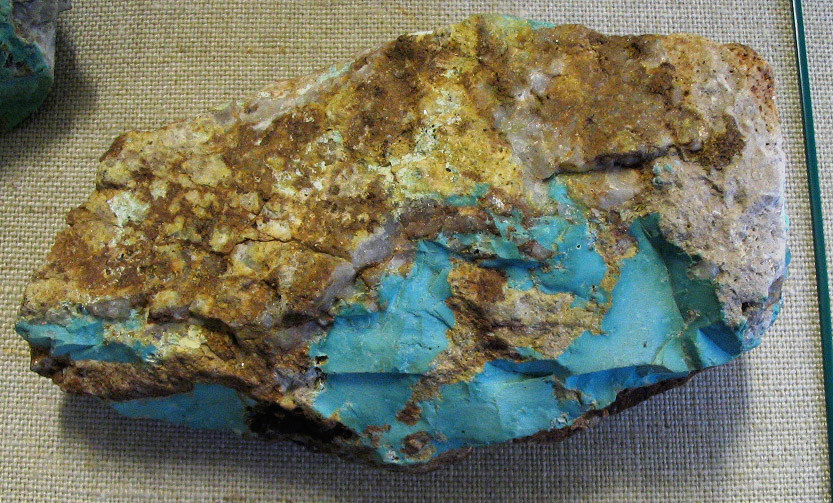 🇮🇷 Iran and 5 moreTurquoise
An opaque blue-green gemstone prized for its color since ancient timesSubstance · Protection · Luck and prosperity Living
🇮🇷 Iran and 5 moreTurquoise
An opaque blue-green gemstone prized for its color since ancient timesSubstance · Protection · Luck and prosperity Living
Related elsewhere
All being 🇮🇸 Iceland and 1 moreNornsnornir
Fate-weaving figures from Norse myth who shape human destiny and tend the world tree.Being · Cursing and harm · Luck and prosperity Historical
🇮🇸 Iceland and 1 moreNornsnornir
Fate-weaving figures from Norse myth who shape human destiny and tend the world tree.Being · Cursing and harm · Luck and prosperity Historical
 🇷🇸 Serbia and 5 moreVampire
An undead creature from folklore that feeds on the blood or life force of the livingBeing · Cursing and harm · Luck and prosperity Legendary
🇷🇸 Serbia and 5 moreVampire
An undead creature from folklore that feeds on the blood or life force of the livingBeing · Cursing and harm · Luck and prosperity Legendary