🇮🇷 Magic in Iran
89 entries from Iran, best known first, across 14 places of magic.
Iranian folklore weaves ancient myth, Islamic tradition, and pre-Islamic heritage into a rich tapestry of oral tales, heroic epics, and protective customs. It exists alongside mainstream religions, offering a distinct layer of folk belief focused on spirits, divination, and seasonal rites.
- Esfand seeds are burned to protect against the evil eye
- Rostam is the central hero of the Shahnameh epic
- Zār spirits possess individuals in southern coastal regions
- Chaharshanbe Suri involves jumping over bonfires before Nowruz
- Hafez poetry is used for bibliomantic divination
Overview
The folk traditions of Greater Iran blend pre-Islamic Zoroastrian elements with later Islamic and Turkic influences. Storytelling remains central, from royal minstrels to coffeehouse poets. The culture values the epic hero and the clever trickster. Beliefs in unseen forces shape daily life, from avoiding the evil eye to honoring nature spirits. This system operates parallel to formal religion, providing explanations for misfortune and guidance through omens.
Practices and beliefs
People use amulets like the evil eye bead or burning esfand seeds to ward off harm. Divination is common, including reading Hafez poetry or observing animal entrails. Spirits such as the djinn, created from smokeless fire, and the zār, a coastal possession spirit, are widely acknowledged. Protective charms often involve mirrors or specific prayers recited during rituals.
Rites and charms
Nowruz marks the spring equinox with bonfire jumping on Chaharshanbe Suri. Families picnic on Sizdebedar, the thirteenth day after New Year. Yaldā Night celebrates the winter solstice with storytelling and fruit. Weddings feature a silver mirror and candles on the sofra cloth. These ceremonies align with agricultural cycles and historical myths, reinforcing community bonds.
Who practises
Minstrels called gosans or huniyagars performed for courts and public audiences. Diviners interpret omens from sneezes, cards, or chickpeas. Healers may burn esfand to cleanse spaces of negative energy. Spiritual mediums address zār possession in southern regions. Heroes like Rostam serve as cultural archetypes rather than active practitioners.
Regions and communities
Southern coastal areas recognize the zār spirit, distinct from northern mountain beliefs. Turkic communities in Azerbaijan honor Takam, the goat king, through theatrical recitations. Kurdish traditions include figures like Koroghlu. Urban coffeehouses preserve storytelling differently than rural village gatherings. Regional variations reflect local history and ethnic diversity within the broader Iranian sphere.
The calendar
Nowruz begins in spring with fire rituals. Yaldā occurs at the winter solstice, emphasizing light against darkness. Sizdebedar follows New Year with outdoor picnics. Weddings follow specific symbolic arrangements involving mirrors. These events structure the year around natural transitions and ancestral memory.
Law and the state
Folk practices generally operate within social norms without state interference. Some rituals, like zār ceremonies, face skepticism from religious authorities but persist locally. No widespread persecution is noted in the sources. Colonial or missionary labeling of these beliefs is not mentioned.
Today
Oral traditions continue in urban coffeehouses and digital media. Migration has spread Iranian folktales globally. Tourism sometimes commercializes Nowruz celebrations. Younger generations engage with heroes like Rostam through modern adaptations. The balance between ancient custom and contemporary life remains dynamic.
The facts in this overview come from the Wikipedia article "Iranian folklore", written by its contributors and used under the CC BY-SA 4.0 licence. EveryJaadu rewrote the text in its own words, with AI assistance, and compares every page with the article to make sure no passage is copied. It may be reused under the same CC BY-SA 4.0 licence with a link back.
 🇪🇬 Egypt and 5 moreAmulet
A portable object worn or carried to ward off harm and invite fortuneCharm · Protection · Luck and prosperity Living
 🇮🇪 Ireland and 5 moreBonfire
A large outdoor fire used in seasonal festivals and religious feasts across many culturesRite · Cleansing and purification · Speaking with spirits and the dead Living
 🇮🇷 Iran and 5 moreKnocking on wood
A gesture of tapping wood to ward off bad luck or prevent tempting fateBelief · Protection · Luck and prosperity Living
 🇮🇷 Iran and 2 moreBibliomancy
Divination by opening a book at random and reading the first passage foundOracle · Seeing and foretelling · Power and authority Living
 🇮🇶 Iraq and 1 morePazuzu𒀭𒅆𒊒𒍪𒍪 (pà.zu.zu)
A Mesopotamian wind demon and protective amulet against child-harming spiritsBeing · Protection · Cursing and harm Historical
 🇮🇶 Iraq and 1 moreLamassu𒀭𒆗 (dlamma)
A Mesopotamian guardian spirit, a winged bull with a human head, set to watch the gatesBeing · Protection · Power and authority Historical
 🇮🇷 Iran and 3 moreIranian folkloreفولکلور ایرانی
The oral legends, heroes, and spirits of Greater IranTradition · Protection · Seeing and foretelling Living
 🇮🇪 Ireland and 4 moreWinter solstice
The shortest day and longest night of the year, marked by rites of solar returnTradition · Seeing and foretelling · Protection Living
 🇮🇳 India and 5 morePilgrimage
A journey to a sacred site for spiritual growth or religious dutyTradition · Healing · Speaking with spirits and the dead Living
🇮🇶 Iraq and 3 moreAncient Mesopotamian religion
The polytheistic beliefs and practices of Sumer, Akkad, Assyria and Babylonia from 6000 BC to 500 ADTradition · Power and authority · Speaking with spirits and the dead Historical
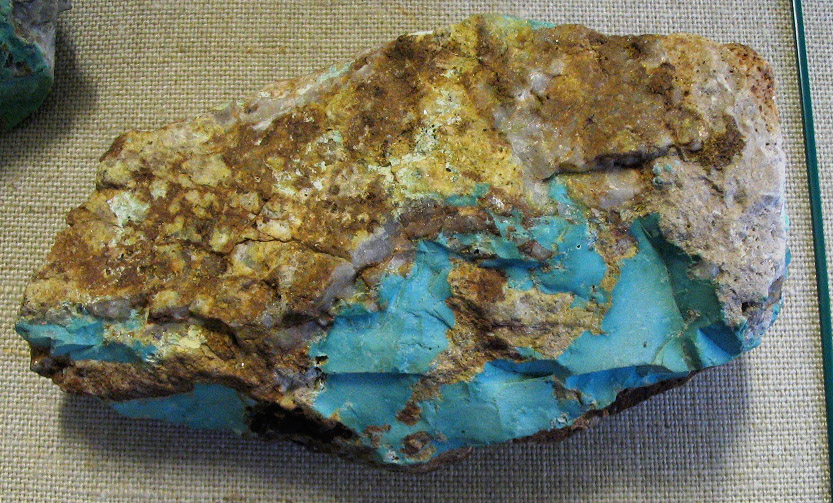 🇮🇷 Iran and 5 moreTurquoise
An opaque blue-green gemstone prized for its color since ancient timesSubstance · Protection · Luck and prosperity Living
 🇮🇷 Iran and 4 moreJinnجِنّ
Supernatural beings in Islamic and pre-Islamic Arabian belief, capable of shapeshifting and living in society.Being · Protection · Cursing and harm Living
 🇪🇬 Egypt and 5 moreHamsaخمسة
A palm-shaped amulet used across North Africa and the Middle East for protection.Charm · Protection · Luck and prosperity Living
 🇮🇳 India and 1 moreMantraमन्त्रम्
A sacred sound or phrase repeated to focus the mind and invoke spiritual powerText · Speaking with spirits and the dead · Power and authority Living
 🇮🇷 Iran and 4 moreChaharshanbe Suriچهارشنبهسوری
An Iranian fire festival marking the end of winter and the eve of NowruzTradition · Luck and prosperity · Speaking with spirits and the dead Living
 🇮🇷 Iran and 7 moreNowruzنوروز
A spring equinox festival marking the new year across West and Central AsiaTradition · Luck and prosperity · Cleansing and purification Living
 🇮🇳 India and 5 moreAncestor veneration
Rituals to honor the dead and maintain kinship bonds across generationsTradition · Speaking with spirits and the dead · Protection Living
🇮🇳 India and 5 moreAncestor veneration
Rituals honoring the dead to maintain kinship bonds and seek guidance from spiritsTradition · Speaking with spirits and the dead · Protection Living
🇪🇬 Egypt and 5 moreAmulet
A portable object worn or carried to ward off harm and invite protection.Charm · Protection · Healing Living
 🇮🇶 Iraq and 1 moreTawûsî Melekتاوسی مەلەک
The central angel of Yazidism, known as the Peacock Angel and leader of the Seven Mysteries.Being · Power and authority · Speaking with spirits and the dead Living
 🇦🇲 Armenia and 3 moreNardoqanНартуған
A Turkic winter solstice celebration marking the birth of the sunTradition · Wonder and entertainment Revived
🇦🇲 Armenia and 5 moreSpilling water for luck
A folk custom of pouring water to wish a traveler or worker a smooth journeyBelief · Luck and prosperity · Protection Living
 🇮🇷 Iran and 2 moreSuperstitions in Muslim societies
Beliefs in supernatural forces and charms found across the Islamic worldTradition · Protection · Healing Living
🇮🇷 IranFāl-gūshفالگوش
A Persian divination custom of listening to strangers' words for omensRite · Seeing and foretelling Historical
🇮🇷 IranFaravaharفَرَوَهَر
Zoroastrian guardian spirits: ancestor-warriors and each person's unseen twinBeing · Protection · Speaking with spirits and the dead Living
 🇪🇬 Egypt and 5 moreIsrael-related animal conspiracy theories
Recurring claims that Israel's spies ride on sharks, vultures and dolphinsBelief Living
🇮🇷 Iran and 4 moreJinnجِنّ
Concealed beings from Arabian and Islamic tradition, accountable for their actions like humans.Being · Protection · Cursing and harm Living
Photo credits on this page
The small pictures above come from Wikimedia Commons under free licences. Some are cropped to fit.
- Ancient Mesopotamian religion: editor Austen Henry Layard , drawing by L. Gruner, Public domain, source
- Lamassu: Daderot, CC0, source
- Winter solstice: Image by Przemyslaw " Blueshade " Idzkiewicz, CC BY-SA 2.0, source
- Pilgrimage: Ali Mansuri, CC BY-SA 2.5, source
- Nowruz: Katzenfee50, CC0, source
- Iranian folklore: Hossein Mirkamali, CC BY 4.0, source
- Nardoqan: Ollios, CC BY-SA 4.0, source
- Turquoise: Unknown author, Public domain, source
- Ancestor veneration: Thang Nguyen, CC BY-SA 2.0, source
- Amulet: Anonymous ( Egypt ) Unknown author, Public domain, source
- Israel-related animal conspiracy theories: Sumeet Moghe, CC BY-SA 3.0, source
- Chaharshanbe Suri: Philippe Giabbanelli, CC BY 3.0, source
- Jinn: VenusFeuerFalle, CC0, source
- Bibliomancy: Albert Robida, Public domain, source
- Bonfire: S Marshall, CC BY 3.0, source
- Hamsa: Kritzolina, CC BY-SA 4.0, source
- Mantra: Markrosenrosen, CC BY-SA 3.0, source
- Knocking on wood: The White House, Public domain, source
- Tawûsî Melek: Bernd Schwabe in Hannover, CC BY 3.0, source
- Superstitions in Muslim societies: Unknown author, CC0, source
The weekly digest
Every Monday: seven entries you may not know, what is on the calendar this week, and one rite drawn step by step.