
Zoroaster
In its own language: Zarathushtra Spitama
Likely means 'he who manages camels', though interpretations vary
Spiritual founder of Zoroastrianism and composer of the Gathas
Zoroaster was an ancient Iranian religious reformer who established Zoroastrianism. He is traditionally credited with authoring the Gathas, a collection of hymns that form the core of Zoroastrian scripture.
- Composer of the Gathas, core Zoroastrian hymns
- Founded Zoroastrianism in ancient Iran
- Name likely means 'he who manages camels'
- Recognized as prophet in Bahá'í and Ahmadi faiths
- Dating ranges from 1500 BC to 6th century BC
What it is
Zoroaster, known in Avestan as Zarathushtra Spitama, was an Iranian religious reformer and the spiritual founder of Zoroastrianism. In the oldest scriptures, the Gathas, he is described as a preacher and poet-prophet. His teachings introduced a cosmic dualism between truth and deception. He is also recognized as a prophet in the Bahá'í Faith, Ahmadiyya, and the Ahmadi Religion.
Where it comes from
Scholars debate his era, ranging from the 2nd millennium BC to the 6th century BC. Classical sources placed him thousands of years before historical figures like Xerxes I. Modern scholarship often uses linguistic evidence linking Old Avestan to Sanskrit, suggesting a date around 1000 BC. Zoroastrian tradition places his revelation at age 30, two centuries before Alexander the Great.
Zoroaster, drawn and placed
- Living
- Revived
- Fading
- Historical
- Legendary
- Performed
- Lineage
- Zoroastrianism
Who does it
Little is known about his life beyond the texts. Tradition says he was trained as a priest and gained royal patronage under King Vishtaspa. He married three times and had six children. His philosophy emphasized free will and ethical responsibility through good thoughts, words, and deeds.
Peoples and places
Zoroastrianism became prominent in Greater Iran from the 6th century BC until the 7th century AD. The religion faced persecution after the Arab-Muslim conquest. His name appears in various forms across cultures, including Middle Persian Zardu(x)št and Armenian Zradašt. Some scholars suggest his influence reached Greece and the Abrahamic religions.
At a glance: who, where and when

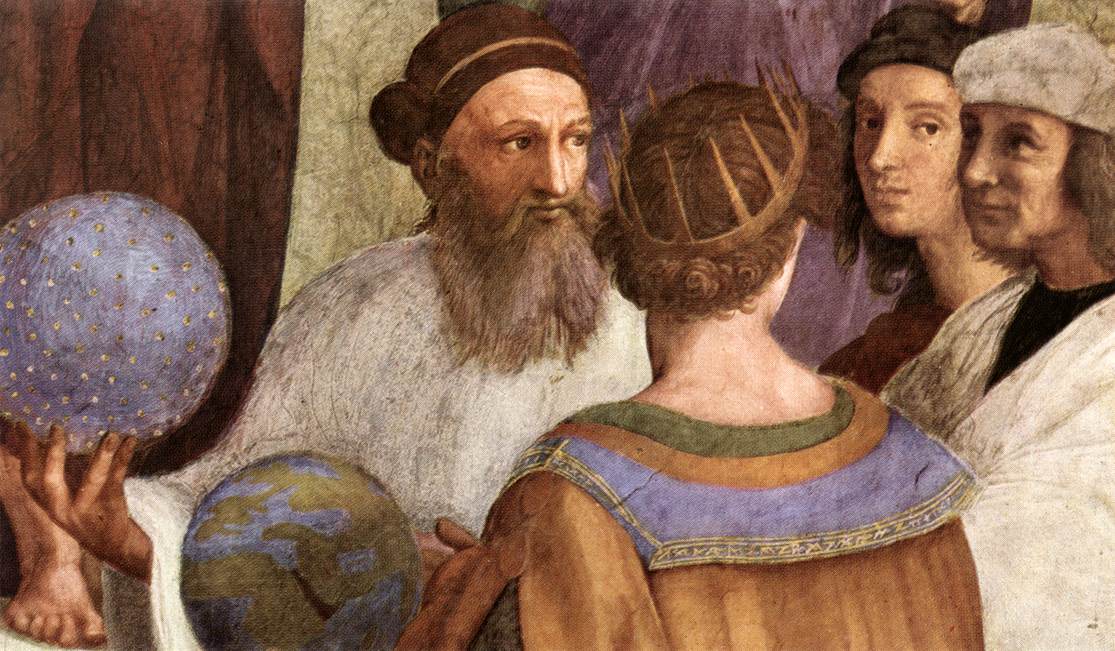


What people believe
Zoroaster experienced a divine revelation introducing him to Ahura Mazda, the Wise Lord. He taught the dualism of asha (truth) versus druj (deception). His philosophy aligned followers with asha through ethical conduct. The Gathas portray a society of warrior-herdsmen and priests, reflecting an ancient Indo-Iranian worldview.
How scholars and sceptics see it
Dating remains contested. Late dating places him in the 7th or 6th century BC, linking him to historical figures like Darius I. Early dating, supported by linguists like Mary Boyce, suggests 1500–1000 BC based on similarities with the Rigveda. Some classical accounts propose much earlier dates, such as 6000 years before Xerxes I.
Compare and confuse
His name varies across languages: Greek Zōroastrēs, Middle Persian Zardu(x)št, and modern Persian Zartosht. The Greek form may derive from a phonetic adaptation of Avestan zaraθ-. Some scholars link his ideas to Heraclitus, Plato, and Pythagoras, though this is controversial.
Questions people ask about Zoroaster
What does Zoroaster's name mean?
The name Zaraθuštra likely means 'he who manages camels'. Other interpretations include 'with old camels' or 'who is driving camels'. The Greek form Zoroaster comes from later transliterations.
When did Zoroaster live?
There is no consensus. Scholars suggest dates ranging from the 2nd millennium BC to the 6th century BC. Many modern scholars favor around 1000 BC based on linguistic evidence.
What are the Gathas?
The Gathas are a collection of hymns composed in Old Avestan. They form the core of Zoroastrian scripture and are traditionally attributed to Zoroaster himself.
Where was Zoroaster from?
He likely spoke Avestan and hailed from eastern Greater Iran. Bactra, now in modern-day Afghanistan, is a possible birthplace according to scholarly estimates.
Good reading and sources
- Zoroaster on WikipediaEncyclopedia
- More photos on Wikimedia CommonsPhotos and video
- Wikidata recordOpen data
The facts on this page come from the Wikipedia article "Zoroaster", written by its contributors and used under the CC BY-SA 4.0 licence, and from its Wikidata record (CC0). EveryJaadu rewrote the text in its own words, with AI assistance, and compares every page with the article to make sure no passage is copied. It may be reused under the same CC BY-SA 4.0 licence with a link back.
It may contain mistakes. Names and customs differ from one community to the next, and some knowledge is closed to outsiders and left out here. This page describes belief and practice. It does not say that any of it works, it is not a how-to, and it is not medical advice. If something is wrong, tell us. Last refreshed 2026-10-05.
More from Iran
All the entries from Iran 🇮🇷 Iran and 5 moreParīپری
A winged being of Persian origin, linked to beauty and the spirit world across AsiaBeing · Love and attraction · Cursing and harm Legendary
🇮🇷 Iran and 5 moreParīپری
A winged being of Persian origin, linked to beauty and the spirit world across AsiaBeing · Love and attraction · Cursing and harm Legendary
 🇮🇷 Iran and 3 moreIranian folkloreفولکلور ایرانی
The oral legends, heroes, and spirits of Greater IranTradition · Protection · Seeing and foretelling Living
🇮🇷 Iran and 3 moreIranian folkloreفولکلور ایرانی
The oral legends, heroes, and spirits of Greater IranTradition · Protection · Seeing and foretelling Living
 🇦🇫 Afghanistan and 2 moreAbu Ma'shar al-Balkhiابومَعْشَر جعفر بن محمد بن عمر بلخی
A Persian astrologer whose manuals shaped medieval European and Islamic celestial studiesText · Seeing and foretelling · Power and authority Historical
🇦🇫 Afghanistan and 2 moreAbu Ma'shar al-Balkhiابومَعْشَر جعفر بن محمد بن عمر بلخی
A Persian astrologer whose manuals shaped medieval European and Islamic celestial studiesText · Seeing and foretelling · Power and authority Historical
 🇷🇺 Russia and 3 moreFirebird
A glowing bird of Slavic folklore that brings both fortune and peril to those who seek itFigure · Wonder and entertainment · Luck and prosperity Legendary
🇷🇺 Russia and 3 moreFirebird
A glowing bird of Slavic folklore that brings both fortune and peril to those who seek itFigure · Wonder and entertainment · Luck and prosperity Legendary
Related elsewhere
All figure 🇷🇸 Serbia and 5 moreVampire
An undead creature from folklore that feeds on the blood or life force of the livingBeing · Cursing and harm · Luck and prosperity Legendary
🇷🇸 Serbia and 5 moreVampire
An undead creature from folklore that feeds on the blood or life force of the livingBeing · Cursing and harm · Luck and prosperity Legendary
 🇬🇧 United Kingdom and 2 moreKing ArthurBrenin Arthur
A legendary British king and folk hero of medieval literature and Welsh mythologyFigure · Power and authority · Wonder and entertainment Legendary
🇬🇧 United Kingdom and 2 moreKing ArthurBrenin Arthur
A legendary British king and folk hero of medieval literature and Welsh mythologyFigure · Power and authority · Wonder and entertainment Legendary
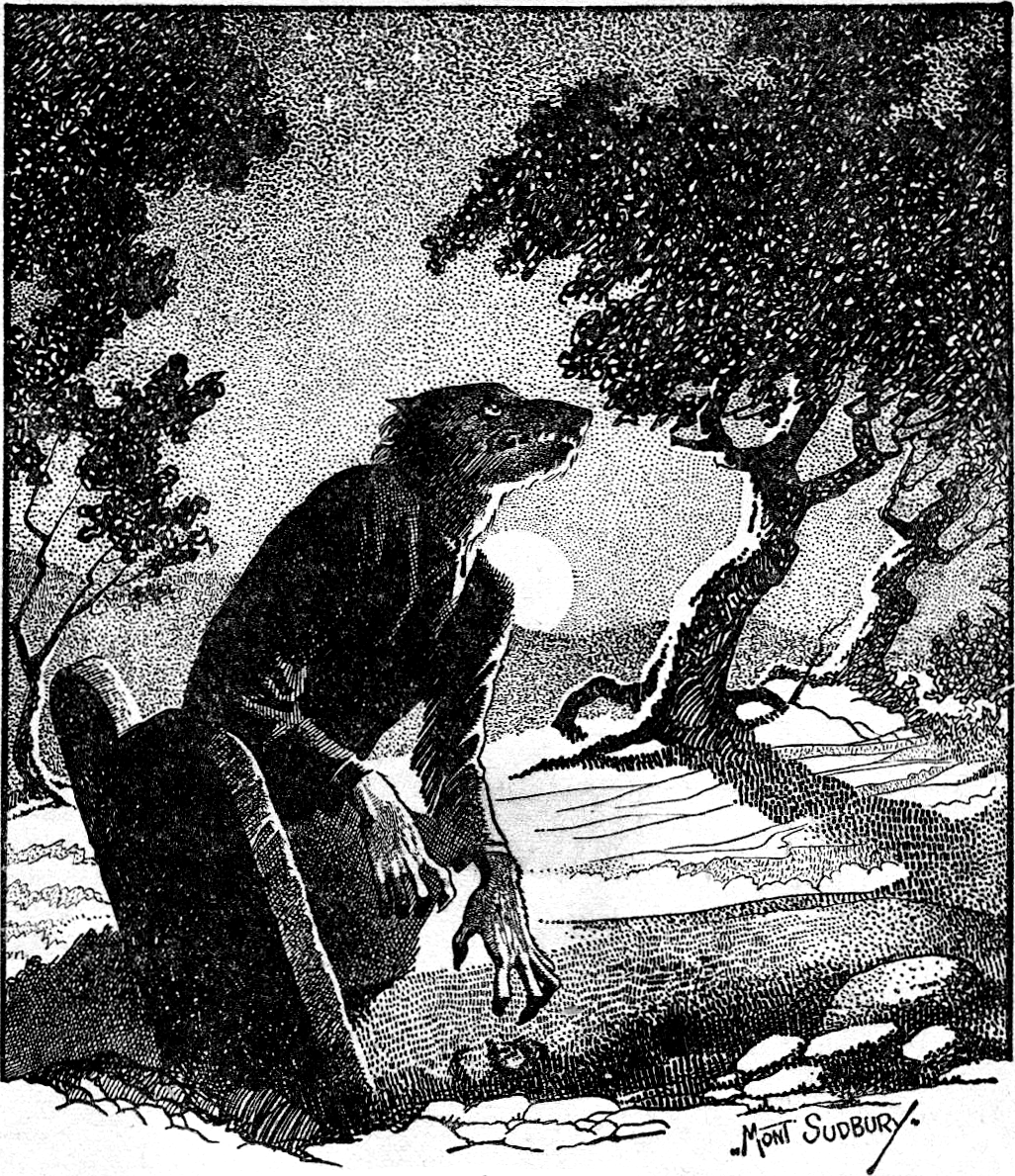 🇫🇷 France and 5 moreWerewolf
A mythical shapeshifter that turns into a wolf, central to European witch-hunts and Gothic horror.Being · Cursing and harm · Wonder and entertainment Legendary
🇫🇷 France and 5 moreWerewolf
A mythical shapeshifter that turns into a wolf, central to European witch-hunts and Gothic horror.Being · Cursing and harm · Wonder and entertainment Legendary
 🇪🇬 Egypt and 1 moreLilithלִילִית
A feminine figure from Mesopotamian and Jewish mythology, often depicted as a night demon or spirit.Being · Cursing and harm Legendary
🇪🇬 Egypt and 1 moreLilithלִילִית
A feminine figure from Mesopotamian and Jewish mythology, often depicted as a night demon or spirit.Being · Cursing and harm Legendary