🇮🇷 Magic in Iran
89 entries from Iran, best known first, across 14 places of magic.
Iranian folklore weaves ancient myth, Islamic tradition, and pre-Islamic heritage into a rich tapestry of oral tales, heroic epics, and protective customs. It exists alongside mainstream religions, offering a distinct layer of folk belief focused on spirits, divination, and seasonal rites.
- Esfand seeds are burned to protect against the evil eye
- Rostam is the central hero of the Shahnameh epic
- Zār spirits possess individuals in southern coastal regions
- Chaharshanbe Suri involves jumping over bonfires before Nowruz
- Hafez poetry is used for bibliomantic divination
Overview
The folk traditions of Greater Iran blend pre-Islamic Zoroastrian elements with later Islamic and Turkic influences. Storytelling remains central, from royal minstrels to coffeehouse poets. The culture values the epic hero and the clever trickster. Beliefs in unseen forces shape daily life, from avoiding the evil eye to honoring nature spirits. This system operates parallel to formal religion, providing explanations for misfortune and guidance through omens.
Practices and beliefs
People use amulets like the evil eye bead or burning esfand seeds to ward off harm. Divination is common, including reading Hafez poetry or observing animal entrails. Spirits such as the djinn, created from smokeless fire, and the zār, a coastal possession spirit, are widely acknowledged. Protective charms often involve mirrors or specific prayers recited during rituals.
Rites and charms
Nowruz marks the spring equinox with bonfire jumping on Chaharshanbe Suri. Families picnic on Sizdebedar, the thirteenth day after New Year. Yaldā Night celebrates the winter solstice with storytelling and fruit. Weddings feature a silver mirror and candles on the sofra cloth. These ceremonies align with agricultural cycles and historical myths, reinforcing community bonds.
Who practises
Minstrels called gosans or huniyagars performed for courts and public audiences. Diviners interpret omens from sneezes, cards, or chickpeas. Healers may burn esfand to cleanse spaces of negative energy. Spiritual mediums address zār possession in southern regions. Heroes like Rostam serve as cultural archetypes rather than active practitioners.
Regions and communities
Southern coastal areas recognize the zār spirit, distinct from northern mountain beliefs. Turkic communities in Azerbaijan honor Takam, the goat king, through theatrical recitations. Kurdish traditions include figures like Koroghlu. Urban coffeehouses preserve storytelling differently than rural village gatherings. Regional variations reflect local history and ethnic diversity within the broader Iranian sphere.
The calendar
Nowruz begins in spring with fire rituals. Yaldā occurs at the winter solstice, emphasizing light against darkness. Sizdebedar follows New Year with outdoor picnics. Weddings follow specific symbolic arrangements involving mirrors. These events structure the year around natural transitions and ancestral memory.
Law and the state
Folk practices generally operate within social norms without state interference. Some rituals, like zār ceremonies, face skepticism from religious authorities but persist locally. No widespread persecution is noted in the sources. Colonial or missionary labeling of these beliefs is not mentioned.
Today
Oral traditions continue in urban coffeehouses and digital media. Migration has spread Iranian folktales globally. Tourism sometimes commercializes Nowruz celebrations. Younger generations engage with heroes like Rostam through modern adaptations. The balance between ancient custom and contemporary life remains dynamic.
The facts in this overview come from the Wikipedia article "Iranian folklore", written by its contributors and used under the CC BY-SA 4.0 licence. EveryJaadu rewrote the text in its own words, with AI assistance, and compares every page with the article to make sure no passage is copied. It may be reused under the same CC BY-SA 4.0 licence with a link back.
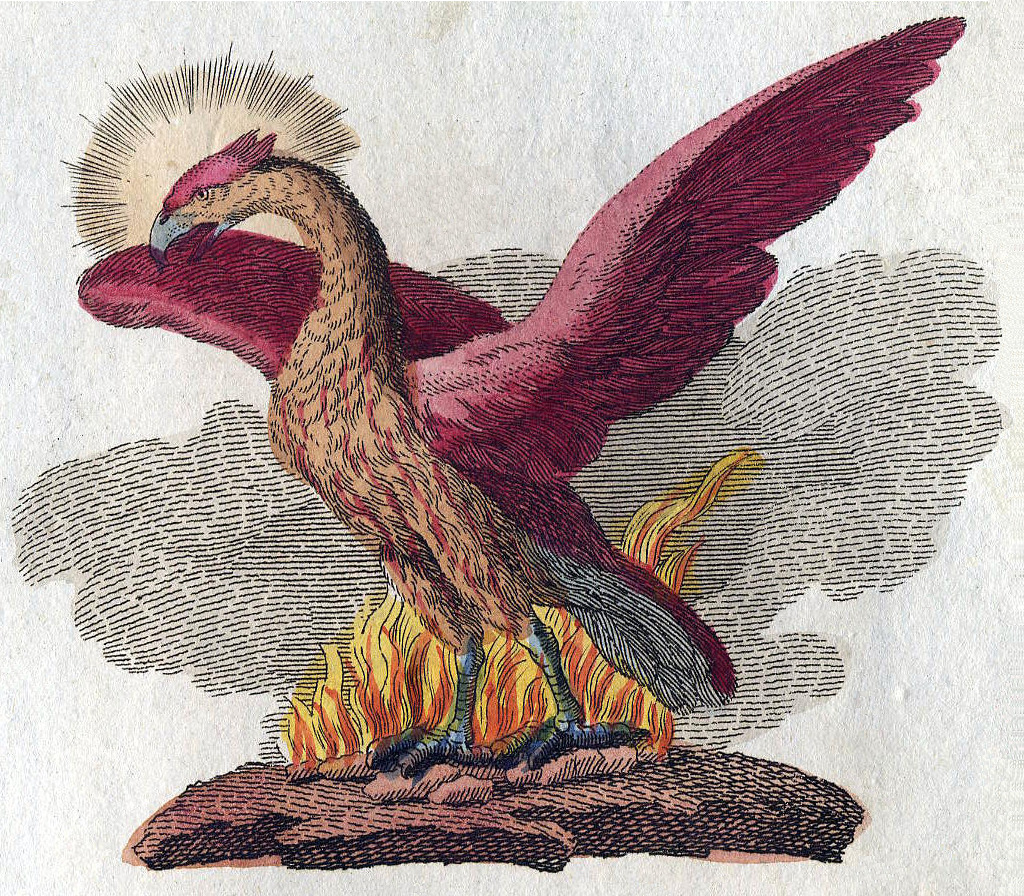 🇬🇷 Greece and 2 morePhoenix
A legendary bird that dies and is reborn from its own ashesBeing · Wonder and entertainment Legendary
 🇮🇶 Iraq and 1 moreTawûsî Melekتاوسی مەلەک
The central angel of Yazidism, known as the Peacock Angel and leader of the Seven Mysteries.Being · Power and authority · Speaking with spirits and the dead Living
🇮🇷 Iran and 2 moreYazata𐬫𐬀𐬰𐬀𐬙𐬀
A Zoroastrian term for divine beings worthy of worship and venerationBeing · Speaking with spirits and the dead · Power and authority Historical
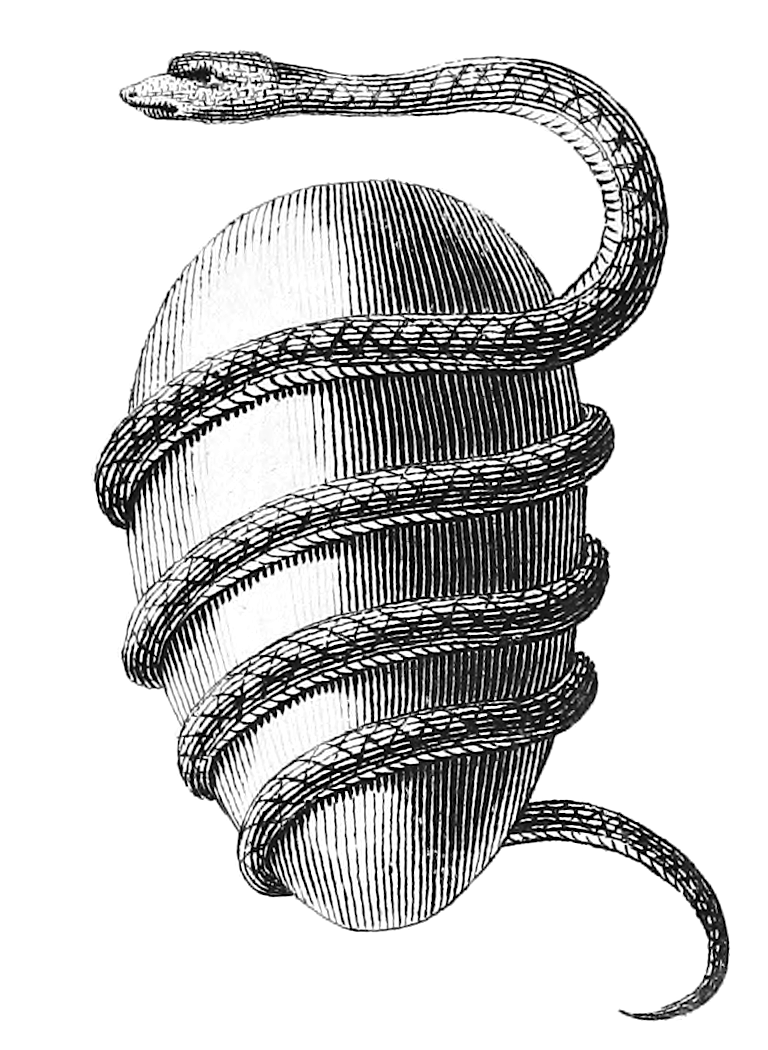 🇧🇫 Burkina Faso and 5 moreCosmic egg
A mythological motif where the universe or a creator emerges from a primordial egg.Belief · Wonder and entertainment Historical
 🇮🇷 IranFravashi
A personal spirit in Zoroastrian belief that guides the living and protects the dead.Being · Protection · Speaking with spirits and the dead Living
🇯🇵 Japan and 3 moreBahamutبهموت
A cosmic fish or bull that supports the earth in medieval Islamic cosmographyBeing · Power and authority Legendary
 🇮🇷 Iran and 1 moreDerafsh Kavianiدرفش کاویانی
A legendary royal standard of pre-Islamic Iran, later adopted as a symbol of national identity.Charm · Power and authority · Luck and prosperity Historical
 🇷🇸 Serbia and 5 moreWolves in folklore, religion and mythology
A global survey of how cultures view the wolf as symbol, spirit or threatBelief · Power and authority · Cursing and harm Historical
 🇮🇷 IranAzhdahaاژدها
A winged serpent from Iranian myth and literature, often linked to the dragon archetype.Being · Wonder and entertainment Legendary
🇦🇲 Armenia and 2 moreAzhdahakԱժդահակ
A dragon-like demon of Armenian and Iranian myth, imprisoned in a mountain until the end of time.Figure · Cursing and harm Legendary
🇲🇱 Mali and 4 moreKonrulQonrul
A giant bird of Turkic myth that regenerates and aids heroesBeing · Power and authority Legendary
🇮🇷 IranFaravaharفَرَوَهَر
Zoroastrian guardian spirits: ancestor-warriors and each person's unseen twinBeing · Protection · Speaking with spirits and the dead Living
🇮🇷 IranBalaibalanباليبلن
An early constructed language from the Islamic world, likely created for sacred or poetic purposes.Text · Speaking with spirits and the dead · Wonder and entertainment Historical
🇮🇶 Iraq and 1 moreAramaic Uruk incantation
A Seleucid-era magical tablet written in Aramaic using cuneiform signsText · Cursing and harm · Protection Historical
 🇮🇷 IranArzhang Divارژنگ دیو
A demon chief in Persian epic who is defeated by the hero RostamFigure · Cursing and harm Legendary
🇮🇳 India and 1 moreManba al-Ansabمنبع الانساب
A Persian manuscript tracing Sayyid lineage and Sufi practice in early modern IndiaText · Speaking with spirits and the dead · Power and authority Historical
 🇮🇷 IranAkvan Divاکوان دیو
A shape-shifting demon from Persian mythology that disguises itself as a wild horse.Being · Cursing and harm Legendary
🇮🇷 Iran and 1 moreBabr-e Bayanبَبْرِ بَیان
A legendary armor worn by the Iranian hero Rostam, said to be made from a dragon's skin.Figure · Protection · Power and authority Legendary
 🇦🇲 Armenia and 3 moreNardoqanНартуған
A Turkic winter solstice celebration marking the birth of the sunTradition · Wonder and entertainment Revived
 🇮🇷 Iran and 5 moreAxis mundi
A concept describing a central point connecting the earthly and heavenly realms.Belief · Speaking with spirits and the dead · Power and authority Historical
 🇮🇱 Israel and 1 morePardesפרד״ס
A four-level method for interpreting Jewish scriptureText · Speaking with spirits and the dead Historical
 🇪🇬 Egypt and 4 moreAlchemy in the medieval Islamic world
The study of matter and spirit by scholars in the early Islamic CaliphateTradition · Change and initiation · Power and authority Historical
🇺🇿 Uzbekistan and 3 moreCurse of TimurПроклятие Тамерлана
A rumor that disturbing the conqueror's tomb brings invasion and calamity.Belief · Cursing and harm Historical
🇦🇲 Armenia and 5 moreSpilling water for luck
A folk custom of pouring water to wish a traveler or worker a smooth journeyBelief · Luck and prosperity · Protection Living
 🇮🇷 Iran and 2 moreSuperstitions in Muslim societies
Beliefs in supernatural forces and charms found across the Islamic worldTradition · Protection · Healing Living
🇮🇷 IranPersian mysticism
A spiritual tradition in Iran blending ancient beliefs with Sufi practice and poetic thought.Tradition · Speaking with spirits and the dead · Change and initiation Living
🇮🇶 Iraq and 3 moreMandaic lead rolls
Lead sheets inscribed with Mandaic incantations, rolled and worn as protective talismans by Mandaeans.Charm · Protection Historical
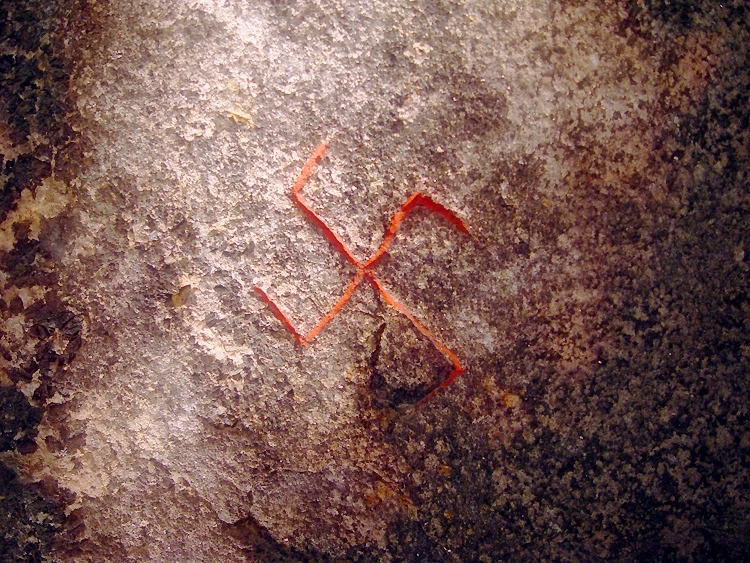 🇸🇪 Sweden and 4 moreSwastika (Germanic Iron Age)
A four-armed symbol found on Germanic artefacts from the Migration to Viking periods.Belief · Power and authority Historical
 🇮🇷 Iran and 5 moreKhidrالخضر
A Qur'anic guide and saint believed to hold hidden wisdom and aid those in need.Being · Seeing and foretelling · Power and authority Living
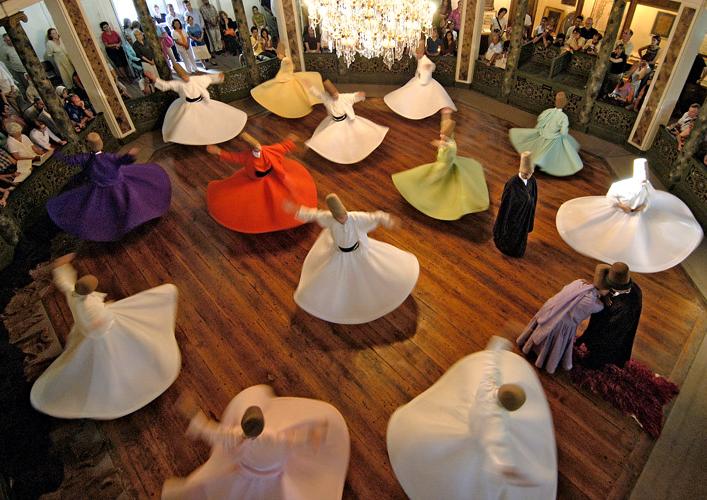 🇹🇷 Turkey and 3 moreSamaسماع
A Sufi ritual of listening, music, and whirling to reach spiritual ecstasyRite · Speaking with spirits and the dead · Change and initiation Living
🇮🇷 IranFāl-gūshفالگوش
A Persian divination custom of listening to strangers' words for omensRite · Seeing and foretelling Historical
🇮🇶 Iraq and 1 moreAdam and Eve cylinder seal
A small Akkadian stone seal once linked to the Genesis storyCharm · Power and authority Historical
🇮🇷 IranAroos-Goolehعروس گوله
A Gilani spring performance pitting a bride against a ghoul to welcome the new yearIllusion · Wonder and entertainment · Luck and prosperity Revived
🇮🇷 Iran and 3 moreAstrology and science
A belief system linking stars to human life, tested and rejected by the scientific communityBelief · Seeing and foretelling · Power and authority Historical
🇮🇷 IranGochihrگوچهر
A dragon from Iranian myth linked to world renewal and later used as an astronomical term.Being Historical
🇮🇷 Iran and 1 moreCup of Jamshidجام جم (jām-e Jam)
A mythical Persian cup used for scrying and seeing the world's truths.Charm · Seeing and foretelling · Power and authority Legendary
🇮🇷 IranHouriحُورِيَّـة
Heavenly beings described in Islamic scripture as companions for the faithful in paradise.Being · Speaking with spirits and the dead Historical
🇮🇷 Iran and 1 moreChinvat Bridge𐬗𐬌𐬥𐬬𐬀𐬙𐬋 𐬞𐬈𐬭𐬈𐬙𐬏𐬨 (Cinvatô Peretûm)
A Zoroastrian crossing every soul must meet, wide or narrow by its deedsBelief · Speaking with spirits and the dead Legendary
 🇪🇬 Egypt and 5 moreIsrael-related animal conspiracy theories
Recurring claims that Israel's spies ride on sharks, vultures and dolphinsBelief Living
 🇮🇷 Iran and 1 moreSraosha𐬯𐬭𐬀𐬊𐬴𐬀
Zoroastrian yazata of obedience and prayer who guards the world from evil spiritsBeing · Protection · Speaking with spirits and the dead Living
 🇮🇷 Iran and 4 moreJinnجِنّ
Concealed beings from Arabian and Islamic tradition, accountable for their actions like humans.Being · Protection · Cursing and harm Living
Photo credits on this page
The small pictures above come from Wikimedia Commons under free licences. Some are cropped to fit.
- Wolves in folklore, religion and mythology: Unknown author, CC0, source
- Pardes: Anonymous (photo by Adrian Pingstone), Public domain, source
- Sufi whirling: myself, Public domain, source
- Sraosha: Tahmasp I, CC0, source
- Nardoqan: Ollios, CC BY-SA 4.0, source
- Div: Unknown Calligrapher, Public domain, source
- Israel-related animal conspiracy theories: Sumeet Moghe, CC BY-SA 3.0, source
- Jinn: VenusFeuerFalle, CC0, source
- Arzhang Div: Unknown author, Public domain, source
- Fravashi: Hooman Mallahzadeh, CC BY-SA 4.0, source
- Cosmic egg: James Basire, 1730–1802 (engraver), Public domain, source
- Phoenix: Bertuch-fabelwesen.JPG : Friedrich Johann Justin Bertuch (1747–1822) d, Public domain, source
- Derafsh Kaviani: CNG Coins, CC BY-SA 3.0, source
- Axis mundi: Unknown author, Public domain, source
- Swastika (Germanic Iron Age): No machine-readable author provided. Bloodofox~commonswiki assumed (ba, Public domain, source
- Azhdaha: Andersen, H. C. (Hans Christian), 1805-1875, Dugald Stewart Walker (18, Public domain, source
- Tawûsî Melek: Bernd Schwabe in Hannover, CC BY 3.0, source
- Superstitions in Muslim societies: Unknown author, CC0, source
- Alchemy in the medieval Islamic world: An Islamic artist 739H/1339, probably in Baghdad, Public domain, source
- Khidr: Unknown author, Public domain, source
The weekly digest
Every Monday: seven entries you may not know, what is on the calendar this week, and one rite drawn step by step.