
Magi
from Old Persian maγu-, likely a loanword from Median meaning priest or tribe member
Priests of Zoroastrianism and the figures who inspired the word for magic
The magi are priests in Zoroastrianism and earlier Iranian religions. The term spread through the Eastern Mediterranean, where Greeks linked it to esoteric knowledge and eventually created the modern words for magic and magician.
- Earliest use in Behistun Inscription of Darius the Great, c. 520 BC
- Term means priest in Zoroastrianism and earlier Iranian religions
- Greek mágos led to modern words magic and magician
- Hereditary priesthood survives today in Iran and India
- Biblical magi brought gold, frankincense, and myrrh to Jesus
What it is
The magi are priests within Zoroastrianism and earlier Iranian faiths. The singular form is magus. In ancient Iran, they served as religious authorities and interpreters of omens. Over time, the term expanded beyond its original context. Greek writers adopted the word mágos to describe practitioners of esoteric arts. This shift linked the priests to astrology, alchemy, and dream interpretation. The association grew so strong that the Greek word for their art became the root for the modern English terms magic and magician. The concept also entered Christian scripture, where magi from the east visited the infant Jesus.
Where it comes from
The earliest known use of the term appears in the Behistun Inscription of Darius the Great, dated to around 520 BC. In this trilingual text, the word maγu- describes a specific group or attribute among rebels. Scholars believe it may be a loanword from the Median language. Earlier Avestan texts use related forms like maga- and moghu-. These words originally referred to tribal members or social classes rather than priests specifically. The meaning evolved over centuries. By the time of Herodotus in the fifth century BC, Greek sources used the term to denote a sacerdotal caste among the Medes. The word then spread westward into the Eastern Mediterranean and West Asia.
How it is done
Historical accounts describe the magi as interpreters of dreams and omens. Herodotus records them performing divination and advising rulers on religious matters. Xenophon depicts them as educators of future kings and authorities on all religious questions. In later Greek tradition, they were seen as keepers of secret wisdom. They studied the stars and practiced necromancy according to pseudepigraphic texts attributed to Zoroaster. Their rituals involved sacrifices and rites that some early Greek observers viewed with suspicion. The practice was hereditary in some communities, passed down through specific families.
Tools and materials
Their authority relied on knowledge rather than objects. They interpreted celestial movements and natural signs. Dream analysis was a key part of their work. They used sacred texts and oral traditions to guide decisions. In the biblical narrative, they followed a star to find a new king. They brought gifts of gold, frankincense, and myrrh. These items symbolized honor and recognition rather than serving as magical instruments.
Magi, drawn and placed
- Living
- Revived
- Fading
- Historical
- Legendary
- Performed
- Lineage
- Zoroastrianism
What it is for
The magi served as religious leaders and advisors. They interpreted divine will through omens and dreams. Rulers consulted them for guidance on state affairs and personal matters. In the biblical account, they sought to pay homage to a newborn king. Their purpose was to recognize and honor divine presence. Later Greek interpretations viewed them as seekers of hidden knowledge. They aimed to understand the forces governing nature and the cosmos. Their work provided structure for religious life in ancient Iran and influenced neighboring cultures.
Who does it
The magi were hereditary priests in Zoroastrian communities. Today, the priesthood survives in Iran and India. Modern titles include Herbad, Mobad, and Dastur. These ranks indicate different levels of authority within the clergy. Historically, the role was open to men from specific lineages. Greek sources sometimes described them as philosophers or sages. Pliny the Elder viewed them as inventors of dark arts. Early church fathers translated the term as magician or sorcerer. The position carried significant social status and political influence in ancient courts.
Peoples and places
The term originated among the Medes and Persians in ancient Iran. It spread to other Iranian groups including the Sakas and Parthians. Greek and Roman writers adopted the concept, often viewing it with skepticism. Jewish texts record interactions between magi and sages, sometimes depicting conflict over burial practices. Christian tradition identifies them as wise men from the east. The story appears in the Gospel of Matthew. Other Christian texts mention magi in Cyprus and Egypt. The term traveled widely across the Eastern Mediterranean and West Asia, adapting to local contexts.
At a glance: who, where and when
Belief worlds


What people believe
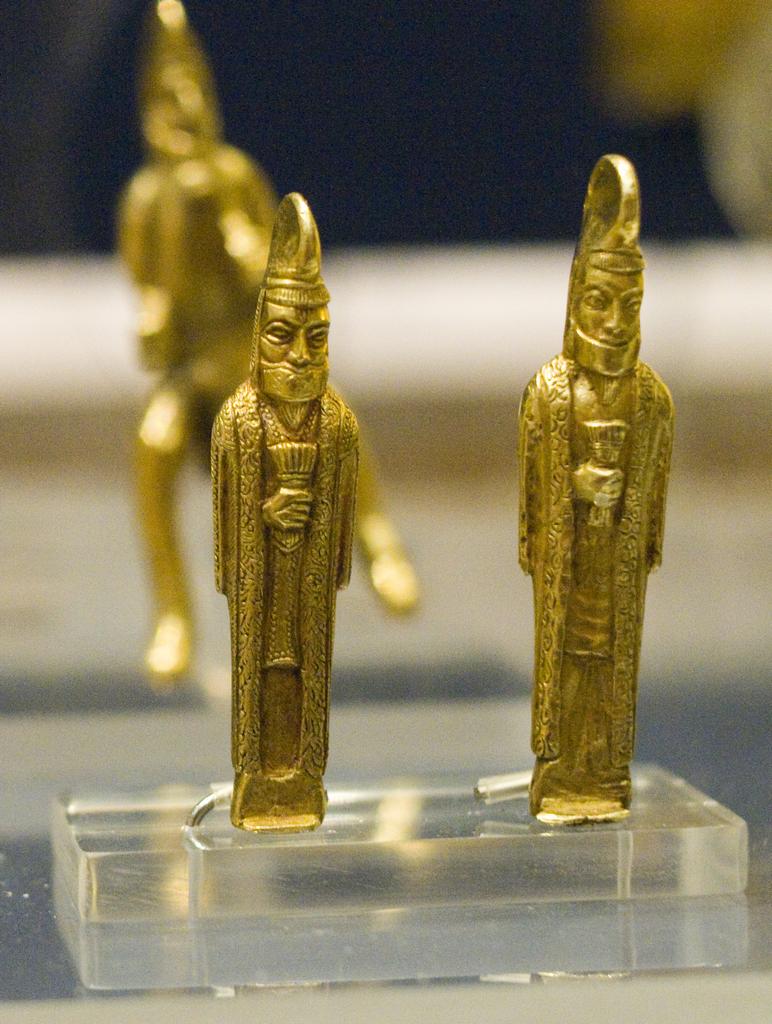
Zoroastrian belief views the magi as guardians of sacred truth. They maintain the ritual purity required for worship. Greek beliefs transformed the magi into figures of exotic wisdom. They were seen as descendants of Zoroaster, the founder of the religion. Hellenistic writers attributed astrological and magical powers to them. Some believed Zoroaster invented magic itself. Others saw him as a star-worshiper killed by the stars he invoked. The biblical narrative presents them as seekers of truth guided by divine signs. They recognized the significance of the Christ child through celestial events.
When it is done
Their duties were ongoing rather than tied to single festivals. They performed regular rituals and maintained sacred fires. Dream interpretation could occur at any time. Biblical accounts place their journey during the birth of Jesus. The timing was determined by celestial phenomena rather than fixed dates. Hereditary succession ensured continuous leadership without specific annual cycles. Their work supported daily religious life and occasional royal consultations.
How scholars and sceptics see it
Modern scholars distinguish between historical Iranian priests and Greek literary constructs. Robert Charles Zaehner noted the distinction between the Median tribe and the sacerdotal caste. Linguists analyze the evolution from Avestan maga- to Old Persian maγu-. Historians trace how Greek authors like Herodotus and Xenophon recorded early encounters. Classical scholars examine pseudepigraphic texts attributed to Zoroaster. Religious studies researchers track the survival of Zoroastrian priesthood in India and Iran. The transformation of the term into magic reflects cultural misunderstandings and adaptations.
Cautions and what is closed
Early Greek sources like Heraclitus cursed the magi for impious rites. Jewish texts record disputes over burial practices interfering with local customs. Some magi were viewed as obstructing religious freedom. The biblical narrative mentions King Herod ordering the slaughter of infants to eliminate a perceived threat. Simon Magus appears in Acts as a figure opposed by apostles. Ancient writers sometimes associated them with deception and charlatanism. These tensions reflect cultural clashes and power struggles in antiquity.
Compare and confuse
The magi are distinct from goetes, the older Greek word for sorcerers. The term replaced goetes in common usage. They differ from modern stage magicians who perform illusions. The biblical wise men are often called kings in tradition, though the text does not specify this. In Zoroastrianism, they are clergy rather than independent practitioners. The Greek concept merged priestly functions with astrological expertise. This fusion created a unique image of the wise man that influenced Western culture.
Questions people ask about Magi
What does the word magi mean?
The word magi refers to priests in Zoroastrianism and earlier Iranian religions. The singular form is magus. The term originated in Old Persian and Median languages. It described religious authorities and tribal leaders in ancient Iran.
Where did the magi come from?
The magi originated among the Medes and Persians in ancient Iran. The earliest written record appears in the Behistun Inscription from around 520 BC. The term spread through the Eastern Mediterranean via Greek and Roman writers who adapted the concept.
How are magi connected to magic?
Greek writers linked the magi to esoteric knowledge and astrology. They adopted the word mágos to describe practitioners of hidden arts. This association eventually created the modern English words magic and magician. The connection reflects cultural misunderstandings rather than historical fact.
Who are the biblical magi?
The biblical magi appear in the Gospel of Matthew as visitors from the east. They followed a star to find the infant Jesus. They brought gifts of gold, frankincense, and myrrh. The text calls them magoi, which translators often render as wise men or kings.
Do magi still exist today?
Yes, hereditary Zoroastrian priesthood continues in Iran and India. Modern priests hold titles such as Herbad, Mobad, and Dastur. These ranks indicate different levels of authority. The tradition maintains ancient rituals and religious practices established millennia ago.
Good reading and sources
- Magi on WikipediaEncyclopedia
- More photos on Wikimedia CommonsPhotos and video
- Wikidata recordOpen data
The facts on this page come from the Wikipedia article "Magi", written by its contributors and used under the CC BY-SA 4.0 licence, and from its Wikidata record (CC0). EveryJaadu rewrote the text in its own words, with AI assistance, and compares every page with the article to make sure no passage is copied. It may be reused under the same CC BY-SA 4.0 licence with a link back.
It may contain mistakes. Names and customs differ from one community to the next, and some knowledge is closed to outsiders and left out here. This page describes belief and practice. It does not say that any of it works, it is not a how-to, and it is not medical advice. If something is wrong, tell us. Last refreshed 2026-10-05.
More from Iran
All the entries from Iran 🇮🇷 Iran and 7 moreNowruzنوروز
A spring equinox festival marking the new year across Persianate culturesTradition · Luck and prosperity · Cleansing and purification Living
🇮🇷 Iran and 7 moreNowruzنوروز
A spring equinox festival marking the new year across Persianate culturesTradition · Luck and prosperity · Cleansing and purification Living
 🇪🇬 Egypt and 5 moreSacred dance
Movement used in worship to honour deities, heal communities, or connect with the spirit world.Tradition · Protection · Healing Living
🇪🇬 Egypt and 5 moreSacred dance
Movement used in worship to honour deities, heal communities, or connect with the spirit world.Tradition · Protection · Healing Living
 🇮🇷 Iran and 4 moreChaharshanbe Suriچهارشنبهسوری
An Iranian fire festival marking the transition from winter to springTradition · Luck and prosperity · Speaking with spirits and the dead Living
🇮🇷 Iran and 4 moreChaharshanbe Suriچهارشنبهسوری
An Iranian fire festival marking the transition from winter to springTradition · Luck and prosperity · Speaking with spirits and the dead Living
 🇮🇷 Iran and 4 morePersian mythologyاسطورهشناسی ایرانی
Ancient Iranian myths of cosmic struggle between light and darknessBelief · Power and authority Historical
🇮🇷 Iran and 4 morePersian mythologyاسطورهشناسی ایرانی
Ancient Iranian myths of cosmic struggle between light and darknessBelief · Power and authority Historical
Related elsewhere
All tradition 🇮🇳 India and 2 morePalmistry
A divination method that interprets the lines and shapes of the hand to predict fate or reveal character.Oracle · Seeing and foretelling · Power and authority Living
🇮🇳 India and 2 morePalmistry
A divination method that interprets the lines and shapes of the hand to predict fate or reveal character.Oracle · Seeing and foretelling · Power and authority Living
 🇮🇳 India and 5 moreCowrie
A sea snail shell used as currency, divination tool, and charm across many culturesSubstance · Seeing and foretelling · Luck and prosperity Living
🇮🇳 India and 5 moreCowrie
A sea snail shell used as currency, divination tool, and charm across many culturesSubstance · Seeing and foretelling · Luck and prosperity Living
 🇪🇸 Spain and 5 moreAlfonso X of Castileel Sabio
A medieval king who sponsored astronomical tables and translated works on magic and astrology.Text · Power and authority · Seeing and foretelling Historical
🇪🇸 Spain and 5 moreAlfonso X of Castileel Sabio
A medieval king who sponsored astronomical tables and translated works on magic and astrology.Text · Power and authority · Seeing and foretelling Historical
 🇬🇹 Guatemala and 1 moreMaya mythology
The reconstructed tales of the Maya people about gods, heroes, and the creation of the world.Tradition · Seeing and foretelling · Power and authority Historical
🇬🇹 Guatemala and 1 moreMaya mythology
The reconstructed tales of the Maya people about gods, heroes, and the creation of the world.Tradition · Seeing and foretelling · Power and authority Historical