Shamans
Specialists who travel to or call the spirit world on behalf of a community.
A shaman is a specialist who is believed to travel to, call or negotiate with the spirit world on behalf of a community. The word comes from the Evenki language of Siberia, and scholars now apply it to Mongolian, Korean, Sami, Amazonian and many other traditions. Many communities use their own words and dislike the general label. This page covers how shamans are chosen, who may be one, and how the term has been used and misused.
Calling and training
A shaman is usually described as chosen, often through illness, dreams or visions, and then trained by a senior. In Korea, the mudang may undergo a spirit illness called sinbyeong before initiation. In the Amazon, long apprenticeship and dietary rules are reported. In Mongolia and Siberia, the drum, costume and songs are inherited and taught. Many communities say a person who refuses the call risks suffering. The drum, rattle, mirror and costume are tools of the trade, and the songs they sing are often learned from earlier shamans or received in dreams.
Gender and standing
Gender patterns differ. Korean shamans are mostly women, while Siberian traditions include both men and women, and some, as with the Sami noaidi, were mostly men. Status also varies: a shaman may be honoured, feared or looked down on. In Korea, mudang have long been low in social rank while hired for the most important family rites. Shamans often have an ordinary life as hunters, farmers or herders, and are called on only when a community needs them.
Suppression and revival
Shamanism has been persecuted. Soviet authorities imprisoned and killed Siberian shamans, Chinese and Japanese governments restricted shamanic rites in modern times, and Christian missions banned them. Since the 1990s there has been revival in Mongolia, Tuva and Buryatia. In Korea, shaman rites are now listed as intangible cultural heritage, even as Protestant groups criticise them. Soviet campaigns treated shamans as enemies of progress, and some were killed as class enemies in the 1930s.
Appropriation and scholarship
Mircea Eliade's 1951 book on shamanism made the word global, and critics say it flattened very different practices. Neo-shamanism and paid workshops in the West sell techniques without community authority, which many Indigenous leaders oppose. Some ceremonies and knowledge are closed to outsiders, and a visitor should ask before attending or recording anything. Scholars also note that shamanism is a Western category, and critics suggest it has been stretched over practices that have little in common.
Shamans on EveryJaadu
The entries written up so far, best known first.
 🇪🇬 EgyptCurse
A spoken wish for harm, often backed by ritual or divine authorityBelief · Cursing and harm · Protection Historical
 🇭🇹 HaitiBaron Samedi
A Haitian Vodou spirit of the dead who also controls healing and resurrection.Being · Healing · Cursing and harm Living
🇭🇹 HaitiBois Caïman
The sacred site where enslaved Africans planned the Haitian Revolution through a Vodou ceremony.Rite · Cursing and harm · Power and authority Historical
 🇸🇪 Sweden and 2 moreGermanic seeressvǫlva
Diviners and sorceresses of early Germanic and Norse societyTradition · Seeing and foretelling · Power and authority Revived
 🇲🇾 Malaysia and 1 morePawang
A shaman from Indonesia and Malaysia who commands spirits, weather, and wild animals.Being · Protection · Cursing and harm Living
 🇧🇯 Benin and 3 moreZangbeto
A masked night-guardian tradition among the Ogu people of West AfricaTradition · Protection · Cursing and harm Living
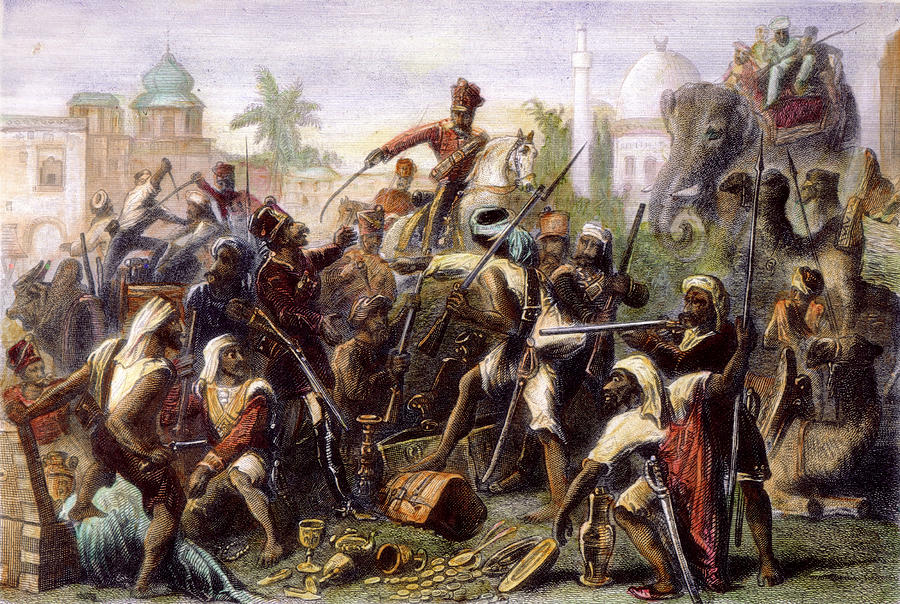 🇮🇳 IndiaWitch hunts in India
Violent persecution of people, mostly women, accused of witchcraft in rural India.Belief · Cursing and harm Living
 🇬🇷 Greece and 5 moreCrossroads (folklore)
A junction between worlds where spirits are met and deals are madeBelief · Speaking with spirits and the dead · Cursing and harm Living
 🇵🇭 PhilippinesWitchcraft in the Philippinespangkukulam
Indigenous beliefs about sorcery and malevolent magic in the PhilippinesTradition · Cursing and harm · Healing Living
 🇸🇸 South Sudan and 2 moreAzande witchcraft
A hereditary power believed to cause harm through hatred and psychic force among the Azande people.Belief · Cursing and harm · Healing Living
 🇬🇷 Greece and 2 moreMagic in the Greco-Roman world
Private supernatural practices in ancient Greece and Rome, distinct from public state religion.Tradition · Protection · Cursing and harm Historical
 🇯🇵 JapanInugami犬神
A Japanese spirit of animal possession and folk sorcery known as a curse god.Belief · Cursing and harm · Power and authority Historical
 🇮🇸 IcelandGaldergaldr
A Germanic incantation and the written charms derived from itText · Protection · Cursing and harm Historical
 🇳🇿 New ZealandTaniwha
Supernatural beings in Māori lore, acting as guardians or dangerous predators of water and landBeing · Protection · Cursing and harm Living
🇯🇵 JapanShikigami式神
A conjured spirit from Japanese Onmyōdō, often bound to paper or animal form.Being · Power and authority · Cursing and harm Historical
🇨🇩 Democratic Republic of the Congo and 1 moreKindoki
A belief in spirit possession that leads to the abuse of children in the Congo regionBelief · Cursing and harm Living
 🇮🇳 IndiaChödགཅོད
A Tibetan Buddhist ritual that uses fear and self-offering to sever attachment to the selfTradition · Cursing and harm · Change and initiation Living
 🇳🇬 Nigeria and 4 moreJuju
A West African spiritual belief system involving charms and ritualsTradition · Healing · Luck and prosperity Living
 🇹🇭 Thailand and 1 moreGhosts in Thai cultureผี (phi)
A wide range of spirits and ghosts found in Thai folklore and popular belief.Belief · Protection · Cursing and harm Living
 🇪🇸 SpainSorginak
Mythical beings and historical figures associated with Basque witchcraft and the goddess Mari.Figure · Speaking with spirits and the dead · Cursing and harm Historical
 🇿🇦 South AfricaSympathetic magic
A magical principle based on imitation or contact between objectsTradition · Protection · Healing Historical
 🇦🇺 AustraliaKurdaitchakwertatye
A ritual executioner and feathered shoes of the Arrernte people in Central Australia.Tradition · Cursing and harm · Power and authority Historical
🇯🇵 JapanKitsunetsuki狐憑き
A Japanese folk belief in which a fox spirit enters and controls a human host.Belief · Cursing and harm · Speaking with spirits and the dead Historical
 🇬🇭 GhanaWitchcraft in Ghana
Beliefs about harmful magic and the social responses to accusations of witchcraft in Ghana.Belief · Cursing and harm Living
 🇨🇳 China and 1 moreScapulimancy
Divination using animal shoulder blades, practiced across Asia and the Americas.Oracle · Seeing and foretelling · Cursing and harm Living
 🇨🇺 Cuba and 5 morePalo
An Afro-Cuban religion centered on spirit vessels and ancestral powerTradition · Healing · Cursing and harm Living
🇮🇩 Indonesia and 3 moreToyoltuyul
An undead infant spirit in Southeast Asian folklore, invoked for theft and fortune.Being · Luck and prosperity · Cursing and harm Living
 🇺🇸 United States and 3 moreHoodoo
A spiritual tradition of the African diaspora in the American South using herbs and charms for protection and justice.Tradition · Protection · Healing Living
 🇮🇸 Iceland and 3 moreSeiðr
A Norse divination and manipulation magic practiced during the Viking Age.Tradition · Seeing and foretelling · Cursing and harm Revived
 🇲🇽 MexicoNagualnāhualli
A Mesoamerican belief in humans who shapeshift into animal counterparts.Belief · Power and authority · Cursing and harm Living
 🇮🇷 Iran and 4 moreJinnجِنّ
Supernatural beings in Islamic and pre-Islamic Arabian belief, capable of shapeshifting and living in society.Being · Protection · Cursing and harm Living
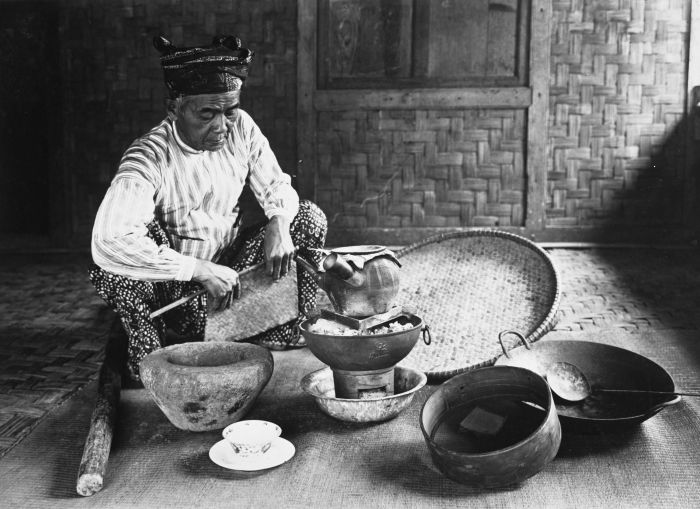 🇮🇩 Indonesia and 2 moreDukun
A traditional healer and spirit medium in Indonesian folk practiceTradition · Healing · Seeing and foretelling Living
 🇮🇳 India and 5 moreAsian witchcraft
A broad overview of magical practices and persecution across Asian culturesTradition · Cursing and harm · Protection Living
🇫🇮 FinlandVäki
A supernatural power in Finnish mythology found in nature and objectsBelief · Cursing and harm · Healing Historical
 🇬🇷 GreeceWitchcraft in ancient Greece and Rome
Ancient beliefs and practices of magic, curses, and love charms in the Mediterranean worldTradition · Cursing and harm · Love and attraction Historical
🇯🇵 JapanUkehi誓
A Japanese divination ritual using oaths and sortition to seek the will of the kamiRite · Seeing and foretelling · Cursing and harm Historical
🇰🇷 South KoreaDongti동티
Divine punishment in Korean mythology, often manifesting as sudden illness or death.Belief · Cursing and harm Historical
🇯🇵 JapanTanukitsuki狸憑き (たぬきつき)
A Japanese folk belief where a tanuki spirit possesses a human, causing illness and strange behavior.Belief · Cursing and harm Historical
 🇰🇷 South KoreaKorean virgin ghost처녀귀신 (cheonyeo-gwisin)
A spirit of an unmarried woman who died with resentment in Korean folklore.Being · Cursing and harm · Binding and oaths Historical
🇨🇦 CanadaPinga
An Inuit goddess of the hunt and medicine who oversees caribou herds and souls.Being · Healing · Cursing and harm Historical
🇨🇱 ChilePillan
Respected male spirits in Mapuche mythology who govern natural forces and the afterlife.Being · Protection · Cursing and harm Living
 🇪🇸 SpainHuman sacrifice in the ancient Iberian Peninsula
Ancient ritual killings by Lusitanian and Vetton peoples for divination and warRite · Seeing and foretelling · Cursing and harm Historical
 🇵🇪 Peru and 2 moreTsentsak
Invisible darts used by Amazonian shamans for healing and sorcerySubstance · Cursing and harm · Protection Living
🇨🇱 Chile and 3 moreGualichu
An evil spirit feared in Mapuche and Tehuelche traditions, and a word for bad luckBeing · Cursing and harm Historical
🇳🇵 NepalChhechu
An eleven-day Tamang ceremony in Nepal featuring ritual plays and exorcismsRite · Cursing and harm · Cleansing and purification Living
 🇱🇰 Sri Lanka and 1 moreSanni Yakumaසන්නි යකුම
A traditional Sinhalese exorcism ritual featuring eighteen masked dances to banish illness-causing demons.Rite · Healing · Cursing and harm Living
 🇯🇵 JapanMononoke物の怪
A Japanese term for spirits believed to cause illness and misfortune through possession or curses.Being · Cursing and harm · Healing Historical
🇲🇱 MaliBoli
A charged fetish object of the Bambara people of MaliCharm · Cursing and harm · Seeing and foretelling Living
Photo credits on this page
The small pictures above come from Wikimedia Commons under free licences. Some are cropped to fit.
- Baron Samedi: markbenecke, CC BY-SA 4.0, source
- Germanic seeress: Emil Doepler, Public domain, source
- Pawang: Unknown author, CC BY-SA 3.0, source
- Zangbeto: Grete Howard, CC BY 3.0, source
- Witch hunts in India: Granger, Public domain, source
- Crossroads (folklore): MiddleOfAfrica, CC BY-SA 4.0, source
- Witchcraft in the Philippines: The original uploader was Rodsan18 at English Wikipedia . ( Original t, CC BY 2.5, source
- Azande witchcraft: Unknown author, CC BY 4.0, source
- Tengu: Katsushika Hokusai, Public domain, source
- Freyja: John Bauer, Public domain, source
- Taniwha: Pseudopanax at en.wikipedia, Public domain, source
- Asian witchcraft: Utagawa Kuniyoshi, Public domain, source
- Witchcraft in ancient Greece and Rome: Wilhelm Tischbein, Public domain, source
- Scapulimancy: Albert Peter Low, CC BY-SA 4.0, source
- Palo: Burkhard Mücke, CC BY-SA 4.0, source
- Yachay: Veton PICQ, CC BY-SA 3.0, source
- Jinn: VenusFeuerFalle, CC0, source
- Sanni Yakuma: Michael Gunther, CC BY-SA 4.0, source
- Ghosts in Thai culture: Heinrich Damm ( User:Hdamm , Hdamm at de.wikipedia.org ), CC BY 2.0, source
- Sorginak: Errazking, CC BY-SA 4.0, source
- Juju: ILN Staff, after special artist correspondent Mr Harries F.R.G.S., Public domain, source
- Witchcraft in Ghana: SALTN, CC BY-SA 4.0, source
- Kurdaitcha: Unknown author, CC BY 4.0, source
- Human sacrifice in the ancient Iberian Peninsula: Manuel Parada López de Corselas User:Manuel de Corselas ARS SUMMUM, Ce, Public domain, source
- Sympathetic magic: Marie-Lan Nguyen, CC BY 2.5, source
- Dukun: Unknown author, CC BY-SA 3.0, source
- Nagual: Unknown author, Public domain, source
- Korean virgin ghost: 국립국어원, CC BY-SA 2.0 kr, source
- Hoodoo: Hoodoowoman, CC BY-SA 4.0, source
- Chöd: Christopher J. Fynn, CC BY-SA 4.0, source
- Galder: Bengt A. Lundberg, CC BY 2.5, source
- Inugami: Sawaki Suushi (佐脇嵩之, Japanese, *1707, †1772), Public domain, source
- Magic in the Greco-Roman world: ArchaiOptix, CC BY-SA 4.0, source
- Mononoke: Unknown author, Public domain, source