
Mononoke
In its own language: 物の怪
from "mono" meaning spirit or demon, and "ke" meaning disease
A Japanese term for spirits believed to cause illness and misfortune through possession or curses.
Mononoke are spirits in Japanese folk religion and classical literature that possess people, cause disease, or bring death. The concept evolved from early references to epidemic diseases to a widespread belief in the vengeful curses of dead nobles during the Heian period.
- Term first appears in Nihon Kōki in 830 CE
- Involves transferring illness to a substitute person
- Strongly linked to vengeful spirits of dead nobles
- Used to explain epidemics and sudden deaths
- Performed by monks and shugensha using sutras
What it is
Mononoke refers to a class of spiritual entities in Japanese tradition, including vengeful ghosts, dead spirits, living spirits, and shape-shifters. These beings are described as causing physical suffering, disease, and death through possession or direct influence. The term also overlaps with yōkai, which are supernatural creatures, and henge, which are beings capable of changing form. In historical texts, mononoke represent a blend of spiritual malice and unexplained natural phenomena.
Where it comes from
The earliest literary appearance of the term is found in the Nihon Kōki, dated to 830 CE. Initially, the word combined "mono," referring to demons or unclear forces, with "ke," meaning disease. This linked epidemics directly to spiritual causes. Early imperial edicts denied these connections, but the concept gained traction later. By the Heian period, the idea solidified around the belief that disgraced nobles sent curses upon the living after death.
How it is done
Healing involved transferring the spirit from the sick person to a substitute, known as a yorimashi, often a servant or apprentice. Monks and shugensha then performed exorcisms on the substitute using prayers and sutras. This ritual aimed to remove the affliction from the original patient by redirecting the spiritual energy into another body for disposal.
Tools and materials
Practitioners used religious recitations, specifically the Diamond Sutra and other Buddhist texts. Incantations were chanted to bind or expel the spirit. The practice relied on the authority of religious figures and the structural support of the imperial court to legitimize the exorcism rituals against perceived spiritual threats.
Mononoke, drawn and placed
- Living
- Revived
- Fading
- Historical
- Legendary
- Performed
- Lineage
- Japanese classical literature and folk religion
- Timing
- during illness or crisis
What it is for
The primary purpose was to cure illness and prevent death caused by spiritual interference. People sought these rites when medical knowledge was insufficient to explain sudden sickness. The goal was to neutralize the curse of a vengeful spirit, particularly those of powerful ancestors who had died with unresolved grievances.
Who does it
Monks and shugensha, who were mountain ascetics and ritual specialists, conducted the ceremonies. They required training in esoteric Buddhism and onmyōdō practices. Their status allowed them to interact with the imperial family and perform public exorcisms, acting as intermediaries between the human and spirit worlds.
Peoples and places
The belief was prominent among the Japanese aristocracy during the Heian period. Fear of mononoke grew as political rivals died and epidemics spread. The isolated lifestyle of the nobility intensified their anxiety about unseen forces. Over time, the term expanded from describing specific curses to encompassing any unexplained ailment or tragic event.
At a glance: who, where and when
Who does it
Peoples
Belief worlds
Occasions
What people believe
The worldview held that strong emotions at death could create lingering spiritual power. Vengeful spirits, or onryō, could curse the living if their deaths were unjust. This belief was reinforced by the rise of onmyōdō, which provided a framework for understanding and managing these forces. Illnesses were seen as physical manifestations of spiritual conflict.
When it is done
Rites were performed during crises, such as outbreaks of disease or sudden deaths within the imperial household. There were no fixed annual festivals for mononoke; instead, actions were reactive, triggered by specific events that suggested spiritual interference or the arrival of a new curse.
How scholars and sceptics see it
Historians note that the concept evolved alongside political instability. Scholars observe that fears of mononoke mirrored social anxieties about power and retribution. The denial of these beliefs by some emperors highlights the tension between rational governance and popular superstition. Modern analysis views mononoke as cultural expressions of fear and misunderstanding of disease.
Cautions and what is closed
The practice involved transferring illness to a substitute, which raised ethical concerns. Substitutes often suffered severe consequences from the exorcism process. The belief system also led to scapegoating, where individuals were blamed for spreading spiritual contamination. Historical records show that these fears could lead to social unrest and persecution.
Compare and confuse
Mononoke are related to onryō, which are specifically vengeful ghosts. They differ from yōkai, which are broader supernatural creatures. The term ikiryō refers to living spirits that can cause harm, while shiryō are spirits of the dead. Henge describes beings that change shape, adding a layer of unpredictability to the mononoke classification.
Questions people ask about Mononoke
What does mononoke mean?
It is a Japanese term for spirits or diseases caused by spirits. It combines words for demon and illness, reflecting a belief that unexplained sickness came from supernatural sources.
How were mononoke treated?
Practitioners transferred the spirit to a substitute person. Monks then performed exorcisms on the substitute using prayers and sutras to heal the original patient.
Why did people fear mononoke?
They were believed to be curses from vengeful spirits of dead nobles. Political rivalries and epidemics fueled fears that disgraced ancestors would harm the living.
Good reading and sources
The facts on this page come from the Wikipedia article "Mononoke", written by its contributors and used under the CC BY-SA 4.0 licence, and from its Wikidata record (CC0). EveryJaadu rewrote the text in its own words, with AI assistance, and compares every page with the article to make sure no passage is copied. It may be reused under the same CC BY-SA 4.0 licence with a link back.
It may contain mistakes. Names and customs differ from one community to the next, and some knowledge is closed to outsiders and left out here. This page describes belief and practice. It does not say that any of it works, it is not a how-to, and it is not medical advice. If something is wrong, tell us. Last refreshed 2026-10-15.
More from Japan
All the entries from Japan 🇯🇵 JapanOni鬼(おに)
A horned demon of Japanese folklore known for strength and evil deedsBeing · Cursing and harm · Luck and prosperity Legendary
🇯🇵 JapanOni鬼(おに)
A horned demon of Japanese folklore known for strength and evil deedsBeing · Cursing and harm · Luck and prosperity Legendary
 🇯🇵 JapanBaku獏
A Japanese spirit said to eat bad dreams and protect sleepersBeing · Protection Living
🇯🇵 JapanBaku獏
A Japanese spirit said to eat bad dreams and protect sleepersBeing · Protection Living
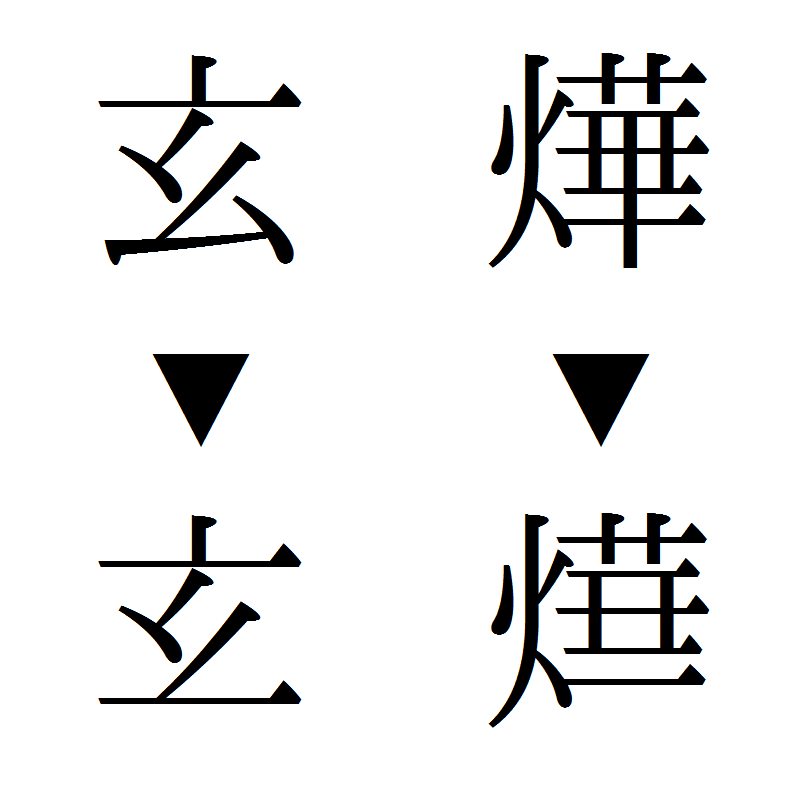 🇨🇳 China and 2 moreNaming taboo避諱
A cultural rule against speaking or writing the names of rulers and ancestors in East AsiaBelief · Protection Historical
🇨🇳 China and 2 moreNaming taboo避諱
A cultural rule against speaking or writing the names of rulers and ancestors in East AsiaBelief · Protection Historical
Related elsewhere
All being 🇺🇸 United States and 2 moreLouisiana Voodoo
An African diasporic religion practiced in Louisiana from the 18th to early 20th centuriesTradition · Healing · Protection Historical
🇺🇸 United States and 2 moreLouisiana Voodoo
An African diasporic religion practiced in Louisiana from the 18th to early 20th centuriesTradition · Healing · Protection Historical
 🇨🇬 Republic of the CongoNkisi
Spirit containers and power figures from the Congo Basin used for justice and healingCharm · Protection · Healing Living
🇨🇬 Republic of the CongoNkisi
Spirit containers and power figures from the Congo Basin used for justice and healingCharm · Protection · Healing Living
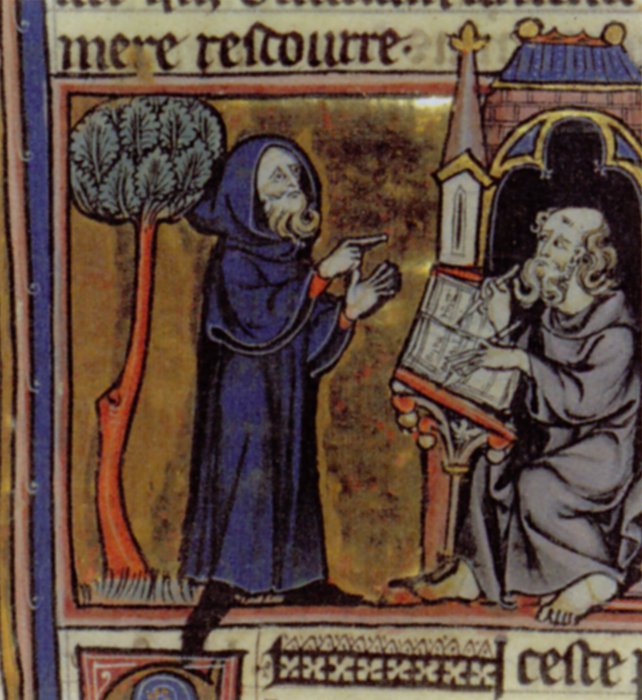 🇮🇹 Italy and 1 moreMedieval European magic
A broad category of ritual and natural practices in the Middle Ages, blending healing, divination, and religious belief.Tradition · Healing · Seeing and foretelling Historical
🇮🇹 Italy and 1 moreMedieval European magic
A broad category of ritual and natural practices in the Middle Ages, blending healing, divination, and religious belief.Tradition · Healing · Seeing and foretelling Historical
 🇿🇦 South AfricaSympathetic magic
A magical principle based on imitation and contact to influence the worldTradition · Protection · Healing Historical
🇿🇦 South AfricaSympathetic magic
A magical principle based on imitation and contact to influence the worldTradition · Protection · Healing Historical