Shamans
Specialists who travel to or call the spirit world on behalf of a community.
A shaman is a specialist who is believed to travel to, call or negotiate with the spirit world on behalf of a community. The word comes from the Evenki language of Siberia, and scholars now apply it to Mongolian, Korean, Sami, Amazonian and many other traditions. Many communities use their own words and dislike the general label. This page covers how shamans are chosen, who may be one, and how the term has been used and misused.
Calling and training
A shaman is usually described as chosen, often through illness, dreams or visions, and then trained by a senior. In Korea, the mudang may undergo a spirit illness called sinbyeong before initiation. In the Amazon, long apprenticeship and dietary rules are reported. In Mongolia and Siberia, the drum, costume and songs are inherited and taught. Many communities say a person who refuses the call risks suffering. The drum, rattle, mirror and costume are tools of the trade, and the songs they sing are often learned from earlier shamans or received in dreams.
Gender and standing
Gender patterns differ. Korean shamans are mostly women, while Siberian traditions include both men and women, and some, as with the Sami noaidi, were mostly men. Status also varies: a shaman may be honoured, feared or looked down on. In Korea, mudang have long been low in social rank while hired for the most important family rites. Shamans often have an ordinary life as hunters, farmers or herders, and are called on only when a community needs them.
Suppression and revival
Shamanism has been persecuted. Soviet authorities imprisoned and killed Siberian shamans, Chinese and Japanese governments restricted shamanic rites in modern times, and Christian missions banned them. Since the 1990s there has been revival in Mongolia, Tuva and Buryatia. In Korea, shaman rites are now listed as intangible cultural heritage, even as Protestant groups criticise them. Soviet campaigns treated shamans as enemies of progress, and some were killed as class enemies in the 1930s.
Appropriation and scholarship
Mircea Eliade's 1951 book on shamanism made the word global, and critics say it flattened very different practices. Neo-shamanism and paid workshops in the West sell techniques without community authority, which many Indigenous leaders oppose. Some ceremonies and knowledge are closed to outsiders, and a visitor should ask before attending or recording anything. Scholars also note that shamanism is a Western category, and critics suggest it has been stretched over practices that have little in common.
Shamans on EveryJaadu
The entries written up so far, best known first.
 🇲🇾 Malaysia and 1 morePawang
A shaman from Indonesia and Malaysia who commands spirits, weather, and wild animals.Being · Protection · Cursing and harm Living
 🇳🇿 New ZealandTaniwha
Supernatural beings in Māori lore, acting as guardians or dangerous predators of water and landBeing · Protection · Cursing and harm Living
🇯🇵 JapanShikigami式神
A conjured spirit from Japanese Onmyōdō, often bound to paper or animal form.Being · Power and authority · Cursing and harm Historical
 🇮🇷 Iran and 4 moreJinnجِنّ
Supernatural beings in Islamic and pre-Islamic Arabian belief, capable of shapeshifting and living in society.Being · Protection · Cursing and harm Living
 🇯🇵 JapanInugami犬神
A Japanese spirit of animal possession and folk sorcery known as a curse god.Belief · Cursing and harm · Power and authority Historical
 🇭🇹 HaitiBaron Samedi
A Haitian Vodou spirit of the dead who also controls healing and resurrection.Being · Healing · Cursing and harm Living
 🇦🇺 AustraliaKurdaitchakwertatye
A ritual executioner and feathered shoes of the Arrernte people in Central Australia.Tradition · Cursing and harm · Power and authority Historical
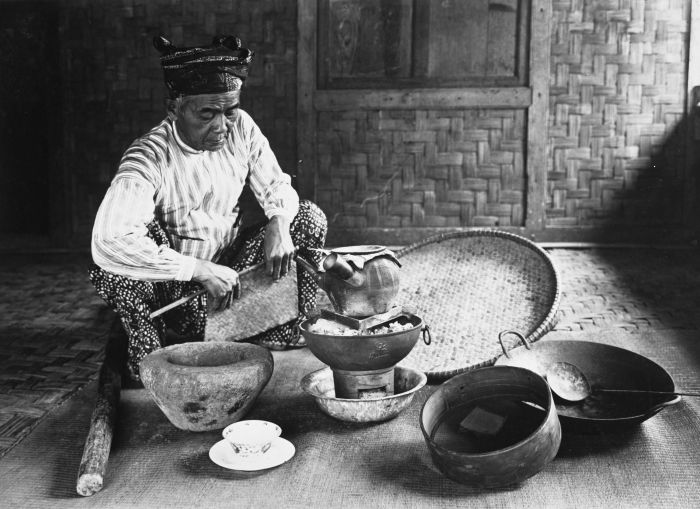 🇮🇩 Indonesia and 2 moreDukun
A traditional healer and spirit medium in Indonesian folk practiceTradition · Healing · Seeing and foretelling Living
🇮🇩 Indonesia and 3 moreToyoltuyul
An undead infant spirit in Southeast Asian folklore, invoked for theft and fortune.Being · Luck and prosperity · Cursing and harm Living
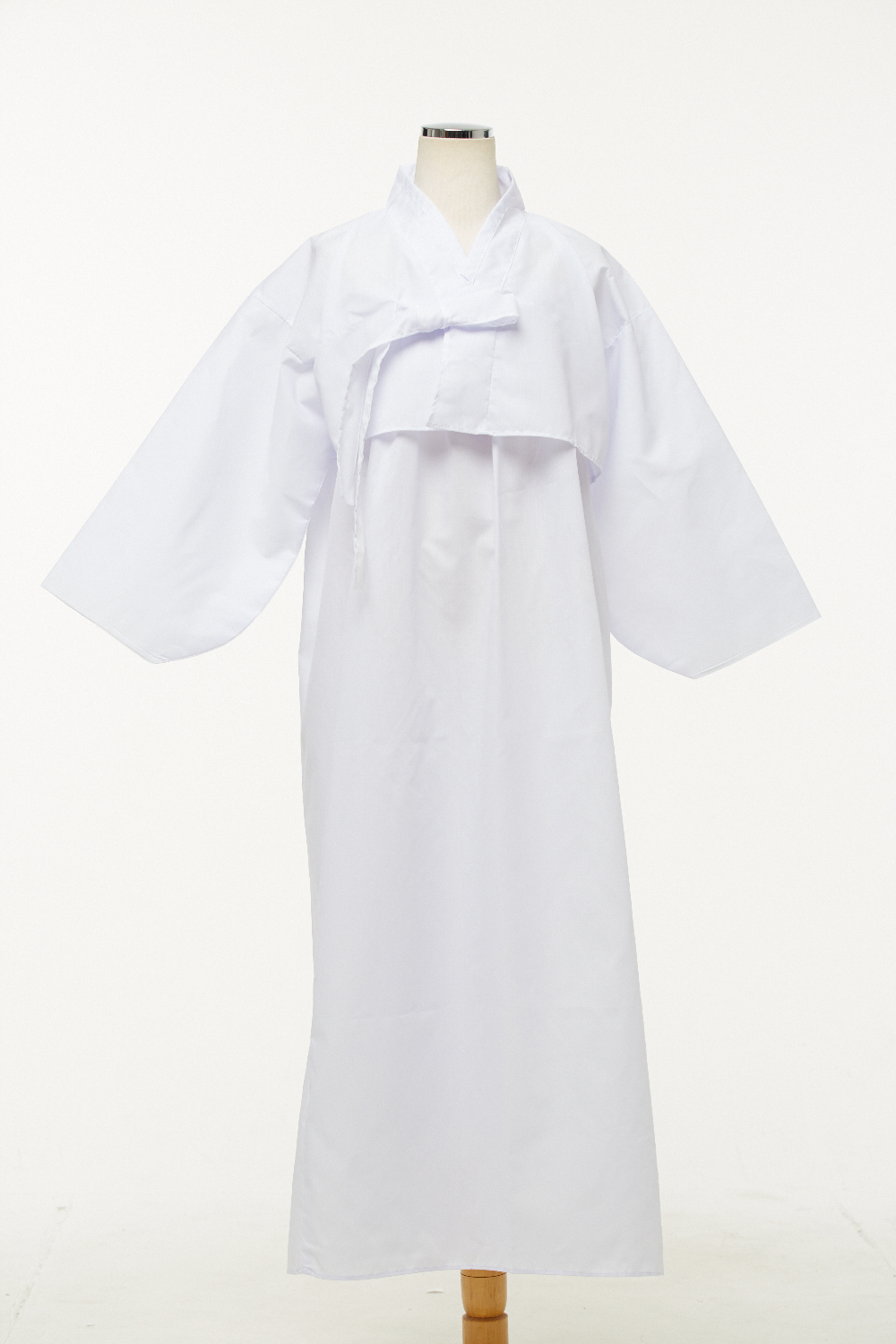 🇰🇷 South KoreaKorean virgin ghost처녀귀신 (cheonyeo-gwisin)
A spirit of an unmarried woman who died with resentment in Korean folklore.Being · Cursing and harm · Binding and oaths Historical
🇺🇸 United StatesChepi
A spirit of the dead in Narragansett belief, called upon for vengeance.Being · Cursing and harm · Speaking with spirits and the dead Historical
 🇦🇺 AustraliaCleverman
A traditional Aboriginal healer and cultural keeper in Australia with varied magical abilities.Being · Healing · Cursing and harm Living
🇯🇵 JapanHashihime橋姫
A Japanese bridge spirit linked to jealousy and demonic transformation in folklore and Noh theatre.Being · Protection · Cursing and harm Historical
🇹🇼 Taiwan and 3 moreHanitu
A spirit concept from the Bunun people of Taiwan, found in all living and non-living things.Being · Cursing and harm · Healing Historical
 🇳🇿 New Zealand and 5 moreMokomokaiToi moko
Preserved Māori heads with facial tattoos, once traded as curios and now repatriated.Being · Cursing and harm · Power and authority Historical
🇲🇾 MalaysiaHantu Air
A Malay water spirit said to live in rivers, lakes and seasBeing · Speaking with spirits and the dead · Protection Fading
 🇵🇪 PeruYachay
Peruvian Amazon phlegm said to hold a shaman's power as darts that harm or healSubstance · Cursing and harm · Healing Living
🇨🇱 Chile and 3 moreGualichu
An evil spirit feared in Mapuche and Tehuelche traditions, and a word for bad luckBeing · Cursing and harm Historical
🇨🇱 ChilePillan
Respected male spirits in Mapuche mythology who govern natural forces and the afterlife.Being · Protection · Cursing and harm Living
 🇯🇵 JapanMononoke物の怪
A Japanese term for spirits believed to cause illness and misfortune through possession or curses.Being · Cursing and harm · Healing Historical
🇨🇦 CanadaPinga
An Inuit goddess of the hunt and medicine who oversees caribou herds and souls.Being · Healing · Cursing and harm Historical
 🇬🇱 Greenland and 1 moreTupilaqᑐᐱᓚᒃ
A carved monster from Inuit tradition, made to seek out and destroy an enemy.Being · Cursing and harm Living
🇬🇭 GhanaAbonsam
A malevolent spirit blamed for accidents and disease, driven out to sea with noiseBeing · Cursing and harm · Cleansing and purification Living
🇮🇷 Iran and 4 moreJinnجِنّ
Concealed beings from Arabian and Islamic tradition, accountable for their actions like humans.Being · Protection · Cursing and harm Living
🇺🇸 United StatesPueblo clowns
Ritual jesters in Pueblo religion who use humor and disguise to enforce social norms.Being · Cursing and harm · Cleansing and purification Living
Photo credits on this page
The small pictures above come from Wikimedia Commons under free licences. Some are cropped to fit.
- Baron Samedi: markbenecke, CC BY-SA 4.0, source
- Pawang: Unknown author, CC BY-SA 3.0, source
- Cleverman: Photo by and ©2002 Dustin M. Ramsey ( Kralizec! ), CC BY-SA 2.5, source
- Taniwha: Pseudopanax at en.wikipedia, Public domain, source
- Mokomokai: New Zealand Electronic Text Centre, Public domain, source
- Yachay: Veton PICQ, CC BY-SA 3.0, source
- Jinn: VenusFeuerFalle, CC0, source
- Kurdaitcha: Unknown author, CC BY 4.0, source
- Dukun: Unknown author, CC BY-SA 3.0, source
- Korean virgin ghost: 국립국어원, CC BY-SA 2.0 kr, source
- Tupilaq: Louis Chemnitz, CC BY-SA 4.0, source
- Inugami: Sawaki Suushi (佐脇嵩之, Japanese, *1707, †1772), Public domain, source
- Mononoke: Unknown author, Public domain, source