
Ghosts in Thai culture
In its own language: ผี (phi)
from the word phi, a general term for spirit or ghost
A wide range of spirits and ghosts found in Thai folklore and popular belief.
Thai ghost lore blends Buddhist teachings with local animism. Spirits called phi inhabit trees, graves, and homes. Some are harmful, while others protect households or demand offerings.
- Phi means spirit or ghost in Thai
- San phra phum shrines house tree spirits
- Krasue is a floating head with entrails
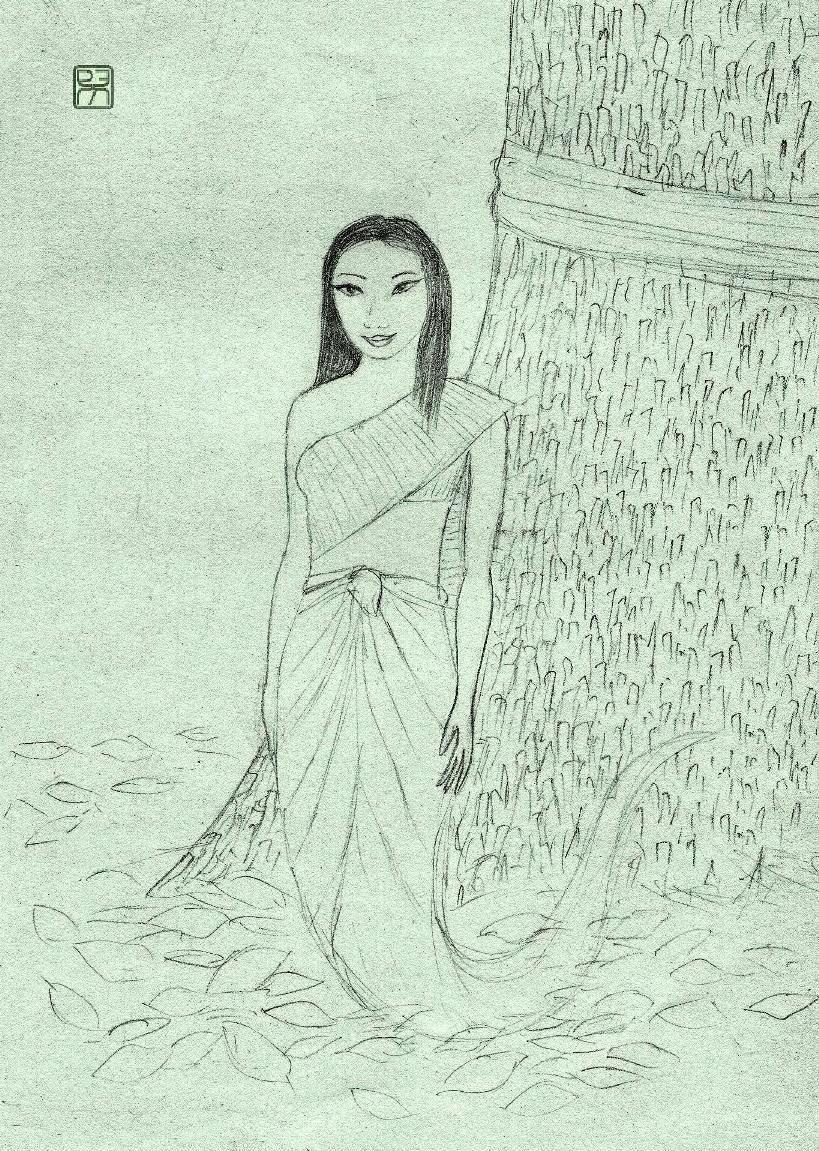
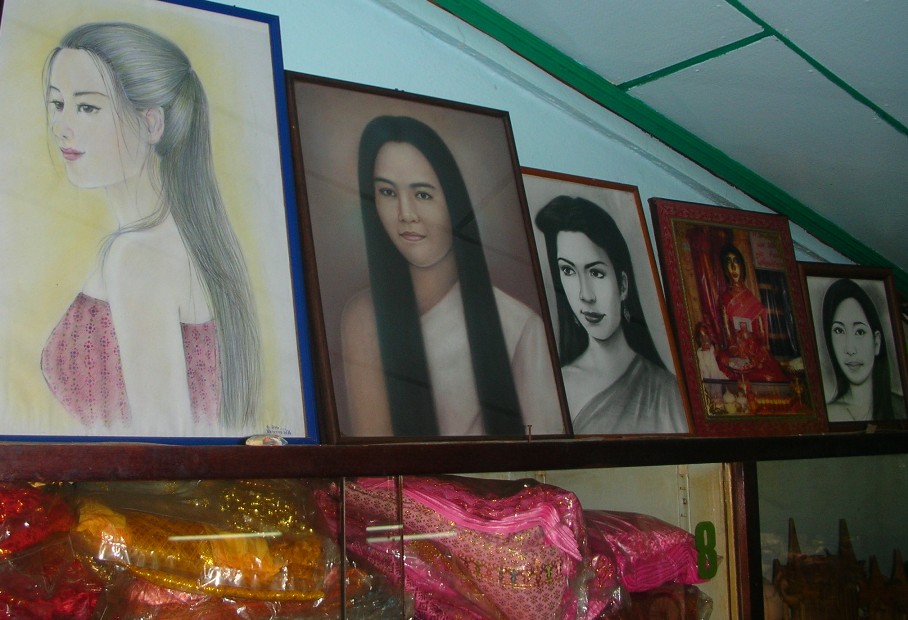
- Mae Nak has a famous shrine in Bangkok
- Pretas are tall hungry ghosts from Buddhism
What it is
Belief in ghosts forms a core part of Thai culture. The word phi covers all spirits, from household guardians to dangerous entities. These beliefs mix Buddhist ideas with older local traditions. Many spirits are nocturnal and live in specific places like forests or burial grounds. Some ghosts appear as humans, while others take strange shapes. Stories pass through oral tradition and modern media like films.
Where it comes from
Thai ghost lore grew from early animism and later Buddhist influence. Local legends survived alongside religious texts. Some spirits come from neighboring cultures like Cambodia and Laos. Others entered through Chinese communities living in Thailand for centuries. Pretas, tall hungry ghosts, come directly from Buddhist mythology. The system evolved to fit new social changes over time.
How it is done
People interact with spirits through shrines and offerings. Small dwellings called san phra phum house protective tree spirits near buildings. Offerings include fruit, drinks, and incense. Larger requests might involve sacrificing a pig head. Shamans use black magic to create artificial beings like Kuman Thong or Khwai Thanu for protection or attack. Neglecting these spots brings bad luck.
Tools and materials
Shrines serve as homes for benevolent spirits. Offerings range from simple food to animal sacrifice. Kuman Thong are made from the remains of dead infants, dressed in gold or pale cloth. Khwai Thanu figures use wood from cremations on specific days. Gold foil and metal amulets complete their construction. Shamans cast spells to activate these magical objects.
Ghosts in Thai culture, drawn and placed
- Living
- Revived
- Fading
- Historical
- Legendary
- Performed
- Lineage
- Thai folk religion and Buddhism
- Timing
- daily or when favors are requested
What it is for
Spirits serve different roles. Protective ghosts guard boats, houses, and treasures. Harmful ghosts cause illness, nightmares, or death. People seek help from shamans to control dark magic or avoid evil spirits. Mae Nak Phra Khanong is worshipped at a famous shrine in Bangkok. Daily life involves respecting spirits to maintain harmony and safety.
Who does it
Households maintain small shrines for tree spirits. Shamans practice black magic to create and control magical entities. They train to tame powerful beings like Khwai Thanu, which can turn on their owners if neglected. Ordinary people make offerings to appease spirits. Scholars like Phraya Anuman Rajadhon studied village beliefs systematically.
Peoples and places
Thai culture holds diverse beliefs about phi. Neighboring groups share some spirits like Krasue. Chinese-Thai communities introduced Phi Dip Chin. Southern fishermen worship boat spirits like Mae Ya Nang. Northern regions have horse-like ghosts. Urban areas keep shrines near buildings. Rural areas respect forest and mountain spirits. The beliefs adapt to local environments.
At a glance: who, where and when
Who does it
Peoples
Belief worlds
Occasions


What people believe
The world contains many invisible forces. Spirits hold grudges based on past karma. Good spirits protect those who show respect. Bad spirits punish wrongdoers or feed on fear. Sleeping paralysis comes from Phi Am sitting on chests. Sea spirits cause St. Elmo's fire. Death creates vengeful ghosts if the end was violent. Balance requires constant attention to spiritual needs.
When it is done
Offerings happen daily or during crises. Full moon nights attract certain tree spirits like Nang Tani. Cremation timing affects magical properties of materials used in rituals. Specific days like Tuesday and Friday matter for creating Khwai Thanu. No fixed festivals dominate the calendar, but regular maintenance prevents bad luck.
How scholars and sceptics see it
Researchers view these beliefs as part of cultural identity. Anthropologists study how Buddhism and animism merge. Psychologists link some ghosts to mental states like sleep paralysis. Skeptics see them as explanations for unknown events. The beliefs persist despite modernization because they offer comfort and structure to daily life.
Cautions and what is closed
Some spirits cause harm or death. Khwai Thanu can destroy its owner if not controlled properly. Vengeful ghosts punish those who owe them karma. Black magic carries risks for practitioners. Fake healers may exploit fears for money. Ignoring shrines brings bad omens. The beliefs require serious respect to avoid negative consequences.
Compare and confuse
Krasue appears in Cambodian and Malay lore too. Pretas exist across Buddhist cultures. Tree spirits resemble other Asian nature deities. Kuman Thong shares traits with child spirits elsewhere. Thai ghosts differ by having specific names and shrines. Modern media reshapes old stories into new formats.
Questions people ask about Ghosts in Thai culture
What does phi mean?
Phi is the Thai word for spirit or ghost. It covers all types of supernatural beings, from protective household guardians to dangerous forest entities. The term reflects a broad belief in invisible forces affecting daily life.
Where do spirits live?
Spirits inhabit trees, graves, forests, and abandoned houses. Household spirits live in small shrines called san phra phum near buildings. Boat spirits reside in ships. Forest spirits dwell in mountains. Each location has specific guardian entities.
How do people honor spirits?
People leave offerings like fruit, drinks, and incense at shrines. For major favors, they sacrifice a pig head. Regular care prevents bad luck. Neglecting these duties invites misfortune. The practice maintains harmony between humans and spirits.
Good reading and sources
- Ghosts in Thai culture on WikipediaEncyclopedia
- More photos on Wikimedia CommonsPhotos and video
- Wikidata recordOpen data
The facts on this page come from the Wikipedia article "Ghosts in Thai culture", written by its contributors and used under the CC BY-SA 4.0 licence, and from its Wikidata record (CC0). EveryJaadu rewrote the text in its own words, with AI assistance, and compares every page with the article to make sure no passage is copied. It may be reused under the same CC BY-SA 4.0 licence with a link back.
It may contain mistakes. Names and customs differ from one community to the next, and some knowledge is closed to outsiders and left out here. This page describes belief and practice. It does not say that any of it works, it is not a how-to, and it is not medical advice. If something is wrong, tell us. Last refreshed 2026-10-06.
More from Thailand
All the entries from Thailand 🇱🇦 Laos and 3 moreTai folk religionສາສະໜາຜີ
Spirits, ancestor rites, and soul-calling ceremonies of the Tai peoplesTradition · Protection · Healing Living
🇵🇭 Philippines and 3 moreMy Way killings
Fatal disputes in the Philippines sparked by singing Frank Sinatra's song at karaoke barsBelief · Cursing and harm Historical
🇱🇦 Laos and 3 moreTai folk religionສາສະໜາຜີ
Spirits, ancestor rites, and soul-calling ceremonies of the Tai peoplesTradition · Protection · Healing Living
🇵🇭 Philippines and 3 moreMy Way killings
Fatal disputes in the Philippines sparked by singing Frank Sinatra's song at karaoke barsBelief · Cursing and harm Historical
 🇰🇭 Cambodia and 3 moreSak Yantសាក់យ័ន្ត
A Southeast Asian tattoo tradition using sacred geometry for protection and powerTradition · Protection · Luck and prosperity Living
🇰🇭 Cambodia and 3 moreSak Yantសាក់យ័ន្ត
A Southeast Asian tattoo tradition using sacred geometry for protection and powerTradition · Protection · Luck and prosperity Living
 🇹🇭 Thailand and 7 moreSpirit house
A small roofed shrine that shelters a place's protective spiritCharm · Protection Living
🇹🇭 Thailand and 7 moreSpirit house
A small roofed shrine that shelters a place's protective spiritCharm · Protection Living
Related elsewhere
All belief 🇮🇳 India and 1 moreNavagrahaनवग्रह
A group of nine celestial deities in Hinduism that govern fate and astrologyTradition · Protection · Luck and prosperity Living
🇮🇳 India and 1 moreNavagrahaनवग्रह
A group of nine celestial deities in Hinduism that govern fate and astrologyTradition · Protection · Luck and prosperity Living
 🇭🇷 Croatia and 5 moreVilavila (Serbian: вила), víla (Bulgarian: ви́ла)
Slavic nature spirits known for healing, storms, and deadly dancesBeing · Protection · Cursing and harm Legendary
🇭🇷 Croatia and 5 moreVilavila (Serbian: вила), víla (Bulgarian: ви́ла)
Slavic nature spirits known for healing, storms, and deadly dancesBeing · Protection · Cursing and harm Legendary
 🇷🇺 Russia and 4 moreBaba Yaga
A complex Slavic witch figure who lives in a moving hut and flies in a mortar.Figure · Cursing and harm · Protection Legendary
🇷🇺 Russia and 4 moreBaba Yaga
A complex Slavic witch figure who lives in a moving hut and flies in a mortar.Figure · Cursing and harm · Protection Legendary
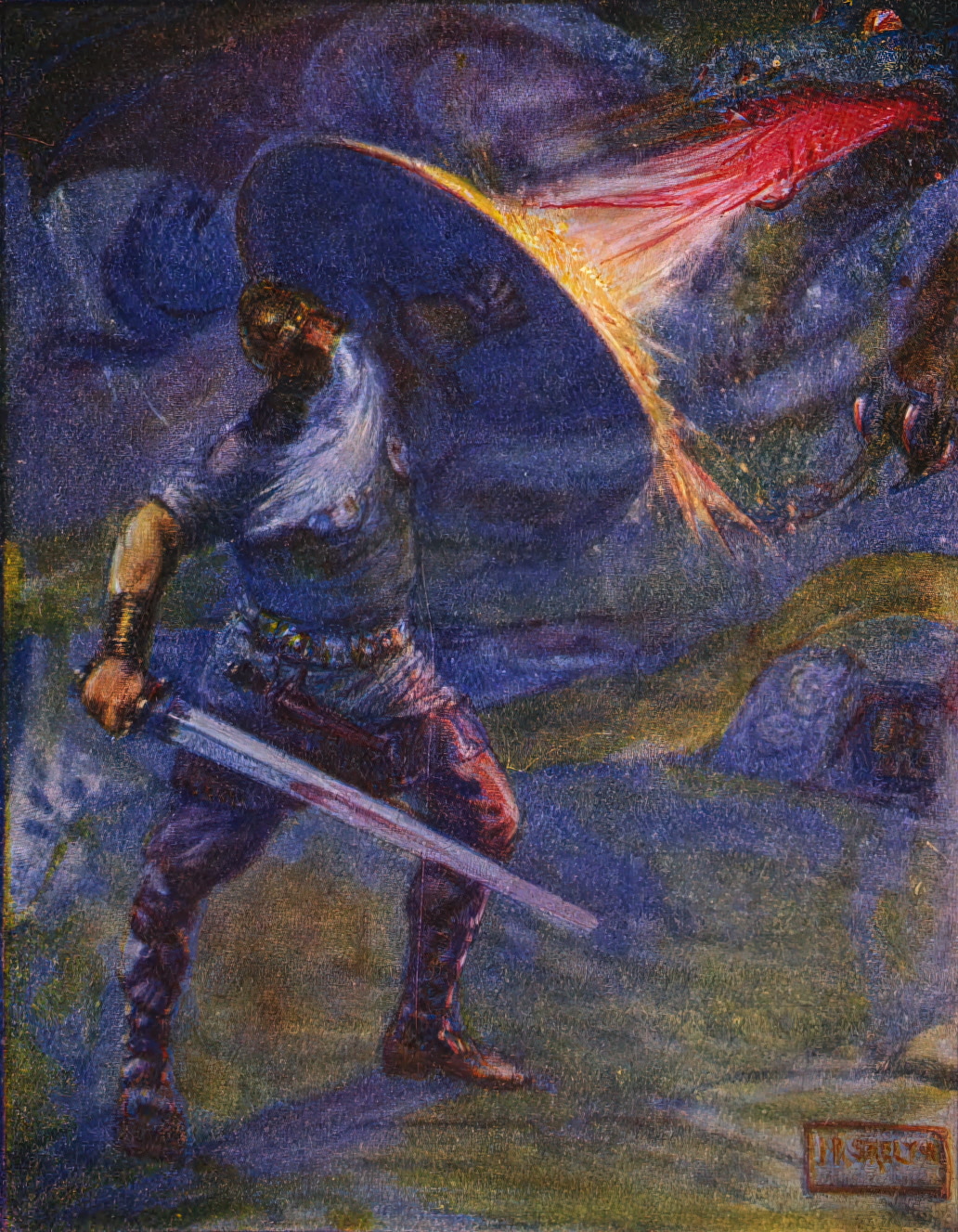 🇬🇧 United KingdomEnglish folklore
The myths, legends, and customs of England passed down through generations.Tradition · Protection · Cursing and harm Living
🇬🇧 United KingdomEnglish folklore
The myths, legends, and customs of England passed down through generations.Tradition · Protection · Cursing and harm Living